
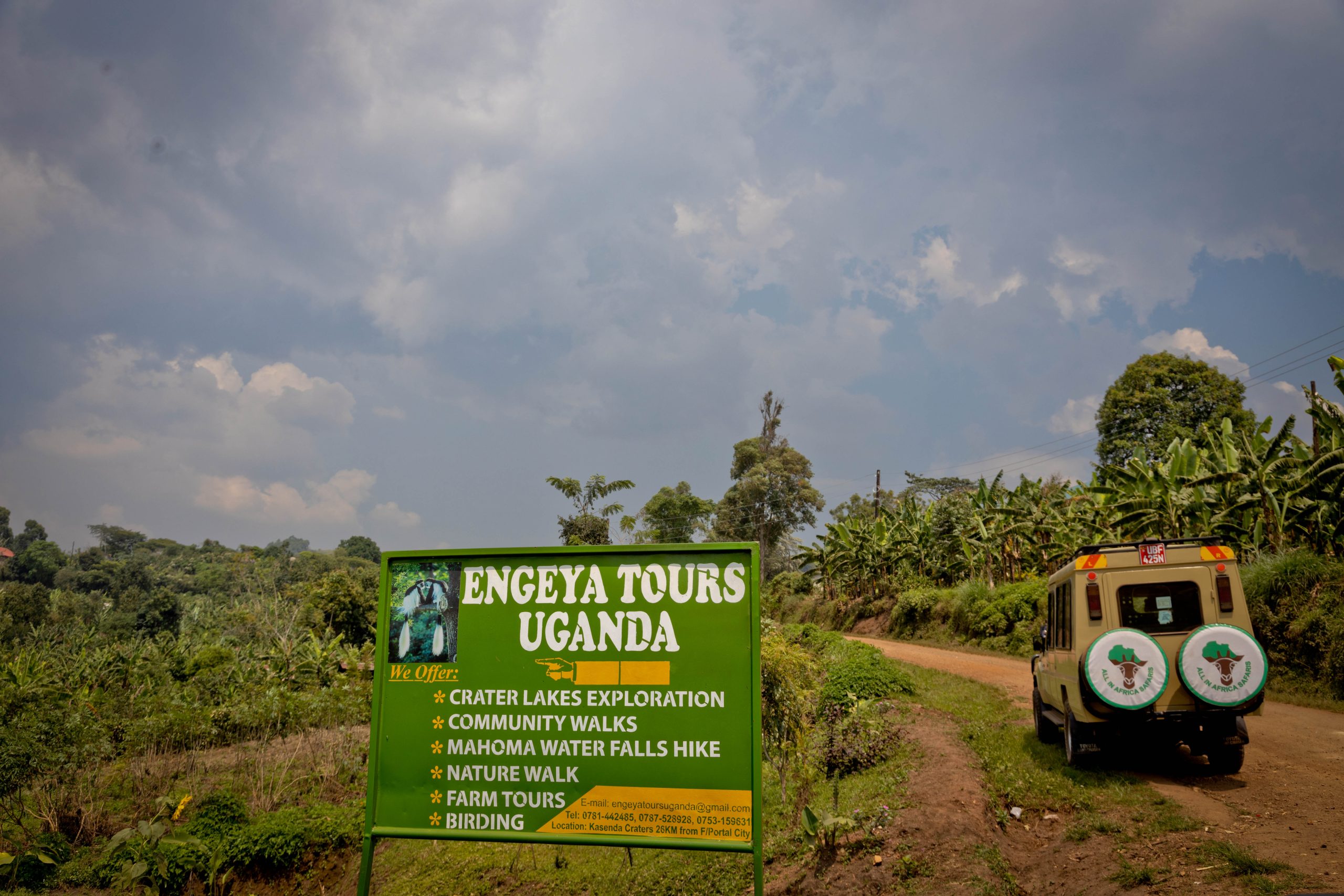
All In Africa: Building a Greener Future Through Environmental Conservation and Community Action
Africa is home to remarkable landscapes, rich biodiversity, diverse cultures, and communities whose lives are closely connected to the natural environment. From the forests of Uganda and the wetlands that support countless bird species to the grasslands that sustain wildlife, the continent’s natural resources are essential to its ecological balance, economic development, and cultural heritage. Protecting these resources requires practical action, public awareness, and the participation of people from all walks of life.
At All In Africa, we believe that creating a better future begins with taking responsibility for the environment and supporting the communities that depend on it. Our vision is built around environmental awareness, tree planting, conservation, sustainable development, and community participation. We recognise that protecting nature is not the responsibility of one organisation or one group of people. It is a shared commitment that requires individuals, schools, businesses, local leaders, and communities to work together.
Through initiatives such as the GreenSpot Campaign, All In Africa promotes practical environmental action that can contribute to healthier landscapes and greater awareness of conservation. Our approach encourages people to understand the value of trees, protect natural habitats, care for public spaces, and take part in activities that support a cleaner and greener environment.
Our Vision for a Greener Africa
A greener Africa begins with recognising the relationship between people and the natural world. Trees, forests, wetlands, rivers, grasslands, and other ecosystems provide benefits that extend far beyond their appearance. They support wildlife, help regulate local temperatures, protect soil, contribute to clean water systems, and provide resources that many communities rely on every day.
However, environmental challenges continue to affect many parts of the continent. Deforestation, poor waste management, habitat destruction, soil degradation, pollution, and the effects of climate change can place pressure on natural resources. When these problems remain unaddressed, they can affect agriculture, water availability, biodiversity, public health, and the livelihoods of local communities.
All In Africa believes that meaningful progress begins with practical steps that people can understand and participate in. Planting suitable trees, protecting existing vegetation, maintaining clean surroundings, educating young people, and encouraging responsible use of natural resources are important parts of this effort.
Our vision is not limited to planting trees or organising occasional environmental activities. It is about encouraging a lasting culture of environmental responsibility. We want individuals and communities to understand that their daily decisions can influence the condition of their surroundings and the quality of the environment inherited by future generations.
A greener future requires long-term commitment. Trees must be cared for after planting, public spaces must remain clean after community activities, and environmental education must continue beyond a single event. By promoting these principles, All In Africa seeks to encourage responsible participation and strengthen the connection between environmental protection and community development.
GreenSpot Campaign: Turning Environmental Awareness Into Action
The GreenSpot Campaign is an important part of All In Africa’s environmental vision. It promotes tree planting, environmental awareness, community participation, and the protection of natural surroundings. The campaign encourages people to move beyond discussing environmental problems and become involved in practical activities that can improve the places where they live, study, work, and travel.
Tree planting is one of the campaign’s central activities. Trees contribute to healthier ecosystems by absorbing carbon dioxide as they grow, providing habitats for birds and insects, stabilising soil, and offering shade. Depending on the species and location, trees can also support local water systems and help restore degraded areas.
GreenSpot encourages the planting of suitable indigenous tree species wherever possible. Native trees are often better adapted to local environmental conditions and can provide valuable habitats and food sources for local wildlife. Selecting appropriate species is important because a tree that grows well in one area may not be suitable for another. Planting decisions should consider soil conditions, rainfall, available space, existing vegetation, and the intended purpose of the project.
The campaign also recognises that planting a tree is only the beginning. Young trees need protection from damage, sufficient water during establishment, and appropriate maintenance. Without these measures, many seedlings may fail to survive. For this reason, environmental activities should include plans for monitoring, watering, replacement where necessary, and assigning responsibility for continued care.
GreenSpot aims to encourage participation from schools, community groups, institutions, businesses, and individuals who want to contribute to environmental improvement. Each participant can play a role according to their capacity, whether by helping plant seedlings, caring for existing trees, supporting environmental education, or taking part in community clean-up activities.
Through these actions, All In Africa promotes a simple principle: environmental responsibility becomes more effective when people turn their concern into consistent action.
Tree Planting for a Healthier Environment
Trees are essential components of healthy landscapes. They help store carbon, support biodiversity, improve soil conditions, and create shade for people and animals. In towns and cities, trees can make public spaces more comfortable by reducing direct exposure to sunlight and helping moderate local temperatures.
In rural areas, trees can support farming systems, protect field boundaries, reduce soil erosion, and provide useful resources when managed responsibly. Some species can be incorporated into agroforestry systems, where trees grow alongside crops or livestock. These systems can diversify farm production and provide additional environmental benefits when planned according to local conditions.
Tree planting can also help restore areas that have lost vegetation. Degraded land may require careful site assessment before planting begins. In some locations, protecting natural regeneration or restoring wetlands may be more appropriate than planting trees. Environmental restoration should respond to the needs of each ecosystem rather than applying the same method everywhere.
All In Africa encourages responsible tree planting that considers the long-term health of the environment. This means choosing appropriate species, protecting existing natural habitats, avoiding unsuitable planting locations, and involving local communities in decisions about how sites will be managed.
Schools, community centres, suitable public spaces, and selected roadside areas can provide opportunities for greening projects when land ownership, permissions, safety, and maintenance arrangements have been addressed. These spaces can become practical learning environments where people observe how trees grow and understand the role vegetation plays in the environment.
The GreenSpot approach also encourages participants to see each planted tree as a continuing responsibility. A seedling that survives and matures can provide benefits for many years, but its success depends on the care it receives during its early stages and throughout its life.
Protecting Wildlife and Natural Habitats
Africa’s wildlife is part of its natural heritage and supports ecological processes that keep ecosystems functioning. Birds, insects, mammals, reptiles, and other organisms depend on suitable habitats for food, shelter, breeding, and movement. When habitats are damaged or fragmented, wildlife populations can face increasing pressure.
Forests are especially important in supporting biodiversity. In Uganda, forest ecosystems provide habitat for mountain gorillas, chimpanzees, numerous bird species, and many other forms of life. Wetlands provide breeding and feeding areas for waterbirds and other wildlife, while grasslands support grazing animals and the predators that depend on them.
Environmental conservation must therefore go beyond planting new trees. Protecting existing forests, maintaining wetlands, reducing pollution, preventing destructive land use, and respecting protected areas are equally important. In some cases, preserving a healthy existing habitat delivers greater immediate benefits than planting trees in a place where they do not naturally belong.
All In Africa recognises the connection between environmental protection and the future of wildlife. By promoting awareness of natural habitats and encouraging responsible environmental practices, we aim to help people understand how everyday activities can influence biodiversity.
Communities living near forests, wetlands, rivers, and wildlife areas have valuable knowledge about their surroundings. Their participation in conservation discussions and local environmental activities can help identify challenges and develop practical responses. Conservation efforts are more likely to achieve lasting results when local people understand their value and have a meaningful role in protecting the resources around them.
Protecting wildlife also requires responsible behaviour from visitors and residents. Respecting park regulations, avoiding littering, following guidance from authorised conservation staff, and refusing to participate in activities that harm wildlife are important ways to contribute to environmental protection.
Supporting Communities Through Environmental Action
Environmental protection and community development are closely connected. Many households depend on healthy land, reliable water supplies, agriculture, forests, and other natural resources for their livelihoods. When environmental conditions deteriorate, the consequences can extend to household income, food security, health, and access to essential resources.
All In Africa believes that community participation should be an important part of environmental initiatives. Local residents can help identify appropriate planting sites, select suitable species, organise clean-up activities, care for seedlings, and monitor changes in their surroundings. Their involvement helps ensure that projects reflect local needs rather than relying entirely on decisions made elsewhere.
Community-based environmental activities can also create opportunities for practical learning and cooperation. Young people may develop skills in seedling care and environmental monitoring, while schools can use tree planting to connect classroom learning with real environmental challenges. Community groups can work together to maintain shared spaces and encourage responsible waste disposal.
Where projects require labour, transport, seedlings, tools, or technical assistance, planning should be transparent and realistic. Participants need to understand the purpose of the activity, the responsibilities involved, and how the work will continue after the initial event.
All In Africa encourages environmental initiatives that respect local knowledge and recognise the contribution of community members. Long-term environmental improvement is more achievable when people feel that they are participating in work that benefits their surroundings and future generations.
Environmental Education for Schools and Young People
Young people have an important role in shaping the future of environmental protection. Schools provide an opportunity to introduce environmental responsibility early and help students understand the relationship between human activities and the natural world.
Environmental education should combine knowledge with practical experience. Students can learn about trees, soil, water, biodiversity, pollution, and climate change while participating in suitable activities within school compounds and surrounding communities. Planting and caring for trees can help students observe growth, understand the needs of living organisms, and develop a sense of responsibility.
School greening programmes can also improve learning environments when projects are carefully designed. Appropriate trees may provide shade, help control dust, and make school grounds more attractive. However, schools must consider the safety of students, the suitability of tree species, underground utilities, building foundations, and the space required as trees mature.
All In Africa supports the idea that environmental learning should continue beyond special events. A school that plants trees for one day but does not maintain them may lose much of the value of the exercise. Establishing student environmental clubs, assigning appropriate care responsibilities, and involving teachers and school administrators can help sustain progress.
Community clean-up activities can provide another practical learning opportunity. Students can discuss waste reduction, sorting, safe disposal, and the effects of litter on drainage systems and wildlife. Such activities should always use appropriate supervision and protective equipment, especially when handling waste that may contain sharp objects or hazardous materials.
By encouraging schools and young people to participate in environmental activities, All In Africa aims to support a generation that understands the importance of conservation and is prepared to make responsible decisions.
Community Clean-Up Activities and Responsible Waste Management
A clean environment supports public health, improves the appearance of communities, and reduces some of the problems associated with poorly managed waste. Litter can block drainage channels, contaminate water, injure wildlife, and create unpleasant conditions in public spaces. Plastic waste can remain in the environment for long periods, particularly when it is not collected or disposed of properly.
Community clean-up activities provide a practical way to address visible waste while raising awareness about the need to prevent littering in the first place. Residents, businesses, schools, and community organisations can work together to clean suitable public areas, improve waste collection practices, and encourage more responsible behaviour.
All In Africa promotes the importance of combining clean-up activities with education. Removing litter from a location is useful, but the improvement may not last if waste continues to be discarded in the same place. Communities also need appropriate disposal arrangements, accessible collection points where possible, and clear information about how different types of waste should be handled.
Clean-up organisers should identify the site in advance, arrange waste collection and disposal, provide suitable equipment, and make safety a priority. Participants should avoid handling medical waste, unknown chemicals, exposed electrical materials, or other hazardous items without trained personnel and appropriate protection.
Businesses can contribute by reducing unnecessary packaging, managing their waste responsibly, and supporting local environmental activities. Households can help by avoiding littering, reusing suitable materials, separating recyclable waste where collection systems exist, and keeping drainage channels clear of rubbish.
These actions may appear small individually, but consistent participation can improve the condition of shared spaces and encourage wider responsibility for the environment.
Climate Change Awareness and Local Environmental Solutions
Climate change affects communities and ecosystems in different ways. Rising temperatures, changing rainfall patterns, prolonged dry periods, intense rainfall, and other weather-related challenges can place pressure on agriculture, water supplies, infrastructure, and biodiversity. The nature and severity of these effects vary between locations.
Environmental awareness helps people understand the difference between long-term climate trends and individual weather events. It also helps communities identify practical measures that can reduce environmental pressure and improve their ability to respond to changing conditions.
Tree planting can contribute to climate action by storing carbon as trees grow, but it is not a complete solution to climate change. Effective climate action also requires reducing greenhouse gas emissions, protecting existing forests, improving energy efficiency, managing waste, and supporting sustainable land use.
All In Africa encourages people to connect environmental awareness with realistic local action. Communities can protect existing vegetation, improve soil management, conserve water, reduce unnecessary waste, and support restoration activities suited to their surroundings. Schools and community organisations can also help share information about climate risks and responsible environmental practices.
The effectiveness of these activities depends on good planning and continued participation. Projects should be assessed according to their actual environmental benefits rather than the number of events held or seedlings distributed. Monitoring tree survival, maintaining restored areas, and documenting improvements can help organisers understand what is working and where changes are needed.
Through environmental education and practical participation, All In Africa seeks to encourage communities to take a more active role in protecting the natural systems on which they depend.
Responsible Tourism and Environmental Protection
Tourism connects people with landscapes, wildlife, cultures, and communities. When managed responsibly, it can create employment, support local businesses, encourage the protection of natural areas, and provide opportunities for visitors to learn about conservation.
However, tourism can also create environmental pressures when activities are poorly managed. Vehicle emissions, litter, excessive resource use, habitat disturbance, and unsustainable development can affect the destinations that visitors come to experience. Responsible tourism requires attention to these challenges throughout the planning and delivery of travel experiences.
All In Africa recognises the value of connecting environmental awareness with tourism. Visitors can learn about local ecosystems, respect community customs, follow conservation guidelines, and support responsible businesses. Where suitable arrangements exist, they can also participate voluntarily in environmental activities such as tree planting or community education.
The GreenSpot Campaign promotes the idea that a visit can create opportunities for positive environmental engagement. For example, a visitor may support an organised planting activity, learn about native tree species, or contribute to a community initiative that protects local green spaces. Such activities should be planned carefully so that they complement the visitor’s experience and meet the needs of the host community.
Responsible tourism must also avoid exaggerated environmental claims. Planting one tree does not automatically cancel out all emissions associated with a journey. The long-term benefits depend on the tree’s survival, growth, location, and management, as well as the wider environmental context.
By promoting practical conservation awareness, All In Africa encourages visitors and local communities to recognise that protecting the environment is a shared responsibility that extends beyond the duration of a visit.
How Individuals Can Participate in the GreenSpot Vision
Environmental action does not always require large financial contributions or specialised equipment. Many useful activities begin with decisions made at home, at school, in the workplace, or within the local community.
Individuals can help by planting suitable trees where permission has been obtained, caring for existing vegetation, avoiding littering, reducing unnecessary waste, and using water responsibly. They can also participate in community clean-up events, support school greening programmes, and encourage family members to adopt better environmental habits.
Anyone interested in tree planting should first consider the location and the needs of the proposed site. Suitable species should be selected, permission should be secured where necessary, and a realistic maintenance plan should be established. If a person cannot plant a tree, supporting the care of an existing tree or helping maintain a community green space can still provide useful environmental benefits.
Schools and community groups can organise activities around local environmental priorities. One community may need to restore a degraded area, while another may benefit more from protecting a wetland, improving waste management, or planting shade trees in an appropriate public space.
Businesses can contribute by supporting environmental education, encouraging responsible resource use, providing suitable materials for community activities, or partnering with local groups on restoration projects. Organisations should make sure that their support addresses genuine needs and that any environmental claims accurately reflect the work completed.
All In Africa welcomes the principle of shared responsibility. Every participant can contribute according to their ability, experience, and available resources. What matters is that environmental action is appropriate, consistent, and supported by a genuine commitment to long-term care.
Building Lasting Results Through Tree Care and Monitoring
A successful environmental campaign should measure more than the number of seedlings planted. Tree survival, healthy growth, habitat improvement, community participation, and continued maintenance are important indicators of progress.
Monitoring helps organisers identify problems before they become more serious. Seedlings may need additional watering during dry periods, protection from livestock, replacement after damage, or adjustments to the planting method. Regular checks can reveal whether the chosen species are suitable for the site and whether maintenance arrangements are working.
Communities can participate in simple monitoring by recording planting dates, identifying species, noting tree condition, and reporting damage. Schools may use observation records to help students understand plant growth and environmental care. More advanced restoration projects may require technical guidance to assess vegetation recovery, soil conditions, or biodiversity.
All In Africa believes that long-term planning should be part of environmental action from the beginning. Before organising a planting activity, project leaders should identify who will care for the trees, where water will come from if needed, how damaged seedlings will be replaced, and how the results will be reviewed.
Transparency is equally important. Environmental programmes should communicate what they have done, what remains to be completed, and what challenges they have encountered. Honest reporting helps build trust and allows supporters to understand the real progress of a project.
The long-term value of the GreenSpot vision lies in the environmental benefits that continue after an event ends. Trees that survive and grow, communities that maintain clean surroundings, and students who develop lasting environmental awareness are meaningful signs of progress.
Working Together for a Greener Future
Environmental challenges are too broad for one organisation to address alone. Lasting progress depends on cooperation among communities, schools, businesses, local authorities, conservation organisations, and individuals. Each group brings different knowledge, resources, and abilities that can contribute to shared environmental goals.
All In Africa encourages collaboration that respects local priorities and supports practical outcomes. Community leaders can help identify suitable project locations, schools can promote environmental education, businesses can contribute resources, and individuals can participate in planting and maintenance. Technical specialists can provide advice on species selection, ecosystem restoration, and monitoring where required.
Partnerships should be built around clear responsibilities and realistic expectations. Before a project begins, participants should understand its objectives, the resources available, the work required, and how results will be maintained. This helps avoid situations where an activity attracts attention at the beginning but receives little support afterward.
Working together also creates opportunities to share lessons. A successful school greening programme may provide useful ideas for another school, while a community that develops an effective waste management approach may help others identify practical solutions. Learning from local experience can make environmental initiatives more relevant and effective.
At All In Africa, we believe that every responsible action contributes to a wider culture of environmental care. By supporting tree planting, conservation awareness, clean communities, and environmental education, we can encourage people to take greater responsibility for the places they share.
A greener Africa is built through consistent effort, not a single event. It grows when trees are cared for, natural habitats are protected, communities work together, and young people learn to value the environment. Through the GreenSpot Campaign and our commitment to practical environmental action, All In Africa invites individuals, schools, businesses, and communities to take part in building a cleaner, healthier, and more sustainable future.
Together, we can protect our natural heritage, support community participation, and help create an environment that future generations can enjoy and care for. Join All In Africa in promoting environmental responsibility. Plant where appropriate, protect what already grows, keep your surroundings clean, and help spread the message: Help Save Our Planet.







No comment