
Frequently Asked Safari Questions
Safaris are great times to go away and enjoy the wild, but they can also be frightening, so people who go on certain safaris will have a lot of questions about specific safaris. To help you address some of the most pressing inquiries, here is a list of frequently asked questions to get you started.
Is it necessary for me to study Kiswahili before travelling to East Africa?
Because English is the official language of all East African countries, most individuals can express themselves in English. In Rwanda and the Democratic Republic of the Congo, some people speak French, so you have that choice. In cases where people only speak their native tongue, translators are always ready to assist you. Briefly stated. You are not required to study Kiswahili, but you may do it for enjoyment or for your personal benefit.
Is a visa required for each East African country?
Both yes and no. You can utilise the East African Visa for all three countries if you visit Kenya, Rwanda, and Uganda. However, visas are required for Tanzania and the Democratic Republic of the Congo. So remember that.
Can I drive in any East African nation with my permit?
This is an important topic, especially for people who wish to go on self-drive safaris. Some foreign driving permits are accepted in several East African nations, but to be on the safe side, ask the relevant authorities and All in Africa Safaris for further information.
How long in advance should I make my safari reservations?
As the adage goes, the earlier you book, the better. We recommend making your safari reservations as soon as possible; it will help you be ready and everything will be in order. However, if you are pressed for time or are deciding on a safari at the last minute, You may reserve a week ahead of time, giving you and your tour operator plenty of time to get everything in order.
Which safari is more comprehensive: three days, five days, or more days?
Even if they gave you a lifetime, you would never be able to exhaust the beauty of East Africa; it is simply too big; you must explore it again and again to truly appreciate its richness. Locals in the area have also failed to completely investigate the terrain, so we doubt you can. That being said, you may design a specific safari in detail based on your resources and time constraints. Some safaris may be completed in three days, while others require more time. If you narrow down your options, you will be able to decide how many days you will spend on your safari.
How much money should I bring with me on my safari?
To begin with, in this digital age, we recommend carrying your money on visa cards or other electronic systems; you don’t need to carry cash. So the question here is how much you should budget or spend on your wildlife excursion. That is entirely up to you and the type of safari you are planning. Budget, mid-range, or opulent Frequently Asked Safari Questions
How much baggage should I bring on safari?
We don’t know how much you want to bring or how much you can utilise in one trip, so this is a hard topic. However, the best advice we can give you is to bring only what is comfortable for you but keep in mind all of the activities you will be doing on your safari and don’t overdo it.
What Vaccinations or Health Precautions Should I Take?
Most East African countries require or strongly recommend a yellow fever vaccination certificate for entry, and travelers should also consult a doctor about malaria prophylaxis given the region’s tropical climate, a step worth arranging several weeks before departure rather than at the last minute. All in Africa Safaris can point you toward current entry health requirements for your specific route.
What’s the Best Time of Year to Go on Safari?
While East Africa rewards visitors year-round, the June through October and December through February dry seasons generally offer the easiest wildlife viewing, since animals concentrate more predictably around remaining water sources during these drier months.
Do I Need Travel Insurance for a Safari?
Given the remote settings and adventure activities involved in most safaris, travel insurance covering medical evacuation and trip interruption is genuinely worth arranging beforehand, offering peace of mind that standard travel plans sometimes overlook.
What Should I Pack for a Typical Safari?
Neutral-colored clothing, a wide-brimmed hat, sturdy closed shoes, binoculars, and a good camera cover the essentials for most game-viewing safaris, while gorilla trekking itineraries add specific gear like gardening gloves and waterproof layers worth checking with your operator in advance.
Is It Safe to Go on Safari in East Africa?
Established tourism circuits across Kenya, Uganda, Rwanda, and Tanzania maintain strong safety records for visitors, with experienced guides and reputable operators managing the genuine risks of wildlife encounters through well-practiced protocols. All in Africa Safaris works exclusively with guides trained in exactly these safety standards.
Can I Combine a Safari With a Beach Holiday?
Many travelers extend a wildlife-focused safari with a closing stretch on Zanzibar’s beaches, Kenya’s coast, or Rwanda’s Lake Kivu, pairing the adrenaline of game viewing with a genuinely relaxing final chapter to the trip. All in Africa Safaris can sequence this kind of combined itinerary around your travel dates.
What Kind of Accommodation Should I Expect?
Safari accommodation spans everything from basic budget campsites to opulent luxury lodges, with mid-range tented camps offering a genuinely popular balance of comfort and authentic bush atmosphere for most travelers.
How Physically Demanding Is a Typical Safari?
Standard game-drive safaris require minimal physical exertion since most viewing happens from a vehicle, while activities like gorilla trekking or hiking safaris demand a genuinely higher fitness level worth honestly assessing before booking.
What Wildlife Can I Realistically Expect to See?
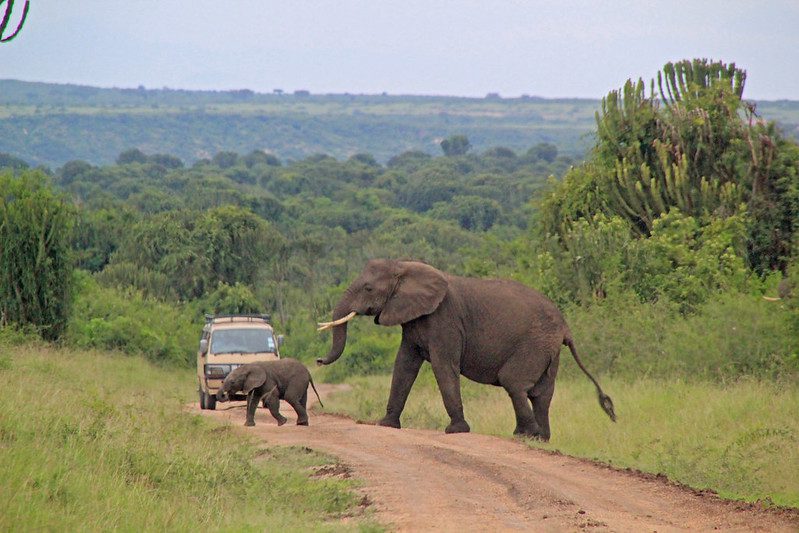
While sightings are never guaranteed given the wild, unscripted nature of the animals involved, experienced guides and well-chosen parks make consistent sightings of elephants, lions, giraffes, and other iconic species a genuinely realistic expectation across most East African circuits.
Do I Need to Tip My Guide and Camp Staff?
Tipping is customary though not strictly mandatory across East African safari culture, and most operators can provide guidance on appropriate amounts for guides, drivers, and lodge staff so you’re not left guessing during your trip.
What Currency Should I Carry?
US dollars remain widely accepted for permits and larger payments across the region, though carrying some local currency for smaller purchases and tips genuinely smooths out day-to-day transactions during your safari.
How Do I Choose Between Countries for My First Safari?
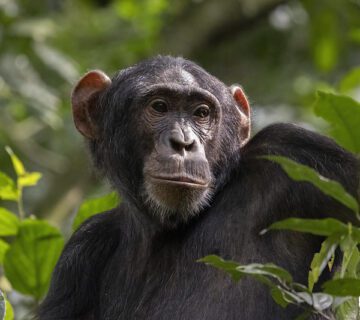
Kenya and Tanzania suit travelers prioritizing classic savannah game drives and the Great Migration, while Uganda and Rwanda are the natural choice for those drawn specifically to gorilla and chimpanzee trekking, a distinction worth clarifying early in your planning. All in Africa Safaris can help you weigh these countries against your specific priorities.
What Questions Should I Ask Before Booking an Operator?
Asking directly about guide experience, vehicle condition, group size, and exactly what’s included in your quoted price reveals far more about an operator’s genuine quality than marketing materials alone, giving you confidence in your final choice.
Can I Bring My Children on a Safari?
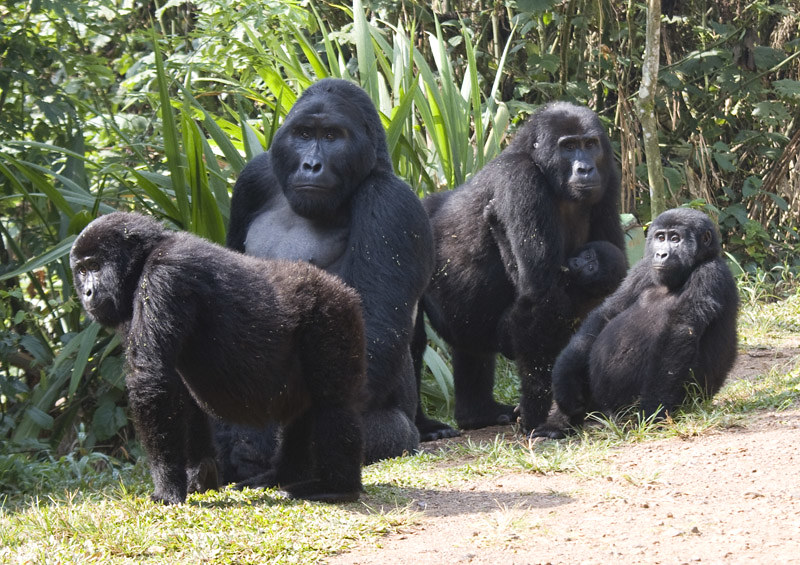
Many family-friendly camps and itineraries genuinely welcome children, though certain activities like gorilla trekking carry a minimum age requirement of fifteen, meaning families should confirm age restrictions on specific activities before finalizing a trip with younger travelers.
What Happens If I Get Sick During My Safari?
Reputable camps and operators maintain contact with nearby medical facilities and, in more remote areas, emergency evacuation services, meaning a sudden illness during your trip is genuinely manageable provided you’ve arranged appropriate travel insurance beforehand.
How Reliable Is Internet and Phone Connectivity on Safari?
Connectivity genuinely varies by location, with many mid-range and luxury camps offering WiFi in common areas while more remote sites may have limited or no signal, a detail worth clarifying with your operator if staying connected matters for your trip.
Should I Book a Group Safari or a Private One?
Group safaris generally cost less per person and suit travelers happy to share the experience with others, while private safaris offer complete schedule flexibility and a more personalized pace, a genuine trade-off worth weighing against your budget and travel style. All in Africa Safaris can help you decide which format suits your specific trip.
What’s the Difference Between a National Park and a Game Reserve?
National parks are generally government-managed with stricter regulations on activities like night drives and off-road driving, while private reserves and conservancies often permit a wider range of activities, a distinction that genuinely shapes what your safari days will look like.
How Do I Prepare for the Altitude in Gorilla Trekking Regions?
Parks like Bwindi and Volcanoes National Park sit at meaningful elevation, and travelers with cardiovascular concerns should consult a doctor beforehand, while building in a day of rest upon arrival genuinely helps most visitors acclimatize before a demanding trek.
Getting Your Remaining Questions Answered
Whatever specific concerns remain beyond this general overview, from visa specifics to itinerary customization, a direct conversation with an experienced operator remains the fastest way to genuine clarity. All in Africa Safaris is happy to answer any additional questions and turn this overview into a fully confirmed itinerary tailored to your travel plans.

No comment