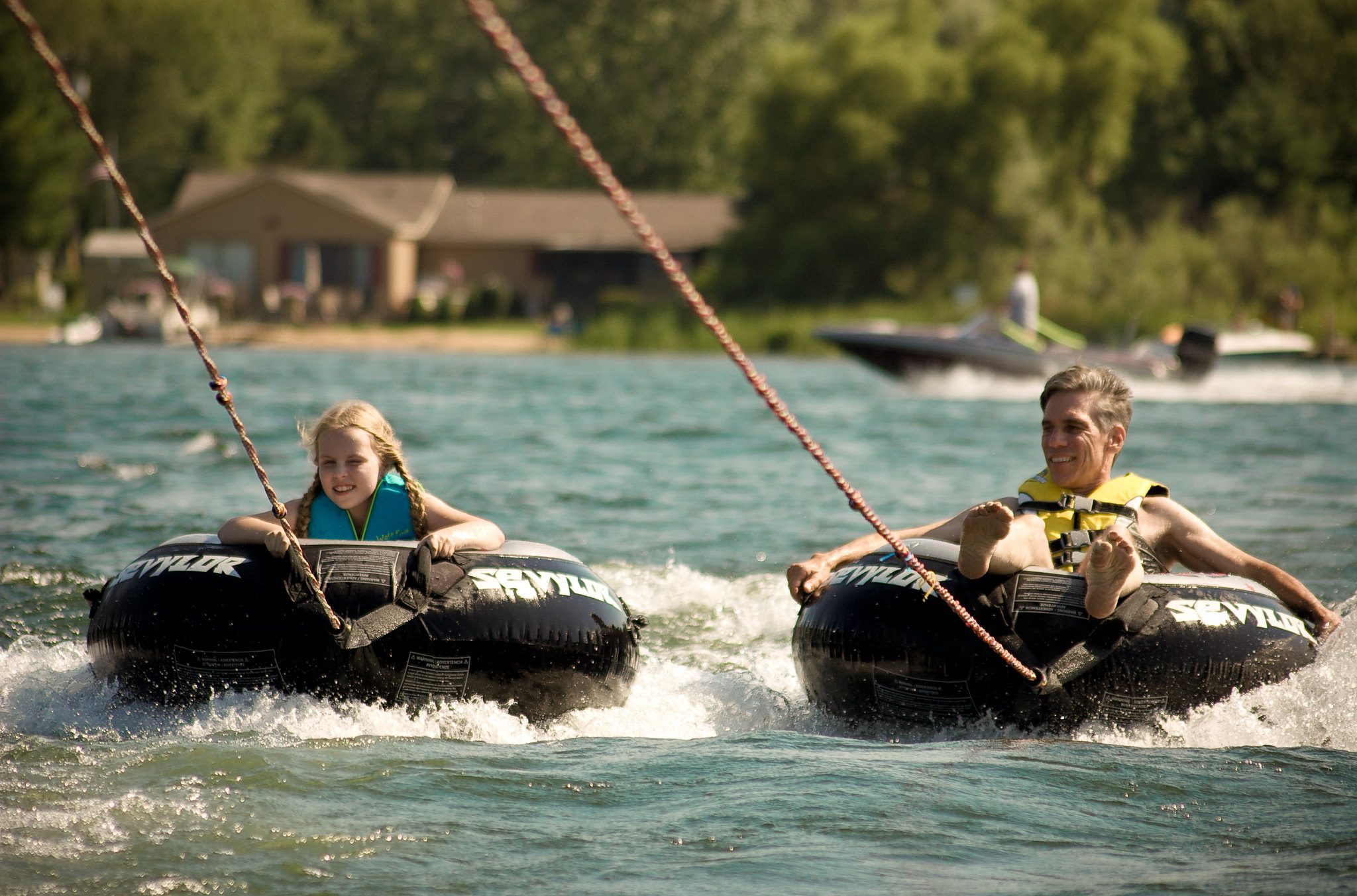
Tubing in Uganda can be a fun and unforgettable activity, providing a one-of-a-kind opportunity to explore the country’s stunning rivers and landscapes. However, like with any outside activity, safety must be prioritised. Here are some safety precautions to follow while tubing in Uganda.
- Use Proper Tubing Equipment
- Ensure that you have a sturdy, inflatable tube designed for river tubing. Check it for any leaks or damage before getting in the water.
- Wear a life jacket (personal flotation device) at all times. Make sure it fits properly and is secured snugly.
- Know the River Conditions
- Check the weather forecast before you go tubing. Avoid tubing in stormy or rainy conditions as fast-rising water levels can be dangerous.
- Familiarize yourself with the river’s current, depth, and potential hazards. Local guides can provide valuable information about the river’s conditions.
- Go with a Group
- Tubing is more enjoyable and safer when done in a group. Always go tubing with friends or fellow adventurers.
- Designate a trip leader or coordinator who is responsible for safety and communication during the adventure.
- Wear Appropriate Clothing
- Dress in swimwear or quick-drying clothing suitable for water activities.
- Protect yourself from the sun by wearing sunscreen, sunglasses, and a wide-brimmed hat.
- Stay Hydrated and Nourished
- Bring plenty of drinking water to stay hydrated, especially in Uganda’s warm climate.
- Pack some energy snacks to keep your energy levels up during the adventure.
- Leave No Trace
- Respect the environment by not littering. Bring a trash bag to collect your trash and dispose of it properly when you’re done tubing.
- Avoid disturbing wildlife and natural habitats.
- Listen to Local Guides
- If you’re tubing with a tour company or local guides, follow their instructions and advice closely. They know the river and its potential risks.
- Communicate your experience level and any concerns to your guides so they can adjust the trip accordingly.
- Know Your Limits
- Be honest about your swimming abilities and tubing experience. If you’re a beginner, choose a suitable section of the river that matches your skill level.
- Avoid strong currents or rapids if you are not an experienced tuber.
- Carry Communication Devices
- Keep a waterproof bag or container for your essential items, including a fully charged mobile phone or two-way radio in case of emergencies.
- Be Mindful of Wildlife
- Respect the natural habitat and avoid disturbing wildlife. Do not feed or approach animals you encounter along the riverbanks.
- Emergency Plan
- Make sure someone outside of your group knows your itinerary and expected return time.
- Familiarize yourself with local emergency numbers and the nearest medical facilities.
- Stay Sober
- Tubing and alcohol don’t mix well. Avoid drinking alcohol or using substances that impair judgment while tubing to maintain focus and coordination.
You may have an exciting and safe tubing journey in Uganda while enjoying the stunning beauty and lively culture of this unique nation by following these safety precautions and being mindful of your surroundings.
Where in Uganda Tubing Trips Typically Take Place
Jinja, at the source of the Nile, is Uganda’s main hub for river tubing, offering both calmer stretches suited to beginners and more energetic sections for confident swimmers seeking a bit more excitement. Most tour operators in Jinja assess your experience level before assigning you to a section of river appropriate for your comfort and swimming ability.
What a Typical Guided Tubing Trip Includes
A standard guided tubing trip includes a safety briefing, properly fitted equipment, an accompanying safety kayak or raft, and a guide who monitors the group throughout the float. All in Africa Safaris only partners with operators who maintain this level of safety infrastructure, since the quality of supervision makes a meaningful difference to how safe and enjoyable the activity actually is.
Tubing for Beginners Versus Experienced Adventurers
First-time tubers can choose gentler stretches of the Nile that offer a relaxed float with minimal rapids, while more experienced or adventurous travelers can opt for sections with a bit more current and excitement. Being upfront with your guide about your comfort level ensures you’re matched to a stretch of river that suits your actual experience rather than one that’s more demanding than you’d like.
Combining Tubing With Other Jinja Activities
Jinja offers a wide range of adventure activities beyond tubing, including white water rafting, bungee jumping, and quad biking, making it easy to build a full adventure-focused day or two around your river float. All in Africa Safaris can combine tubing with these other Jinja activities as part of a broader Uganda itinerary.
Best Time of Year for Tubing on the Nile
While tubing is possible year-round, river conditions during Uganda’s drier months, June to September and December to February, tend to be more predictable, with lower risk of sudden water level changes from upstream rainfall. Checking current conditions with your operator close to your travel date remains worthwhile regardless of season.
What to Pack for a Day of Tubing
Beyond swimwear and sun protection, a dry bag for your phone and valuables, a spare set of dry clothes for after the float, and closed water shoes to protect your feet during entry and exit points round out a sensible tubing packing list. Leaving valuables you don’t need for the day back at your lodge is generally the safer choice.
Health Precautions Specific to River Activities
Avoiding open cuts or wounds coming into contact with river water, and showering promptly after your tubing session, are sensible precautions given that natural rivers can carry waterborne organisms. Your guide can advise on any specific local precautions worth taking for the particular stretch of river you’ll be floating.
Understanding the Nile’s Currents Near Jinja
The Nile’s flow near Jinja varies considerably by section, some stretches moving at a gentle, easily manageable pace while others carry a noticeably stronger current shaped by the river’s underlying rapids further downstream. Guides assess these conditions daily, since water levels and current strength can shift with rainfall upstream, and route groups accordingly to match the day’s actual river conditions.
Why Life Jackets Are Non-Negotiable
Even strong swimmers can be caught off guard by an unexpected current shift or a moment of fatigue partway through a longer float, which is precisely why a properly fitted life jacket remains mandatory regardless of swimming ability or tubing experience. Reputable operators will not allow a tubing trip to proceed without every participant correctly wearing one.
What Guides Are Trained to Watch For
Experienced river guides continuously scan the group for early signs of fatigue, distress, or separation from the main group, positioning themselves and any accompanying safety kayak to respond quickly if needed. This constant, largely invisible vigilance is a major part of what makes a guided tubing trip meaningfully safer than an unsupervised one.
Tubing With Children or Less Confident Swimmers
Families or groups that include less confident swimmers should communicate this clearly when booking, since operators can select gentler river sections and provide closer individual supervision accordingly. Most operators set a minimum age or swimming ability requirement precisely to keep the activity genuinely safe for every participant on the water.
What Happens if You Fall Out of Your Tube
Falling out of your tube is a normal, expected part of the tubing experience rather than a genuine emergency, and your life jacket combined with your guide’s quick response ensures you’re back on your tube within moments. Staying calm and following your guide’s instructions in this situation, rather than panicking, is the single most important thing to remember.
How Long a Typical Tubing Session Lasts
Most guided tubing sessions on the Nile run between two and three hours on the water, depending on the chosen route and current conditions, giving participants enough time to relax and enjoy the float without the activity becoming physically exhausting. Operators typically build in a short rest stop partway through longer routes.
Why Local Guides Know the River Best
Guides who work the Nile daily develop an intimate understanding of specific eddies, submerged obstacles, and current patterns that shift with the seasons, knowledge that simply isn’t available from a map or general river description. This local expertise is precisely why choosing an experienced, established operator matters more than opting for the cheapest available option.
Booking a Safe, Well-Guided Tubing Experience
Choosing an operator with genuinely experienced guides, well-maintained equipment, and a track record of prioritizing safety matters more for tubing than almost any other detail of the activity. All in Africa Safaris can arrange a tubing experience on the Nile with trusted, safety-focused local operators as part of your Uganda adventure.
Final Word on River Safety
The Nile’s beauty and the thrill of floating down it are best enjoyed with genuine respect for the river itself, its currents, its wildlife, and the local knowledge of the guides who know it best. Following the precautions outlined throughout this guide keeps that thrill firmly on the side of adventure rather than genuine risk.
Making Tubing Part of a Bigger Nile Adventure
For travelers who want more than a single afternoon of tubing, Jinja’s stretch of the Nile supports a full multi-day adventure program combining tubing, white water rafting, and other river activities alongside standard wildlife safari time elsewhere in Uganda. All in Africa Safaris can design an itinerary that gives adventure activities and wildlife encounters equal billing across your trip.