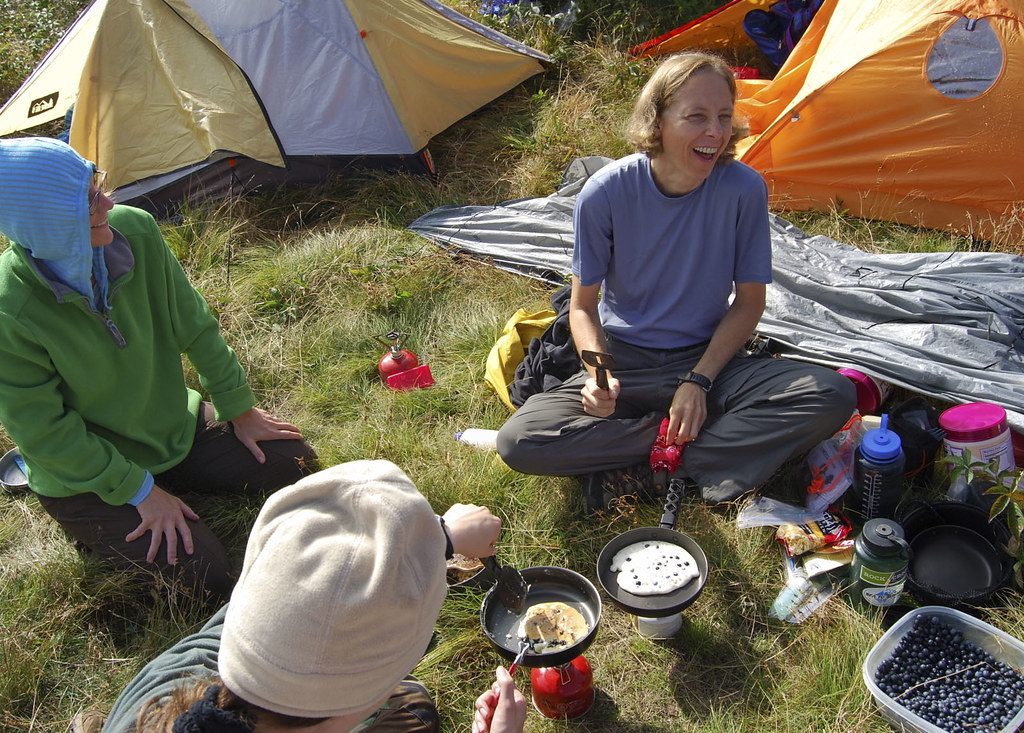
Backpacking Tips for a Memorable Adventure

Backpacking is an exciting and liberating way to travel, allowing you to explore new places on a budget and immerse yourself in local cultures. To ensure a successful and enjoyable backpacking experience, here are some essential tips to keep in mind.

1. Plan and Research:

  • Research your destinations, local customs, and cultures beforehand.
  • Create a flexible itinerary, but also be open to spontaneous experiences.

2. Choose the Right Backpack:

  • Opt for a comfortable and durable backpack that suits your body size and travel needs.
  • Consider a backpack with multiple compartments for easy organization.

3. Pack Light:

  • Pack only essential items to minimize weight and make your journey more comfortable.
  • Choose versatile clothing that can be mixed and matched.

4. Essentials to Pack:

  • Clothing: Bring lightweight, moisture-wicking clothing, a rain jacket, and appropriate footwear.
  • Toiletries: Carry travel-sized toiletries and a quick-drying towel.
  • Sleeping Gear: A lightweight sleeping bag and a compact travel pillow are handy.
  • First Aid Kit: Include essentials like band-aids, pain relievers, and any necessary medications.
  • Documents: Keep photocopies of important documents and a digital copy stored securely.
  • Electronics: Pack a lightweight charger, power bank, and a universal adapter.
  • Cooking Gear: If camping, a compact stove, cookware, and utensils may be necessary.
  • Money: Carry a mix of cash, cards, and a money belt for safety.

5. Stay Organized:

  • Use packing cubes or dry bags to keep your belongings organized and protected.
  • Have a dedicated pouch for important documents, such as your passport and travel insurance.

6. Travel Insurance:

  • Purchase comprehensive travel insurance to cover unforeseen circumstances.
  • Ensure it covers medical emergencies, trip cancellations, and lost belongings.

7. Health and Safety:

  • Stay hydrated, eat well, and prioritize your health.
  • Carry a basic first aid kit and any necessary medications.

8. Budget Wisely:

  • Set a realistic budget and track your expenses using a travel app or journal.
  • Look for budget accommodation, local eateries, and free or low-cost activities.

9. Embrace Minimalism:

  • Embrace the concept of living with less and valuing experiences over material possessions.
  • Donate or discard items you don’t need during your trip.

10. Connect with Locals:

  • Engage with locals to learn about their culture and recommendations.
  • Learning a few phrases in the local language can go a long way.

11. Stay Open-Minded:

  • Be open to trying new foods, experiencing different customs, and adapting to local norms.
  • Embrace challenges as opportunities for growth.

12. Be Responsible:

  • Respect local customs, wildlife, and the environment.
  • Leave no trace and practice sustainable travel habits.

13. Stay Safe:

  • Trust your instincts and prioritize your safety at all times.
  • Be cautious when sharing personal information and avoid risky situations.

14. Stay Connected:

  • Stay in touch with loved ones and share your journey through social media or travel blogs.

15. Enjoy the Journey:

  • Embrace the freedom and spontaneity of backpacking.
  • Be present in the moment and savor the unique experiences.

Remember, backpacking is a personal journey, and everyone’s approach may vary. Tailor these tips to suit your preferences and the specific destinations you plan to visit. Enjoy the adventure and the invaluable memories it brings!


Applying These Tips to Backpacking Across East Africa

While these fifteen principles apply broadly to backpacking anywhere, East Africa’s specific mix of wildlife destinations, border crossings, and varied terrain gives each tip its own local twist, from choosing gear suited to game drives and forest treks rather than city hopping, to researching park-specific entry requirements rather than generic destination customs. All in Africa Safaris can help translate this general backpacking advice into East Africa-specific preparation.

Backpacking Versus a Guided Safari: Finding the Right Balance

Pure independent backpacking works well for city and cultural travel across East Africa, but wildlife areas like national parks and gorilla trekking destinations require licensed guides and permits regardless of your general travel style, meaning most backpackers in the region end up blending independent travel with guided wildlife segments. All in Africa Safaris can arrange these guided segments while leaving the rest of your itinerary flexible and independent.

Setting a Realistic Pace for Your Route

East Africa’s distances between destinations are often larger than first-time backpackers expect, making a slower, less rushed itinerary considerably more enjoyable than an ambitious route that spends more time in transit than at actual destinations.

Backpack Choice for Multi-Terrain East African Travel

A durable, weather-resistant backpack matters even more across East Africa’s mix of dusty savannah roads, humid rainforest treks, and occasional muddy trails, making water resistance and rugged construction genuinely worthwhile features beyond simple comfort and organization. A rain cover for your pack is a small addition that protects your gear during unexpected downpours in forest regions.

Language and Communication on a Budget Route

Basic Swahili phrases in Kenya and Tanzania, or a few Luganda words in Uganda, go a long way toward the kind of genuine local connection backpackers often seek, and cost nothing beyond the small effort of learning them before or during your trip.

Packing Essentials Specific to Wildlife Areas

Beyond the general essentials already covered, East African wildlife travel calls for neutral-colored clothing, sturdy closed-toe shoes for forest treks, and insect repellent given the range of environments from savannah to rainforest. Binoculars, while not essential everywhere, become genuinely valuable during any wildlife-focused stretch of your backpacking route.

Budgeting for a Mixed Backpacking and Safari Trip

While city and cultural travel across East Africa can be genuinely budget-friendly, wildlife activities like gorilla permits and park entrance fees carry fixed costs regardless of travel style, meaning backpackers should budget these wildlife segments separately from their day-to-day independent travel expenses. All in Africa Safaris can provide transparent pricing for the guided portions of your trip so you can budget the rest accordingly.

Packing for Both Independent Travel and Guided Segments

A single well-organized pack can genuinely serve both purposes, holding the versatile essentials needed for independent city and cultural travel while also carrying the specific gear, hiking boots, rain jacket, binoculars, needed for guided wildlife segments woven into the same trip.

Health and Safety Considerations Specific to the Region

Beyond general backpacking health advice, East African travel typically requires malaria precautions and, depending on the country, proof of yellow fever vaccination, making a pre-trip health consultation particularly worthwhile before departure. Staying connected with a local operator for the wildlife segments of your trip also adds a meaningful safety layer beyond typical solo backpacking precautions.

Border Crossings and Documentation for Overland Backpackers

Overland backpackers moving between Uganda, Kenya, Tanzania, and Rwanda should carry multiple photocopies of their passport and visa documents, alongside the East Africa Tourist Visa where applicable, which covers Uganda, Kenya, and Rwanda under a single multi-entry visa. Understanding which border crossings require additional documentation, and building a bit of buffer time into your schedule for crossing delays, keeps an overland route running smoothly.

Digital Tools Worth Downloading Before You Go

Offline maps, a currency converter, and a translation app all prove genuinely useful across a region where connectivity varies considerably between cities and more remote wildlife areas.

Connecting With Other Backpackers Along the Way

Hostels and budget guesthouses across East Africa’s main backpacker circuits offer natural opportunities to meet fellow travelers, share transport costs, and swap firsthand route recommendations that often prove more current than guidebooks. Many backpackers find these connections evolve into informal travel companionships for stretches of their wider East African route.

Public Transport Realities Across the Region

Matatus, buses, and shared taxis form the backbone of budget travel between East African towns and cities, offering genuine cost savings over private transport though with less predictable schedules and comfort levels. Building flexibility into your itinerary, rather than tightly timed connections, helps absorb the inevitable delays that come with relying on public transport across the region.

Choosing Budget Accommodation Near Wildlife Areas

Community-run camps and budget lodges near national parks offer considerably more affordable options than upscale safari lodges, without sacrificing proximity to the wildlife areas that draw most travelers to the region in the first place. All in Africa Safaris can recommend budget-friendly accommodation options near whichever parks feature in your backpacking route.

When It’s Worth Upgrading From Backpacker to Guided Traveler

Even committed backpackers often find that certain experiences, gorilla trekking, multi-day wildlife safaris, mountain climbs, genuinely benefit from professional guiding regardless of budget philosophy, since these activities involve safety and logistical complexity that independent travel simply can’t replicate. Recognizing which parts of your trip call for this shift helps you spend your budget where it matters most.

Bringing It All Together

These fifteen backpacking fundamentals give you a solid foundation, but East Africa’s wildlife destinations reward pairing that independent spirit with the right local guidance at the right moments. All in Africa Safaris can help you plan a trip that blends genuine backpacking freedom with expertly guided access to Uganda, Kenya, Tanzania, and Rwanda’s most remarkable wildlife experiences, wherever your independent route ultimately takes you.

A Final Word for Aspiring Backpackers

Whether your route stays within a single East African country or spans the whole region across Uganda, Kenya, Tanzania, and Rwanda, the fifteen fundamentals covered here hold true, plan thoughtfully, pack light, stay safe, and remain genuinely open to the unexpected. All in Africa Safaris is ready whenever your independent journey calls for expert local support.


Comments are disabled