
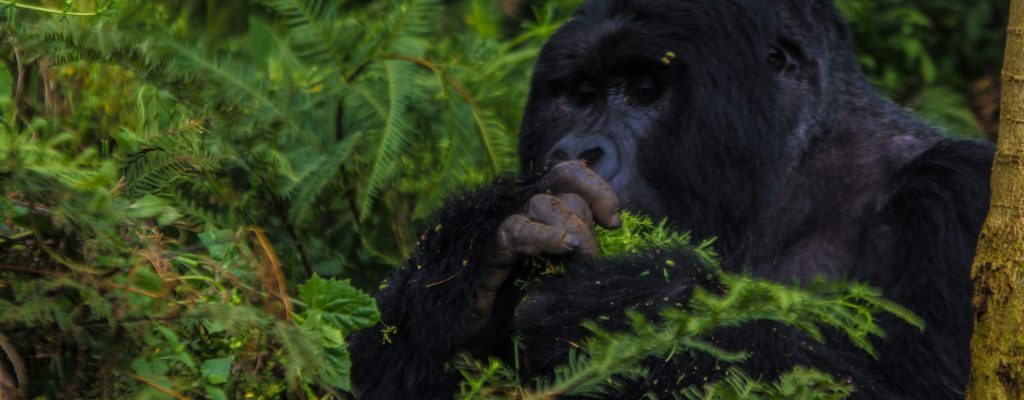
4 Days Gishwati Chimpanzee Trekking and African Cherry Tree Conservation Safari from Kigali
Overview
The 4 Days Gishwati Chimpanzee Trekking and African Cherry Tree Conservation Safari from Kigali takes you to Gishwati-Mukura National Park in western Rwanda. This short wildlife and conservation experience combines chimpanzee tracking, forest walks, birdwatching, indigenous tree conservation and community tourism.
Gishwati Forest is an important habitat for eastern chimpanzees, golden monkeys, L’Hoest’s monkeys, blue monkeys and numerous forest birds. The forest has also experienced significant degradation, making restoration and biodiversity protection important parts of its conservation programme.
A special feature of this safari is its focus on the African cherry tree, locally recognised for its medicinal value and conservation importance. You will also learn about other indigenous tree species, including Syzygium cordatum, Markhamia lutea, Ficus thonningii, Erythrina abyssinica, Macaranga kilimandscharica, Polyscias fulva and Newtonia buchananii. Where arrangements are available with an authorised conservation partner, you can participate in a tree planting activity.
The journey begins in Kigali and continues to Gishwati for three nights. You will explore the forest, search for chimpanzees, learn about Rwanda’s forest restoration work and experience the culture and livelihoods of communities living around the park.
Safari Highlights
- Chimpanzee tracking in Gishwati Forest
- African cherry tree conservation and forest restoration
- Guided forest nature walks
- Opportunities to observe golden monkeys and other forest primates
- Indigenous tree identification and planting activities
- Community visits and cultural experiences
- Scenic countryside drives between Kigali and Gishwati
Prunus africana – African cherry (pygeum)
Main uses: Bark extract used in medicine for prostate health; durable timber; fruit for birds and primates.Why plant it? Over-harvesting has made it Vulnerable (IUCN) and it is listed under CITES Appendix II, so planting it supports both conservation and future community income.
Planted at: Musanze; Gishwati; Kibale; Rwenzori; Bwindi; Mgahinga-Kisoro; Lake Bunyonyi
Detailed Itinerary
Day 1: Arrival in Kigali and Transfer to Gishwati Forest
Upon arrival at Kigali International Airport, you will be welcomed by your professional driver-guide and transferred to Gishwati-Mukura National Park in Rwanda’s Western Province.
Depending on your arrival time, you may enjoy a short Kigali city tour before leaving for Gishwati. Possible stops include the Kigali Genocide Memorial, local craft markets and selected cultural attractions. These visits provide an introduction to Rwanda’s history, culture and development.
After lunch, begin the drive towards Gishwati. The journey takes you through Rwanda’s rolling hills, rural settlements, agricultural landscapes and tea-growing areas. Enjoy the scenery as you approach the Western Province and the forested landscapes surrounding the park.
Arrive near Gishwati in the afternoon and check into your accommodation. Spend the rest of the day relaxing and enjoying the peaceful surroundings. Your guide will brief you about the following day’s chimpanzee tracking experience, including the expected walking conditions and forest regulations.
Accommodation Options
Budget: Forest of Hope Guest House, subject to availability
Mid-range: Selected guesthouse or lodge near Gishwati, subject to availability
Luxury: Gishwati Lodge, subject to availability
Meals: Lunch and Dinner
Day 2: Chimpanzee Tracking in Gishwati Forest
After an early breakfast, proceed to the park reception for registration and a briefing from the ranger guides. Learn about chimpanzee behaviour, forest conservation and the rules to follow during your tracking experience.
Accompanied by experienced guides and trackers, enter Gishwati Forest in search of its chimpanzee community. Walk through the montane rainforest, observing indigenous trees, forest vegetation and signs of wildlife activity.
Chimpanzees move through the forest in search of food. They communicate through calls, travel through the trees and sometimes descend to the ground. Your guides will interpret signs of their presence and work with trackers to locate the group.
Once the chimpanzees are found, spend the permitted viewing time observing their natural behaviour. Watch them feed, groom, communicate and interact with other members of the community. Depending on the conditions and animal movements, you may also encounter golden monkeys, L’Hoest’s monkeys and blue monkeys.
After the tracking experience, return to the park reception or your lodge for lunch. Spend the afternoon relaxing or enjoy a short guided walk around the surrounding area.
Return to your accommodation for dinner and an overnight stay.
Accommodation
As above
Meals: Breakfast, Lunch and Dinner
Day 3: African Cherry Tree Conservation, Forest Walk and Birdwatching
After breakfast, head into Gishwati Forest for a guided nature walk focusing on indigenous trees, forest biodiversity and restoration. Your guide will introduce you to the importance of native vegetation in protecting wildlife habitats, stabilising soil and maintaining water catchments.
The main conservation focus of the day is the African cherry tree. This well-known African forest tree is valued for its traditional medicinal uses. Its bark has been harvested for medicinal products, making responsible management and conservation important for its long-term survival.
Learn about the African cherry tree’s role in forest ecosystems and the need to protect mature trees and encourage appropriate regeneration. Your guide will also introduce you to other indigenous species selected for the conservation programme:
- Syzygium cordatum
- Markhamia lutea
- Ficus thonningii
- Erythrina abyssinica
- Macaranga kilimandscharica
- Polyscias fulva
- Newtonia buchananii
- Prunus africana
Where arrangements have been made with a local conservation organisation, participate in a tree planting activity. Learn about seedling preparation, suitable planting locations and the correct methods of planting and caring for young trees. The conservation partner should confirm which species are appropriate for the selected site and available for planting.
Continue with birdwatching along selected forest trails. Gishwati-Mukura is part of the Albertine Rift, a region known for its diverse forest birdlife. Look out for turacos, sunbirds, woodhoopoes, warblers and other forest species. A knowledgeable local guide can help identify birds through their calls, colours and behaviour.
In the afternoon, visit a nearby community project. Depending on availability, activities may include traditional handicrafts, beekeeping, tea production or local cultural performances. Interact with residents and learn how community initiatives contribute to local livelihoods and forest conservation.
Return to your lodge for dinner and overnight.
Accommodation
As above
Meals: Breakfast, Lunch and Dinner
Day 4: Community Experience and Return to Kigali
After breakfast, enjoy a final morning around Gishwati. Depending on your departure schedule, visit a nearby tea plantation or participate in a short community activity.
A tea plantation visit provides an opportunity to learn about tea cultivation, harvesting and processing. You can interact with local farmers and enjoy views of Rwanda’s green countryside.
Alternatively, visit a community initiative involved in handicrafts, beekeeping or traditional cultural activities. These experiences offer a closer understanding of rural life in the Western Province and the relationship between surrounding communities and forest conservation.
After the visit, depart Gishwati and drive back to Kigali. Enjoy the countryside scenery along the way, with a possible stop for lunch or photographs.
Upon arrival in Kigali, transfer to Kigali International Airport for your departure flight or to your hotel if you are extending your stay.
Meals: Breakfast and Lunch
Optional Activities
Gishwati-Mukura National Park
- Additional guided forest nature walks
- Birdwatching excursions with a local guide
- Forest photography walks
- Indigenous tree identification
- African cherry tree conservation activities
- Tree planting with an authorised conservation partner
- Waterfall walks where available
- Additional primate observation, subject to park arrangements
Community Experiences
- Tea plantation and production tour
- Traditional medicine experience
- Beekeeping and honey processing
- Local handicraft workshops
- Traditional dance and cultural performances
- Community farm visits
- Local food preparation experiences
Kigali City
- Kigali Genocide Memorial visit
- Inema Arts Centre
- Kimironko Market
- Rwanda Art Museum
- Kigali city sightseeing
- Local coffee tasting
Frequently asked questions
Q1. Why do conservation trips include tree planting?
A. Trees restore forest habitat, protect soil and streams on steep hillsides, store carbon and give nearby communities wood, fruit and income. Planting alongside local partners ties your visit to a lasting
benefit for the places you travel through.
Q2. When is the best time to plant?
A. Rwanda roughly September to December and March to May; Uganda roughly March to May and September to November. These are the rainy periods, when young trees are most likely to survive. Trips
outside these months can still include nursery work and aftercare.
Q3. How much planting will I do?
A. It depends on the planting level. Compact has a half-day of planting at each planting stop; Extended adds a night per stop so planting fills a full day; Immersive adds an extra day at the hub (Kigali or
Entebbe) for nursery work and an aftercare visit. Exact tree numbers depend on the site and group size and are confirmed with the local partner.
Q4. Why were these particular tree species chosen?
A. Each site has four species suited to its altitude and habitat, mostly natives, with a few widely used farm trees such as Grevillea robusta and Alnus acuminata. The list is a draft from general knowledge,
so it should be confirmed with local foresters and nurseries.
Q5. Can the tree species be changed?
A. Yes. Edit the yellow species column on the Locations sheet to change a site for all packages, or use the manual override column on a package sheet to change one package only.
Q6. Do I need experience or special fitness?
A. No planting experience is needed; guides show you how. Expect light digging and walking on uneven, sometimes steep ground, so a moderate level of fitness helps, particularly at altitude in the Virunga
and Rwenzori areas.
Q7. What should I bring for planting days?
A. Sturdy closed shoes, long trousers, a sun hat, a light rain jacket, sunscreen, insect repellent and a refillable water bottle. Ask your operator whether gloves and tools are supplied.
Q8. Do planting activities need permits or approvals?
A. Planting at or near protected areas and on community land needs approval from the relevant bodies, for example RDB in Rwanda, UWA and NFA in Uganda, local governments and landowners. These
must be confirmed before any package is sold.
Q9. Who looks after the trees after I leave?
A. Aftercare (watering, weeding, protecting seedlings) is normally handled by the local partner or host community, and Immersive packages include an aftercare visit. Arrangements should be agreed for
each site.
Q10. Are gorilla, chimpanzee and park permits included?
A. Wildlife trekking and park entry permits are usually priced and booked separately from planting activities. Pricing and inclusions have not been set in this draft, so confirm what each package includes
before selling it.
Tour Includes
- Travel in a 4×4 car
- Professional guide
- Park fees
- Accommodation
- Meals
- All Activities In Itinerary
Tour Excludes
- Alcoholic drinks
- Laundry
- Tips
- Shopping
- Insurance
- Anything not included per itinerary
Chimpanzee Tracking in Gishwati Forest
Gishwati Forest is an important habitat for eastern chimpanzees in Rwanda. Tracking provides visitors with an opportunity to learn about these intelligent primates and the conservation challenges facing their forest habitat.
The experience begins with a ranger briefing before visitors enter the forest with guides and trackers. The team searches for signs of chimpanzee activity and follows their movements through the vegetation.
When the chimpanzees are located, visitors observe their natural behaviour during the permitted viewing period. They may see individuals feeding, grooming, communicating or moving through the forest canopy.
Gishwati also supports other primates, including golden monkeys, L’Hoest’s monkeys and blue monkeys. Wildlife sightings depend on animal movements, forest conditions and the effectiveness of the day’s tracking effort.
Practical Notes
Gishwati-Mukura National Park is located in western Rwanda and consists of two separate forest blocks, Gishwati and Mukura. This itinerary focuses on Gishwati Forest, where chimpanzee tracking and the proposed forest conservation activities take place.
Chimpanzee tracking involves walking through natural forest terrain. The duration depends on the location and movements of the chimpanzees. Visitors should be prepared for steep, muddy and sometimes slippery trails. A reasonable level of physical fitness is recommended.
Pack comfortable hiking boots, long trousers, long-sleeved shirts, a rain jacket, insect repellent, drinking water, binoculars and a camera. Follow the ranger’s instructions during wildlife encounters and respect the required viewing distance.
Accommodation options around Gishwati are more limited than in Rwanda’s established safari destinations. Confirm the selected property’s availability before finalising travel arrangements.
Chimpanzee tracking permits and park activities should be arranged in advance through the relevant park authorities or an authorised tour operator. Confirm current tracking availability, reporting times and applicable fees before booking.
The African cherry tree conservation and planting activity should be coordinated with a qualified local conservation partner. The partner should confirm the availability of seedlings, appropriate planting locations and arrangements for monitoring and caring for planted trees.
Best Time to Visit Gishwati-Mukura National Park
Gishwati-Mukura National Park can be visited throughout the year. However, the drier periods from June to September and December to February generally provide more convenient conditions for forest walks and chimpanzee tracking.
During these months, trails are often easier to navigate, although rainfall can still occur in the montane forest. The wetter periods, particularly March to May and October to November, bring lush vegetation and good birdwatching opportunities. Trails can become muddy, so visitors should prepare for more challenging walking conditions.
Travellers interested in tree planting should coordinate their visit with local conservation partners. The timing of planting depends on rainfall, seedling availability and the restoration programme’s schedule.
African Cherry Tree Conservation in Gishwati
The African cherry tree is an important indigenous tree associated with African montane forests. It is widely recognised for its traditional medicinal value, particularly the use of its bark in herbal preparations. Demand for its bark has placed pressure on wild populations in some areas, making responsible harvesting and conservation important.
In Gishwati, the proposed conservation activity introduces visitors to the importance of protecting indigenous forest trees. Participants can learn how native trees contribute to forest structure, wildlife habitats, soil protection and the recovery of degraded landscapes.
The conservation programme also includes seven other proposed tree species: Syzygium cordatum, Markhamia lutea, Ficus thonningii, Erythrina abyssinica, Macaranga kilimandscharica, Polyscias fulva and Newtonia buchananii.
Tree planting should take place with an authorised local conservation partner. The partner should select suitable species for each location and provide guidance on seedling care and long-term monitoring. This ensures that planting activities support the natural forest rather than introducing unsuitable species.
Birdwatching in Gishwati-Mukura National Park
Gishwati-Mukura is an important birdwatching destination within Rwanda’s Albertine Rift. Its forest habitats support a variety of forest birds, including regional specialists and species associated with montane vegetation.
Birdwatching walks take visitors through selected forest trails where they can search for turacos, sunbirds, woodhoopoes, warblers and other forest birds. The forest also provides opportunities to observe butterflies, insects and smaller wildlife.
A knowledgeable local bird guide can help identify species by their calls, plumage and behaviour. Visitors interested in bird photography should carry binoculars and a camera with a suitable zoom lens.
Community Tourism Around Gishwati
Communities surrounding Gishwati-Mukura play an important role in the conservation of the forest. Community tourism gives visitors opportunities to learn about local livelihoods while supporting activities that benefit residents.
Experiences may include visits to tea plantations, traditional medicine practitioners, handicraft groups, beekeeping projects and cultural performance groups. These visits provide a closer understanding of rural life in western Rwanda.
Community involvement is also important for forest restoration. Local residents can contribute through tree nursery management, seedling care, environmental education and activities that reduce pressure on natural forest resources.
By including community experiences in this safari, travellers gain a broader understanding of Rwanda’s conservation work and the relationship between local livelihoods and the protection of Gishwati Forest.
Get Your Tailored 15 Days Kenya , Rwanda and Uganda safari
Uganda Safari Photos
Our Green Spot Campaign
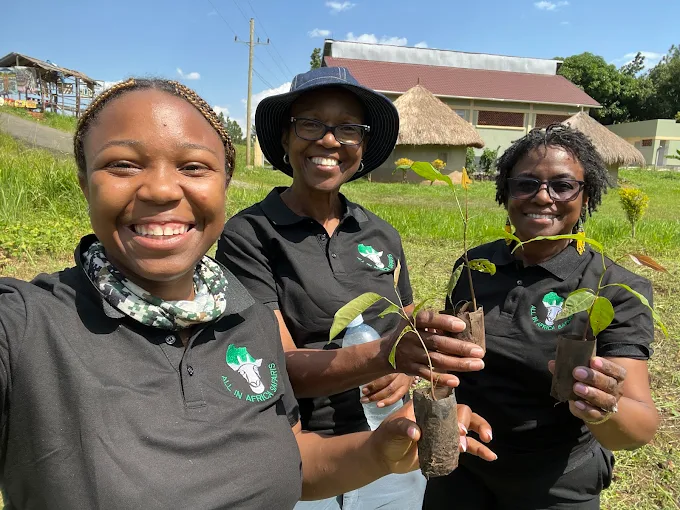
Every safari with us supports our Green Spot Campaign — planting trees across Uganda’s communities. Learn more & get involved →
All in Africa Safaris arranges tours to Uganda, Rwanda, Kenya and Tanzania
3 Days Murchison Falls Safari
Discover the Wildlife in the Murchison Falls National Park with engagement with a boat cruise and game drives which lead to a nature walk on top of the falls
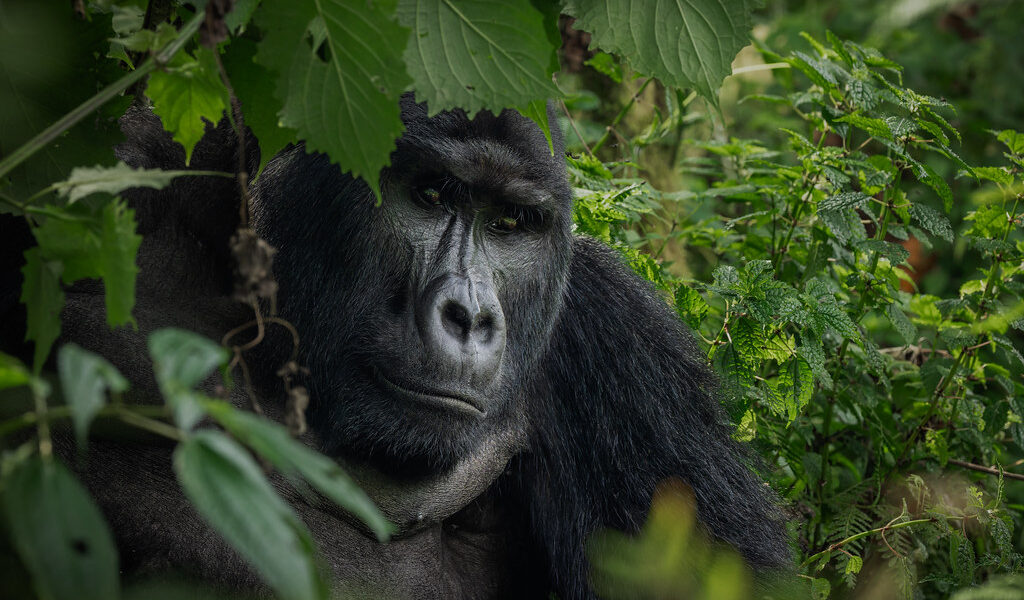
4 Days Gorillas & Queen Wildlife
Visit the magical national parks of Uganda known as Bwindi Forest and Queen Elizabeth National Park including gorilla trekking and wildlife views for travelers
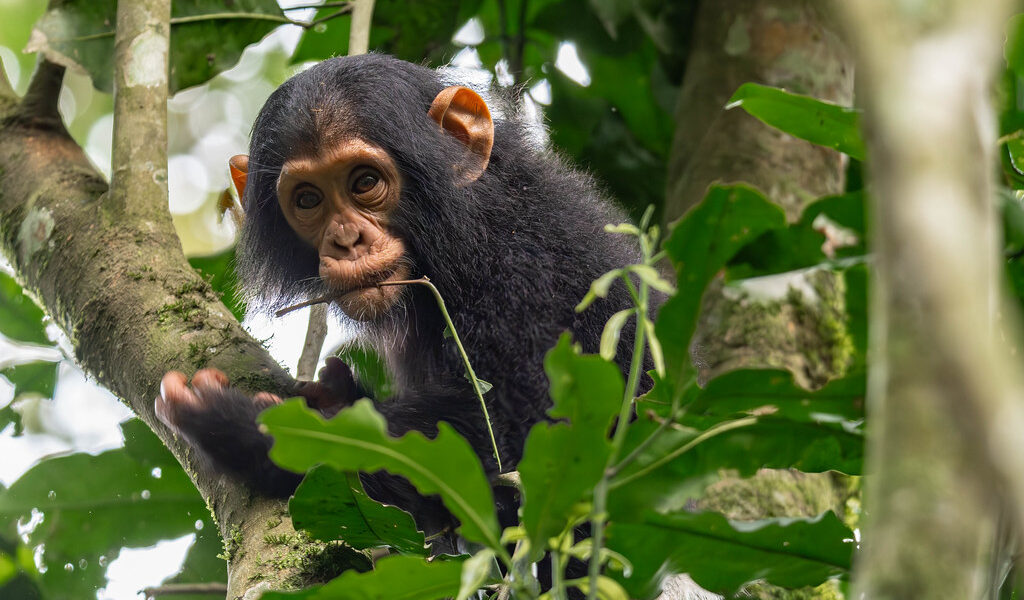
5 Days Gorillas & Chimps Track
Explore the great Mgahinga National Park conserving and protecting the endangered Mountain gorillas & chimpanzees in the pearl of Africa
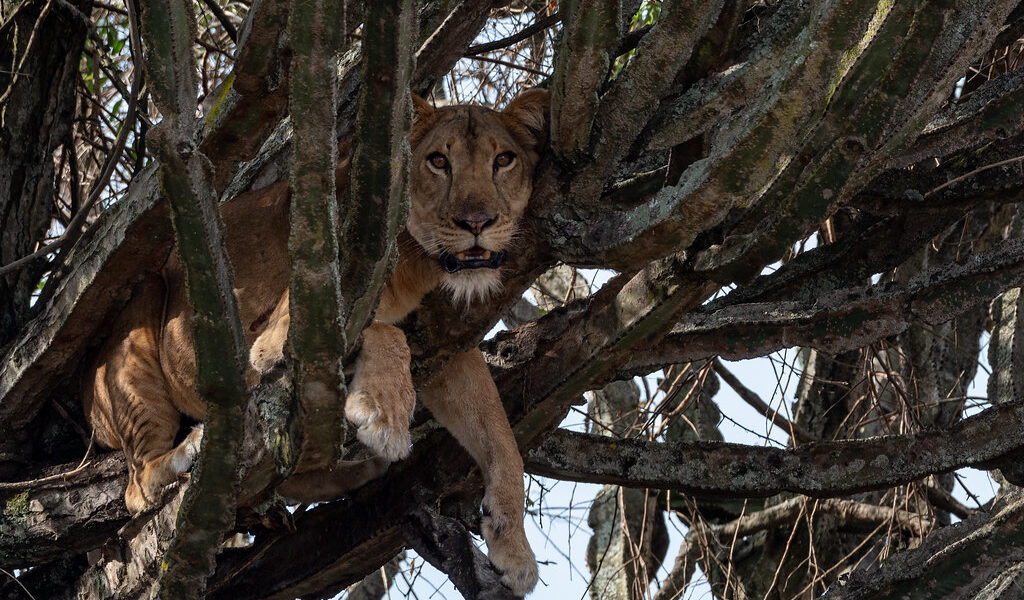
6 Days Uganda Safari
Visit the magical national parks of Uganda known as Bwindi Forest and Queen Elizabeth National Park which include the gorilla trekking and wildlife views
1 Day Bwindi Gorilla Tour from Kigali
A fast-paced day trip from Kigali into Bwindi Impenetrable Forest for a single unforgettable hour with a mountain gorilla family
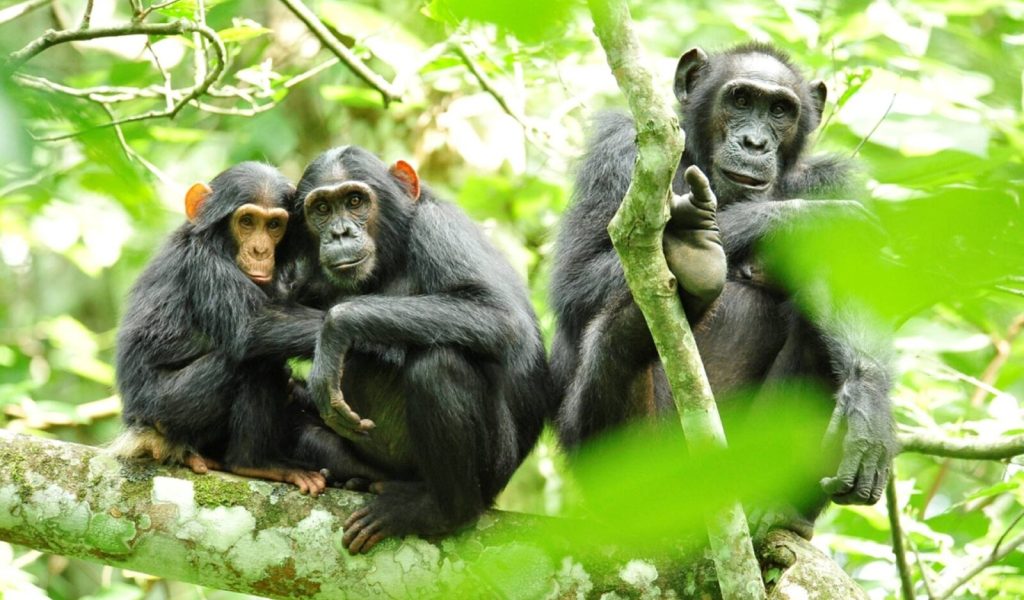
3 Days Chimpanzee Tracking in Kibale
Track chimpanzees through Africa’s primate capital, Kibale Forest, alongside a community walk through Bigodi Wetland Sanctuary
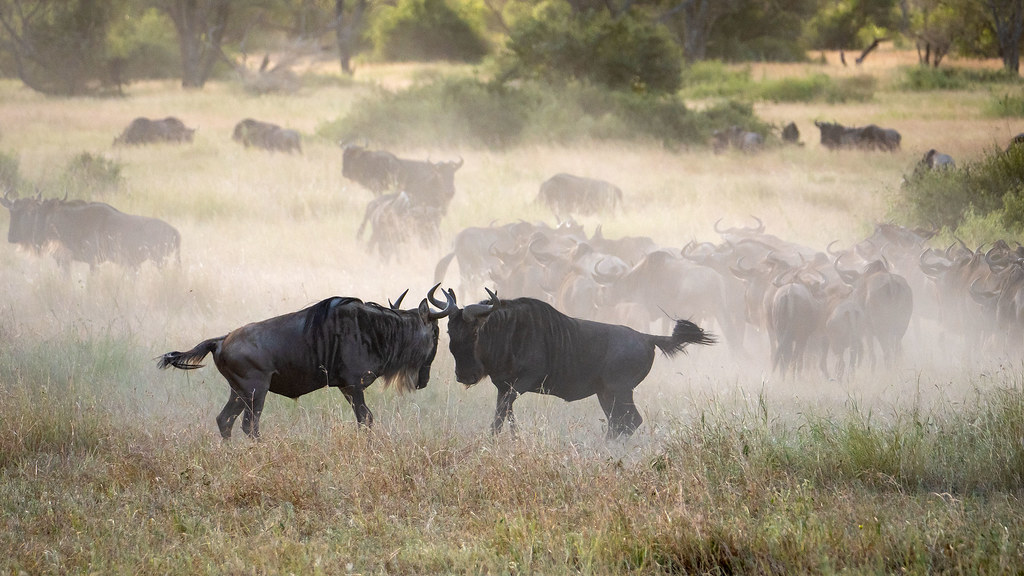
4 Days Kidepo Valley Wildlife Safari
Venture into Uganda’s most remote wilderness for cheetahs, ostriches and dramatic mountain scenery few visitors ever see

7 Day Kidepo and Sipi Safari
Combine Kidepo Valley’s wild plains with waterfall hikes and coffee tours in the Sipi Falls region
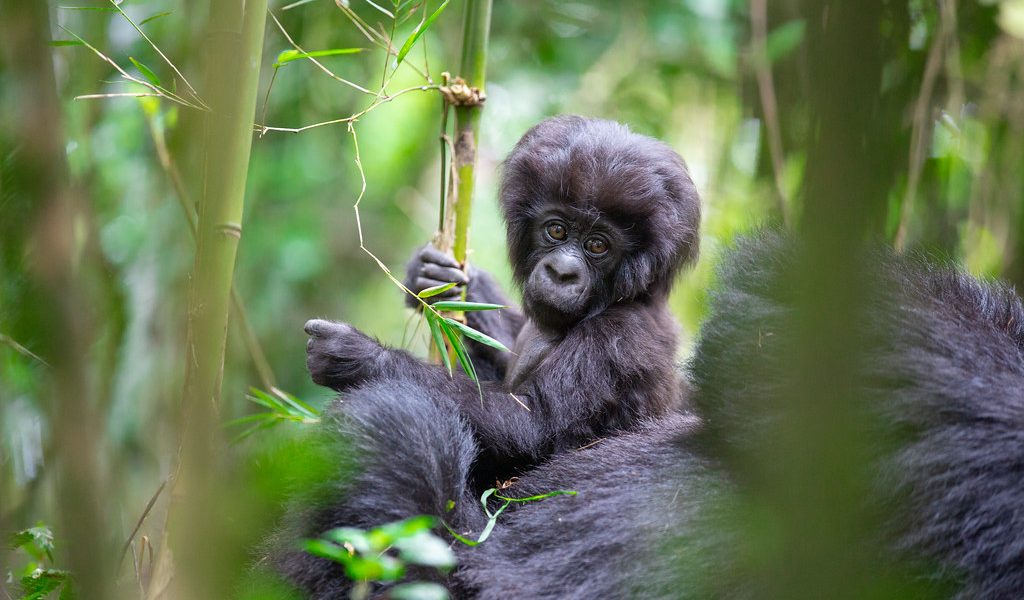
10 Days Rwanda Uganda Safari
A complete circuit through Volcanoes, Bwindi, Queen Elizabeth and Kibale for gorillas, chimps and classic wildlife
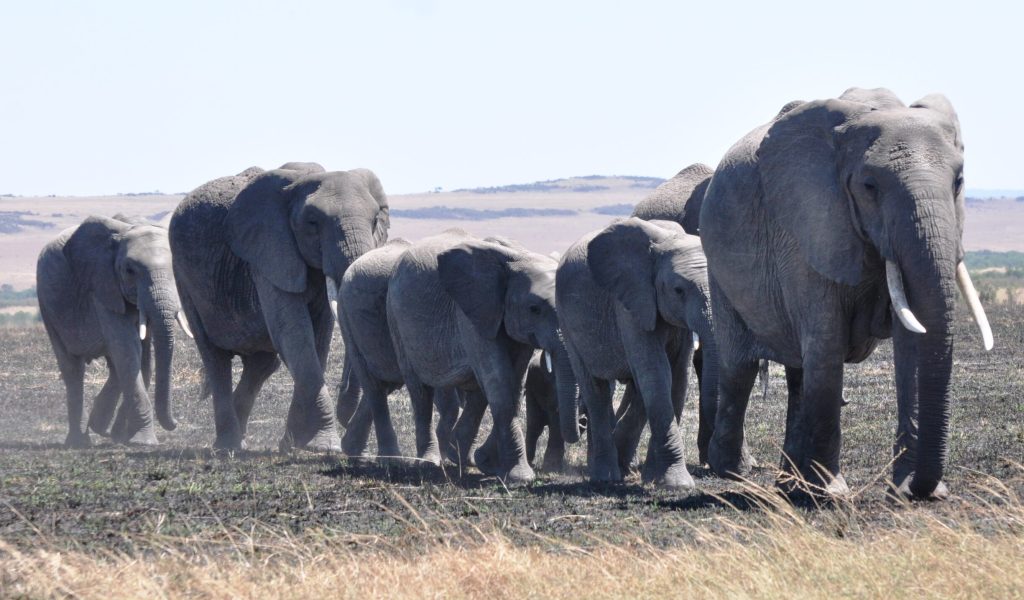
12 Days Uganda Leisure Holidays
An unhurried two-week journey through Murchison Falls, Kibale, Queen Elizabeth, Bwindi and Lake Mburo
14 Days Uganda Northern Circuit
Explore Kidepo Valley, Murchison Falls and Sipi Falls on this off-the-beaten-path northern adventure
15 Days Uganda Safari
Uganda’s full highlight reel across two relaxed weeks of gorillas, chimps, wildlife and scenic countryside