
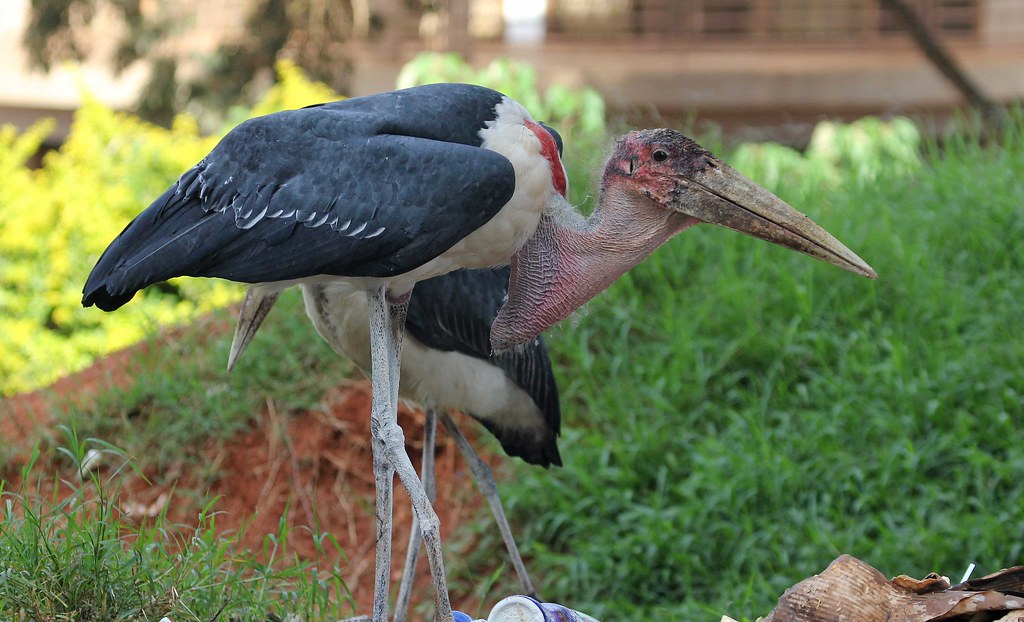
Birding during the rainy season: Why it can be the best time
Many travellers plan birdwatching safaris in East Africa around the dry season because roads are easier to use, forest trails are less muddy and wildlife viewing is generally more convenient. However, experienced birdwatchers know that the rainy season can offer some of the most rewarding birding opportunities of the year. Rainfall changes bird behaviour, encourages breeding activity, attracts migratory species and transforms wetlands, forests and grasslands into productive feeding habitats.
Uganda, Kenya, Tanzania and Rwanda all experience seasonal changes in rainfall, although the timing and intensity vary between countries and individual regions. During wetter months, many resident birds become more vocal, build nests, display their breeding plumage and search actively for food. Migratory birds from Europe, Asia and other parts of Africa also visit the region, adding species that may be absent during some of the drier months.
For birdwatchers interested in breeding behaviour, seasonal visitors, colourful plumage and active feeding, the rainy season can be an excellent time to travel. You may see weavers constructing nests, sunbirds visiting flowering plants, herons feeding in newly flooded wetlands and raptors searching over green grasslands. Forests also become particularly interesting as birds respond to changing food supplies and breeding conditions.
Rain does bring practical challenges. Some roads become difficult to use, trails can be slippery and heavy showers may interrupt outdoor activities. The best approach is to understand what the wet season offers, choose suitable destinations and plan your birdwatching around local weather conditions.
Migratory birds increase the variety of species
One of the strongest reasons to consider rainy-season birding is the arrival of migratory birds. East Africa receives visitors from Europe and Asia during the northern winter, as well as species that move between different parts of Africa in response to rainfall and food availability.
These seasonal visitors increase the number of species available to birdwatchers. Depending on the location and month, you may encounter European bee-eaters, barn swallows, yellow wagtails, sandpipers, warblers, raptors and other migrants alongside resident African birds.
Palearctic migrants are birds that breed in Europe and northern Asia but travel south to spend part of the year in warmer regions. Many arrive in East Africa from around September or October, with large numbers present between November and March. Some remain until April or May before returning north to breed.
Their movements do not follow one exact calendar. Weather conditions, migration routes, food availability and the location of suitable habitats influence arrival and departure dates. Some birds pass through East Africa rather than remaining for the entire northern winter.
In wetlands, migrant waders can be particularly interesting. Sandpipers, plovers and other shorebirds use muddy margins and shallow water to feed on insects, worms and small aquatic animals. When rainfall changes water levels, the available feeding areas also change.
In open grasslands, migratory swallows and other aerial insect-eaters may be seen feeding over the landscape. Raptors can also become more noticeable during migration periods, especially where suitable food and resting areas are available.
For birdwatchers, the rainy season provides an opportunity to combine resident species with seasonal visitors. This can make a trip more rewarding if your main objective is to record a wide range of birds rather than concentrate only on a few specialist species.
Breeding activity makes birds more visible
Rainfall influences the breeding cycles of many African birds. In areas where food becomes more abundant after rain, birds may begin nesting, defending territories and displaying to attract mates.
This behaviour can make certain species easier to locate. Male birds may sing repeatedly from exposed branches, perform courtship displays or defend feeding and nesting areas against competitors. Other species become more active as they search for nesting material and suitable places to raise their young.
Weavers are among the most interesting birds to observe during breeding periods. Male weavers construct elaborate nests using strips of grass and other plant material. Depending on the species, you may see them collecting fresh grass, weaving hanging structures or displaying near completed nests.
Widowbirds and whydahs can also become particularly striking during breeding periods. Some males develop elongated tail feathers and more conspicuous plumage. Their displays can provide excellent opportunities for observation and photography.
In forests, breeding activity may be less obvious because birds are often hidden by vegetation. However, increased calling, territorial behaviour and regular movement between feeding areas can help experienced guides locate them.
Breeding seasons differ between species and habitats. Not every bird nests during the rainy season, and some species breed during drier periods. Even within the same country, highland forests, lowland wetlands and semi-arid savannahs may follow different seasonal patterns.
Green landscapes attract insects and feeding birds
Rain transforms many East African habitats. Dry grasslands become greener, trees produce fresh leaves and flowers, and wetlands receive additional water. These changes influence the availability of food for birds.
Insects often become more abundant when vegetation grows and moisture levels increase. Caterpillars, termites, beetles, grasshoppers and other invertebrates provide food for many species.
Insect-eating birds respond to this increase by searching vegetation, catching insects in flight and feeding in open areas. Bee-eaters may hunt from exposed branches, flycatchers launch from perches to catch flying insects, and warblers search leaves and small branches.
The emergence of winged termites after rain can create particularly exciting feeding opportunities. Several bird species may gather around termite flights, catching insects in the air or collecting them from the ground. Swallows, starlings, bee-eaters and other insect-eating birds may take advantage of these temporary food supplies.
Rain can also improve feeding conditions for birds that depend on seeds, fruits and nectar. Flowering plants attract sunbirds, while fruiting trees may bring turacos, hornbills, barbets and other fruit-eating species into view.
In semi-arid habitats, the effect of rain can be especially noticeable. Areas that were quiet during prolonged dry periods may become active when vegetation and insect populations increase. This makes seasonal rainfall important for birdwatchers visiting dry-country destinations in Kenya and Tanzania.
Wetlands become productive birdwatching habitats
East Africa contains some of Africa’s most important wetlands, and rainfall can significantly change their birdlife. As water levels rise, new feeding areas become available for waterbirds, while flooded vegetation attracts insects, fish, frogs and other aquatic animals.
Herons, egrets, storks, jacanas, kingfishers and other wetland species respond to these changing conditions. Some feed along newly flooded grassland, while others search shallow water or move between channels.
In Uganda, Mabamba Bay is one of the most interesting wetlands for birdwatching. Its papyrus swamps and shallow channels support the shoebill and many other wetland birds. Seasonal water levels influence where birds feed and how easily boats can move through particular channels.
The rainy season can make the surrounding landscape particularly green and attractive, but heavy rainfall may affect access and boat arrangements. A local guide can help determine suitable channels and the best time to visit.
The Kazinga Channel in Queen Elizabeth National Park also offers excellent wetland birding. During a boat excursion, you may encounter African fish eagles, pied kingfishers, malachite kingfishers, herons, egrets, cormorants and other water-associated birds. The species and numbers present vary with water conditions and seasonal food availability.
In Kenya, Lake Naivasha and the Rift Valley wetlands attract numerous waterbirds. Rainfall influences water levels and the amount of suitable feeding habitat. Migratory waders may use shallow margins when conditions are favourable, while resident species remain active around the lake.
Tanzania has productive wetlands around Lake Manyara, the Rufiji River system and seasonal floodplains in several protected areas. Rwanda’s Akagera National Park also contains lakes, papyrus swamps and marshes that attract different waterbird species.
Higher water levels do not automatically mean more birds at every wetland. Some species prefer shallow feeding areas, so heavy rainfall and flooding can temporarily reduce the amount of suitable habitat. Birdwatchers should consider local water conditions rather than assuming that every wetland is best immediately after rain.
Forest birding can be particularly rewarding
East African forests support many specialist bird species, including birds restricted to particular mountain ranges and forest regions. During rainy periods, forest vegetation becomes lush, food supplies change and some species become more active around breeding territories.
Uganda’s Bwindi Impenetrable National Park is especially important for birdwatchers interested in Albertine Rift species. The forest supports many birds with restricted distributions, making it a major destination for specialist birding.
Rainy conditions can produce excellent opportunities to observe forest birds, although heavy showers may reduce visibility and make trails difficult. Some species may call actively, while others remain high in the canopy or move through dense vegetation.
Kibale Forest is another productive destination. Its forest and surrounding wetland habitats support turacos, greenbuls, barbets, flycatchers, kingfishers and many other species. A guided walk can help you locate birds by their calls and feeding behaviour.
In Rwanda, Nyungwe National Park is a major forest birding destination. Its highland forest supports numerous species, including birds associated with the Albertine Rift. Rain can make some trails slippery, but the forest remains valuable for birdwatching throughout the year.
Tanzania’s Eastern Arc Mountains also offer interesting forest birding. The Usambara, Uluguru and Udzungwa mountain areas contain important forest habitats and species with restricted ranges. Some sites require specialist guides and careful planning because access can be challenging during heavy rainfall.
The main advantage of forest birding during wetter periods is the possibility of observing birds when they are calling, feeding and breeding. However, rainfall does not guarantee increased visibility. A good guide and a flexible schedule remain important.
Birds develop brighter breeding plumage and perform displays
Some bird species become particularly attractive during breeding periods. Males may develop more conspicuous feathers, elongated tails or brighter colours that help attract females and defend territories.
Widowbirds are good examples. During the breeding season, males of several species develop long tail feathers that are especially noticeable during flight and courtship displays. Their behaviour can make them easier to recognise in open grassland.
Some bishops also become more colourful during breeding periods. Red, black and yellow plumage can make these birds stand out against green vegetation.
Weavers may display around nesting colonies, while sunbirds can become active around flowering plants. These changes provide useful opportunities for bird photographers who want to capture natural courtship and feeding behaviour.
However, breeding plumage does not develop at exactly the same time in every region. Rainfall patterns, altitude, species and local food availability all influence breeding cycles. If you are travelling to see a particular bird in breeding plumage, ask a specialist local guide about the expected timing.
Rainy-season birding offers opportunities to see young birds
The rainy season and the months that follow can provide opportunities to observe young birds and family groups. Many species time breeding to coincide with periods when food is readily available, improving the chances of feeding their chicks.
You may see adult birds carrying insects to nests, weavers visiting nesting colonies, or young birds following their parents while learning to find food.
Some young birds have plumage that differs from adults. Juvenile raptors, for example, may have noticeably different feather patterns from mature birds. Young herons, storks and other waterbirds can also have distinctive markings.
Watching family groups provides an opportunity to learn about bird behaviour. You may observe adults warning young birds about danger, sharing food or guiding them between feeding areas.
These observations require care. Nesting birds and young birds are particularly vulnerable to disturbance. Keep your distance, avoid approaching nests and do not use recorded calls to attract adults away from their young. If birds show signs of distress, move away and allow them to continue their normal activities.
The rainy season can improve bird photography
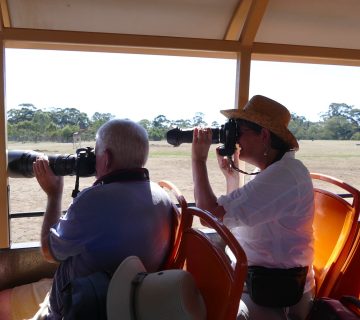
Bird photography can be particularly rewarding during the rainy season because of the softer light, green backgrounds and increased bird activity.
Cloud cover often reduces harsh sunlight. This can help photographers capture feather details without the strong highlights and deep shadows that occur under intense midday sunshine.
Green vegetation also creates attractive natural backgrounds. Sunbirds feeding on flowers, weavers carrying nesting material and bee-eaters perched above grassland can all make interesting subjects.
Rainy conditions may also provide opportunities to photograph birds interacting with water. You might capture a kingfisher returning to a perch with a fish, a heron hunting in shallow water or a bird shaking water from its feathers after a shower.
However, cloudy weather reduces available light. You may need to increase your camera’s ISO setting or use a wider aperture to maintain a sufficiently fast shutter speed. A telephoto lens with image stabilisation can be useful, although it does not replace the need for an appropriate shutter speed when photographing moving birds.
For perched birds, a shutter speed around 1/1000 second can be a practical starting point. For birds in flight, you may need 1/2000 second or faster. Adjust these settings according to the light, lens and movement of your subject.
Protect your camera and binoculars from rain. A waterproof camera cover, dry bag and microfibre cloth can help keep equipment usable during wet conditions. Avoid changing lenses in exposed areas where rain or moisture can enter the camera body.
The rainy season can be quieter at popular birding destinations
Some travellers avoid East Africa during the heavier rainy months because of concerns about road conditions and outdoor activities. This can create quieter periods at certain destinations, particularly outside major holiday dates.
Fewer visitors may mean a more relaxed experience at birding sites. You may have more time with a local guide, less competition for good viewing positions and greater flexibility when planning walks or boat trips.
This is particularly useful for birdwatchers who prefer spending time at one location rather than following a busy safari schedule. A quiet forest trail or wetland excursion can allow you to concentrate on calls, behaviour and identification.
However, visitor numbers and prices vary by destination. Some lodges and tour operators offer seasonal rates, while others maintain similar prices throughout the year. Check accommodation costs and park fees before assuming that the rainy season will always be cheaper.
The main financial advantage often comes from travelling outside the busiest holiday periods and selecting accommodation that suits your budget.
Best rainy-season birding destinations in Uganda
Uganda has a wide variety of birding habitats, including tropical forests, papyrus wetlands, lakes, rivers, savannah and highland environments. This makes it possible to plan rainy-season birding around several different ecosystems.
Mabamba Bay
Mabamba Bay is an important destination for birdwatchers searching for the shoebill. The papyrus wetland also supports numerous other waterbirds, including herons, egrets, jacanas, kingfishers and papyrus-associated species.
The rainy season can change water levels and feeding locations. A local boat guide can help identify suitable areas and adjust the route according to conditions. Heavy rain may interrupt an excursion, so keep your schedule flexible.
Bwindi Impenetrable National Park
Bwindi is one of Uganda’s most important forest birding destinations. It supports many Albertine Rift species and is particularly attractive to birdwatchers interested in restricted-range forest birds.
The rainy season can make trails muddy and slippery. Choose suitable footwear, carry waterproof clothing and allow additional time for walking. A specialist bird guide can help you search for species that are difficult to locate without knowledge of their calls.
Kibale Forest
Kibale offers forest birding and access to nearby wetland habitats. Its combination of forest and community-managed conservation areas makes it useful for birdwatchers interested in different species groups.
Bigodi Wetland Sanctuary is particularly worth considering if you want to combine forest-edge birding with wetland species. A guided walk can provide opportunities to observe turacos, kingfishers, weavers and other birds.
Queen Elizabeth National Park
Queen Elizabeth National Park contains several habitats, including savannah, woodland, wetlands and riverine vegetation. This variety makes it possible to search for different bird groups during one visit.
The Kazinga Channel is particularly useful for waterbirds, while the Kasenyi Plains and surrounding woodland offer opportunities to observe savannah species and raptors. Rain can affect road conditions in some areas, so check access with your guide before travelling.
Murchison Falls offers a mixture of open grassland, woodland, riverine forest and wetland habitats. The Nile provides opportunities to observe fish eagles, kingfishers, herons and other water-associated birds.
The park is also important for birdwatchers searching for the shoebill in suitable wetland areas, particularly around the Nile Delta. Seasonal water levels influence where birds can be found, and sightings are never guaranteed.
Best rainy-season birding destinations in Kenya
Kenya’s birding opportunities extend beyond the famous Maasai Mara and other major wildlife parks. The rainy season can be particularly interesting around lakes, forests and grasslands.
Maasai Mara
The Maasai Mara supports a large variety of resident birds and seasonal migrants. During wetter months, grasslands become greener and insect activity can increase.
You may encounter bee-eaters, rollers, weavers, starlings, vultures, eagles and many other species. Some birds become more conspicuous during breeding periods, while migratory species add to the variety.
Road conditions can change after heavy rain, particularly on unpaved routes. A local guide should help select suitable areas and adjust the day’s route.
Lake Naivasha
Lake Naivasha is a productive destination for waterbirds. African fish eagles, herons, cormorants, kingfishers and other species can be observed around the lake and its surrounding vegetation.
The rainy season can change shoreline conditions and the availability of shallow feeding areas. Boat trips are useful for exploring parts of the lake, but operators should assess weather and water conditions before departure.
Lake Nakuru
Lake Nakuru National Park supports waterbirds, raptors and numerous savannah and woodland species. Its lakeshore and surrounding habitats can be rewarding during wetter periods.
Flamingo numbers vary with water levels and food availability, so do not plan a visit on the assumption that large flocks will always be present. The park’s wider birdlife provides plenty of other reasons to visit.
Arabuko-Sokoke Forest
Arabuko-Sokoke Forest on Kenya’s coast is an important destination for forest birding. It supports several species associated with coastal forests and is particularly interesting for birdwatchers searching for restricted-range birds.
Rain can make some forest tracks difficult, but guided walks offer opportunities to search for forest specialists. A specialist guide is particularly useful because many birds remain hidden in dense vegetation.
Best rainy-season birding destinations in Tanzania
Tanzania offers excellent birding across its northern, southern, central and coastal regions. The rainy season can be productive for migrants, breeding birds and species that respond to seasonal changes in food availability.
Serengeti National Park
The Serengeti has varied bird habitats, including grasslands, woodland, rivers and seasonal wetlands. During the wetter months, green vegetation and increased insect activity can make some birds more active.
The southern plains around Ndutu are particularly interesting during the wildebeest calving period, generally between January and March, although rainfall and migration patterns vary. Raptors, storks, vultures and other birds may be seen around the plains.
The park also supports a wide range of resident species, including ostriches, secretarybirds, bustards, rollers and bee-eaters.
Lake Manyara National Park
Lake Manyara contains forest, groundwater vegetation, woodland, grassland and wetland habitats. These environments support a wide range of bird species.
The lake can attract waterbirds, while the surrounding forest and woodland provide opportunities to search for hornbills, turacos, barbets and other species. Seasonal water levels influence the number and distribution of waterbirds.
Usambara Mountains
The Usambara Mountains are particularly interesting for specialist forest birding. Their forests support restricted-range species and birds associated with highland habitats.
Lushoto and surrounding communities provide access to forest walks, although some trails can become slippery during heavy rainfall. Local guides can help you select routes according to weather and target species.
Nyerere National Park
Nyerere National Park contains river systems, floodplains, woodland and grassland. Its varied habitats support numerous resident and migratory birds.
The wetter season can increase feeding opportunities in some areas, while seasonal water changes influence bird distribution. Travel requires careful planning because heavy rain may affect roads and access to remote parts of the park.
Best rainy-season birding destinations in Rwanda
Rwanda is a compact destination with a mixture of highland forests, savannah, lakes and wetlands. Its birding opportunities are particularly interesting for visitors searching for Albertine Rift species and wetland specialists.
Nyungwe National Park
Nyungwe is one of Rwanda’s most important forest birding destinations. Its highland rainforest supports many species associated with the Albertine Rift.
Rain is common in the forest, and trails can become muddy. However, birdwatchers who prepare properly can enjoy productive walks with specialist guides. Listen for calls and watch different levels of the forest canopy.
Akagera National Park
Akagera offers savannah, woodland, lakes and papyrus wetlands. These habitats attract a wide variety of birds, including waterbirds, raptors and open-country species.
The rainy season can improve the appearance of the landscape and increase insect activity. However, some park roads may become difficult after heavy showers, so follow local advice when planning game drives.
Rugezi Marsh
Rugezi Marsh is an important highland wetland and a valuable destination for birdwatchers interested in marshland species. It supports birds associated with papyrus and other wetland vegetation.
The marsh is particularly interesting for species such as Grauer’s swamp warbler and grey crowned crane. Access should be arranged responsibly, with local guidance where required. Avoid walking into sensitive wetland vegetation or disturbing nesting birds.
Understanding East Africa’s rainy seasons
East Africa does not have one uniform rainy season. The timing and length of rainfall vary according to location, altitude, proximity to the Indian Ocean and Lake Victoria, and local weather patterns.
In much of southern Uganda and parts of Kenya, two main rainy periods commonly occur. The long rains generally fall between March and May, while shorter rains often occur between October and December. These periods can shift from year to year.
Northern and northeastern Kenya have different rainfall patterns, and some areas receive much less rain than the highlands and western regions. Coastal conditions can also differ from inland areas.
In Tanzania, northern and eastern areas commonly experience long rains around March to May and shorter rains around October to December. Parts of southern and western Tanzania have a longer single rainy season, often extending from November or December into April or May.
Rwanda’s rainfall also varies with altitude and region. The country generally experiences longer rains from around March to May and shorter rains from approximately September to December.
These are broad seasonal patterns rather than fixed guarantees. A rainy period can include several dry days, while a single storm can affect travel conditions. Before booking, check the local forecast and ask your guide about conditions at the exact destination.
Challenges of birding during the rainy season
The rainy season offers several advantages, but it also requires preparation. Ignoring weather conditions can make an otherwise rewarding birding trip uncomfortable or difficult.
Muddy roads and slippery trails
Unpaved roads can become muddy, particularly in forest areas and remote national parks. Some tracks may require a four-wheel-drive vehicle, while others can become temporarily impassable after heavy rainfall.
Forest trails may also become slippery. Wear footwear with good grip and avoid rushing along steep or muddy sections.
Reduced visibility
Lush vegetation can make birds harder to see. During the dry season, thinner vegetation sometimes allows better views across woodland and grassland. After rain, leaves and grass grow quickly, creating more hiding places.
This can make bird identification more dependent on calls and patient observation. A specialist guide is useful when birds are calling from dense vegetation.
Interrupted birdwatching sessions
Heavy showers can interrupt walking excursions and boat trips. Carry waterproof clothing and protect your equipment. If rain becomes heavy, wait in a safe sheltered location rather than trying to continue in poor conditions.
More insects
Warm, wet conditions can increase mosquito and other insect activity. Use suitable insect repellent, wear appropriate clothing and follow local health advice for the areas you visit.
Changes to accommodation and transport
Remote lodges and camps may be harder to reach after heavy rainfall. Allow extra travel time and avoid planning a tight connection immediately after a long road transfer.
How to prepare for a rainy-season birding safari
Good preparation can make rainy-season birding comfortable and productive. You do not need expensive specialist equipment, but a few practical items are important.
Carry a lightweight waterproof jacket that allows you to move comfortably. A waterproof cover or dry bag can protect your camera, binoculars, phone and field guide. Keep a small cloth available to wipe moisture from optical equipment.
Choose walking shoes or boots with good grip. For forest trails, waterproof footwear can be useful, although breathable shoes may be more comfortable in warm, humid conditions. Carry spare socks if you expect to walk through wet grass or muddy areas.
Binoculars are essential for most birdwatchers. An 8×42 pair is a practical choice because it offers a useful balance between magnification, brightness and field of view. A field guide or bird identification application can help you identify species, but download useful material before travelling if internet access may be unreliable.
For photography, protect your camera from rain and condensation. Avoid exposing lenses and camera bodies to heavy showers. If you move from a cold air-conditioned vehicle into warm humid conditions, allow equipment to adjust gradually to reduce condensation.
A notebook can help you record bird calls, behaviour and locations. This is particularly useful when visibility is limited and you need to identify a species later.
How to plan a successful rainy-season birding itinerary
A good rainy-season itinerary should allow flexibility. Instead of scheduling every activity at a fixed time, plan around local weather and the habitats you want to explore.
Start early because many birds are most active during the first hours of daylight. Morning birding can provide opportunities to hear calls, observe feeding activity and photograph birds in softer light.
Plan forest walks when weather conditions are suitable. If heavy rain is expected, discuss alternative sites with your guide. A wetland or sheltered woodland area may be more practical than a remote mountain trail.
Allow enough time at each destination. Birdwatching often requires waiting for birds to appear, listening for calls and checking several sections of a habitat. Rushing between locations can reduce the quality of the experience.
Include a mixture of habitats where possible. A trip combining forest, wetland, woodland and open grassland can provide more variety than spending every day in the same environment.
Choose guides who understand bird behaviour and seasonal movements. A specialist bird guide can help you find birds that are difficult to locate independently and adjust the itinerary when rainfall changes local conditions.
Is the rainy season better than the dry season for birding?
The answer depends on your priorities. The rainy season can be better for seeing migratory birds, breeding activity, courtship displays and species attracted by increased food supplies. It can also provide excellent photographic conditions and greener landscapes.
The dry season is often more convenient for travel. Roads and forest trails are generally easier to use, visibility may improve in some habitats and long-distance transfers can be more predictable. In certain wetlands, receding water concentrates birds in smaller areas, which can make observation easier.
Uganda Wildlife Authority notes that Uganda offers birdwatching throughout the year, with the main practical challenge during wetter periods being the condition of roads and forest trails. This distinction is important: a season can be excellent for birds while still being less convenient for travel.
If your priority is to see as many resident and migratory species as possible, consider the wetter months when migrants are present and many resident birds are breeding. If you want easier road travel and comfortable walking conditions, the drier months may be more suitable.
You should also consider the specific birds on your target list. Some species breed during the rains, while others are easier to find in dry conditions. Local guides can provide more useful advice than relying on a general statement that one season is always best.
Making the most of rainy-season birdwatching in East Africa
Rainy-season birding rewards travellers who are flexible and interested in natural behaviour. You may spend one morning watching weavers construct nests, another searching papyrus channels for wetland specialists and a third listening for forest birds in the highlands.
The season brings changing habitats, seasonal migrants and increased breeding activity, creating opportunities that can be less obvious during dry periods. It also requires practical planning because rainfall affects roads, trails, visibility and travel schedules.
Whether you choose Mabamba Bay in Uganda, Bwindi Forest, the Maasai Mara, Lake Naivasha, the Usambara Mountains, Nyungwe or Akagera, the key is to match your destination with the birds you want to see. Travel with a knowledgeable guide, carry suitable rain protection and allow enough time for observation.
The rainy season is not automatically the best choice for every birdwatcher or every destination. However, if you are interested in migration, breeding behaviour, colourful displays and active feeding, it can be one of the most rewarding periods to explore East Africa’s birdlife.



No comment