
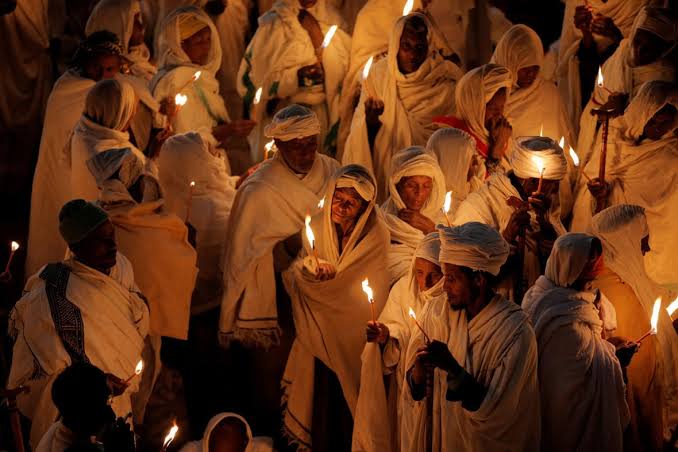
Religious Festivals in East Africa: Eid, Christmas and Easter Celebrations
Religious festivals in East Africa are important occasions that bring families, friends and communities together. In Uganda, Kenya, Tanzania and Rwanda, celebrations such as Eid, Christmas and Easter are marked through worship, family gatherings, traditional meals and acts of generosity.
Religion plays an important role in the daily lives of many East Africans. Christianity and Islam have large communities of followers, and both faiths contribute to the region’s cultural traditions.
For travellers, experiencing religious festivals in East Africa provides an opportunity to understand local customs, observe community celebrations and enjoy traditional food.
However, religious occasions are deeply personal. Visitors should approach them with respect, especially when attending prayers, entering places of worship or photographing participants.
Understanding Religious Festivals in East Africa
East Africa is culturally and religiously diverse.
Christian communities include Catholics, Anglicans, Orthodox Christians, Pentecostals and other denominations.
Muslim communities also have longstanding histories, particularly along the Indian Ocean coast and in many inland towns.
Religious celebrations vary between countries, communities and individual families.
In some places, festivals involve large public gatherings. Elsewhere, families celebrate quietly at home.
The most important occasions include Eid al-Fitr, Eid al-Adha, Christmas and Easter.
These celebrations may influence business hours, transport availability and tourism activities.
If you are planning a safari during a major religious festival, it is useful to understand how local communities observe the occasion.
1. Eid al-Fitr Celebrations in East Africa
Eid al-Fitr is an important Islamic festival marking the end of Ramadan, the month during which Muslims fast from dawn until sunset.
The festival begins after the conclusion of Ramadan, with its exact date determined according to the Islamic lunar calendar and local religious announcements.
Eid al-Fitr is a time for prayer, family visits, generosity and shared meals.
Morning Eid Prayers
Many Muslims begin Eid al-Fitr by attending special congregational prayers.
These may take place at mosques or designated open prayer grounds.
Worshippers often wear clean or new clothing.
After prayers, families exchange greetings and visit relatives.
Visitors may hear the greeting Eid Mubarak, meaning a blessed Eid.
Family Gatherings and Food
Food is an important part of Eid celebrations.
Families prepare meals and welcome relatives, neighbours and invited guests.
Depending on the country and household, dishes may include rice, pilau, meat stews, chapati and sweet foods.
Coastal communities may prepare dishes influenced by Swahili cooking traditions.
Hospitality is important, but visitors should wait for an invitation before joining private celebrations.
Charity and Generosity
Eid al-Fitr is also associated with charitable giving.
Muslims are required to give Zakat al-Fitr, a form of charity connected to the end of Ramadan, according to the rules of their faith.
This practice helps eligible people participate in the celebration.
For travellers, understanding the importance of generosity provides useful cultural context.
2. Eid al-Adha Celebrations
Eid al-Adha is another major Islamic festival.
It commemorates Prophet Ibrahim’s willingness to obey God and is associated with sacrifice, charity and faith.
The celebration takes place during the Islamic month of Dhu al-Hijjah, around the period of the annual Hajj pilgrimage.
How Eid al-Adha Is Observed
Many Muslims attend special prayers and spend time with family members.
Those who are able and choose to participate in the prescribed sacrifice may arrange the slaughter of an eligible animal under religious requirements.
Meat is commonly shared among family, friends and people in need.
The specific arrangements depend on local practice and household circumstances.
What Travellers Should Know
Eid al-Adha is a religious occasion, and some activities may be unsuitable for casual observation or photography.
If you are invited to a family gathering, follow your host’s guidance.
Avoid photographing animal slaughter or private activities without explicit permission.
You can enjoy the festive atmosphere while respecting religious boundaries.
3. Christmas Celebrations in East Africa
Christmas is widely celebrated by Christian communities throughout East Africa.
The holiday takes place on 25 December for many Christian denominations, although some Orthodox traditions observe Christmas according to a different liturgical calendar.
Christmas celebrations often include church services, family visits, meals and community gatherings.
Christmas in Uganda
In Uganda, Christmas is an important family occasion.
Many people travel from cities such as Kampala to their home villages to spend time with relatives.
Church attendance is common, particularly on Christmas Eve and Christmas Day.
Families may prepare special meals using foods such as matoke, rice, chicken, beef, sweet potatoes and groundnut sauce.
The dishes vary according to family traditions and available resources.
Christmas is also a period when transport services can become busy.
Travellers should arrange long-distance journeys and accommodation in advance.
Christmas in Kenya
Kenyan families celebrate Christmas through worship, meals and visits to relatives.
Some people travel to rural family homes during the holiday period.
Popular festive meals may include nyama choma, chapati, rice and other family favourites.
Church services often feature singing, prayers and special Christmas programmes.
Christmas in Tanzania
Christian communities in Tanzania celebrate Christmas through church attendance and family gatherings.
In cities and towns, decorations may appear in shops, churches and hospitality establishments.
On the coast, Christmas celebrations take place alongside the region’s diverse religious traditions.
Christmas in Rwanda
Christmas is widely observed among Rwanda’s Christian communities.
Families may attend church services and gather for festive meals.
Celebrations vary between households, churches and local communities.
4. Easter Celebrations in East Africa
Easter is one of the most important celebrations in Christianity.
It commemorates the resurrection of Jesus Christ.
The celebration follows the events of Holy Week, including Good Friday and Easter Sunday.
Because the date is calculated according to the Christian liturgical calendar, Easter does not fall on the same date every year.
Good Friday
Good Friday commemorates the crucifixion of Jesus.
Many Christian communities attend special church services.
Some churches organise prayer gatherings, religious processions or dramatic presentations of biblical events.
The atmosphere is often solemn.
Travellers attending these services should remain respectful and avoid unnecessary disturbance.
Easter Sunday
Easter Sunday is generally a joyful occasion among Christian communities.
Church services may include music, singing and prayers.
Families often gather afterwards for meals and celebrations.
Some households prepare food specifically for visiting relatives.
Easter Monday
Easter Monday is observed as a public holiday in several East African countries.
Families may use the day for visits, relaxation or local activities.
However, opening hours and transport arrangements can differ.
Comparing Major Religious Festivals in East Africa
The following table summarises important religious occasions and their common traditions.
| Festival | Religion | Timing | Common Activities |
|---|---|---|---|
| Eid al-Fitr | Islam | End of Ramadan | Special prayers, family meals, charity |
| Eid al-Adha | Islam | Dhu al-Hijjah | Prayers, sacrifice, sharing food |
| Christmas | Christianity | Usually 25 December | Church services, family gatherings, festive meals |
| Good Friday | Christianity | Friday before Easter Sunday | Worship, prayer and reflection |
| Easter Sunday | Christianity | Date varies annually | Church services and family celebrations |
| Easter Monday | Christianity and public holiday observance | Day after Easter Sunday | Family visits and relaxation |
Exact celebrations depend on religious traditions and local communities.
5. Religious Festivals Along the Swahili Coast
The Swahili Coast has a long history of Islamic culture and Indian Ocean trade.
Coastal communities in Kenya and Tanzania have distinctive religious and cultural traditions.
Places such as Mombasa, Lamu, Zanzibar and other coastal settlements have longstanding Muslim populations.
Eid in Zanzibar
Eid is an important occasion in Zanzibar.
Families gather for prayers, visits and shared meals.
Traditional clothing and local food contribute to the celebrations.
Some communities organise public activities, although these vary by location and year.
Travellers should dress respectfully when visiting predominantly Muslim neighbourhoods.
Eid in Coastal Kenya
Lamu and Mombasa are important centres of coastal culture.
During Eid, some families visit relatives, prepare festive meals and participate in community activities.
Visitors should avoid entering private prayer areas without permission.
6. Food During Religious Festivals
Food plays a major role in many celebrations.
The dishes served depend on religion, country, household preferences and local traditions.
Common Festival Foods
| Food | Description | Where You May Encounter It |
|---|---|---|
| Pilau | Spiced rice dish | Eid celebrations and family gatherings |
| Chapati | Flatbread prepared using wheat flour | Celebrations across East Africa |
| Matoke | Steamed cooking bananas | Ugandan family meals |
| Nyama choma | Roasted meat | Festive gatherings in Kenya and Tanzania |
| Rice and stew | Rice served with meat or vegetables | Christmas, Easter and Eid meals |
| Mandazi | Fried dough snack | Breakfasts, gatherings and celebrations |
| Sweet potatoes | Boiled or roasted roots | Family meals in several countries |
These dishes are widely enjoyed beyond religious festivals.
Visitors with dietary restrictions should ask about ingredients before eating.
7. Can Tourists Attend Religious Celebrations?
Travellers may attend certain public religious events, but access depends on the place of worship and the event.
Some churches welcome visitors to ordinary services.
Mosques may have specific rules about access, clothing, prayer areas and photography.
You should always ask before entering.
Visiting Churches
If you attend a church service, dress appropriately and follow the congregation’s customs.
Remain quiet during prayers and sermons.
Avoid moving around unnecessarily to take photographs.
Some congregations may welcome visitor participation in singing, while other religious activities are intended for members of the faith.
Visiting Mosques
Mosque access rules vary.
Some mosques welcome non-Muslim visitors at designated times, while others restrict access.
Dress modestly and follow instructions from the mosque’s representatives.
Shoes are generally removed before entering prayer areas.
Avoid interrupting worshippers during prayers.
8. Travel Planning During Religious Holidays
Major religious festivals can influence travel arrangements.
Christmas and Easter are particularly busy periods for domestic travel in several East African countries.
Eid celebrations may also affect business hours and transport demand.
What Travellers Should Prepare For
Increased demand for buses and other transport.
Busy shopping areas before major holidays.
Changes to business opening hours.
Large gatherings around places of worship.
Higher demand for some accommodation.
Altered schedules for certain services.
If you are travelling during a holiday, confirm your accommodation and transport arrangements early.
Safari activities may continue as scheduled, but individual businesses can operate differently.
9. Respectful Photography During Religious Festivals
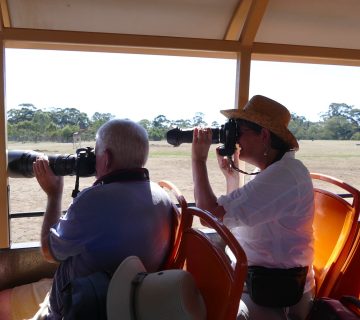
Religious events can provide interesting cultural experiences, but photography requires care.
Do not assume that public gatherings are open to unrestricted photography.
Ask permission before photographing individuals, particularly during prayer.
Avoid using flash inside places of worship unless it is specifically permitted.
Some ceremonies may be private or considered sacred.
If photography is prohibited, respect the rule.
A respectful visitor should be able to enjoy the occasion without needing to document every moment.
10. Understanding Religious Diversity in East Africa
Although Christianity and Islam are widely practised, East Africa also includes communities following other religions and traditional spiritual practices.
Religious beliefs may influence food, clothing, daily routines and social relationships.
Many families participate in cultural traditions alongside their religious practices.
For example, weddings may include both a traditional family introduction ceremony and a religious service.
Travellers should avoid assuming that everyone within a country shares the same beliefs.
Respectful questions and attentive listening can help you understand individual experiences.
Frequently Asked Questions About Religious Festivals in East Africa
Is Eid celebrated in Uganda?
Yes. Muslim communities throughout Uganda celebrate Eid al-Fitr and Eid al-Adha.
Is Christmas a public holiday in East Africa?
Christmas Day is recognised as a public holiday in Uganda, Kenya, Tanzania and Rwanda.
Can tourists attend Easter church services?
Many churches welcome visitors, although participation rules vary. Ask before attending and follow local customs.
When does Eid take place?
Eid dates change each year because they follow the Islamic lunar calendar. Exact dates may depend on local religious announcements.
Is Zanzibar mainly Muslim?
Zanzibar has a predominantly Muslim population, and Islamic traditions are an important part of local culture.
Should travellers book accommodation early during Christmas?
Yes. Christmas is a popular period for family travel and holidays, so advance booking is advisable.
Conclusion
Religious festivals in East Africa provide an opportunity to understand the region’s cultural and spiritual traditions.
Eid, Christmas and Easter bring communities together through prayer, family meals, generosity and celebration.
Although customs differ between countries and religious groups, family relationships and community participation remain important features of these occasions.
For travellers visiting Uganda, Kenya, Tanzania or Rwanda, understanding religious festivals can make cultural encounters more meaningful.
Whether you observe a Christmas church service, experience the festive atmosphere of Eid or learn about Easter traditions, approach each occasion with respect.
With thoughtful planning, religious holidays can add an interesting cultural dimension to your East African journey.


No comment