
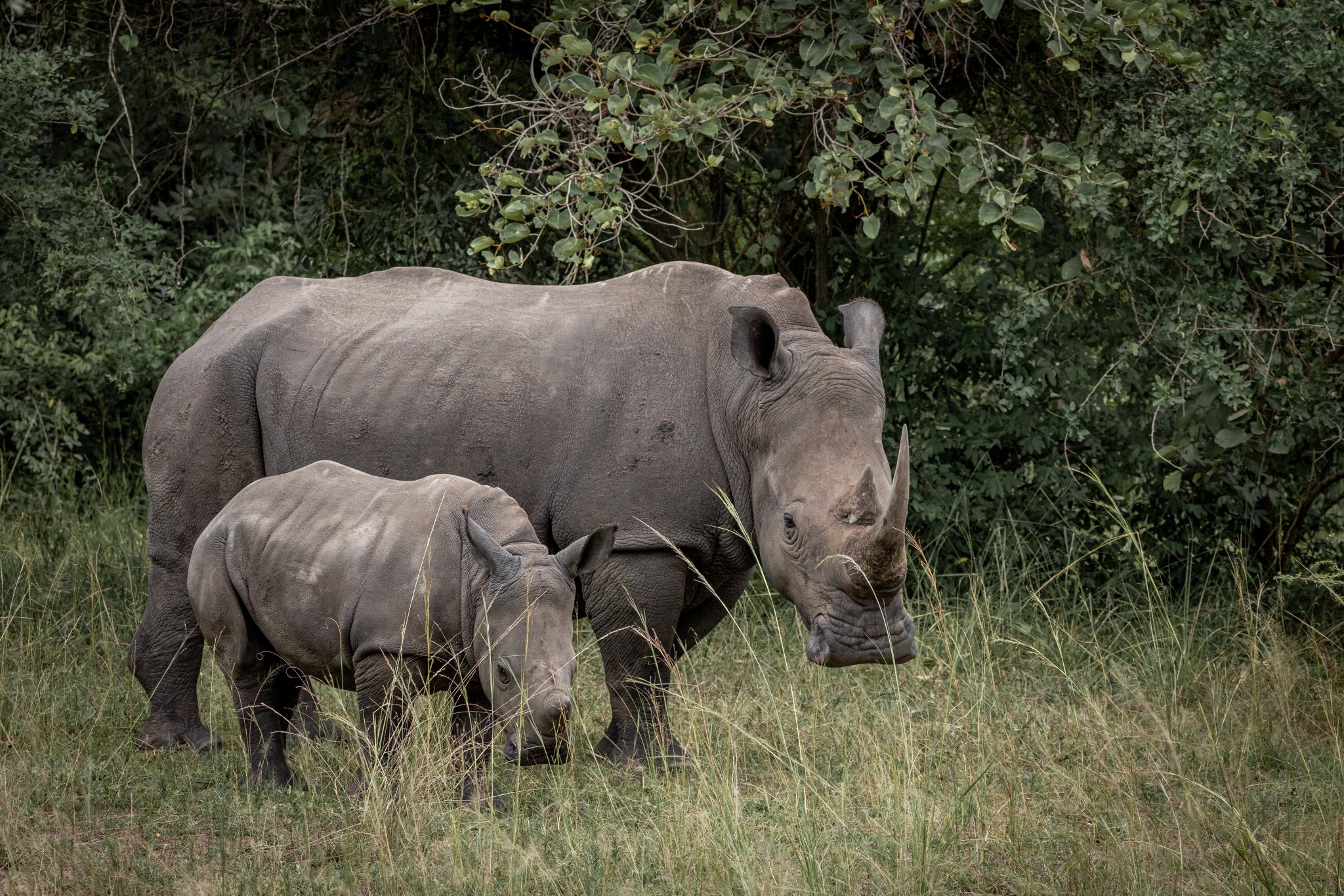
South Sudan and Ethiopia: Why Most East Africa Itineraries Skip Them
East Africa offers a wide range of travel experiences, from mountain gorilla trekking in Uganda and Rwanda to wildlife safaris in Kenya and Tanzania, beach holidays in Zanzibar and cultural visits around Lake Victoria. However, when travellers plan a multi-country East African holiday, two neighbouring countries often receive less attention: South Sudan and Ethiopia.
Both countries have remarkable natural landscapes, cultural traditions and historical attractions. Ethiopia is known for its ancient churches, archaeological sites, highland scenery, traditional coffee culture and diverse communities. South Sudan has vast wetlands, traditional cattle-keeping communities, wildlife habitats and some of the least-visited landscapes in the region.
Despite these attractions, neither country features regularly in conventional East African safari itineraries. Security concerns, transport limitations, infrastructure gaps, travel logistics and differences in tourism development all influence this pattern.
There is also an important distinction between the two. Ethiopia has an established tourism industry and several internationally recognised attractions, although security conditions vary considerably between regions. South Sudan has a much smaller leisure tourism sector and faces more extensive security and infrastructure challenges.
Understanding these differences helps explain why tour operators often concentrate on Uganda, Kenya, Tanzania and Rwanda when designing regional holidays. It also helps travellers understand what they would need to consider before adding Ethiopia or South Sudan to a wider East African journey.
Understanding the place of Ethiopia and South Sudan in East Africa
Ethiopia and South Sudan are geographically connected to the wider East African region, but their tourism profiles differ from those of the countries most commonly included in safari holidays.
Ethiopia is located in the Horn of Africa. Its highlands, historical kingdoms, religious heritage and archaeological sites give it a distinctive identity. Many travellers visit Ethiopia specifically for its cultural and historical attractions rather than as part of a traditional wildlife safari.
South Sudan became independent in 2011 and is one of the world’s youngest countries. It has extensive wetlands, grasslands and river systems, including parts of the White Nile basin. Its tourism industry remains relatively small, and international travel is affected by security concerns and limited visitor infrastructure.
In comparison, Uganda, Kenya, Tanzania and Rwanda have more established regional tourism routes. They offer recognised safari circuits, established accommodation networks, experienced guides, international flight connections and well-developed gorilla and wildlife tourism products.
This does not mean Ethiopia and South Sudan lack attractions. Their exclusion from many regional itineraries is largely connected to the practical challenges of organising safe, reliable and commercially viable trips.
Why South Sudan is rarely included in East Africa itineraries
South Sudan has considerable tourism potential, particularly for travellers interested in remote landscapes, wildlife and traditional cultures. However, the country faces serious challenges that make ordinary leisure travel difficult.
The most significant issue is security. Political tensions, armed violence, intercommunal conflict and criminal activity have affected different parts of the country. Conditions can change quickly, making it difficult for tour operators to guarantee safe movement between destinations.
As of 2 November 2026, the United Kingdom’s Foreign, Commonwealth and Development Office advises against all travel to South Sudan because of armed violence and criminality. Australia’s Smartraveller also advises against all travel, including to Juba, citing the dangerous security situation and the possibility of rapidly changing conditions.
These warnings have a direct effect on tourism planning. International tour operators must consider the safety of visitors, local staff, drivers, guides and accommodation providers. When the risks cannot be managed to an acceptable level, they are unlikely to include the destination in a standard holiday package.
Political instability and armed conflict
South Sudan has experienced political instability and armed conflict since independence. The 2013 civil war caused extensive displacement and humanitarian suffering. Although peace agreements and political arrangements have been introduced, insecurity has continued in several areas.
Violence can involve political factions, armed groups and intercommunal disputes. Some incidents are concentrated in particular states or rural areas, while others affect major transport routes and urban centres.
For visitors, this creates uncertainty. A destination that appears accessible when an itinerary is first prepared may become difficult to reach later. Roads can be blocked, checkpoints can affect movement, and flights may be cancelled or disrupted.
The situation also makes it difficult for tourism companies to operate fixed schedules. A wildlife excursion, cultural visit or overland journey requires predictable transport and access to emergency assistance. These conditions cannot always be guaranteed.
Limited tourist infrastructure
South Sudan has fewer tourism facilities than Uganda, Kenya or Tanzania. Juba has hotels, restaurants, business services and international connections, but options become more limited outside the capital.
Travellers planning to explore remote areas may find fewer established safari lodges, specialist guides, visitor information centres and organised transport services. Some accommodation facilities cater mainly to business travellers, development organisations and government visitors rather than conventional holidaymakers.
This affects the type of trips operators can offer. A safari destination requires more than wildlife and attractive scenery. It also needs reliable accommodation, trained guides, vehicles, communication systems, visitor services and access to medical support.
In countries with established tourism industries, these services are often available through recognised networks. In South Sudan, organising them can require additional planning and local arrangements.
Difficult road conditions
Road transport is another challenge. Many routes outside major urban centres are unpaved, and road conditions can deteriorate significantly during the rainy season.
South Sudan’s rainy season generally extends from around May to October. Heavy rainfall can make rural roads difficult or impossible to use, particularly in low-lying areas.
The United Kingdom and Canadian travel advisories warn about road safety and the risks associated with overland travel. The Canadian government specifically advises against overland travel across the country because of security threats and poor road conditions.
This creates difficulties for wildlife tourism, which often involves travelling beyond major towns to reach protected areas and remote communities.
Even when a road is physically passable, security checkpoints, armed activity and limited emergency services can make the journey unsuitable for ordinary visitors.
Limited international tourism services
South Sudan does receive international visitors, but much of the movement is connected to business, diplomacy, humanitarian work and development projects.
This differs from the leisure tourism market in Uganda, Kenya and Tanzania, where international visitors regularly arrive for safaris, beach holidays and cultural experiences.
Tourism companies need established suppliers, predictable booking procedures and reliable visitor services. Where these systems are limited, creating a multi-day holiday becomes more complicated and expensive.
For these reasons, South Sudan is usually excluded from standard regional safari packages.
What South Sudan could offer travellers
Although current security warnings make ordinary tourism unsuitable, South Sudan has attractions that explain why the country interests conservationists, researchers and specialist travellers.
Its landscapes include extensive wetlands, grasslands, seasonal floodplains and river ecosystems. The Sudd, one of the world’s largest wetlands, is particularly important for biodiversity and regional water systems.
The country also has distinctive cultural traditions, especially among communities whose livelihoods are closely connected to cattle, agriculture and pastoralism.
These attractions have the potential to support carefully managed cultural and nature-based tourism if security, infrastructure and community conditions improve.
The Sudd wetlands
The Sudd is one of South Sudan’s most significant natural features. It is a vast wetland system formed by the White Nile and its tributaries in the central part of the country.
Its seasonal floodplains support fish, birds, aquatic vegetation and a variety of other wildlife. The wetland also provides important grazing areas for livestock and supports communities whose lives depend on the river environment.
Birdwatchers and nature enthusiasts may find the Sudd particularly interesting because of its large bird populations and extensive aquatic habitats. The area is associated with species such as shoebills, pelicans, storks and other waterbirds.
However, exploring the Sudd requires specialist knowledge of the environment, transport and local conditions. Its size, seasonal flooding and limited visitor infrastructure make independent travel difficult even without security concerns.
The current travel warnings affecting South Sudan mean that visitors should not plan an ordinary wildlife excursion there.
Boma National Park and wildlife migrations
Boma National Park is another important natural area in South Sudan. Located in the eastern part of the country, it is associated with one of Africa’s major seasonal wildlife movements.
The region forms part of the landscape used by white-eared kob and other antelope species. Their movements across South Sudan and neighbouring ecosystems have attracted scientific interest because of their scale and ecological importance.
The wildlife migration is sometimes compared with better-known movements in East Africa, although the landscapes, species and seasonal patterns are different.
Boma and the wider migration landscape could offer opportunities for specialist wildlife tourism, research and conservation travel. However, reaching remote areas requires careful logistical planning, and security remains a major obstacle.
Traditional cultures and cattle-keeping communities
South Sudan has a rich cultural landscape, with communities maintaining distinct languages, customs, clothing styles and traditional livelihoods.
Cattle are particularly important in several communities. They can represent wealth, family relationships, social identity and cultural responsibility. Cattle also feature in marriage arrangements, ceremonies and other social practices.
The Dinka and Nuer are among the country’s largest ethnic groups, while many other communities contribute to South Sudan’s cultural diversity.
Visitors interested in cultural tourism may find these traditions significant, but cultural visits must be organised respectfully and with local consent. Travellers should avoid treating communities as tourist attractions or assuming that one cultural practice represents the entire country.
Community-based tourism could provide opportunities for local income and cultural exchange in the future, provided that communities control how visitors engage with their traditions and benefit fairly from tourism activities.
Why Ethiopia is often skipped in conventional East Africa itineraries
Ethiopia presents a different situation. Unlike South Sudan, it has an established tourism industry with international airports, hotels, tour operators, historical attractions and recognised travel circuits.
The country attracts visitors interested in ancient history, religious architecture, archaeology, highland landscapes, food and coffee culture. It also has wildlife destinations and some of Africa’s most distinctive natural environments.
However, Ethiopia is often planned as a separate destination rather than included in a conventional East African safari circuit.
One reason is its geographical and cultural diversity. A trip to Ethiopia can involve several days travelling between historical towns, highland regions and remote natural attractions. These experiences often require a different itinerary structure from a safari focused on game drives, gorilla trekking and beach stays.
Security conditions are another important factor. Different regions have experienced armed conflict, civil unrest and other security problems. Travel advisories vary by state and can change over time.
As of 2 November 2026, Australia’s Smartraveller advises travellers to reconsider their need to travel to Ethiopia overall. It advises against travel to several regions, including Amhara, Tigray, Afar, Benishangul-Gumuz and Gambela, as well as specified border areas and parts of other regions. The advisory also identifies risks affecting Addis Ababa and other areas.
This does not mean that every part of Ethiopia has identical conditions. Travellers must assess each proposed destination separately and follow the latest official advice.
Ethiopia has a different tourism focus
Many East African safari itineraries are designed around wildlife viewing. Visitors travel between national parks, spend time on game drives, visit conservation areas and finish with a beach holiday.
Ethiopia’s best-known attractions often require a different approach. Lalibela’s rock-hewn churches, the castles of Gondar, the ancient obelisks of Aksum and the walled city of Harar are primarily cultural and historical destinations.
These places can form the basis of an excellent holiday, but they do not naturally fit into a short Uganda-Kenya-Tanzania safari route.
Ethiopia is therefore frequently sold as a standalone cultural journey. Visitors may spend a week or longer exploring historical sites, traditional communities and the highlands rather than combining it with several wildlife destinations.
Regional security conditions affect the itinerary
Ethiopia’s security situation is complex because risks differ between regions. Some areas have experienced armed conflict, while others face civil unrest, kidnapping threats or cross-border security concerns.
The northern historical circuit, including parts of Tigray and Amhara, has faced serious disruptions. Other regions also have travel restrictions, including areas of Oromia, Afar, Gambela and Benishangul-Gumuz.
The situation can affect road access, domestic flights, accommodation operations and the availability of local guides.
For tour operators, this makes it difficult to promise a fixed itinerary that includes several regions. A route that depends on multiple road journeys or domestic connections may become impractical if conditions change.
Travellers should not assume that a destination is safe simply because it appears in an older guidebook or a previously published tour package.
Long distances between attractions
Ethiopia is a large country with substantial geographical variation. Its historical attractions and natural destinations are spread across different regions.
For example, a visitor interested in Lalibela, Gondar and the Simien Mountains may need several travel days to connect the destinations. A separate trip to the Omo Valley or the Danakil Depression involves a different route and additional logistics.
This makes it difficult to include Ethiopia as a short extension to a conventional East African safari.
A traveller spending ten days in Uganda and Kenya may find that adding several Ethiopian destinations requires another week or more. Rather than rushing through the country, many operators recommend treating Ethiopia as a separate holiday when conditions permit.
What Ethiopia offers that is different from other East African destinations
Ethiopia has a remarkable range of attractions. Its history, architecture, food and cultural traditions distinguish it from the more familiar safari destinations of East Africa.
The following attractions help explain why Ethiopia continues to attract specialist travellers despite the challenges affecting parts of the country.
Lalibela’s rock-hewn churches
Lalibela is famous for its medieval churches carved directly into rock. These structures are among Ethiopia’s most important religious and architectural landmarks.
The churches were created through extensive excavation and stone-cutting work. Several are connected through trenches and passageways, forming a remarkable religious complex.
Lalibela remains an important pilgrimage destination for Ethiopian Orthodox Christians. Visitors interested in architecture, religious history and traditional worship can learn about the site’s cultural importance through guided visits.
The town has historically been central to Ethiopia’s northern tourism circuit. However, current security advice for the region must be checked before any visit is considered.
The castles of Gondar
Gondar is known for its historic royal compound, often called the Fasil Ghebbi. The complex includes castles, palaces and other buildings associated with Ethiopian rulers from the seventeenth and eighteenth centuries.
Its architecture reflects a mixture of local traditions and external influences. The site provides an introduction to Ethiopia’s imperial history and the development of its former royal capital.
Gondar has also served as a starting point for visits to the Simien Mountains. However, travellers must assess the security situation in the wider Amhara region before planning a trip.
The Simien Mountains
The Simien Mountains are among Ethiopia’s best-known natural attractions. Their dramatic cliffs, deep valleys and high-altitude plateaus create landscapes suitable for trekking and nature photography.
The area is home to wildlife such as the gelada, Ethiopian wolf and Walia ibex. The gelada, a distinctive primate found in Ethiopia’s highlands, is particularly associated with the region.
The Simien Mountains National Park is recognised as a UNESCO World Heritage Site. Its scenery and wildlife make it an important destination for hikers and nature enthusiasts.
However, the security situation in Amhara has made travel planning difficult. Visitors should not rely on historical trekking information without checking current official advice.
The Omo Valley and cultural diversity
Southern Ethiopia is known for its cultural and linguistic diversity. The Omo Valley includes communities with distinct traditions, agricultural practices, pastoral livelihoods and artistic expressions.
Visitors have historically travelled to the region to learn about local cultures, markets and traditional ways of life.
Responsible cultural tourism requires more than arranging a photograph or a short visit. It involves obtaining consent, respecting local customs and ensuring that communities receive fair benefits from tourism.
The security situation varies across southern Ethiopia. Travellers should check current regional advice and work with reputable local operators before considering a visit.
The Danakil Depression
The Danakil Depression is one of Ethiopia’s most unusual landscapes. Located in the Afar region, it is known for salt flats, volcanic formations, geothermal activity and extremely high temperatures.
The area includes the Dallol hydrothermal landscape and other geological features that attract scientific and adventure tourism interest.
However, the Danakil Depression is remote and environmentally demanding. High temperatures, limited facilities, difficult road conditions and security concerns make it unsuitable for casual independent travel.
As of November 2026, Australia’s travel advice identifies Afar Regional State as a no-travel area because of security risks, including armed conflict, kidnapping and civil unrest. Visitors should not plan a Danakil excursion while such restrictions apply.
Travel logistics: Why combining the two countries with a safari can be difficult
A multi-country itinerary depends on more than the attractions available in each destination. It also requires practical connections between airports, roads, accommodation providers and tour operators.
South Sudan and Ethiopia present different logistical challenges.
South Sudan has limited tourism infrastructure outside major urban centres. Road journeys can be difficult, domestic transport options are limited and security restrictions may affect movement.
Ethiopia has a more developed aviation and accommodation network, but its attractions are spread across a large geographical area. Domestic flights can be useful, although regional security conditions may affect schedules and access.
For visitors planning a regional holiday, these differences can make travel more complicated.
Flight connections and route planning
Ethiopia has an important international aviation hub at Addis Ababa Bole International Airport. Ethiopian Airlines operates an extensive international network and connects the country with many destinations in Africa, Europe, Asia and the Middle East.
This makes Addis Ababa a useful gateway for international travel. However, reaching individual attractions may still require domestic flights or lengthy road journeys.
South Sudan’s main international gateway is Juba International Airport. International flights connect Juba with selected regional and other destinations, but the country’s transport network is less developed for leisure tourism.
The security situation can also affect flight operations. Official travel advice warns that Juba airport may become inaccessible or close if conditions deteriorate.
A multi-country itinerary should therefore include realistic connection times and avoid relying on uncertain transport arrangements.
Accommodation and guide availability
Ethiopia has a wider range of tourist accommodation in established destinations, including hotels, guesthouses and specialist lodges. The quality and availability of facilities vary considerably between locations.
South Sudan has accommodation options in Juba and some other centres, but facilities designed specifically for international leisure tourism are more limited.
The availability of experienced guides is another consideration. Ethiopia has established guiding services for historical tours, trekking and specialist cultural journeys. South Sudan has a smaller leisure tourism workforce and fewer operators offering conventional holiday packages.
For travellers, this can influence the price, comfort and reliability of an itinerary.
Travel insurance and emergency assistance
Insurance is essential when planning international travel, particularly when an itinerary includes remote areas or physically demanding activities.
However, many travel insurance policies exclude destinations where a traveller goes against an official government warning. Some policies also exclude armed conflict, evacuation costs or specific high-risk activities.
South Sudan’s current travel warnings make insurance particularly important to check. Travellers should not assume that a standard policy will cover medical treatment, security evacuation or trip cancellation in the country.
Ethiopia also requires careful insurance checks because several regions have higher travel restrictions than others. A policy may treat Addis Ababa differently from a region where the insurer or the traveller’s government advises against travel.
Always obtain written confirmation from your insurer about the exact locations and activities covered.
Should Ethiopia and South Sudan be combined with Uganda, Kenya and Tanzania?
The answer depends on the purpose of the trip, the available time and the current security situation.
Ethiopia can be combined with other East African destinations when the itinerary is carefully planned and the proposed regions are suitable for travel. Its historical attractions and cultural experiences can complement a wildlife safari in Kenya or Tanzania.
However, Ethiopia often works better as a separate trip because of the distances between attractions and the time required to explore its cultural and natural sites properly.
South Sudan presents a different situation. Given the current official advice against travel, it should not be included in an ordinary leisure itinerary. Travellers should wait for substantial improvements in security and access before considering a holiday there.
For a conventional East African safari, Uganda, Kenya, Tanzania and Rwanda remain the more established combination. Visitors can experience mountain gorillas, chimpanzees, savannah wildlife, the Great Migration, volcanic landscapes and Indian Ocean beaches through established tourism routes.
Better alternatives for travellers interested in the same experiences
Travellers who are attracted to Ethiopia and South Sudan may be interested in experiences that are available elsewhere in the region.
Those interested in wildlife migrations can consider Kenya’s Maasai Mara and Tanzania’s Serengeti. These destinations have established safari infrastructure and offer opportunities to observe large herds of wildebeest, zebras and other animals.
Visitors interested in wetlands and birdlife can explore Uganda’s Mabamba Bay, Queen Elizabeth National Park and Murchison Falls National Park. These destinations offer opportunities to see shoebills, waterbirds and a wide variety of other species.
Travellers interested in traditional cultures can explore community-based experiences in Uganda, Rwanda and Kenya. Examples include visits to cultural villages, traditional craft workshops, agricultural communities and local markets. These experiences should be arranged respectfully, with local participation and clear benefits for host communities.
Those interested in highland scenery and trekking can consider Uganda’s Rwenzori Mountains, Mount Elgon and Rwanda’s Volcanoes National Park. Each offers a different landscape and level of physical challenge.
These alternatives do not reproduce the unique history or culture of Ethiopia and South Sudan. They provide other ways to experience the region while using more established tourism networks.
When could South Sudan and more of Ethiopia become easier to visit?
Tourism development depends on several conditions. Security, transport infrastructure, accommodation, trained staff, conservation management and reliable visitor services all influence whether international tourism can grow.
For South Sudan, sustained improvements in political stability and public security would be essential. Better roads, reliable transport, functioning visitor facilities and investment in conservation tourism could help create opportunities in the future.
Ethiopia already has an established tourism industry, so the main issue is not the absence of attractions or tourism knowledge. Improving security and access in affected regions would allow more visitors to consider its historical and natural destinations.
It is difficult to predict when these conditions will improve. Travellers should avoid planning around assumptions that a particular region will reopen by a specific date.
Instead, check official travel advisories, airline information and local operating conditions before booking. Tourism companies should also confirm that accommodation, guides and transport providers are currently operating in the areas included in their itineraries.
Practical advice for planning an East Africa trip
If you are planning a multi-country journey, start by identifying the main experiences you want. A trip focused on gorilla trekking, wildlife safaris and beaches will require a different route from one centred on archaeology, religious history and cultural heritage.
Allow enough time for international connections and overland journeys. Avoid adding countries simply to increase the number of destinations on your itinerary.
Check visa requirements for every country and confirm whether you need single-entry or multiple-entry visas. This is particularly important if your route involves leaving and re-entering a country.
Review travel advisories close to departure and again before travelling between regions. Conditions can change, and national-level information may not explain the different risks affecting individual states or districts.
Choose accommodation and transport providers with clear operating arrangements. Ask about cancellation policies, emergency procedures and the availability of support if a journey is disrupted.
Finally, make sure your itinerary reflects the actual travel conditions rather than relying on older tourism information. A destination may have impressive attractions, but access and safety must be established before a visit can be planned responsibly.
Why most East Africa itineraries skip South Sudan and Ethiopia
South Sudan and Ethiopia are often absent from conventional East African itineraries for different reasons.
South Sudan has significant natural and cultural attractions, but armed violence, criminality, limited tourism infrastructure and difficult transport conditions create serious obstacles for international leisure travel. As of November 2026, several governments advise against travel to the country.
Ethiopia has a much more established tourism industry, but its attractions are spread across a large area, and security conditions vary considerably between regions. It is often treated as a separate cultural and historical destination rather than a short addition to a conventional wildlife safari.
Neither country should be dismissed because it lacks tourism value. Ethiopia has extraordinary historical sites, highland landscapes and cultural traditions, while South Sudan has important wetlands, wildlife habitats and living cultural heritage.
For travellers, the practical decision is to understand what each country offers, assess current conditions and allow enough time for the type of journey being planned. Until security and access conditions improve in affected areas, Uganda, Kenya, Tanzania and Rwanda remain the more established choices for most conventional East African safari holidays.




No comment