
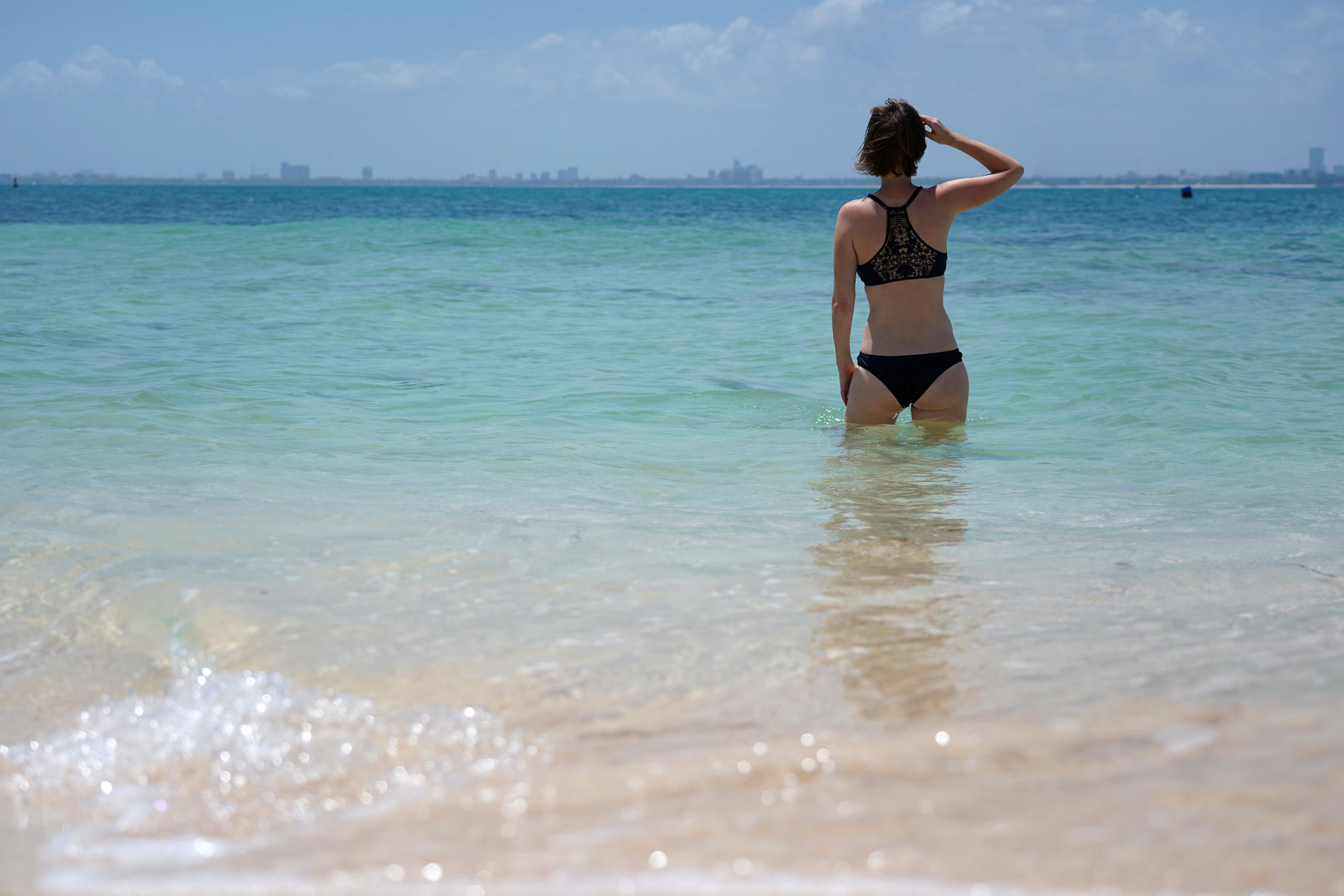
Dar es Salaam in Two Days: Markets, Beaches and Museums
Dar es Salaam is Tanzania’s largest city and commercial capital, offering a lively combination of coastal culture, historic landmarks, busy markets and Indian Ocean beaches. Although many travellers use the city mainly as a gateway to Zanzibar or Tanzania’s southern safari parks, Dar es Salaam deserves time for exploration. Its waterfront neighbourhoods, traditional food markets, museums and nearby islands provide enough experiences to fill two enjoyable days.
The city has a character shaped by African, Arab, Indian and European influences. This mixture is visible in its architecture, food, religious buildings and trading traditions. Visitors can explore the historic centre in the morning, experience the energy of Kariakoo Market, learn about Tanzania’s past at the National Museum and spend the afternoon beside the ocean.
Two days allow travellers to discover the city’s main cultural attractions while enjoying some time along the coast. The first day can focus on markets, museums and historic landmarks, while the second can be reserved for beaches and nearby islands. The itinerary can be adjusted depending on arrival times, weather and personal interests.
Understanding Dar es Salaam
Dar es Salaam is located on Tanzania’s eastern coastline, overlooking the Indian Ocean. Its name is commonly translated as Haven of Peace, although the city itself is energetic, busy and constantly developing. It is one of East Africa’s most important commercial centres, with a major port connecting Tanzania to international shipping routes and neighbouring landlocked countries.
The city’s coastal location has influenced its history for centuries. Indian Ocean trade brought merchants, sailors and settlers from different parts of Africa, Arabia, Persia and the Indian subcontinent. These connections helped shape the Swahili culture that remains an important part of everyday life.
Modern Dar es Salaam is spread across several districts, each offering a different experience. The central business district contains historic buildings, markets and museums. Kariakoo is known for its busy commercial streets, while the Msasani Peninsula has restaurants, waterfront properties and entertainment venues. Oyster Bay provides access to Coco Beach, one of the city’s best-known public beaches.
The city is also an important transport hub. Visitors can continue to Zanzibar by ferry or aircraft, travel towards the southern national parks or connect to other destinations across Tanzania.
Day one: Markets, museums and historic landmarks
The first day is best spent exploring the cultural and commercial heart of Dar es Salaam. Starting early allows visitors to experience the fish market before the busiest hours, followed by a visit to the National Museum and a walk through the historic city centre.
Kivukoni Fish Market: An early morning experience
Begin the day at Kivukoni Fish Market, one of the most interesting places to experience everyday life in Dar es Salaam. Located near the waterfront, the market is closely connected to the fishing industry and the wider economy of the Indian Ocean coast.
Early morning is the most active period. Fishing boats arrive with their catch, traders organise their products and buyers gather to purchase fish for restaurants, shops and households. The atmosphere is lively, with vendors negotiating prices and customers moving between the stalls.
The market offers an opportunity to see different types of seafood, including tuna, snapper, kingfish, octopus and other locally available species. The variety depends on the day’s catch and fishing conditions.
For visitors interested in photography, the market provides colourful scenes of coastal trade and daily activity. However, it is a working environment, so travellers should avoid obstructing traders and ask permission before photographing individuals.
The experience can be intense because of the noise, smells and crowded spaces, but it offers a genuine introduction to the city’s relationship with the ocean.
Kariakoo Market: Discovering the city’s commercial energy
After visiting Kivukoni, continue to Kariakoo Market, one of the busiest trading areas in Tanzania. The market is an important centre for wholesale and retail commerce, attracting traders and shoppers from across Dar es Salaam and other parts of the country.
Its streets and surrounding buildings contain shops selling clothing, fabrics, household goods, spices, fresh produce, electronics and many other products. The variety is enormous, and exploring the market gives visitors a sense of how the city’s commercial economy operates.
Kariakoo is not designed as a tourist attraction. It is a place where residents shop, conduct business and exchange goods. This makes it particularly interesting for travellers who want to experience ordinary city life rather than visit only places created for tourism.
Visitors interested in local shopping can look for colourful kanga and kitenge fabrics, traditional clothing, baskets and household items. Prices vary, and bargaining may be appropriate in some shops.
The market can become extremely crowded, particularly during busy trading hours. Keep phones, wallets and other valuables secure, and avoid carrying unnecessary items. Photography should be approached respectfully, especially when people are working or conducting transactions.
The National Museum and House of Culture
The National Museum and House of Culture is one of the most important cultural attractions in Dar es Salaam. It provides an introduction to Tanzania’s history, archaeology, natural heritage and cultural development.
The museum’s collections include material relating to early human history, traditional communities, colonial rule and the country’s independence. One of its major attractions is the connection to discoveries made at Olduvai Gorge, where important fossils have contributed to the understanding of human evolution.
Visitors can also learn about the historical development of the East African coast and the influence of Indian Ocean trade. Exhibits provide context for understanding the cultural relationships that shaped Tanzania and the wider Swahili region.
The museum is a useful stop for travellers planning to visit other parts of the country. It introduces themes that can be explored further at archaeological sites, historical towns and cultural destinations.
Allow enough time to explore the collections without rushing. A visit can take around one to two hours, depending on individual interests and the exhibitions available.
Askari Monument and the historic city centre
A walk through central Dar es Salaam provides an opportunity to see several historic landmarks. The Askari Monument is among the city’s best-known public monuments and is located in the central business district.
The monument commemorates African soldiers who served in the Carrier Corps during the First World War. It is an important historical landmark and a useful starting point for exploring the surrounding streets.
Nearby, visitors can see buildings that reflect different periods of the city’s development. St Joseph’s Cathedral is one of the most recognisable religious structures in the area, with its distinctive Gothic architectural features. Azania Front Lutheran Church is another historic building worth seeing, particularly for its architectural character and connection to the city’s colonial-era history.
The Old Boma is also an important landmark. Its history reflects the development of Dar es Salaam as a coastal trading settlement and later administrative centre.
A guided walking tour can make this part of the visit more meaningful. A local guide can explain the background of individual buildings, their historical importance and how the city developed around the harbour.
Village Museum: Traditional architecture and cultural heritage
The Village Museum, located in the Makumbusho area, is an open-air cultural attraction that introduces visitors to traditional housing styles and lifestyles from different parts of Tanzania.
The museum contains reconstructed homesteads representing communities from across the country. The houses demonstrate differences in building materials, layouts and construction techniques, reflecting the influence of local environments and cultural traditions.
Visitors can learn about traditional household arrangements, farming activities, crafts and community life. The displays provide a broader understanding of Tanzania’s cultural diversity beyond the coastal traditions found in Dar es Salaam.
Cultural performances may also take place on selected days, particularly during weekends. Traditional music and dancing add another dimension to the experience, allowing visitors to appreciate the country’s artistic traditions.
The Village Museum is located outside the central business district, so it is best reached by taxi or arranged transport. It can be included on the first day if there is enough time, although visitors who prefer a slower schedule may move it to the second morning.
Mwenge Woodcarvers Market and Tingatinga art
Visitors interested in Tanzanian crafts can also explore the Mwenge Woodcarvers Market. The market is known for handmade wooden sculptures, masks, carvings and decorative objects produced by local artisans.
Makonde carving is particularly associated with Tanzania’s artistic heritage. Sculptors create human figures, family groupings, animals and abstract designs using different types of wood. Watching artisans work can be as interesting as browsing the finished products.
The market provides an opportunity to purchase souvenirs while supporting local craftspeople. Visitors should ask about the wood used, the carving process and whether an item is handmade.
Tingatinga painting is another important artistic tradition associated with Dar es Salaam. The style is recognised for its bright colours, imaginative subjects and distinctive decorative patterns. Visitors can explore workshops and galleries associated with the art form to see paintings and learn about the artists.
When buying artwork, take time to compare pieces and confirm prices before making a purchase. Larger carvings may require additional arrangements for packing and transport.
Evening in Oyster Bay and Coco Beach
After a day exploring the city, head towards Oyster Bay and Coco Beach for a relaxed evening beside the Indian Ocean.
Coco Beach, also known as Oyster Bay Beach, is one of Dar es Salaam’s most popular urban waterfront areas. It attracts residents and visitors who come to enjoy the sea breeze, food stalls and open coastal scenery.
The beach is particularly lively during weekends, when families, groups of friends and food vendors gather along the shoreline. Visitors can enjoy grilled corn, snacks, fresh coconut drinks and other local refreshments.
Sunset provides an attractive setting for photography, although the beach atmosphere can remain busy as evening approaches. It is a good place to relax after exploring the city’s crowded markets and historic streets.
Swimming conditions should be assessed carefully. Water quality, currents, tides and local activities can vary, so visitors should follow local advice and avoid entering the sea where conditions are unsuitable.
Day two: Beaches, islands and coastal relaxation
The second day can focus on the Indian Ocean and the islands located close to Dar es Salaam. Travellers who want to spend more time in the city can choose a beach visit, while those interested in marine environments can arrange a boat trip to Bongoyo or Mbudya Island.
Bongoyo Island: A beach escape from the city
Bongoyo Island is one of the most popular day-trip destinations from Dar es Salaam. It forms part of the Dar es Salaam Marine Reserves System and offers a natural setting away from the city’s traffic and busy streets.
The island is reached by boat from the Slipway area on the Msasani Peninsula. The crossing is relatively short, although departure times and journey duration depend on the operator and sea conditions.
Bongoyo is known for its sandy beaches, rocky sections and coastal vegetation. Visitors can spend the day swimming in suitable areas, relaxing on the sand, walking along the shoreline and enjoying the surrounding marine environment.
Simple food services may be available on the island, including freshly prepared fish and other seafood. Visitors should confirm what is operating on the day of travel and whether food is included in their boat arrangement.
Snorkelling may be possible in suitable locations, depending on water visibility and conditions. Travellers should use appropriate equipment and avoid damaging coral or disturbing marine life.
There are limited facilities compared with mainland beach resorts, so visitors should bring essentials such as sunscreen, drinking water and suitable beach clothing. Boat transfers should be confirmed in advance, particularly during weekends and holiday periods.
Mbudya Island: A quieter marine escape
Mbudya Island is another popular destination for visitors seeking a natural beach experience close to Dar es Salaam. Like Bongoyo, it forms part of the Dar es Salaam Marine Reserves System.
The island has attractive sandy beaches and clear-water sections when conditions are favourable. Its relatively undeveloped character makes it appealing to travellers who want to spend time away from the city.
Boat access is arranged from the mainland, with departure points and schedules depending on local operators. Visitors should confirm the exact meeting location and return arrangements before setting out.
Mbudya is suitable for swimming in approved areas, relaxing on the beach and enjoying seafood. Some facilities provide simple seating and food services, but visitors should not expect the range of amenities found at a large resort.
The island’s marine environment is an important part of its appeal. Travellers should avoid stepping on coral, leaving rubbish or collecting shells and other natural materials.
Kigamboni: Exploring the southern coastline
Kigamboni offers another coastal experience within Dar es Salaam. Located south of the city centre, it is known for its beaches, residential areas and growing collection of leisure facilities.
The area is accessible through the Kigamboni Bridge or by using the ferry across the harbour. Travellers can explore different beach locations, depending on their preferred level of development and available transport.
Kigamboni’s coastline includes stretches of sand where visitors can enjoy the Indian Ocean away from the busiest central areas. Some sections have accommodation properties and restaurants, while others are quieter and less developed.
A visit can be combined with lunch at a coastal restaurant or a relaxed afternoon beside the water. Visitors should confirm beach access arrangements because some beachfront areas are privately managed.
The Slipway: Waterfront dining and shopping
The Slipway, located on the Msasani Peninsula, is a popular waterfront centre for shopping, dining and relaxing beside the Indian Ocean.
Its setting makes it a convenient stop before or after a boat trip to Bongoyo Island. Visitors can browse shops selling clothing, crafts, artwork and souvenirs, or enjoy a meal overlooking the water.
The centre has restaurants and cafés serving local and international dishes. Seafood is a popular choice, although menus vary between establishments.
The Slipway is also a pleasant place to spend the late afternoon. Visitors can watch boats moving through the water and enjoy the coastal atmosphere before returning to their accommodation.
What to eat in Dar es Salaam
Dar es Salaam is an excellent place to experience Tanzanian coastal food. The city’s cuisine reflects Swahili traditions and influences from different communities that have traded and settled along the Indian Ocean.
Pilau is one of the most popular dishes. It is prepared with rice, spices and meat, often accompanied by a fresh salad or sauce. Biryani is another favourite, particularly in restaurants serving coastal cuisine.
Seafood is widely available, including grilled fish, prawns, calamari, octopus and lobster. The Kivukoni area and restaurants around the waterfront provide opportunities to try locally sourced seafood.
Chipsi mayai, a combination of chips and eggs cooked together, is a common street-food choice. Mishkaki, which consists of marinated meat grilled on skewers, is another popular option.
Visitors should also try mandazi, a lightly sweet fried bread often eaten with tea. Fresh tropical fruits, sugarcane juice and coconut drinks are widely available.
For a fuller food experience, visit local restaurants rather than relying entirely on hotel dining. Choose establishments with good food-handling practices, especially when ordering seafood.
Where to stay in Dar es Salaam
Choosing the right accommodation can make a two-day visit easier because traffic between different districts can be significant.
The city centre is convenient for visitors who want quick access to the National Museum, Kivukoni waterfront and historic landmarks. It is a practical choice for short stays focused on culture and business.
The Msasani Peninsula is popular with travellers seeking restaurants, waterfront accommodation and access to boat trips. It is particularly convenient for visiting the Slipway and arranging excursions to Bongoyo Island.
Oyster Bay offers a mixture of hotels, guesthouses and private accommodation. It provides access to Coco Beach and several restaurants, making it suitable for visitors who want a coastal atmosphere while remaining connected to the city.
Kigamboni is worth considering for travellers who prioritise beach accommodation. However, visitors should account for transport time when planning visits to central attractions.
Before booking, check the property’s location, transport arrangements, restaurant availability and distance from the places included in your itinerary.
Getting around Dar es Salaam
Dar es Salaam is a large city, and traffic can significantly affect journey times. Visitors should plan their activities geographically rather than moving repeatedly between distant neighbourhoods.
Taxis and ride-hailing services are useful for travelling between attractions. They provide a convenient alternative to negotiating individual fares, although journey times can still be affected by congestion.
Bajajis, or three-wheeled taxis, are common for shorter journeys. They can be practical for moving around nearby neighbourhoods, but fares should be agreed upon before starting the trip.
Dala-dalas are the city’s public minibuses. They are widely used by residents and offer an inexpensive way to travel, although routes can be difficult for first-time visitors to understand. They can also become crowded during peak periods.
For a two-day visit, arranging a driver or using reliable taxi services can make the itinerary easier to manage. Allow extra time when travelling to the airport, ferry terminal or boat departure points.
Best time to visit Dar es Salaam
Dar es Salaam has a tropical coastal climate, with warm temperatures and high humidity throughout the year. Rainfall patterns influence beach conditions, outdoor sightseeing and boat excursions.
The period from June to October is generally popular because it falls within the main dry season. The weather is often more comfortable for walking around the city and visiting nearby islands.
December to February is another warm period that can be suitable for coastal activities. However, temperatures and humidity can be high, particularly during the middle of the day.
The long rains generally occur between March and May. Heavy showers may interrupt sightseeing and affect boat trips to nearby islands. Travellers visiting during this period should remain flexible and confirm excursions according to the weather.
Early mornings and late afternoons are generally the most comfortable times for outdoor activities. Museums and indoor attractions are useful during the hotter hours.
Practical tips for a two-day visit
Two days in Dar es Salaam can be rewarding, but preparation helps visitors use their time efficiently.
Carry light clothing suitable for warm weather, comfortable walking shoes, sunscreen and a hat. Drinking water is important, especially when exploring markets and walking through the city centre.
Keep valuables secure in crowded areas such as Kariakoo and Kivukoni. Avoid displaying expensive phones and cameras unnecessarily, and use reliable transport after dark.
Carry some Tanzanian shillings for local purchases, market shopping and smaller transport services. Larger hotels and established restaurants may accept cards, but cash remains useful in many everyday situations.
When visiting markets, be respectful when negotiating prices and ask permission before taking photographs. Dress comfortably but appropriately when visiting religious buildings and cultural sites.
For island excursions, confirm boat departure and return times, charges, available facilities and weather conditions. Bring sunscreen, drinking water and any personal items needed for the day. Life jackets should be available for passengers, and visitors should follow the operator’s safety instructions.
It is also worth checking museum opening days and current admission arrangements before travelling. Some attractions may have different schedules on public holidays or during special events.
Extending your stay beyond two days
Travellers with an additional day can explore more of the coastline or visit destinations outside the city.
Bagamoyo is a worthwhile excursion for visitors interested in Swahili history, colonial heritage and coastal culture. Located north of Dar es Salaam, the historic town has important connections to Indian Ocean trade and the history of East African coastal settlements.
Pugu Hills offers a different natural environment, with forested landscapes and opportunities for hiking. It can appeal to visitors who want a break from the city without travelling far into the countryside.
Travellers can also spend more time exploring the marine environment around Dar es Salaam, with additional beach visits and boat excursions depending on weather and availability.
For those continuing to Zanzibar, Dar es Salaam is a major departure point for passenger ferries and domestic flights. Travellers should allow sufficient time for check-in and transport to the relevant terminal.
Making the most of two days in Dar es Salaam
Dar es Salaam offers more than a transport connection to Tanzania’s islands and national parks. Its markets, museums, historic buildings and beaches provide a valuable introduction to the country’s coastal culture and modern urban life.
The first day reveals the city’s history and commercial energy through Kivukoni Fish Market, Kariakoo, the National Museum and its historic landmarks. The second day offers a change of pace, with opportunities to enjoy Bongoyo or Mbudya Island, relax at Coco Beach or explore the southern coastline around Kigamboni.
For travellers with limited time, the key is to balance cultural exploration with time beside the Indian Ocean. Two days may not reveal every part of this large city, but they provide a rewarding introduction to Dar es Salaam and its place along Tanzania’s Swahili coast.




No comment