
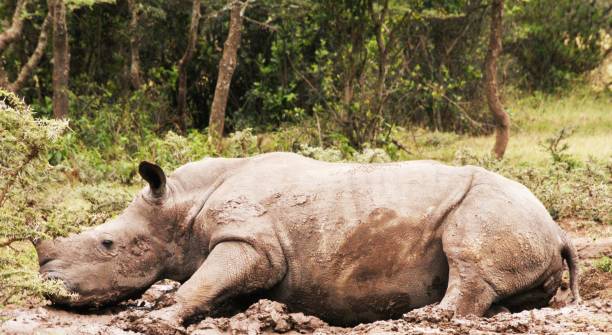
Rhino Poaching in East Africa: Where Things Stand and How Tourists Can Help
Rhino poaching in East Africa remains a serious wildlife conservation concern, although protection efforts have helped several populations recover. Countries such as Kenya, Tanzania and Uganda have introduced stronger anti-poaching measures, wildlife monitoring programmes and community conservation projects to protect these endangered animals.
Rhinos are among Africa’s most recognisable mammals. However, decades of illegal hunting for their horns caused severe population declines. Some countries lost nearly all their rhinos, while others struggled to protect the remaining animals.
Today, conservation programmes are producing encouraging results. Kenya’s rhino population has increased, Tanzania continues rebuilding its populations, and Uganda has started returning rhinos to protected areas where they disappeared decades ago.
For travellers planning an African safari, understanding rhino conservation can make wildlife encounters more meaningful. Responsible tourism can contribute to their protection through conservation fees, ethical safari activities and support for local communities.
Understanding Rhino Poaching in East Africa
Rhino poaching involves illegally killing rhinoceroses, primarily to obtain their horns.
Rhino horn is made mainly of keratin, the same protein found in human fingernails and hair. Despite having no scientifically established medicinal benefits, it remains valuable in illegal markets.
International demand has encouraged organised criminal networks to target rhino populations.
Poaching has affected both African rhino species:
Black rhinoceros: A critically endangered species with a hooked upper lip, adapted for browsing vegetation.
White rhinoceros: A larger species with a broad mouth, adapted mainly for grazing.
East Africa historically supported important black rhino populations.
However, widespread poaching during the twentieth century caused enormous losses.
1. Rhino Conservation in Kenya: Encouraging Recovery
Kenya has made considerable progress in protecting rhinoceroses.
The country maintains black and white rhino populations within national parks, protected sanctuaries and private conservancies.
According to Kenya’s 2025 wildlife census, the country’s combined rhino population reached approximately 2,102 in 2024, an increase compared with earlier years.
More recent figures reported by Kenya Wildlife Service indicate further growth to approximately 2,282 rhinos in 2025.
These increases reflect sustained conservation work.
Where Are Rhinos Protected in Kenya?
Important rhino conservation destinations include:
Nairobi National Park.
Lake Nakuru National Park.
Ol Pejeta Conservancy.
Lewa Wildlife Conservancy.
Solio Game Reserve.
Tsavo West National Park.
These areas use different combinations of ranger patrols, monitoring equipment and controlled access.
Some also maintain fenced sanctuaries to reduce threats.
Challenges Facing Kenya’s Rhinos
Despite population growth, rhinos still face risks.
Poaching remains a concern, while habitat pressure and limited space can affect population expansion.
Conservation organisations must also maintain suitable breeding populations and genetic diversity.
Protecting rhinos therefore requires continuous investment.
2. Rhino Conservation in Tanzania
Tanzania once supported substantial black rhino populations.
However, heavy poaching during the 1970s and 1980s caused major declines.
Today, Tanzania continues rebuilding its rhino populations through protection programmes, monitoring and carefully managed reintroductions.
A national wildlife census completed in 2025 recorded approximately 302 rhinos.
Although this represents a considerable recovery compared with the country’s lowest historical population levels, the numbers remain small compared with earlier decades.
Where Can Tourists See Rhinos in Tanzania?
Important destinations include:
Ngorongoro Conservation Area
Ngorongoro Crater is one of Tanzania’s best-known destinations for observing black rhinos.
However, sightings are not guaranteed because animals may remain distant.
Serengeti National Park
The Serengeti supports protected black rhino populations.
Conservation authorities closely monitor these animals, and some sensitive locations are not publicly disclosed.
Tanzania’s Continuing Challenges
Rhino conservation requires effective protection against illegal hunting.
Other concerns include habitat fragmentation, limited breeding populations and competition for land.
Conservation teams use monitoring technology, ranger patrols and habitat management to address these challenges.
3. Uganda’s Rhino Recovery Programme
Uganda provides an important example of wildlife restoration.
The country’s indigenous rhino populations disappeared during the twentieth century following extensive poaching and political instability.
For many years, visitors could not observe wild rhinos in Uganda.
Conservation efforts began rebuilding the population through a breeding programme at Ziwa Rhino Sanctuary.
Ziwa Rhino Sanctuary
Located along the route between Kampala and Murchison Falls National Park, Ziwa became an important centre for southern white rhino breeding.
By 2025, Uganda had recorded 49 rhinos at Ziwa. The national population later increased following additional imports.
The sanctuary provides controlled opportunities for visitors to observe rhinos with authorised guides.
Returning Rhinos to Protected Areas
In 2026, Uganda began relocating southern white rhinos to Ajai Wildlife Reserve and Kidepo Valley National Park.
These initiatives represent important steps towards restoring rhinos to parts of their former range.
However, newly established populations require monitoring, habitat protection and long-term conservation funding.
4. Comparing Rhino Conservation Across East Africa
| Country | Conservation situation | Important destinations |
|---|---|---|
| Kenya | Growing black and white rhino populations | Ol Pejeta, Lewa, Nairobi National Park |
| Tanzania | Recovering population requiring continued protection | Ngorongoro, Serengeti |
| Uganda | Reintroduced southern white rhinos | Ziwa, Ajai, Kidepo |
| Rwanda | Reintroduced black and white rhinos | Akagera National Park |
Rwanda has also restored rhinos to Akagera National Park through reintroduction programmes.
Although each country faces different challenges, all depend on effective protection and suitable habitats.
5. What Is Being Done to Stop Rhino Poaching?
Wildlife authorities and conservation organisations use several approaches to protect rhinos.
Ranger Patrols
Trained rangers monitor protected areas and respond to suspicious activities.
Their responsibilities include detecting illegal entry, investigating threats and protecting vulnerable animals.
Wildlife Monitoring Technology
Conservation teams may use tracking devices, camera traps, drones where authorised and other monitoring systems.
These tools help teams locate animals and identify unusual movements.
Rhino Identification
Some rhinos receive identification markings that allow conservation teams to recognise individual animals.
Regular monitoring helps track births, deaths and population changes.
Law Enforcement
Wildlife authorities work with police, customs officials and international organisations to investigate illegal wildlife trafficking.
Effective enforcement targets criminal networks involved in transporting and selling rhino horn.
6. How Tourism Helps Rhino Conservation
Responsible tourism can provide financial support for wildlife protection.
When tourists visit rhino sanctuaries, national parks and conservancies, part of the revenue may contribute to conservation operations.
However, the amount reaching conservation depends on how each destination manages its income.
Conservation Entrance Fees
Entrance fees can support activities such as:
Ranger salaries and patrol equipment.
Wildlife monitoring.
Habitat maintenance.
Veterinary care.
Conservation education.
Community development programmes.
Travellers should ask operators how conservation fees are managed.
Employment Opportunities
Rhino tourism creates jobs for guides, rangers, drivers and accommodation workers.
These opportunities can help nearby communities benefit economically from wildlife protection.
When conservation provides reliable local benefits, communities have additional reasons to support protected areas.
7. How Tourists Can Help Protect Rhinos
You do not need to work in wildlife conservation to contribute.
Several practical choices can support rhino protection during your safari.
Choose Responsible Safari Operators
Book with operators that follow park regulations and support recognised conservation programmes.
Ask whether your safari includes legitimate conservation fees.
Visit Established Rhino Sanctuaries
Destinations such as Ziwa Rhino Sanctuary and Ol Pejeta Conservancy provide opportunities to learn about conservation.
Follow all viewing instructions and maintain appropriate distances.
Never Purchase Rhino Products
Avoid buying rhino horn or products advertised as containing wildlife derivatives.
Purchasing illegal wildlife products encourages trafficking and threatens endangered species.
Support Local Communities
Choose locally operated accommodation, guides and community tourism activities where suitable.
Responsible spending can support livelihoods around protected areas.
Respect Wildlife Photography Rules
Never pressure guides to approach rhinos dangerously closely.
Avoid disturbing feeding animals or separating mothers and calves.
Responsible photography protects wildlife and visitors.
8. Can Tourists Report Suspected Poaching?
Visitors may occasionally observe suspicious activities during wildlife excursions.
Examples include unauthorised movement in restricted areas or abandoned equipment that appears associated with illegal hunting.
If you notice something concerning, inform your guide or park authorities.
Do not investigate independently or confront suspected offenders.
Avoid publicly sharing sensitive rhino locations, particularly information about vulnerable animals.
Conservation teams are better equipped to assess potential threats.
9. Other Threats Facing East African Rhinos
Poaching is a major concern, but rhinos face additional challenges.
Habitat Loss
Agricultural expansion, settlement and infrastructure development can reduce suitable wildlife habitat.
Rhinos require enough space for feeding, breeding and movement.
Small Populations
Small, isolated populations may experience reduced genetic diversity.
Conservation authorities sometimes relocate animals to support healthy breeding populations.
Drought and Environmental Changes
Prolonged drought can reduce available food and water.
Protected areas must maintain suitable habitats while avoiding unnecessary interference with natural wildlife behaviour.
10. What Does the Future Hold for East African Rhinos?
Rhino conservation has achieved encouraging results, particularly in Kenya and through restoration programmes in Uganda and Rwanda.
Tanzania has also demonstrated that populations can recover following severe historical declines.
However, long-term success requires continued protection.
Rangers need adequate resources, conservation authorities must maintain suitable habitats, and communities should benefit fairly from wildlife tourism.
Tourists can contribute by choosing responsible operators and supporting conservation-focused destinations.
Rhino poaching in East Africa remains a significant conservation challenge, but progress is being made.
Kenya’s increasing rhino population, Tanzania’s recovery programmes and Uganda’s successful reintroductions demonstrate the value of sustained protection.
Visitors have an important role through responsible tourism, conservation fees and ethical wildlife viewing.
By choosing trustworthy safari operators, respecting rhino habitats and avoiding illegal wildlife products, you can help support the future of these remarkable animals.
Protecting rhinos requires long-term cooperation between governments, conservation organisations, local communities and travellers.




No comment