
Naivasha Flower Farms and Crescent Island: A Day Trip Guide
Naivasha is one of Kenya’s most rewarding destinations for a day trip from Nairobi. Located in the Great Rift Valley, approximately 90 kilometres northwest of the capital, the area is known for its freshwater lake, commercial flower farms, rich birdlife and attractive countryside. Visitors can explore the agricultural side of Kenya’s horticulture industry before taking a boat across Lake Naivasha to Crescent Island for a walking safari among giraffes, zebras and antelopes.
The combination of flower farming and wildlife makes Naivasha particularly interesting. The region supplies fresh flowers to international markets while supporting a variety of natural habitats around the lake. A visit offers an opportunity to understand how agriculture, conservation and tourism exist alongside one another in the Rift Valley.
A full-day excursion is ideal because the activities are spread across different parts of the lake. Visitors can begin with a flower farm tour, enjoy lunch in the Naivasha area and spend the afternoon exploring Crescent Island. With an early departure from Nairobi, it is possible to experience both attractions and return to the city in the evening.
Where is Naivasha?
Naivasha is a town in Nakuru County, in Kenya’s Great Rift Valley. It lies beside Lake Naivasha, a freshwater lake surrounded by agricultural land, volcanic landscapes and wildlife habitats.
The town is approximately 90 kilometres from Nairobi by road, although the actual journey time depends on traffic and the route taken. Travellers usually reach Naivasha through the Nairobi-Nakuru highway, descending into the Rift Valley and continuing towards the lakeside settlements.
The region has a relatively cool climate compared with many lower-lying parts of Kenya. Its fertile soils, freshwater resources and favourable growing conditions have encouraged the development of large agricultural estates, particularly flower farms and horticultural businesses.
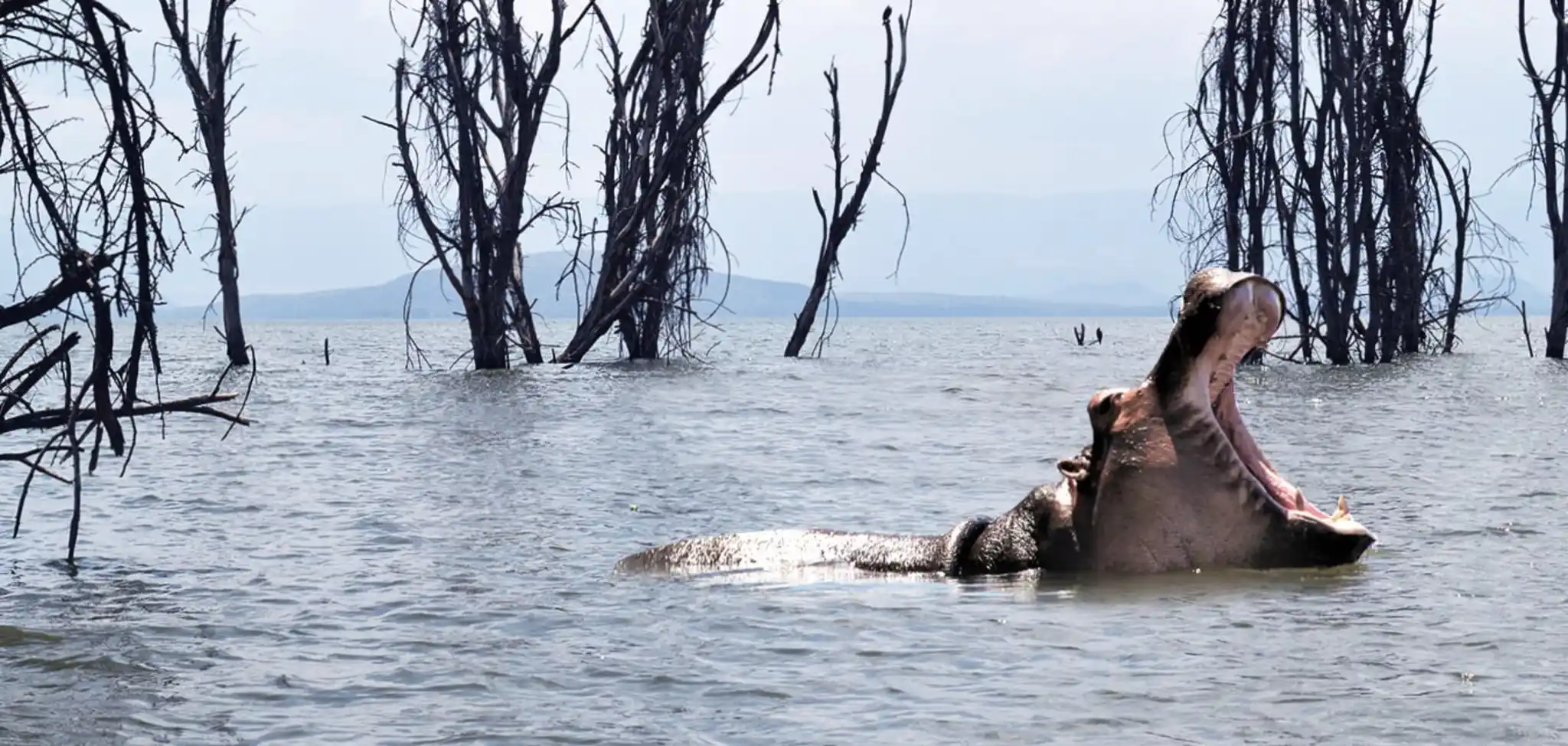
Lake Naivasha is the area’s main natural attraction. It supports hippos, fish eagles, pelicans, cormorants and numerous other bird species. The surrounding land also provides habitat for giraffes, zebras, antelopes and other mammals.
Naivasha is therefore more than a convenient stop between Nairobi and other Rift Valley destinations. It is a worthwhile destination in its own right, particularly for visitors interested in nature, agriculture, birdwatching and outdoor activities.
Naivasha’s flower farming industry
Naivasha is one of Kenya’s most important flower-growing regions. Its commercial farms produce roses, carnations, lilies, chrysanthemums and other varieties for domestic and international markets.
The flower industry developed around the availability of freshwater, suitable temperatures, fertile soils and access to transport infrastructure. The region’s proximity to Nairobi is also important because flowers intended for export can be transported to Jomo Kenyatta International Airport for onward distribution.
Many flowers grown around Lake Naivasha are supplied to international markets, particularly in Europe. Roses are among the most recognisable products, although the farms cultivate a much wider selection of cut flowers and ornamental plants.
The industry provides employment in cultivation, harvesting, grading, packaging, administration, transport and other activities. It has also encouraged investment in cold-storage facilities, irrigation systems and export logistics.
For visitors, a flower farm tour offers an opportunity to understand the work behind the flowers sold in supermarkets, florists and retail shops around the world. It introduces the processes involved in growing, cutting, sorting and preparing flowers for export.
What to expect during a flower farm tour
A guided visit to a flower farm usually begins with an introduction to the estate and its production activities. Depending on the farm’s visitor arrangements, guests may learn about greenhouse operations, flower varieties, irrigation systems and the stages involved in preparing flowers for export.
Greenhouses are among the most interesting parts of the experience. Visitors can see how temperature, humidity, water and other growing conditions are managed to produce flowers of consistent quality.
A guide may explain how roses are cultivated, when they are harvested and how workers select stems according to size, colour and quality. Flowers intended for export must be handled carefully because they are perishable products and need to maintain their freshness throughout transportation.
The post-harvest process is another important part of commercial flower production. Once cut, flowers are moved to preparation areas where they are graded, arranged into bunches, packed and stored under controlled conditions before shipment.
Visitors may also learn about the different varieties grown on the farm and how market demand influences production. Some flowers are cultivated for particular colours, stem lengths or seasonal occasions.
Not every farm offers public tours, and access may depend on operational schedules, visitor policies and advance arrangements. It is important to confirm that a farm accepts visitors before including it in a day-trip itinerary. Commercial greenhouses are active workplaces, so visitors should follow instructions, remain within authorised areas and avoid touching plants or equipment without permission.
Flower farms around Lake Naivasha
Several flower-growing estates operate around Naivasha, although their visitor arrangements differ.
Oserian is among the best-known horticultural estates in the region. Located near Lake Naivasha, it has a long association with commercial flower production and has been recognised for initiatives involving environmental management and sustainable agriculture. Visitors interested in the relationship between flower farming and conservation may find its background particularly relevant.
Other flower farms operate around the lake and in the wider Naivasha agricultural area. Some are large commercial estates, while others specialise in particular flower varieties or horticultural products.
It is advisable to choose a farm based on whether it offers an organised educational tour rather than simply selecting the largest operation. A useful visit should explain the growing process, working conditions, export preparation and environmental practices.
Because farms are private businesses, visitors should not arrive expecting unrestricted access. Advance confirmation is important, particularly for groups, students, photographers and travellers planning to include a farm visit within a tight schedule.
Flower farming and the environment of Lake Naivasha
The growth of commercial flower farming around Lake Naivasha has brought economic opportunities, but it has also raised important environmental questions.
Lake Naivasha is an important freshwater ecosystem supporting wildlife, fishing activities, tourism and agriculture. Its water resources are shared by farms, local communities, lodges and other users.
Commercial irrigation places pressure on available water, particularly during dry periods. Other concerns include wastewater management, agricultural chemicals, land use and the protection of wetlands along the shoreline.
The effects of these activities are complex. Flower farms contribute employment and export revenue, while the lake supports biodiversity and livelihoods that depend on a healthy aquatic environment. Balancing these interests requires careful water management, pollution control and responsible land use.
Some farms have introduced measures such as improved irrigation systems, water recycling, environmental monitoring and more efficient production methods. Visitors can use a farm tour to ask how the business manages water, waste and chemical use.
Understanding these issues adds depth to the experience. It allows travellers to appreciate the economic importance of flower production while recognising the need to protect the natural resources that make agriculture and tourism possible.
Lake Naivasha: The natural attraction behind the flower farms
After exploring the agricultural side of Naivasha, visitors can experience the lake itself. Lake Naivasha is a freshwater lake within the Great Rift Valley, surrounded by acacia woodland, grassland, farms and lakeside accommodation.
The lake is famous for its birdlife and hippo population. Its waters and shoreline support fish eagles, pelicans, cormorants, herons, kingfishers and many other bird species.
A boat trip is one of the most popular ways to explore the lake. Local operators offer excursions from different landing points, allowing visitors to observe the shoreline, aquatic birds and hippos from the water.
Fish eagles are particularly impressive. They are often seen perched in trees overlooking the lake, watching for fish. Their distinctive calls are among the sounds associated with Lake Naivasha.
Hippos can be spotted resting in the water or gathering near reed beds. Although they may appear calm, they are extremely dangerous and should never be approached. Boat operators should maintain a safe distance and follow appropriate navigation practices.
The lake experience provides a useful introduction to the ecosystem before continuing to Crescent Island.
Crescent Island: A walking safari on Lake Naivasha
Crescent Island Game Sanctuary is one of Naivasha’s most distinctive wildlife attractions. Situated within Lake Naivasha, the sanctuary allows visitors to explore a natural landscape on foot while observing animals in their habitat.
The island is known for its populations of giraffes, zebras, wildebeest, impalas, gazelles and other wildlife. It also supports a variety of birds and smaller animals.
Unlike conventional game drives, the experience involves walking through the sanctuary rather than viewing wildlife from a safari vehicle. This creates a different perspective because visitors can appreciate animal behaviour, vegetation, tracks and the surrounding scenery at ground level.
Crescent Island is accessed by boat from the mainland. Visitors arrange a transfer with a local boat operator, cross the lake and disembark at the sanctuary’s landing area. The sanctuary’s entrance fee is paid separately from the boat transfer.
Walking routes take visitors through grassland and areas of acacia woodland. Giraffes may be seen browsing on trees, while zebras and antelopes graze in open spaces. The landscape also provides attractive views across Lake Naivasha.
The sanctuary is particularly suitable for travellers who want a walking wildlife experience without undertaking a long or physically demanding trek. The terrain is generally manageable, although visitors should wear suitable shoes and follow the guide’s instructions.
Wildlife to see on Crescent Island
Giraffes are among the most memorable animals on Crescent Island. Seeing these tall mammals from ground level offers a different experience from viewing them through the windows of a safari vehicle. Visitors may observe them feeding on leaves or moving slowly through the woodland.
Zebras are also common. Their distinctive black-and-white patterns make them easy to recognise as they graze in open areas or move between patches of vegetation.
Wildebeest, impalas and gazelles add to the variety of grazing animals. These species often feed in groups, although their distribution changes according to vegetation, weather and other conditions.
The island also supports buffaloes, so visitors should never assume that every animal is harmless simply because the sanctuary offers walking safaris. Buffaloes can be unpredictable and dangerous. Maintaining a safe distance and following the guide’s instructions are essential.
Birdlife is another important part of the experience. The island and surrounding lake attract a variety of waterbirds and woodland species. Visitors may also see monkeys and smaller wildlife during the walk.
Large predators are generally absent from the sanctuary, which makes the walking experience possible under its management arrangements. However, the presence of potentially dangerous animals and the nearby lake means visitors must follow all safety guidance.
The boat ride to Crescent Island
The boat crossing is an important part of the excursion. It provides an opportunity to experience Lake Naivasha from the water before reaching the sanctuary.
Boat transfers are arranged through independent operators based at different lakeside jetties. The crossing time depends on the departure point and lake conditions. Some trips take a relatively short time, while others include a longer sightseeing route around the lake.
During the journey, visitors may see hippos, fish eagles, pelicans and other waterbirds. The boat operator may pause at suitable locations to observe wildlife, provided it is safe to do so.
Visitors should confirm whether the quoted price covers a return transfer, how many passengers the boat can carry and whether the operator will wait while they complete the walking safari.
Crescent Island Game Sanctuary does not operate its own boats. The boat transfer and sanctuary entry are separate services, so visitors should make sure they understand what they are paying for.
Life jackets should be available and worn as instructed. Keep hands and personal belongings inside the boat when moving close to wildlife, and never ask the operator to approach hippos for photographs.
A suggested full-day Naivasha itinerary
A full-day excursion can combine a flower farm visit, a Lake Naivasha boat ride and a walking safari at Crescent Island. The following schedule is suitable for travellers starting in Nairobi, although it can be adjusted for visitors already staying in Naivasha.
6:30 a.m. to 8:30 a.m.: Travel from Nairobi to Naivasha
Depart Nairobi early to avoid the heaviest traffic and make the most of the day. The drive passes through the Great Rift Valley, with opportunities to enjoy the changing scenery as the road descends towards the Naivasha region.
A brief stop at an authorised viewpoint can be included if time allows, but the main priority should be reaching the flower farm at the agreed time.
8:30 a.m. to 10:30 a.m.: Flower farm visit
Begin with a pre-arranged tour of a flower farm. Learn about greenhouse cultivation, harvesting, grading, packaging and export preparation.
Ask about the farm’s environmental management practices, especially water use and waste management. This provides a broader understanding of the industry’s relationship with Lake Naivasha.
10:30 a.m. to 11:30 a.m.: Transfer to the lakeside
Travel towards the lake and meet the boat operator at the agreed landing point. Confirm the return transfer arrangements and ensure that the boat has the necessary safety equipment.
If the schedule allows, enjoy a short introduction to the lake’s birdlife before boarding.
11:30 a.m. to 12:15 p.m.: Lake Naivasha boat ride
Take a boat across the lake towards Crescent Island. Watch for hippos, fish eagles and waterbirds along the way.
The boat operator can explain some of the lake’s wildlife and point out interesting locations. Maintain a safe distance from animals, particularly hippos.
12:15 p.m. to 2:15 p.m.: Crescent Island walking safari
After arriving at the sanctuary, complete the entry arrangements and meet a guide if one is available or arranged. Explore the island on foot, looking for giraffes, zebras, wildebeest and antelopes.
Take time to photograph the scenery and observe the wildlife without approaching too closely. Carry drinking water and follow the guide’s instructions throughout the walk.
2:15 p.m. to 3:15 p.m.: Lunch and return to the mainland
Depending on the arrangements, enjoy lunch at a suitable lakeside restaurant or return to the mainland for a meal. Allow enough time for the boat transfer and avoid delaying the return from the island.
3:15 p.m. to 5:30 p.m.: Return to Nairobi
Begin the drive back to Nairobi. Traffic conditions may affect the arrival time, so visitors with evening flights or onward connections should allow additional flexibility.
This itinerary is a guide rather than a fixed schedule. Flower farm access, boat arrangements, weather and road conditions can affect the order and duration of activities.
Best time to visit Naivasha flower farms and Crescent Island
Naivasha can be visited throughout the year, although weather conditions influence the experience.
The drier periods are generally convenient for outdoor activities. Roads are more likely to be manageable, and walking around Crescent Island is usually more comfortable when the ground is not muddy.
The wetter seasons bring greener vegetation and attractive scenery. However, rainfall can affect road conditions and walking trails. Visitors should check the forecast before travelling and bring suitable footwear.
Flower farms operate throughout the year, although individual production schedules and flower varieties vary. The availability of a farm tour is more important than the season, so visitors should confirm arrangements before departure.
For wildlife viewing, morning and early afternoon are generally useful periods. Visitors should also plan their Crescent Island walk within the sanctuary’s operating hours. The sanctuary’s published day-visitor information lists opening at 8:30 a.m., last entry at 4:30 p.m. and closing at 5:45 p.m. These times should be confirmed before travel.
How to get to Naivasha from Nairobi
Naivasha is accessible from Nairobi by road, with the journey usually taking approximately one and a half to two and a half hours depending on traffic and the route.
Private transport is the most convenient option for a day trip involving a flower farm and Crescent Island. It allows visitors to move between the farm, lakeside landing point and restaurant without depending on multiple public transport connections.
Travellers can hire a private driver, rent a vehicle or join an organised excursion. A tour operator can coordinate farm access, boat transfers, sanctuary entry and lunch arrangements, which is useful when the schedule is tight.
Public buses and matatus operate between Nairobi and Naivasha town, but they do not provide convenient access to every flower farm or lakeside jetty. Visitors using public transport may need additional taxis or local transfers.
Those travelling independently should confirm the exact location of the flower farm and boat departure point. The lake has several landing areas, and not every operator offers transfers to Crescent Island.
What to bring for the day trip
Comfortable walking shoes are essential for the Crescent Island experience. The walking routes pass through natural terrain, and closed shoes provide better protection than sandals.
A hat, sunscreen and drinking water are useful because much of the sanctuary is exposed to the sun. Visitors should also carry a camera or binoculars for observing wildlife and birds.
Light clothing is suitable for most daytime conditions, although a light jacket can be useful during an early morning drive or boat ride. A rain jacket is advisable during the wetter months.
Carry some Kenyan shillings or an accepted payment method for small purchases and local services. Before departure, confirm the separate charges for the flower farm tour, boat transfer and Crescent Island entry.
Visitors should not bring food to feed wildlife. Feeding animals can alter their behaviour and create unnecessary risks. Keep litter in a bag until it can be disposed of properly.
Responsible tourism around Lake Naivasha
Responsible tourism is particularly important in Naivasha because agriculture, wildlife conservation and local livelihoods depend on the same natural environment.
Visitors can support responsible businesses by choosing flower farms that explain their environmental management practices and provide clear information about their operations. Asking about water conservation, chemical use and waste treatment can help travellers understand how farms address environmental concerns.
At Crescent Island, visitors should respect wildlife and remain within the areas permitted by sanctuary management. Animals should never be chased, touched or fed. Keeping a safe distance is important even when wildlife appears accustomed to people.
Boat operators should maintain safe distances from hippos and other wildlife. Visitors should wear life jackets and follow the captain’s instructions throughout the journey.
Responsible travel also involves supporting local guides, boat operators, restaurants and other businesses that contribute to the Naivasha economy. Spending locally helps ensure that tourism benefits people living and working around the lake.
Where to stay in Naivasha
Although this guide focuses on a day trip, visitors who prefer a slower experience can spend a night in Naivasha. The area has lakeside lodges, tented camps, hotels, guesthouses and countryside accommodation.
Lakeside properties are popular because they provide views of the water and access to boat excursions. Some have gardens where visitors can observe birds and occasionally see wildlife moving through the surrounding vegetation.
Accommodation around Moi South Lake Road is convenient for travellers planning to visit Crescent Island and other lakeside attractions. Properties closer to Naivasha town may be suitable for visitors who prefer access to shops, restaurants and transport services.
For a longer stay, visitors can combine Naivasha with Hell’s Gate National Park, Mount Longonot, Lake Nakuru National Park or other destinations in the Rift Valley.
Other attractions to combine with Naivasha
Naivasha has several nearby attractions that can extend a day trip into a longer holiday.
Hell’s Gate National Park is known for its dramatic cliffs, volcanic formations, gorges and opportunities for cycling and hiking. It offers a different experience from Crescent Island because visitors explore a landscape shaped by geothermal and volcanic activity.
Mount Longonot National Park is another option for travellers interested in hiking. The climb to the crater rim provides views across the Rift Valley and surrounding countryside. The hike is physically demanding, so it is better planned as a separate activity rather than added to a flower farm and Crescent Island excursion.
Lake Nakuru National Park is further north and is known for its rhinos, giraffes, other wildlife and birdlife. It can be combined with Naivasha on a multi-day itinerary, although attempting to explore both destinations fully in one day would be rushed.
Visitors interested in conservation history can also consider Elsamere Conservation Centre, the former home of conservationists Joy and George Adamson. Its connection to the history of wildlife conservation makes it an interesting addition for travellers with more time.
Is a Naivasha flower farm and Crescent Island day trip worth it?
A day trip combining Naivasha’s flower farms and Crescent Island is worthwhile for travellers who want to experience two different aspects of Kenya within one destination. The flower farm introduces visitors to the country’s horticultural industry, while the island offers a walking safari among wildlife in a scenic Rift Valley setting.
The experience is especially suitable for couples, families, photographers, students and travellers interested in agriculture and conservation. It also works well for visitors who have limited time in Kenya but want to explore beyond Nairobi.
The most important part of planning is arranging the flower farm visit in advance and confirming the boat transfer to Crescent Island. Visitors should also remember that the sanctuary entry fee is separate from the boat charge and that the island must be left before its closing time.
For a more relaxed experience, consider spending a night in Naivasha rather than returning to Nairobi immediately. This allows more time for birdwatching, lakeside dining and other attractions around the Rift Valley.
Naivasha brings together farming, wildlife and beautiful landscapes in a way that few destinations near Nairobi can match. A visit to its flower farms and Crescent Island offers a rewarding introduction to the region’s agricultural importance and natural heritage.

No comment