
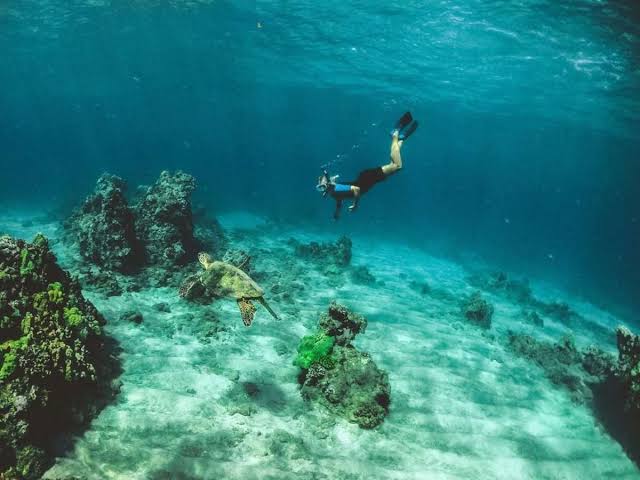
Snorkelling and Diving Etiquette Around Coral Reefs in Kenya and Tanzania
Snorkelling and diving etiquette is essential when exploring the coral reefs of Kenya and Tanzania. The Indian Ocean coastline offers beautiful underwater scenery, colourful fish, sea turtles and extensive coral formations. Popular destinations such as Watamu, Kisite-Mpunguti, Zanzibar and Mafia Island attract travellers who want to experience marine wildlife in its natural surroundings.
However, coral reefs are sensitive environments. A careless fin movement, touching living coral or approaching marine animals too closely can cause unnecessary damage.
Whether you are snorkelling for the first time or joining a professional scuba diving excursion, understanding responsible underwater behaviour helps protect these marine habitats.
This guide explains the most important reef etiquette rules, suitable destinations, wildlife interactions, equipment choices and safety precautions for exploring the coral reefs of Kenya and Tanzania.
Understanding Coral Reefs in East Africa
Coral reefs are living structures formed by colonies of small marine animals called coral polyps.
Over time, many coral species build hard calcium carbonate skeletons that create complex underwater habitats.
These formations provide shelter, feeding areas and breeding environments for numerous marine species.
Along the Kenyan and Tanzanian coasts, coral reefs support tropical fish, sea turtles, crustaceans and other marine animals.
Healthy reefs also contribute to coastal protection and support fishing communities.
However, coral growth can be extremely slow.
A section of coral broken by a swimmer or boat anchor may take many years to recover.
For this reason, visitors should treat coral reefs as protected natural habitats.
Best Places for Responsible Snorkelling and Diving
Kenya and Tanzania have several established marine destinations where visitors can explore coral reefs with experienced operators.
Watamu Marine National Park, Kenya
Watamu is one of Kenya’s best-known marine conservation destinations.
Located along the northern Kenyan coast, the protected area contains coral habitats, seagrass beds and diverse marine wildlife.
Visitors can arrange guided snorkelling excursions and scuba diving activities.
The area is particularly attractive for travellers interested in marine photography.
Sea turtles and colourful reef fish may be encountered, although sightings depend on conditions.
Follow all Kenya Wildlife Service regulations while visiting the protected area.
Kisite-Mpunguti Marine National Park, Kenya
Kisite-Mpunguti lies off Kenya’s southern coast near Shimoni and Wasini Island.
The protected marine environment contains coral reefs and numerous fish species.
Boat excursions frequently combine snorkelling with coastal sightseeing.
Dolphins may sometimes be observed during boat journeys.
However, sightings are never guaranteed, and boat operators should avoid chasing or surrounding them.
Mnemba Reef Area, Zanzibar
The waters surrounding Mnemba Island are among Zanzibar’s recognised snorkelling and diving destinations.
Coral formations support many tropical reef fish.
Visitors usually reach designated snorkelling areas by boat.
Because marine conservation rules and access arrangements apply, choose an operator familiar with the permitted activity zones.
Mafia Island Marine Park, Tanzania
Mafia Island Marine Park is an important protected marine area in Tanzania.
Its habitats include coral reefs, seagrass areas and coastal waters supporting diverse marine species.
The island attracts experienced divers and visitors seeking quieter marine excursions.
Some diving sites require appropriate certification because of depth or currents.
Comparing Marine Destinations
| Destination | Country | Main activities | Suitable visitors |
|---|---|---|---|
| Watamu Marine National Park | Kenya | Snorkelling, diving, marine photography | Beginners and experienced visitors |
| Kisite-Mpunguti | Kenya | Boat snorkelling, diving | Families and confident swimmers |
| Mnemba reef area | Tanzania | Snorkelling, scuba diving | Beginners and experienced divers |
| Mafia Island Marine Park | Tanzania | Diving, snorkelling | Marine enthusiasts |
| Pemba Island | Tanzania | Reef diving, guided snorkelling | Experienced divers and confident snorkellers |
Conditions differ between individual sites.
Always confirm currents, visibility and required experience before booking.
Never Touch or Stand on Coral
The most important rule when snorkelling or diving is simple: never touch living coral.
Although some coral formations resemble ordinary rocks, they contain delicate living animals.
Touching them can damage their tissues.
Standing on coral may break entire branches or crush growing colonies.
You should also avoid using coral formations for support when adjusting your mask or resting.
If you become tired while snorkelling, move towards the boat or a designated safe area.
Use a flotation device if necessary.
Never stand on a reef simply because the water is shallow.
Maintain Proper Buoyancy When Diving
Scuba divers must control their position in the water carefully.
Poor buoyancy can cause accidental contact with coral formations.
A diver who sinks unexpectedly may strike the reef with their knees, fins or equipment.
Before approaching coral habitats, check your buoyancy and weighting.
Keep your fins clear of the seabed.
Secure loose gauges, hoses and other equipment so they do not drag across coral.
If you are inexperienced, practise buoyancy control in a suitable open area before swimming near delicate reef structures.
Your diving instructor can help assess whether your skills are appropriate for a particular site.
Keep a Respectful Distance From Marine Wildlife
Marine animals should be allowed to behave naturally.
When you encounter a sea turtle, remain calm and observe it without interfering.
Do not swim directly towards the animal or block its route to the surface.
Sea turtles need to surface to breathe.
Similarly, avoid chasing dolphins or surrounding resting animals.
Some fish may approach swimmers out of curiosity.
You should still avoid touching them.
A respectful distance protects both wildlife and visitors.
Responsible Wildlife Viewing
| Marine animal | Recommended behaviour |
|---|---|
| Sea turtles | Observe quietly and allow access to the surface |
| Dolphins | Avoid chasing, touching or surrounding them |
| Reef fish | Watch without feeding or catching |
| Stingrays | Give space and avoid disturbing resting animals |
| Octopuses | Do not touch or remove them from hiding places |
| Seahorses | Observe without handling or moving surrounding vegetation |
Follow any stricter distance requirements established by local marine authorities.
Never Feed Fish During Snorkelling
Some visitors assume feeding fish improves their underwater experience.
However, feeding marine wildlife can alter natural behaviour.
Fish may begin approaching boats or swimmers expecting food.
Artificial feeding can also affect natural feeding patterns.
Bread and other human foods are unsuitable for many marine species.
Responsible operators should discourage fish feeding during snorkelling trips.
If you want close wildlife observations, remain still and allow fish to move naturally around you.
Avoid Collecting Coral, Shells and Marine Animals
Visitors sometimes collect shells or broken coral pieces as souvenirs.
However, marine protected areas may restrict or prohibit removing natural materials.
Even seemingly empty shells can provide shelter for small marine animals.
Removing coral fragments may also disturb the surrounding habitat.
Leave everything where you find it.
If you want a souvenir, consider buying locally made crafts from authorised sellers.
Avoid purchasing products made from protected marine animals or illegally collected coral.
Choose Reef-Conscious Sunscreen and Clothing
Sun protection is important during marine excursions.
However, some sunscreen ingredients can contribute to environmental concerns when released into coastal waters.
A practical way to reduce sunscreen entering the sea is to wear protective clothing.
Long-sleeved swimming shirts, commonly called rash guards, cover much of your skin.
You can also wear a suitable swimming hat when conditions allow.
For exposed areas, choose an appropriate water-resistant sunscreen and follow its instructions.
Remember that the term reef-safe is not a guarantee that a product has no environmental impact.
Protective clothing and sensible sun exposure remain useful precautions.
Practise Proper Fin Control
Swimming fins help snorkellers move efficiently, but careless kicking can damage coral.
Avoid strong downward kicks when passing over shallow formations.
Keep your body horizontal and maintain sufficient clearance above the reef.
Short, controlled movements are often more suitable around delicate habitats.
If you are unsure about your swimming technique, practise away from the reef.
Never push yourself upwards by placing your fins against coral.
Responsible Boat Behaviour
Boat operators also influence reef protection.
Anchors dropped directly onto coral formations can cause serious damage.
Whenever available and appropriate, boats should use designated mooring buoys.
Anchoring should only occur in permitted areas where it will not damage coral or seagrass.
Visitors can support responsible operations by asking how boats are secured.
You should also avoid throwing rubbish, food packaging or cigarette ends into the water.
Take everything back to shore for proper disposal.
Snorkelling and Diving Safety Rules
Protecting marine habitats should always go together with personal safety.
Ocean conditions can change quickly.
Currents, waves and underwater visibility may vary between destinations.
Before Entering the Water
Check that your mask fits comfortably and does not leak.
Make sure your fins are the correct size.
If you are snorkelling, confirm that you can breathe comfortably through your snorkel.
Beginners should use suitable flotation equipment when necessary.
Never enter unfamiliar water without understanding local conditions.
For scuba diving, follow your instructor’s safety briefing and remain within your certification and training limits.
During Your Excursion
Stay close to your guide or assigned buddy.
Avoid swimming beyond the designated area.
If you become tired, signal for assistance early.
Do not remove equipment underwater without appropriate training.
Always respect warnings about strong currents or poor visibility.
Choosing a Responsible Marine Tour Operator
An experienced operator can improve both safety and environmental protection.
Before booking, ask whether the company follows marine conservation regulations.
Find out how many guests join each guide.
Smaller groups may be easier to supervise around sensitive reefs.
Confirm whether the operator provides a safety briefing before entering the water.
You should also ask about emergency arrangements and suitable equipment.
For scuba diving, select an operator with appropriately trained instructors and properly maintained equipment.
Questions to Ask Before Booking
| Question | What to confirm |
|---|---|
| Is the activity inside a marine protected area? | Required permissions and conservation fees |
| Are guides trained? | Relevant experience and qualifications |
| Is equipment included? | Masks, fins, flotation aids and diving equipment |
| How large is the group? | Suitable supervision |
| Are beginners accepted? | Appropriate conditions and instruction |
| What happens during bad weather? | Cancellation or alternative arrangements |
| How does the boat avoid reef damage? | Permitted anchoring or mooring procedures |
Best Time for Snorkelling and Diving
Marine conditions vary along the East African coast.
Sea visibility, wind direction and wave conditions change throughout the year.
On parts of the Kenyan and Tanzanian coastline, calmer conditions are often experienced during certain periods between October and March.
However, this varies considerably by location.
The southeast monsoon season can produce stronger winds and rougher seas in some areas.
Always check the local forecast.
Your operator should recommend an appropriate departure time based on the day’s conditions.
Morning excursions are often popular, but they are not automatically safer than afternoon trips.
Teaching Children Responsible Reef Behaviour
Families visiting Kenya or Tanzania should explain basic reef rules before entering the water.
Children need to understand that coral is alive and should never be touched.
Explain that fish and turtles are wild animals.
Encourage children to observe quietly.
You can turn the experience into an educational activity by asking them to identify different fish colours or shapes.
However, children should never snorkel without suitable adult supervision.
Choose calm locations and ensure flotation equipment fits correctly.
If a child becomes uncomfortable, return to the boat or shore.
What to Do if You Accidentally Damage Coral
Accidents can happen, particularly when currents change unexpectedly.
If you touch or break coral, move away carefully without causing further damage.
Do not attempt to repair or reposition coral fragments yourself.
Inform your guide about the incident.
The operator can notify the relevant marine authority if necessary.
If you notice abandoned fishing lines or other dangerous materials, report them rather than attempting to remove them without training.
Responsible behaviour includes recognising mistakes and preventing additional harm.
Snorkelling and diving around the coral reefs of Kenya and Tanzania provide memorable opportunities to observe marine wildlife and explore the Indian Ocean.
Destinations such as Watamu, Kisite-Mpunguti, Mnemba and Mafia Island offer different underwater experiences.
However, every visitor has a responsibility to protect the marine environment.
Avoid touching coral, maintain proper swimming control, respect wildlife and choose operators who follow conservation regulations.
With careful preparation and responsible behaviour, you can enjoy East Africa’s underwater attractions while helping preserve these important habitats for future visitors.

No comment