
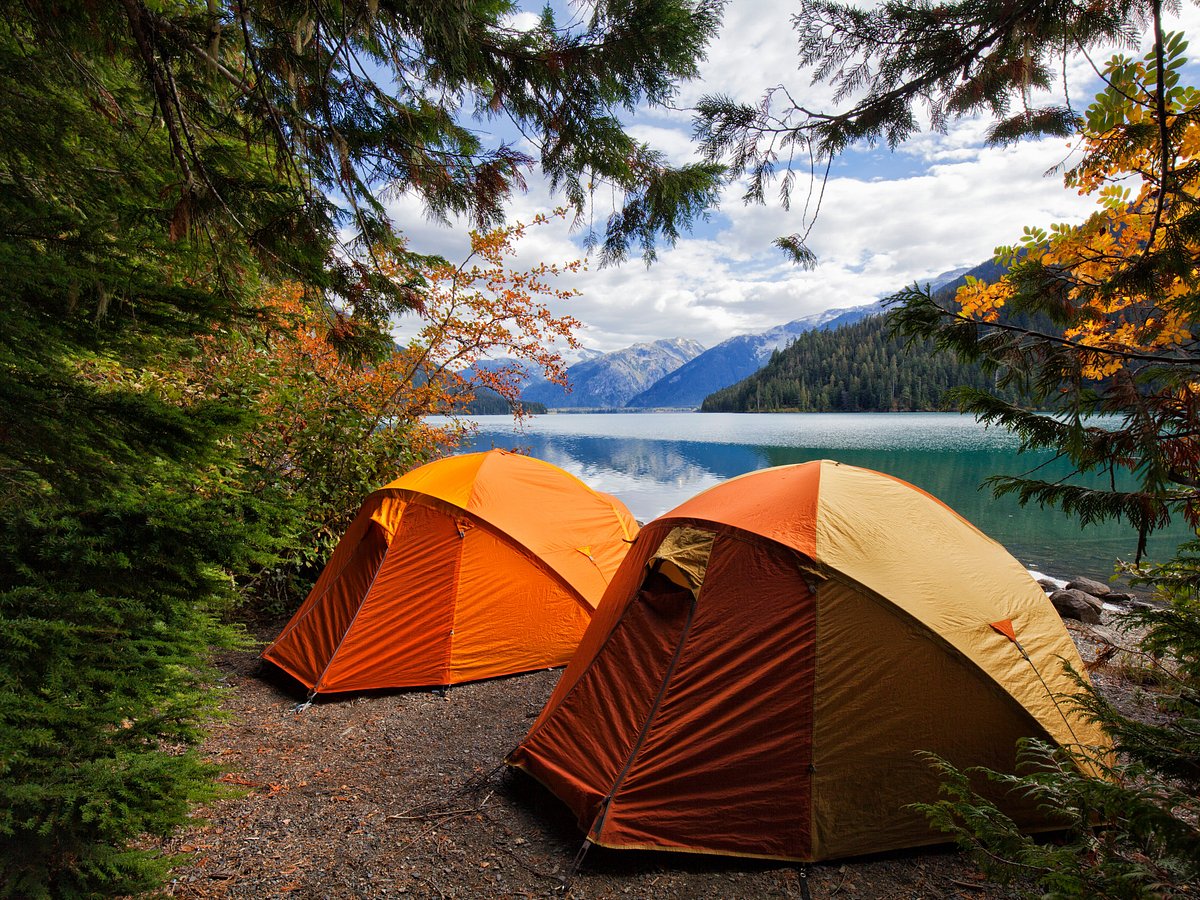
Camping at Lake Mburo: Safety Rules and the Best Pitches
Camping at Lake Mburo National Park offers one of Uganda’s most enjoyable outdoor wildlife experiences. Located in western Uganda, between Kampala and Mbarara, the park has open grasslands, acacia woodland, rocky hills and beautiful lakeside scenery. Visitors can spend the night close to nature while enjoying wildlife viewing, birdwatching and guided walking safaris.
Unlike staying in a conventional hotel, camping allows you to experience the park’s natural surroundings throughout the evening and early morning. You may hear birds calling at sunrise, observe zebras grazing near designated camping areas or listen to wildlife sounds after sunset.
However, camping inside a national park requires careful preparation. Wild animals move freely, weather conditions can change, and campsites must follow Uganda Wildlife Authority regulations.
This guide explains the best camping areas in Lake Mburo, how to choose a suitable tent pitch, essential safety rules, camping equipment and practical advice for planning your overnight stay.
Why Choose Camping at Lake Mburo National Park?
Lake Mburo National Park is one of Uganda’s most accessible wildlife destinations for travellers coming from Kampala.
The park lies approximately 230–250 kilometres from the capital, depending on your starting point and selected entrance.
A road journey commonly takes around four to five hours, although traffic and road conditions can increase travelling time.
Because the park is relatively compact, visitors can combine camping with several activities during a short stay.
Wildlife includes zebras, impalas, buffaloes, elands, warthogs and giraffes.
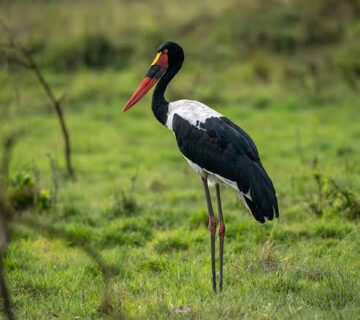
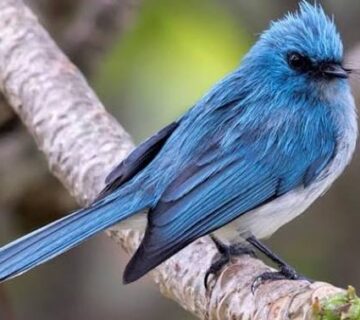
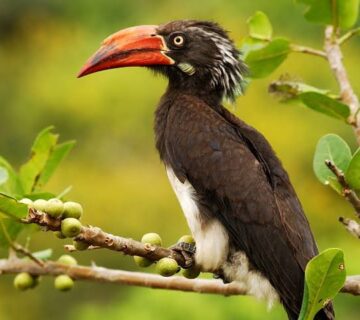
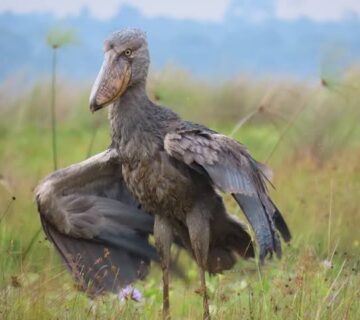
The park is also known for its birdlife.
Camping is particularly attractive to budget travellers, photographers, families and visitors who enjoy spending time outdoors.
Best Camping Areas in Lake Mburo National Park
There are several camping and tented accommodation options inside and around the park.
However, it is important to distinguish official camping grounds from safari lodges offering permanent tents.
Visitors bringing their own tents should confirm that a property accepts independent camping.
1. Rwonyo Rest Camp
Rwonyo Rest Camp is one of the main budget accommodation locations inside Lake Mburo National Park.
It is associated with the park’s administrative and visitor service area.
The Uganda Wildlife Authority provides basic accommodation options around Rwonyo, including bandas and permanent tents.
Camping arrangements can also be organised in designated areas nearby.
Rwonyo is convenient for visitors who want access to park activities and ranger services.
It is particularly suitable for first-time campers who prefer staying near an established visitor area.
Before travelling, confirm the available facilities, current camping charges and exact tent location.
2. Lake Mburo Lakeside Campsite
The designated lakeside camping area near Rwonyo is one of the most attractive options for visitors interested in scenery.
Camping close to the lake provides opportunities to enjoy beautiful views and observe birds around the surrounding habitat.
However, the lakeshore is also an important wildlife area.
Hippopotamuses and crocodiles inhabit Lake Mburo, making it essential to remain within authorised camping areas.
Never pitch your tent directly beside the water without ranger permission.
A suitable lakeside pitch should provide a safe distance from the shoreline and follow the campsite’s established boundaries.
3. Mazinga Camping Area
Mazinga is another campsite name associated with camping arrangements in Lake Mburo National Park.
It is often mentioned alongside accommodation options around Rwonyo.
Visitors considering Mazinga should confirm whether the site is currently operating, where it is located and what facilities are provided.
This is especially important for independent travellers carrying their own equipment.
Ask whether drinking water, toilets, washing facilities and cooking areas are available.
Do not assume every camping location provides the same services.
4. Camping and Tented Accommodation Outside the Park
Visitors who prefer additional facilities can consider accommodation around the park boundaries.
Some properties near Sanga Gate offer safari-style tented rooms and scenic viewpoints.
For example, Eagle’s Nest is known for its elevated setting overlooking the surrounding countryside.
However, permanent safari tents are different from ordinary camping pitches.
If you want to bring your own tent, confirm that the property specifically allows this arrangement.
Comparing Lake Mburo Camping Options
| Camping option | Location | Main advantage | Suitable visitors |
|---|---|---|---|
| Rwonyo Rest Camp area | Inside the park | Access to visitor services | First-time campers |
| Designated lakeside campsite | Near Lake Mburo | Lake views and birdwatching | Nature enthusiasts |
| Mazinga camping area | Park camping area, subject to confirmation | Basic camping experience | Budget travellers |
| Private accommodation near park gates | Outside or near park boundaries | Possible additional facilities | Families and comfort-focused visitors |
| Permanent safari tented camps | Inside or around the park | Beds and established accommodation | Visitors without camping equipment |
Availability, facilities and charges should be confirmed directly before booking.
How to Choose the Best Tent Pitch
Choosing a suitable camping pitch improves comfort and safety.
Even within a designated campsite, some areas may be better than others.
Look for Level Ground
A flat surface makes sleeping more comfortable.
Avoid steep slopes and areas where water may collect during rainfall.
Remove small stones and fallen twigs before setting up your tent.
However, do not clear vegetation or damage the environment.
Avoid Animal Trails
Wild animals use regular movement routes between feeding areas and water sources.
Do not pitch your tent on visible animal paths.
If you notice fresh dung, repeated tracks or disturbed vegetation, ask a ranger whether the location is appropriate.
Keep Away From the Water’s Edge
Lake Mburo supports hippopotamuses and crocodiles.
Hippos may leave the water after sunset to graze.
For this reason, camping directly beside the shoreline can be dangerous.
Choose only the approved camping positions identified by park staff.
Consider Shade and Drainage
Trees may provide welcome shade during the day.
However, avoid pitching beneath dead branches or unstable trees.
During windy weather, falling branches can create serious hazards.
A slightly raised, well-drained surface is generally preferable to a low, muddy area.
Important Wildlife Safety Rules
Camping in Lake Mburo means sharing the surrounding environment with wild animals.
Even animals that appear calm can behave unpredictably.
Never Approach Wildlife
Zebras, antelopes and warthogs may occasionally appear near camping areas.
Enjoy watching them from a safe distance.
Do not approach animals for photographs.
Buffaloes are particularly dangerous when surprised or threatened.
Always follow instructions from rangers and campsite staff.
Stay Inside Your Tent After Dark
Avoid unnecessary movement outside your tent at night.
Wildlife may approach camping areas after sunset.
If you need to use a toilet, follow the campsite’s night-time movement procedures.
Where required, request assistance from a ranger or authorised campsite attendant.
Never walk towards the lake after dark.
Never Feed Wild Animals
Feeding animals can encourage them to approach people and camping equipment.
Keep food securely stored.
Do not leave leftovers outside your tent.
Even small animals can become troublesome when they associate campsites with food.
Keep Your Tent Closed
Close your tent properly whenever you leave it.
This helps prevent insects and small animals from entering.
Check your footwear before putting it on, particularly if it has been left outside.
Campfire Safety in Lake Mburo
A campfire may be enjoyable during an outdoor safari, but it must follow park regulations.
Campfires are only permitted in approved locations.
Never create a new fire pit without permission.
Avoid collecting wood from the surrounding vegetation.
Use only fuel supplied or approved by campsite management.
Keep flames controlled and never leave a fire unattended.
Before sleeping, ensure the fire has been completely extinguished.
During dry or windy conditions, park authorities may restrict fires.
Always follow the current instructions.
Essential Camping Equipment
Preparing suitable equipment is important because facilities may be basic.
| Camping item | Purpose |
|---|---|
| Waterproof tent | Protection from rain and insects |
| Sleeping bag | Warmth during cooler nights |
| Sleeping mat | Comfort and insulation |
| Torch or headlamp | Visibility around camp |
| Insect repellent | Protection against biting insects |
| Drinking water | Hydration |
| First-aid kit | Minor injuries |
| Warm jacket | Cooler evenings |
| Raincoat | Unexpected showers |
| Power bank | Charging essential devices |
| Secure food containers | Keeping supplies protected |
A headlamp is particularly useful because it allows you to keep both hands free.
However, avoid shining bright lights directly at wildlife.
Best Time for Camping at Lake Mburo
Lake Mburo can be visited throughout the year.
However, the weather influences camping comfort.
The region experiences relatively dry periods and rainy seasons.
Rainfall patterns can vary considerably.
Seasonal Camping Conditions
| Period | Typical conditions | Camping advice |
|---|---|---|
| December–February | Often relatively dry | Suitable for general camping |
| March–May | Rainier conditions | Carry waterproof equipment |
| June–August | Often drier | Good for outdoor activities |
| September–November | Rainfall may increase | Choose well-drained pitches |
Rain can fall during any month.
Always check weather conditions before departure.
Activities to Enjoy While Camping
Camping at Lake Mburo can be combined with several wildlife experiences.
Morning Game Drives
Early morning game drives provide opportunities to observe zebras, impalas, buffaloes and other wildlife.
Cooler morning temperatures often make wildlife viewing comfortable.
A guide can help identify animals and explain their behaviour.
Guided Walking Safaris
Lake Mburo is known for guided walking experiences.
These activities allow visitors to explore selected areas on foot under ranger supervision.
Never leave your campsite for an independent wildlife walk without authorisation.
Boat Trips on Lake Mburo
A guided boat excursion provides opportunities to observe aquatic wildlife and waterbirds.
You may see hippos and different bird species.
Stay seated when instructed and follow the boat operator’s safety guidance.
Birdwatching
Lake Mburo supports numerous bird species in its wetlands, grasslands and woodland.
Visitors may encounter African fish eagles, kingfishers and other birds.
Early mornings are particularly suitable for birdwatching.
A Sample Two-Day Lake Mburo Camping Itinerary
| Time | Activity |
|---|---|
| Day 1, 10:00 am | Arrive at Lake Mburo National Park |
| 11:00 am | Register and confirm campsite arrangements |
| 12:00 pm | Set up your tent and have lunch |
| 3:00 pm | Afternoon game drive |
| 6:00 pm | Return to campsite |
| 7:00 pm | Dinner and relaxation |
| Day 2, 6:30 am | Morning wildlife activity |
| 9:00 am | Breakfast |
| 10:00 am | Pack camping equipment |
| 11:00 am | Depart the park |
The schedule can be adjusted according to your chosen campsite and booked activities.
Camping With Children at Lake Mburo
Families can enjoy camping when appropriate safety precautions are followed.
Children must remain under adult supervision.
Explain that wild animals should never be approached or fed.
Choose a campsite with suitable facilities and clear safety arrangements.
Avoid allowing children to wander between tents after dark.
For younger children, permanent tents or bandas may offer greater convenience than basic camping.
Ask the campsite whether family accommodation is available.
Camping Costs and Booking Arrangements
Camping expenses depend on accommodation type, nationality, park entrance fees and additional activities.
Visitors should budget separately for conservation fees, camping charges, food and transport.
Guided activities may involve additional costs.
Before paying, request a breakdown of what your booking includes.
Confirm whether you need to bring your own tent, bedding and cooking equipment.
Also ask about drinking water and toilet facilities.
Because charges can change, obtain current information directly from Uganda Wildlife Authority or your accommodation provider.
Responsible Camping Practices
Visitors should leave the campsite clean.
Collect all rubbish and dispose of it in designated bins.
Avoid washing utensils or clothing directly in the lake.
Use established toilet facilities.
Do not remove plants, stones or wildlife materials.
Keep noise levels low, especially during the evening.
Respect other campers and avoid disturbing wildlife with loud music.
These simple habits help preserve the camping environment.
Camping at Lake Mburo National Park provides an enjoyable opportunity to experience Uganda’s wildlife and natural landscapes at close range.
Rwonyo and the designated lakeside camping areas are practical options for visitors who want to stay inside the park, while accommodation near the park boundaries offers additional choices.
However, safety should always guide your camping arrangements.
Choose an approved pitch, follow ranger instructions, secure food and avoid unnecessary movement after dark.
With suitable equipment and careful planning, camping at Lake Mburo can become a memorable part of your Uganda safari.

No comment