
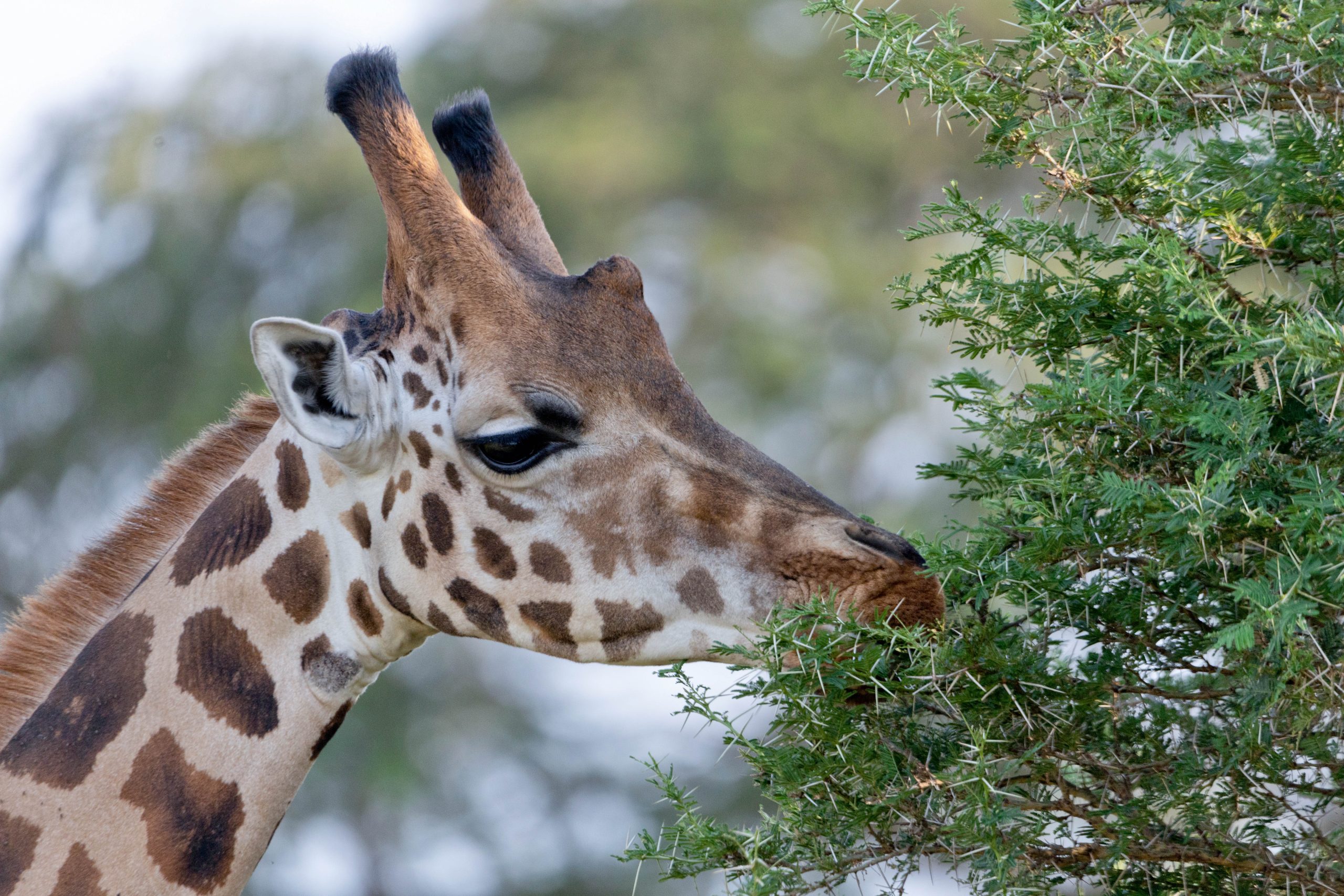
Fly-In Luxury Safaris: Where They Make The Most Sense
a fly-in luxury safari offers a practical way to explore africa’s remote wildlife destinations without spending much of the holiday travelling by road. instead of committing to long drives between national parks, travellers use small aircraft to reach airstrips near their lodges or camps. this can turn a demanding transfer into a relatively short flight, leaving more time for game drives, scenic views, relaxation, and wildlife experiences.
for travellers visiting east africa, fly-in safaris are particularly useful when destinations are far apart, the holiday is relatively short, or the preferred accommodation is located deep inside a remote wildlife area. they are popular with honeymooners, couples, photographers, families seeking comfort, and travellers who want to combine several distinctive landscapes without spending entire days on the road.
however, flying between destinations is not automatically the best choice for every luxury safari. some parks are close enough to reach comfortably by road, and the journey itself can provide worthwhile experiences. the strongest itineraries use flights where they offer a clear advantage and retain road transfers where the distances are manageable or the scenery deserves more time.
kenya, tanzania, and uganda offer several excellent fly-in safari opportunities. rwanda also has options for travellers seeking premium transport, including chartered helicopter transfers, although road travel is often practical because of the country’s relatively compact size. understanding where flying makes the greatest difference helps travellers spend their budget on experiences that genuinely improve the journey.
What is a fly-in luxury safari?
a fly-in safari is a trip in which at least part of the journey between destinations takes place by aircraft rather than entirely by road. most routes use small turboprop aircraft that carry a limited number of passengers to regional airports or bush airstrips. from the landing strip, a lodge representative or safari guide usually collects guests and transfers them to their accommodation.
the term luxury describes the overall travel experience rather than the aircraft alone. a well-planned fly-in safari may include premium accommodation, private game drives, personalised service, scenic flights, flexible activity schedules, and carefully arranged transfers. some travellers fly on scheduled services shared with other guests, while others charter an aircraft for private use.
the difference between these arrangements is important. a scheduled flight can provide an efficient connection at a lower cost than a private charter, but departure times and routes follow the operator’s schedule. the aircraft may stop at more than one airstrip to collect or drop off passengers. a private charter offers greater control over departure arrangements, subject to aircraft availability, weather, airstrip conditions, and aviation regulations.
both options can support a comfortable safari. the right choice depends on the number of travellers, the route, the available budget, and how much flexibility the group needs.
Where fly-in luxury safaris make the most sense
Kenya: the masai mara and remote conservancies
kenya is one of the strongest choices for a fly-in luxury safari because its main wildlife destinations are served by a developed network of domestic safari flights. travellers can depart from nairobi’s wilson airport and reach airstrips serving the masai mara, samburu, amboseli, and several private conservancies.
the masai mara is especially suitable for travellers who want to maximise their time in the wilderness. travelling by road from nairobi can take much of a day, depending on traffic, weather, and road conditions. a scheduled light-aircraft flight can reduce the transfer considerably, allowing guests to reach the area much sooner.
once in the mara, travellers can stay at a tented camp or lodge selected for its location, service, and wildlife activities. some properties are within the main reserve, while others are in surrounding conservancies. the best location depends on the desired experience, the camp’s access arrangements, and whether the itinerary prioritises traditional game drives, a quieter atmosphere, or particular seasonal wildlife movements.
flying is particularly useful for couples and honeymooners who want several nights at a remote camp without losing a substantial part of the holiday to road travel. guests can arrive, settle into their accommodation, and begin enjoying the landscape rather than spending the first day recovering from a long drive.
the masai mara also works well as part of a wider kenya itinerary. travellers might fly from nairobi to the mara, spend several nights on game drives, and then continue by air to a northern conservancy or the coast. this arrangement can reduce backtracking and make a multi-destination trip more comfortable.
the main consideration is cost. flights, transfers, park or conservancy fees, and high-end accommodation can make a fly-in mara safari significantly more expensive than a road-based alternative. travellers should compare the complete package rather than looking at the flight price alone.
Kenya: samburu and laikipia
samburu and the laikipia region are attractive for travellers who want a different setting from the open plains of the masai mara. samburu is known for its dry northern landscapes and wildlife adapted to the region, while laikipia contains a range of conservancies, community conservation areas, and private wildlife properties.
flying can make these destinations easier to combine with the mara, especially when a traveller has only a week or slightly longer. instead of spending several days travelling between distant regions, guests can move by air and settle into a new landscape.
laikipia can be particularly appealing to travellers interested in conservation, guided nature walks where permitted, and accommodation that offers a more individual experience. the activities available vary by property and conservancy, so the lodge should be selected according to the interests of the travellers rather than its luxury rating alone.
for photographers, the appeal lies in having time to work with changing light and wildlife behaviour. for couples, the benefit may be a peaceful setting and a more flexible daily routine. for travellers who have already visited the mara, a second region can provide a useful contrast without requiring a complicated overland journey.
flying is most worthwhile when the itinerary combines regions that are genuinely far apart. if a couple plans to stay in only one conservancy, a flight may still be convenient, but its value should be weighed against the cost and the availability of a suitable road transfer.
Tanzania: the serengeti
tanzania is another leading destination for fly-in luxury safaris, particularly for travellers visiting the serengeti. the park covers a vast area, and the most appropriate access point depends on where the lodge is located and which wildlife experiences are a priority.
flying from the arusha area or another suitable regional departure point can make reaching the serengeti much easier. the journey by road can be long, particularly when travellers want to reach a remote camp in the northern or western parts of the ecosystem. a flight to a nearby airstrip can reduce the time spent travelling and allow guests to concentrate on their safari.
the choice of airstrip matters. the serengeti is not a single compact destination, and camps in different regions can be separated by substantial distances. a property in the central serengeti may be convenient for one itinerary, while a camp in the north or west may be better for a different season or wildlife interest. travellers should select the camp and flight together rather than booking a lodge first and assuming every airstrip will be equally convenient.
the great migration is one reason travellers choose fly-in arrangements. the movement of wildebeest and other grazing animals changes throughout the year, so the location of the herd depends on seasonal rainfall and grazing conditions. a fly-in itinerary can help visitors reach a suitable region without a long transfer, but no camp can guarantee that a particular wildlife event will occur during a specific stay.
a luxury serengeti safari may include several nights at one camp, guided game drives, meals, and time to enjoy the surrounding wilderness. some travellers choose a single camp to avoid repeated packing, while others move between two regions when the additional transfer is worthwhile.
for a short holiday, flying can make the serengeti much more practical. for a longer journey that includes tarangire, lake manyara, or ngorongoro, a combination of road travel and flights may offer a better balance.
Tanzania: ruaha and nyerere national parks
ruaha and nyerere national parks are suitable for travellers looking for more remote safari environments and a quieter style of travel. their distances from the main northern safari circuit make flights particularly useful when the itinerary includes other regions.
ruaha offers broad landscapes, river systems, and varied wildlife habitats. nyerere national park, in southern tanzania, is known for its extensive wilderness and opportunities for different types of wildlife activities, depending on the area and camp. boat excursions may be available in suitable parts of the river system, while guided game drives remain central to many visits.
these parks can suit travellers who prefer a smaller number of destinations and several nights in one remote property. rather than trying to cover multiple regions in a short period, guests can arrive by air, settle into camp, and spend several days exploring with local guides.
flying is especially valuable when the alternative would involve a long road journey that leaves little time for activities. it can also make a southern tanzania safari easier to combine with a beach stay, depending on the available flight connections.
however, remote destinations require careful planning. flights may operate on particular days or schedules, and some camps depend on seasonal access conditions. travellers should confirm the flight timetable, baggage allowance, transfer arrangements, and contingency plan before making non-refundable bookings.
Uganda: bwindi impenetrable national park
uganda offers a particularly strong case for fly-in travel when the itinerary includes gorilla trekking in bwindi impenetrable national park. road transfers from entebbe or kampala can take much of a day, and the exact journey depends on the trekking sector and road conditions.
domestic flights can connect travellers with airstrips serving areas near bwindi, including kihihi and kisoro. the appropriate landing point depends on the gorilla trekking sector, accommodation, and transfer arrangements. flying can reduce road time substantially, which is valuable for travellers with limited days or those who want to avoid a long journey before a physically demanding trek.
a luxury gorilla safari can include a comfortable forest lodge, a private transfer where available, a carefully planned trekking day, and additional time to rest or enjoy the surrounding countryside. couples may prefer several nights in the same area rather than combining the trek with multiple long transfers.
gorilla trekking requires advance preparation. permits are limited, and the date, sector, and lodge location should be coordinated before flights are finalised. travellers should also understand that trekking involves walking on uneven terrain, steep slopes, and potentially muddy forest paths. a fly-in transfer reduces the time spent travelling to the region, but it does not remove the physical demands of the trek.
for travellers combining gorillas with savannah wildlife, a fly-in itinerary can connect bwindi with other destinations, subject to the available routes and schedules. queen elizabeth national park is a possible addition, while more remote destinations such as kidepo valley national park may also benefit from air access. each addition should be assessed for travel time, cost, and the number of nights available.
Uganda: kidepo valley national park
kidepo valley national park is one of the clearest examples of where flying can transform a safari itinerary. located in northeastern uganda, it is far from the country’s main international gateway and can require a long road journey.
for travellers with only a few days, a domestic flight can make kidepo considerably more accessible. rather than spending a large part of the trip travelling overland, visitors can arrive near the park and use their available time for game drives and relaxation at their lodge.
kidepo appeals to travellers who value open scenery, rugged hills, expansive valleys, and a sense of remoteness. its wildlife and landscape differ from those of uganda’s more frequently visited western parks, making it an appealing addition for visitors who have already explored other areas or want a distinctive safari experience.
a fly-in stay works best when the couple or group allows enough nights to enjoy the destination. flying in for a single night may be possible in some circumstances, but it leaves little room for delays and limits the time available for game drives. two or three nights generally create a more comfortable structure, depending on the flight schedule and the traveller’s priorities.
the higher cost of flights should be balanced against the time saved. for travellers who enjoy long road trips and have plenty of time, driving may still be attractive. for visitors who want to experience kidepo without committing several days to road travel, flying is often the more practical choice.
Uganda: murchison falls and queen elizabeth national park
murchison falls national park and queen elizabeth national park also have air access, but the value of flying depends on the route and length of the trip.
murchison falls is accessible by road from entebbe or kampala, and the drive can be part of a wider itinerary that includes stops along the way. a flight may be worthwhile for travellers with limited time or those staying at a remote lodge where a road transfer would be inconvenient. however, for a longer uganda road safari, the overland journey can fit naturally into the route.
queen elizabeth national park offers game drives, boat excursions on the kazinga channel, and access to different landscapes within the wider region. flying can be useful when the park forms part of a multi-destination itinerary that also includes gorilla trekking or another remote area.
the best choice is often a hybrid arrangement. travellers can drive where the route is manageable and the scenery adds value, then fly for the longer leg to another destination. this avoids paying for flights that save little time while preserving the benefits of air travel where it matters most.
Rwanda: when helicopter transfers make sense
rwanda is different from kenya, tanzania, and uganda because many of its main destinations can be reached by road within a manageable journey. the drive from kigali to the volcanoes region, for example, is often practical for travellers who want to visit the mountain gorillas or explore the surrounding countryside.
for high-end travellers, helicopter transfers may provide an alternative when saving time, reducing road travel, or enjoying an aerial view is a priority. the service depends on operator availability, weather, landing permissions, and the exact route. it should be arranged well in advance rather than treated as an automatic part of every luxury itinerary.
a helicopter transfer may make sense for a couple with a short schedule, a private group, or travellers connecting several premium experiences. it is less necessary when the road journey is straightforward and the travellers are comfortable with ground transport.
rwanda also combines well with uganda for gorilla trekking or with other regional destinations, but cross-border flights and transfers require careful coordination. travellers should confirm immigration arrangements, luggage requirements, and the exact departure and arrival points before booking.
When a fly-in luxury safari is worth the cost
flying is most valuable when it solves a genuine travel problem. a shorter transfer is useful, but the real benefit is the time and energy it returns to the holiday.
When the holiday is short
travellers with four to seven days may not have enough time for several long road transfers. flying can make it possible to reach a remote wildlife area, spend several nights there, and return without dedicating a large share of the holiday to transport.
this is especially relevant for visitors who have already travelled a long distance internationally. after an overnight flight, an additional full day on the road can feel tiring. a well-coordinated domestic flight may provide a smoother transition into the safari.
When the lodge is remote
some luxury camps are selected precisely because they are far from busy towns and main roads. reaching them by road may be slow or inconvenient, while a nearby bush airstrip can provide direct access.
in such cases, the flight is part of the practical structure of the trip rather than an optional luxury. travellers should still check the distance between the airstrip and lodge, because landing near a national park does not necessarily mean arriving directly at the accommodation.
When combining distant destinations
a fly-in safari can connect two or more wildlife regions without requiring repeated long drives. a kenya itinerary might combine the masai mara with samburu, while a tanzania trip might pair the serengeti with a remote southern park or a coastal extension.
the most efficient routes depend on the flight network. not every destination is connected directly, and some itineraries require returning to a hub or changing aircraft. a good operator should explain the actual routing and avoid promising direct connections that are not available.
When comfort is a priority
some travellers find long road journeys tiring, particularly when the roads are rough or the schedule includes repeated early departures. flying can reduce this strain and leave guests with more energy for wildlife activities.
this can be important for older travellers, couples seeking a relaxed holiday, or guests who prefer to spend their time at a lodge rather than moving between destinations. however, light aircraft can be noisy, the cabins are smaller than those of commercial airliners, and flights may be affected by weather. flying is a different form of travel, not a guarantee of complete comfort.
When the itinerary includes a special occasion
honeymoons, anniversaries, milestone birthdays, and private celebrations often involve limited travel dates and a preference for carefully planned experiences. a fly-in itinerary can reduce time in transit and allow more nights at a remote lodge.
the value comes from the complete arrangement, not simply from travelling by aircraft. a couple may prefer three nights at a well-chosen camp, private transfers, and unhurried game drives rather than visiting many destinations in quick succession.
When driving makes more sense
despite its advantages, flying is not always the best option. road travel can be more practical, more economical, or more rewarding depending on the route.
When destinations are close together
if two parks are connected by a manageable drive, the savings from flying may be limited. airport transfers, check-in procedures, waiting time, and the transfer from the destination airstrip can reduce the apparent advantage.
on parts of tanzania’s northern circuit, for example, a road itinerary can connect several destinations naturally. the journey can also include scenic stops and wildlife experiences that would be missed by flying directly between camps.
When the journey is part of the experience
some travellers enjoy seeing villages, farms, landscapes, and changing environments along the way. a road safari provides continuity with the same guide and vehicle, allowing questions and conversations to develop throughout the journey.
for first-time visitors who want to understand a country beyond its national parks, road travel can add considerable value. a hybrid itinerary is often the best solution, using a vehicle for interesting or relatively short journeys and flights for remote or time-consuming transfers.
When the budget is limited
light-aircraft flights and private charters can add substantially to the cost of a safari. a road-based itinerary may allow travellers to spend more on accommodation, activities, or a longer stay.
groups should compare the cost per person carefully. a private charter can be expensive for two travellers but may become more competitive when several people share the aircraft cost, depending on the route and aircraft capacity. scheduled flights may offer a lower-cost alternative, although they provide less control over departure times.
When luggage and equipment are important
road vehicles generally allow more luggage than small safari aircraft. photographers carrying large camera kits, families travelling with several bags, and guests with specialised equipment should check the baggage rules before booking.
if a trip combines a safari with a beach stay or city visit, travellers may be able to leave excess luggage at a hotel or arrange storage through their operator. this must be confirmed in advance, particularly if the itinerary returns to a different airport.
Scheduled bush flights versus private charters
choosing between scheduled flights and a private charter is an important part of planning a luxury safari.
scheduled bush flights operate on published routes and timetables, often carrying passengers travelling to different lodges. they are generally more economical than chartering an aircraft and work well when the flight schedule matches the itinerary. the trade-off is that travellers may need to adjust their plans around departure times and intermediate stops.
a private charter offers more control over routing and departure arrangements, within operational limits. it can be useful for a group, a special occasion, or an itinerary involving several destinations that are difficult to connect on scheduled services. however, charter flights cost more and remain subject to aircraft capacity, weather, landing permissions, and safety requirements.
travellers should ask whether the quoted flight is scheduled or chartered, whether baggage is included, and whether the itinerary involves additional stops. the words private safari do not necessarily mean private aircraft, just as a luxury lodge booking does not automatically include charter flights.
What to know about luggage on safari flights
small aircraft have limited cargo space, and luggage restrictions are usually stricter than those on international commercial flights. many east african safari routes use a soft-bag allowance around 15 kilograms per person, although the exact weight and bag dimensions vary by airline, aircraft, and route.
the allowance may include hand luggage, camera equipment, and other personal items. travellers should confirm the current rules directly with the operator rather than assuming that every route uses the same limit.
soft-sided bags are often required because they fit more easily into the aircraft’s cargo compartment. rigid suitcases may be unsuitable even when they fall within the weight limit. travellers should also disclose unusually heavy equipment or any special baggage needs before departure.
packing light is easier when lodges offer laundry services. a small selection of practical clothing can often be sufficient for several days, especially when the accommodation can wash and dry garments between activities. if the trip includes a beach extension or city stay, arrange excess-luggage storage or additional baggage in advance.
How to plan a smooth fly-in itinerary
a successful fly-in safari depends on coordination between international flights, domestic departures, lodge transfers, activities, and the return journey. the aircraft journey may be short, but the wider schedule still needs to be realistic.
Start with the main experience
decide which wildlife or landscape experience matters most. it might be gorilla trekking in uganda, the great migration in tanzania, the masai mara’s wildlife, or a remote camp in southern tanzania. choose the destination first, then identify the most suitable accommodation and airstrip.
this approach avoids building an itinerary around flight availability alone. it also helps determine how many nights to spend in each location.
Coordinate flights with accommodation
lodge location and flight routing should be planned together. some camps are close to particular airstrips, while others require a longer road transfer after landing. the nearest airstrip on a map is not always the most practical one, particularly when roads or seasonal conditions affect access.
ask the operator to specify the arrival airstrip, the expected transfer to the lodge, and the arrangements for the return flight. clarify whether the ground transfer is included and whether it is private or shared.
Allow time for delays
weather can affect small-aircraft operations, particularly during periods of heavy rain, low cloud, or poor visibility. airstrip conditions and operational requirements can also influence departure times. travellers should avoid scheduling a tight connection between a bush flight and an international departure without an appropriate buffer.
where possible, spend the final night near the international departure airport or choose a route with enough flexibility to absorb delays. this is especially important when the itinerary includes several flights or when missing a connection would be expensive.
Choose the right balance of activity and rest
flying makes it possible to reach remote destinations faster, but the itinerary should not become overloaded simply because transfers are shorter. allow time to enjoy the lodge, take game drives, and rest between activities.
two or three nights at a camp can provide a more satisfying experience than a sequence of single-night stays. for a luxury safari, the accommodation and surrounding landscape should be part of the holiday, not merely a place to sleep between transfers.
The best time for a fly-in luxury safari
the best time depends on the destination and the experiences planned. many travellers choose the drier periods for wildlife viewing because vegetation may be thinner and some roads and tracks may be easier to navigate. however, seasonal wildlife movements, rainfall, and local conditions differ across east africa.
in kenya and tanzania, the timing of the great migration influences where travellers may wish to stay. the herds move in response to rainfall and grazing, so the most appropriate region changes throughout the year. a camp that is well placed for one period may be less convenient several months later.
uganda’s gorilla trekking is available throughout the year, but forest trails can be slippery and demanding when conditions are wet. travellers should select a trekking date, permit, lodge, and flight arrangement as one coordinated plan.
the flying network also affects seasonal planning. some routes operate on particular days, and weather can disrupt access to remote airstrips. travellers with fixed international departure dates should avoid leaving essential connections until the last possible moment.
Understanding the full cost of a fly-in luxury safari
the cost of a fly-in safari depends on the number of flights, the destination, the accommodation category, the season, and whether the aircraft is shared or privately chartered. park and conservancy fees, meals, guided activities, and ground transfers can also make a substantial difference to the total.
rather than comparing only the advertised accommodation price, request a complete itinerary with the major costs itemised. confirm which flights are included, whether the transfer to and from each airstrip is covered, and whether park fees or activities are additional.
a higher-priced package may offer better value if it includes the flights and transfers that would otherwise need to be purchased separately. equally, a road safari may provide a better overall experience if the distances are manageable and the savings allow for a longer stay or a better-located lodge.
travellers should also check the payment schedule, cancellation conditions, and policies for flight disruptions. remote camps often have limited room capacity, and flights may have separate booking terms from accommodation. clarity before payment helps prevent unexpected costs later.
Sample fly-in luxury safari itineraries
Five days in the masai mara
a five-day trip can begin with a flight from nairobi to an airstrip serving the selected mara camp. after arrival and transfer, guests can enjoy an afternoon activity if the schedule allows. the following days can include morning and afternoon game drives, with time to relax at camp between outings.
the final day includes a transfer back to the airstrip and a flight to nairobi. this arrangement is particularly useful for travellers who want a focused wildlife experience without spending much of the trip on the road. the best camp location depends on the season, the wildlife interests, and the preferred accommodation style.
Seven days in tanzania
a seven-day itinerary might include a flight into the serengeti, several nights at a camp in one region, and a second wildlife destination or a carefully planned connection towards the coast. the exact sequence depends on flight availability and the location of the selected lodges.
travellers interested in the great migration should choose the serengeti region according to the expected seasonal movement of the herds. those who prefer a broader wildlife experience may focus on a central serengeti camp and add a destination that connects efficiently by road or air.
the itinerary should avoid too many one-night stops. several nights in one region give guests more time for game drives and make better use of the accommodation.
Six days in uganda
a six-day fly-in itinerary can focus on gorilla trekking in bwindi, with flights to the appropriate airstrip and enough time to settle into a forest lodge before the trek. additional nights can allow for a gentle nature experience or a visit to another destination, provided the transport schedule remains realistic.
another option is to focus on kidepo valley national park for several nights of game viewing and scenic exploration. combining both bwindi and kidepo in six days may be possible only with careful flight coordination, and it may feel rushed. choosing one main experience can provide a more relaxed trip.
Ten days combining wildlife and the coast
a longer itinerary can combine several nights in a major wildlife area with a coastal stay. in tanzania, for example, travellers can fly into the serengeti, spend time at a carefully selected camp, and continue towards zanzibar using available connections.
the wildlife portion should have enough nights for game drives and rest, while the coastal portion provides a different pace. planning the flight connections in advance reduces unnecessary backtracking and leaves more time for the experiences that make the trip special.
Who benefits most from a fly-in luxury safari?
fly-in safaris are particularly well suited to travellers who value time, comfort, and access to remote destinations. couples celebrating a special occasion can use them to spend more nights at an intimate camp. photographers can reduce transit time and concentrate on a chosen wildlife region. families with a limited holiday period may find that flying makes a distant park more practical, provided the aircraft and activity arrangements suit their needs.
they can also appeal to returning safari travellers who have already visited the best-known parks and want to explore a more remote region. in such cases, air access can make destinations that are difficult to reach by road much easier to include.
however, travellers who enjoy road journeys, want to see rural landscapes, or prefer a lower overall budget may be better served by an overland safari. luxury should be defined by the quality of the experience, not by the number of flights involved.
Making the right choice
fly-in luxury safaris make the most sense when the distance between destinations is substantial, the lodge is remote, or the holiday is too short to spend several days travelling by road. kenya’s masai mara and northern conservancies, tanzania’s serengeti and southern parks, and uganda’s bwindi and kidepo are strong examples of destinations where flying can improve the overall itinerary. in rwanda, helicopter transfers may be worthwhile for selected premium journeys, while road travel remains practical for many visitors.
the best safari is not necessarily the one with the most flights or the highest accommodation rate. it is the one that uses time well, matches the travellers’ interests, and allows enough space to enjoy each destination. by combining flights for long transfers with road journeys where they add value, travellers can create a safari that feels comfortable, efficient, and rewarding without rushing from one place to another.



No comment