

Can I Bring My Own Binoculars Into National Parks?
Yes, you can bring your own binoculars into national parks in East Africa. In fact, carrying a personal pair is one of the most useful things you can do when preparing for a safari. Binoculars help you see animals at a distance, identify birds in trees, observe wildlife behaviour and enjoy details that are difficult to notice with the naked eye.
Whether you are visiting Uganda’s savannah parks, tracking primates in Rwanda, watching elephants in Kenya or following the Great Migration in Tanzania, your binoculars can make wildlife viewing more rewarding. They are useful for experienced birdwatchers and photographers, but they are equally valuable for first-time safari travellers who want a closer look at the animals.
Personal binoculars are generally accepted as ordinary visitor equipment in national parks. They are not normally treated as restricted items simply because you are entering a protected area. However, visitors should still follow park regulations concerning wildlife disturbance, movement outside vehicles, photography and responsible behaviour.
Understanding which binoculars to bring, how to protect them and how to use them during a game drive will help you get more from your safari.
Are Binoculars Allowed in Uganda’s National Parks?
Yes. Visitors can generally bring personal binoculars into Uganda’s national parks. They are useful for observing animals in open grasslands, woodland, wetlands and forest habitats.
In Murchison Falls National Park, binoculars can help you spot wildlife across the savannah and along the Nile. They are also useful for observing birds near the river and wetlands. In Queen Elizabeth National Park, you can use them to watch elephants, buffaloes, antelopes and birds from a suitable distance.
For visitors travelling to Lake Mburo National Park, binoculars are helpful for identifying zebras, impalas, elands and other animals. Birdwatchers visiting Kibale Forest National Park, Bwindi Impenetrable National Park or Mgahinga Gorilla National Park may also find them valuable for observing birds and wildlife around forest edges.
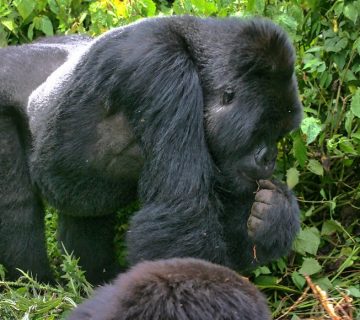
During gorilla trekking, binoculars can help with birdwatching and observing wildlife from a distance, although they are not essential for seeing mountain gorillas at the permitted viewing distance. Your guide will explain how to behave around the gorillas and follow the applicable viewing rules.
You should pack binoculars with your other personal travel equipment. Keep them accessible during game drives rather than buried at the bottom of your main suitcase.
Can You Bring Binoculars Into Kenya’s National Parks?
Yes. Binoculars are recommended equipment for visitors to many Kenyan national parks and reserves. They can improve wildlife viewing in places such as Amboseli National Park, Nairobi National Park, Lake Nakuru National Park and the Maasai Mara ecosystem.
In open landscapes, animals may be visible from a distance but too far away to appreciate their features clearly. Binoculars help you distinguish different species, observe behaviour and look for details such as horns, markings and bird plumage.
They are particularly useful when watching elephants in Amboseli, spotting predators in the Maasai Mara or observing birds around lakes and wetlands.
Kenya Wildlife Service visitor guidance for several parks lists binoculars among the recommended items to bring. This reflects their practical value for wildlife observation.
Visitors should still respect park rules. Binoculars do not give you permission to leave your vehicle in restricted areas, approach animals too closely or disturb wildlife to obtain a better view.
Are Binoculars Allowed in Tanzania’s National Parks?
Yes. Personal binoculars are commonly used during safaris in Tanzania and are a useful addition to your packing list.
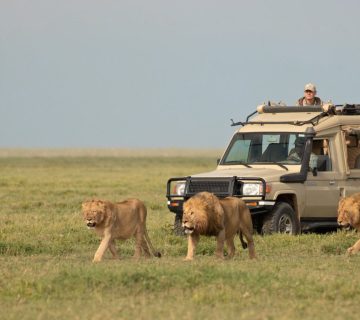
In Serengeti National Park, binoculars can help you observe animals spread across large grassland areas. They are particularly useful when watching the Great Migration, locating distant herds or examining birds and smaller animals.
In Ngorongoro Conservation Area, they can help you observe wildlife across the crater floor without needing to approach animals. Visitors to Tarangire National Park can use them to look for elephants, birds and other wildlife around woodland and seasonal water sources.
Binoculars are also helpful during visits to Lake Manyara National Park, where forest, lake and wetland habitats support a variety of bird species.
If your itinerary includes several parks, a personal pair is convenient because you can use the same equipment throughout the trip. You do not need a different pair for each destination.
If you are travelling on a fly-in safari, check the luggage allowance for your scheduled aircraft. Binoculars themselves are generally easy to carry, but their case and other camera equipment may contribute to your overall hand-luggage weight.
Can You Bring Binoculars Into Rwanda’s National Parks?
Yes. Visitors can generally carry personal binoculars into Rwanda’s national parks.
In Akagera National Park, binoculars are useful for spotting savannah wildlife, including elephants, buffaloes, antelopes and a variety of birds. They can also help you observe animals near lakes and wetlands.
For birdwatching in Nyungwe National Park, binoculars can be especially valuable because many birds are seen among trees or at a distance. Forest conditions can make it difficult to identify species without optical assistance.
Visitors to Volcanoes National Park may also use binoculars for birdwatching and general nature observation. During gorilla trekking, however, follow your guide’s instructions and the park’s rules concerning how to behave around the gorillas.
Before visiting any protected area, check the specific activity requirements provided by your tour operator or park authority. Binoculars are ordinary observation equipment, but rules governing wildlife encounters and permitted activities still apply.
Should You Bring Your Own Binoculars or Borrow Them?
Bringing your own binoculars is usually the most convenient option if you already own a suitable pair. You know how they fit your hands, how to focus them and how well you can see through them.
This becomes particularly important during a safari because wildlife sightings can happen unexpectedly. An animal may appear beside the road, cross a clearing or move into the trees for only a short time. Having binoculars ready means you can start observing immediately instead of waiting for another passenger to finish using shared equipment.
Borrowing binoculars may be possible through some lodges, safari operators or specialist tour companies. However, availability varies, and not every accommodation provider supplies them. If you depend on borrowed equipment, confirm this before departure rather than assuming it will be available.
Sharing binoculars can also be inconvenient when several people want to watch the same animal. Adjusting the focus and fit for different users takes time, and a wildlife sighting may end before everyone has had a chance to look.
For travellers who are serious about birdwatching, personal binoculars are particularly worthwhile. Bird identification often depends on subtle differences in colour, shape and markings, so familiar equipment can make the experience easier.
If you do not own binoculars and do not want to purchase them, ask your safari operator whether borrowing or hiring a pair is possible.
What Binocular Magnification Is Best for Safari?
For most general safari activities, binoculars with 8x or 10x magnification are suitable.
An 8x binocular makes an animal appear approximately eight times closer than it would to the unaided eye. A 10x binocular provides greater magnification, which can help when observing animals farther away.
However, greater magnification does not automatically produce a better viewing experience. Higher magnification can make the image more difficult to hold steady, especially when you are standing, sitting in a moving vehicle or trying to follow a moving bird.
An 8×42 binocular is a popular all-purpose choice. The magnification is manageable, the field of view is generally generous and the 42 mm objective lenses collect useful light during early morning and late afternoon game drives.
A 10×42 binocular is another good option, particularly for people who want more magnification for distant animals and birds. However, some users find it harder to keep the image steady.
For most first-time safari travellers, an 8×42 is a sensible starting point. Experienced birdwatchers may prefer 10x magnification depending on their habits and the environments they visit.
You do not need expensive professional equipment to enjoy a safari. Choose binoculars that feel comfortable, focus easily and provide a clear image.
Are Expensive Binoculars Necessary for a Safari?
No. You can enjoy wildlife viewing with affordable binoculars, provided they offer reasonable optical quality and are comfortable to use.
More expensive models may provide brighter images, better contrast, improved coatings, stronger construction and better performance in difficult lighting. These features can be valuable for frequent safari travellers and serious birdwatchers.
However, the best binoculars are not necessarily the most expensive ones. A moderately priced pair that you know how to use can be more helpful than a costly model that is heavy, difficult to focus or uncomfortable to hold.
When comparing binoculars, look for clear optics, smooth focusing, a comfortable grip and a design that is practical for travel. Water resistance is useful because safaris can involve rain, damp conditions and dust. A protective case and lens covers are also worthwhile.
If you travel frequently, durability may justify spending more. If you expect to go on only one safari, a reliable entry-level or mid-range pair may be sufficient.
Before your trip, practise focusing on objects at different distances. Learning how to adjust the eyecups, central focus and dioptre setting will make it easier to use the binoculars when an animal appears unexpectedly.
How Do You Carry Binoculars During a Game Drive?
The easiest approach is to keep your binoculars within reach while travelling in the safari vehicle.
You can use a neck strap, a padded case or a suitable binocular harness. A harness distributes the weight across your shoulders and can be more comfortable during a full day of wildlife viewing.
Keep the binoculars secure when the vehicle is moving over rough roads. Avoid placing them loosely on a seat where they could fall if the driver brakes suddenly.
Dust is a common challenge in savannah parks, especially during dry periods. When you are not using the binoculars, store them in a protective case or cover them with the supplied lens caps. Do not leave the lenses exposed to dust for long periods.
If rain is expected, use a waterproof cover or a bag that protects the equipment from moisture. Even binoculars described as water-resistant should be treated with care.
During a game drive, avoid leaning too far out of the vehicle while using them. Follow your guide’s instructions and remain within the permitted viewing area.
Can You Use Binoculars to Watch Gorillas?
Yes, binoculars can be carried on a gorilla trekking excursion, but their usefulness depends on the conditions and the viewing situation.
Mountain gorillas are usually observed at a distance determined by the park’s wildlife guidelines and the instructions of the trekking guides. When a gorilla family is visible through vegetation or from a permitted distance, binoculars may help you examine details.
However, binoculars are not essential for most close gorilla encounters. Trekking groups generally aim to observe the gorillas from the designated viewing distance, and the guides will position the group according to the situation.
A lightweight pair is preferable because gorilla trekking may involve steep trails, mud, dense vegetation and several hours of walking. Heavy equipment can become tiring to carry.
Protect your binoculars from rain and moisture, particularly in Bwindi Impenetrable National Park and Volcanoes National Park, where forest conditions can be damp. A compact waterproof bag can help keep your equipment dry.
Most importantly, do not let binocular use distract you from following your guide’s instructions. The welfare of the gorillas and the safety of visitors take priority over getting a closer view.
Are There Restrictions on Bringing Binoculars Through Airports?
Ordinary personal binoculars are generally accepted as normal travel equipment, but airline baggage rules still apply.
If you are flying internationally to East Africa, pack your binoculars securely and check the baggage requirements of your airline. Many travellers prefer to carry optical equipment in hand luggage to reduce the risk of loss or damage.
If your safari includes small aircraft transfers between parks, pay attention to the operator’s luggage limits. Some bush flights have strict weight restrictions, and your binocular case, camera bag and other personal items may count towards the allowance.
There is an important distinction between carrying personal binoculars for tourism and importing specialised or unusual optical equipment for other purposes. If you are carrying military-style, night-vision or other specialised devices, do not assume that the rules for ordinary binoculars apply. Check the relevant customs and regulatory requirements before travelling.
For standard daytime wildlife-viewing binoculars, most tourists should have no difficulty carrying them as part of their personal safari equipment.
What Other Equipment Should You Bring With Your Binoculars?
Binoculars work best when combined with a few practical accessories.
A camera or smartphone can help you record wildlife sightings, although binoculars and cameras serve different purposes. Binoculars are designed for direct viewing, while a camera records an image.
A small cleaning cloth is useful for removing fingerprints from the lenses. Use a lens-safe cloth and avoid rubbing dusty glass, which can scratch the surface. If the lenses are dusty, follow the manufacturer’s cleaning instructions.
A protective case helps prevent knocks and scratches, while a neck strap or harness keeps the binoculars accessible. A small waterproof bag is useful when rain or damp conditions are expected.
Birdwatchers may also benefit from a field guide or a reliable offline bird identification resource. Your guide can help identify species and explain their behaviour, but having your own reference can make the experience more educational.
You do not need to pack a large collection of accessories. A good pair of binoculars, a protective case and a suitable cleaning cloth are enough for many safari travellers.
Responsible Binocular Use in National Parks
Binoculars allow you to observe wildlife without approaching animals unnecessarily. Used responsibly, they can help visitors appreciate animals while respecting their space.
Do not ask your driver-guide to move dangerously close to an animal simply because you want a better view through your binoculars. Follow the park’s rules on vehicle positioning, speed and wildlife viewing.
Avoid shouting, making sudden movements or using binoculars in a way that distracts the driver while the vehicle is moving. If you want to watch an animal for longer, communicate politely with your guide and allow them to determine whether stopping is appropriate.
Remember that national parks are wildlife habitats, not controlled viewing enclosures. Animals may be hidden by vegetation, too distant to identify clearly or unwilling to remain in view. Binoculars can improve what you see, but they cannot guarantee sightings.
The best safari experiences combine patience, respect for wildlife and suitable equipment.
Final Advice for Travellers
You can generally bring your own binoculars into national parks in Uganda, Kenya, Tanzania and Rwanda. They are recommended equipment for wildlife observation and birdwatching, and they can make a substantial difference to the quality of your safari.
Choose a pair that suits your needs, keep it protected from dust and moisture, and practise using it before your trip. An 8×42 model is a practical option for many travellers, while 10×42 binoculars may suit people who prefer additional magnification.
Check your airline’s baggage allowance if your itinerary includes small aircraft, and confirm the rules before travelling with specialised optical devices. During your safari, follow park regulations and your guide’s instructions, and use binoculars to observe animals without disturbing them.
With the right equipment and a little preparation, you will be better placed to appreciate the details of East Africa’s wildlife, from distant elephants on the savannah to colourful birds hidden among the trees.



No comment