
How Long Is a Typical Game Drive?
A game drive is one of the main activities on an African safari, giving visitors the opportunity to explore national parks, observe wild animals in their natural habitats, and enjoy the changing landscapes of the African wilderness. Whether you are visiting Uganda, Kenya, Tanzania, or Rwanda, the time spent on a game drive depends on the park, the animals you hope to see, your travel schedule, and the type of experience you choose.
Most typical game drives last between three and four hours, although shorter drives of around two hours and extended excursions lasting six to eight hours are also common. Some safari experiences involve spending nearly the entire day in the wilderness, especially when travelling through large national parks or following wildlife movements across extensive grasslands.
Understanding the usual duration of a game drive helps you plan your safari days, choose suitable accommodation, and decide how much time to allocate to each national park. It also helps you prepare for early mornings, long hours in a safari vehicle, and the possibility of spending extra time observing an animal that appears unexpectedly.
How Long Does a Morning Game Drive Last?
A morning game drive usually lasts between three and four hours. In many African national parks, safari vehicles leave the lodge or camp shortly before sunrise, when temperatures are cool and wildlife is often active.
Depending on the location and accommodation, departures may begin between 5:30 a.m. and 6:30 a.m. Some lodges organise earlier departures when permitted by park regulations and when reaching the park requires additional driving time. The exact schedule depends on the destination, the season, and the distance between the accommodation and the wildlife viewing area.
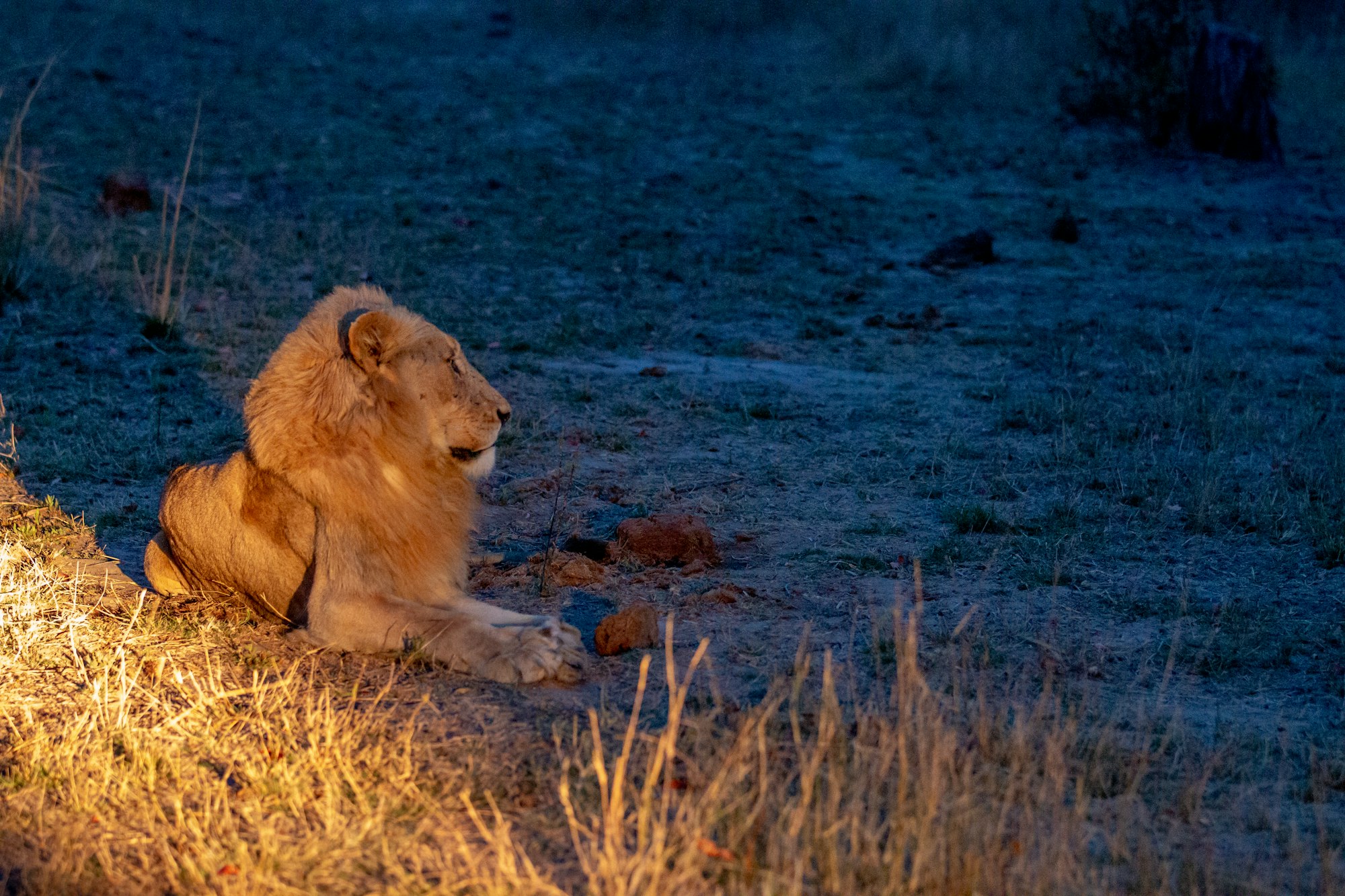
During the first part of the drive, guides often concentrate on areas where animals may have been active during the night. Lions may still be resting after hunting, elephants may be moving between feeding areas, and antelopes may be grazing in open grassland. Predators are not guaranteed to be visible, but the cooler conditions and softer morning light make this period particularly appealing for wildlife viewing and photography.
A typical morning excursion may return to the lodge between 9:00 a.m. and 10:30 a.m. Guests can then enjoy breakfast or a late breakfast, relax at the accommodation, take part in another activity, or prepare for an afternoon excursion.
Morning drives are particularly suitable for travellers who prefer cooler temperatures and want to experience the park before the heat of the day. They also work well for visitors who want to combine wildlife viewing with other activities, such as boat trips, nature walks, cultural visits, or relaxation at the lodge.
However, a morning game drive can sometimes last longer than expected. If the guide finds a leopard resting in a tree, a pride of lions feeding, or a large elephant herd crossing the track, the vehicle may remain in the area for an extended period. Guests should therefore avoid scheduling an important activity immediately after the expected return time.
How Long Does an Afternoon Game Drive Last?
An afternoon game drive generally lasts between three and four hours, although the duration varies according to park regulations and sunset times. Many excursions begin between 3:00 p.m. and 4:00 p.m., when the strongest midday heat has started to ease.
During the afternoon, animals may return to open areas to feed, move towards water sources, or travel between resting places and feeding grounds. Elephants, giraffes, zebras, buffaloes, antelopes, and other herbivores can often be seen moving through the landscape. Predators may also become more active as the day cools, although sightings depend on their movements and cannot be guaranteed.
The guide usually selects routes according to recent sightings, road conditions, seasonal changes, and the animals that are most likely to be active. If wildlife is concentrated near a river, waterhole, or open plain, the drive may spend more time in that area rather than covering a large distance.
Afternoon drives often finish around sunset or before the applicable park closing time. This can provide excellent opportunities for photography because the low angle of the sun creates warm colours and softer shadows. The return journey may also offer sightings of animals travelling towards their nighttime resting areas.
Some parks offer night drives through authorised operators or in designated areas, but these are separate activities and are not permitted everywhere. Visitors should confirm whether night drives are available before including them in their itinerary.
An afternoon game drive is a practical option for travellers who arrive at their lodge in the morning, prefer a relaxed start to the day, or want to combine a morning activity with an afternoon wildlife excursion.
How Long Does a Full-Day Game Drive Take?
A full-day game drive commonly lasts between six and eight hours, although some excursions may be shorter or longer. These trips allow visitors to explore more extensive sections of a national park and spend additional time observing wildlife without returning to the lodge for lunch.
A typical full-day excursion may begin early in the morning and continue into the afternoon. Guests usually carry a packed breakfast or lunch, drinking water, snacks, and other essentials recommended by their safari operator. Depending on the park and the route, the guide may stop at a designated picnic site, a scenic viewpoint, or a suitable location for lunch.
Full-day drives are especially useful in large parks where animals are spread across different habitats. Rather than limiting the experience to one section of the park, visitors may explore open savannah, woodland, riverbanks, wetlands, and other environments during the same outing.
For example, travellers visiting Serengeti National Park in Tanzania may spend a full day searching for wildlife across its expansive plains. In Kenya’s Maasai Mara National Reserve, an extended drive can provide more time to explore different parts of the reserve and follow seasonal wildlife movements. In Uganda, visitors to Murchison Falls National Park may combine extensive savannah viewing with time around the Nile region, depending on the route and activities included.
A full-day game drive does not necessarily mean driving continuously for eight hours. The experience includes stops for wildlife viewing, photography, refreshments, meals, and occasional breaks. The actual time spent travelling between locations varies considerably.
This option is particularly attractive to wildlife enthusiasts, photographers, and travellers who have limited time in a destination and want to make the most of a single day. However, it can be tiring, especially for young children, older travellers, or anyone who finds long periods in a vehicle uncomfortable. A morning drive followed by an afternoon break may be a better choice for guests who prefer a slower pace.
How Long Do Game Drives Last in Different African Parks?
The duration of a game drive differs between national parks because each destination has its own landscape, wildlife distribution, road network, and visitor regulations. Some parks have compact viewing areas where a few hours may be sufficient for a rewarding excursion. Others cover enormous territories and require longer journeys to reach different wildlife habitats.
In Uganda’s Queen Elizabeth National Park, a standard savannah game drive often lasts around three to four hours. Visitors may encounter elephants, buffaloes, Uganda kob, warthogs, and other wildlife across the park’s grasslands and woodland. Longer excursions may be arranged when travellers want to explore additional areas or combine the drive with another activity.
Murchison Falls National Park in Uganda can require more time because of its size and the distances between some viewing areas. A typical drive may last three to four hours, while a longer excursion can extend to six hours or more. The northern savannah is a popular area for wildlife viewing, and some itineraries combine a game drive with a boat trip on the Nile. These activities may be scheduled separately, so the total time spent on excursions can extend across much of the day.
In Kenya’s Maasai Mara National Reserve, game drives often last three to four hours, but full-day excursions are also popular. The reserve’s open grasslands make it possible to scan large areas for wildlife, although animals may be widely dispersed. During the Great Migration, some travellers choose longer drives to increase their opportunities to observe wildebeest, zebras, and predators. Wildlife movements vary from year to year, so a longer outing does not guarantee a particular sighting.
Tanzania’s Serengeti National Park is another destination where extended game drives can be worthwhile. Standard morning and afternoon excursions generally last several hours, while full-day trips allow more time to explore the plains and follow wildlife activity. The best route depends on the season and the location of the animals, particularly during the Great Migration.
Ngorongoro Conservation Area in Tanzania offers a different experience. A descent into the Ngorongoro Crater is often planned as a substantial half-day excursion, with many visitors spending several hours on the crater floor. Travellers should allow additional time for the journey to and from the crater, as well as for other activities included in their itinerary.
In Rwanda’s Akagera National Park, game drives commonly last around three to four hours, with longer excursions available. The park’s combination of savannah, lakes, wetlands, and woodland creates varied wildlife-viewing opportunities. A full-day outing may be useful for visitors who want to explore different sections of the park, although routes and schedules depend on road conditions and the itinerary.
These durations are general planning estimates rather than fixed schedules. Your safari operator should confirm the expected start and finish times for the specific park, accommodation, and activities included in your booking.
What Determines the Length of a Game Drive?
Several factors influence how long a game drive lasts. The first is the size of the park. In a relatively compact wildlife area, visitors may reach productive viewing locations quickly. In a larger park, the guide may need to travel considerable distances between habitats or wildlife sightings.
Animal activity is another important factor. Some days produce frequent sightings close to the main tracks, while other days require more searching. If a guide finds an interesting animal, guests may choose to spend extra time observing its behaviour. Watching elephants interact, lions resting after a hunt, or a leopard moving through the vegetation can be more rewarding than rushing to cover additional ground.
The season also affects the experience. During dry periods, animals may gather near permanent water sources, making certain viewing areas more productive. During rainy periods, vegetation can become denser, roads may deteriorate, and wildlife may spread across a wider area. In some destinations, seasonal rainfall also changes the accessibility of particular routes.
Park rules and gate schedules can impose firm limits on the duration of a drive. A guide cannot always extend an excursion simply because wildlife viewing is excellent. Visitors should follow the instructions of their guide and respect the regulations of the destination.
The type of safari package matters as well. A private safari usually offers greater flexibility because the itinerary can be adjusted to the guests’ interests, within applicable rules and agreed arrangements. A shared game drive may follow a fixed schedule to accommodate everyone in the vehicle.
Finally, the distance between the lodge and the wildlife viewing area can influence the overall time commitment. A three-hour game drive may require additional time for transfers, especially if the accommodation is outside the park or far from the preferred viewing sector.
Is a Longer Game Drive Always Better?
A longer game drive can provide more opportunities to observe wildlife, but it does not automatically produce a better safari. The quality of the experience depends on the location, guide, animal activity, weather, and the interests of the travellers.
A well-planned three-hour drive may provide excellent sightings when animals are active and the guide knows the area well. By contrast, a full-day outing can involve long stretches of driving without major sightings. Wildlife viewing is unpredictable, and no responsible operator can guarantee that every species will be seen during a particular excursion.
Longer drives are often best for travellers who enjoy spending time in nature, photographing animals, and exploring different habitats. They can also be useful for visitors seeking particular species, such as leopards, cheetahs, or rare antelopes, although additional time does not guarantee success.
Shorter drives may be more suitable for families with young children, travellers with limited mobility, or guests who prefer to balance wildlife viewing with relaxation. Young children may become restless after several hours in a vehicle, while some adults find prolonged sitting uncomfortable.
A good safari itinerary balances wildlife activities with adequate rest. Instead of booking the longest possible excursion every day, consider alternating early starts with relaxed afternoons, cultural experiences, boat trips, or time at the lodge. This approach can help maintain your energy throughout a multi-day trip.
Can You End a Game Drive Early?
In many private safari arrangements, it is possible to request an earlier return, provided the guide can accommodate the change and park regulations are respected. This flexibility can be valuable when travelling with children, feeling tired, or needing time to prepare for another activity.
However, the options may be more limited on shared game drives, where other passengers expect the agreed schedule to be followed. Some operators also charge for a private vehicle or full-day service regardless of whether guests use the entire allocated period.
If you think you may prefer shorter excursions, discuss this before booking. Ask whether the vehicle is private, whether the itinerary allows early returns, and whether any changes affect the price. Confirming these details in advance can prevent misunderstandings during the trip.
Guests should also remember that leaving early may reduce the opportunity to see wildlife that becomes active later in the excursion. The decision is therefore best based on personal comfort, the day’s conditions, and the priorities of the safari.
How Many Game Drives Should You Plan Per Day?
Many safari itineraries include one morning drive, one afternoon drive, or a full-day excursion. The right arrangement depends on the destination and the amount of time available.
Two separate drives can provide a useful balance. The morning excursion takes advantage of cooler conditions, while the afternoon drive offers another opportunity to observe animals later in the day. The break between drives allows guests to eat, rest, shower, and prepare for the next outing.
A full-day drive may be more practical when travelling between distant viewing areas or visiting a large park for only one day. It can reduce the need to return to the lodge for lunch and provide more time to explore different sections of the destination.
For a multi-day safari, variety is often preferable to repeating the same schedule every day. One day might include a morning drive and an afternoon boat excursion, while another could focus on a full-day wildlife outing. In some destinations, a guided nature walk or cultural visit can complement the game drives, depending on availability and the itinerary.
Travellers with limited time should discuss their priorities with the safari operator. If seeing a particular animal is important, the guide can recommend suitable areas and explain whether additional time in the park is worthwhile. If the priority is a relaxed holiday, shorter drives with longer breaks may be more appropriate.
What Should You Bring for a Three- to Four-Hour Game Drive?
Even a relatively short game drive can involve cool morning temperatures, strong sunlight, dust, and limited access to facilities. Preparing properly makes the experience more comfortable.
Bring drinking water, sunglasses, sunscreen, a hat, and light clothing that can be layered. Early mornings can be cold, particularly in elevated areas or during the dry season, so a fleece or lightweight jacket is useful. Temperatures may rise considerably later in the morning.
A camera or smartphone can help you record sightings, while binoculars make it easier to observe animals at a distance. If you plan to photograph wildlife, carry spare batteries and ensure your equipment is accessible without creating distractions for other passengers.
A small day bag is usually sufficient for a standard drive. For a full-day excursion, bring additional water, snacks if permitted, personal medication, and any items recommended by your operator. Lunch arrangements should be confirmed before departure.
Comfortable clothing and closed shoes are generally suitable, even if you remain in the vehicle. Avoid carrying unnecessary luggage, as space can be limited, especially on shared drives.
Follow your guide’s instructions throughout the excursion. Remain seated when advised, keep a safe distance from animals, avoid shouting, and never attempt to feed or approach wildlife. Responsible behaviour protects both visitors and animals.
How to Choose the Right Game Drive Duration
The best duration depends on your interests, physical comfort, itinerary, and budget. For most first-time safari visitors, a three- to four-hour morning or afternoon game drive is an excellent starting point. It provides a meaningful wildlife experience without requiring an entire day in the vehicle.
Choose a full-day drive if you enjoy photography, want to explore a large park, or have limited time to visit a destination. Consider separate morning and afternoon excursions if you want two wildlife-viewing opportunities with a comfortable break in between.
If you are travelling with children or prefer a relaxed pace, ask about shorter private drives and flexible return times. If you are visiting during a major wildlife event, such as the Great Migration, discuss whether an extended outing makes sense for the location and season.
Before booking, ask the operator how long the drive usually lasts, when the vehicle departs, when it is expected to return, whether meals are included, and whether the schedule can change according to wildlife sightings. These details will help you compare safari packages accurately.
For most travellers, a typical game drive lasts around three to four hours. Full-day excursions provide additional time for exploring larger areas, while shorter drives suit guests who prefer a lighter schedule. Choosing the right duration allows you to enjoy the wildlife, remain comfortable, and make the most of your time in Africa’s national parks.



No comment