
Akagera vs Nyungwe vs Volcanoes: What Each Rwandan Park Offers
Rwanda is one of East Africa’s most rewarding destinations for travellers interested in wildlife, primates, mountain scenery, and nature-based tourism. Although the country is relatively small, its national parks protect remarkably different environments. Akagera National Park offers savannah wildlife and traditional game drives, Nyungwe National Park provides dense rainforest and chimpanzee trekking, while Volcanoes National Park is famous for mountain gorillas and the volcanic landscapes of the Virunga Mountains.
Choosing between these three parks depends on what you want to experience during your visit. Some travellers want to see lions, elephants, giraffes, and rhinoceroses. Others want to walk through a tropical forest in search of chimpanzees or spend an hour observing a mountain gorilla family. Birdwatchers, hikers, photographers, and travellers interested in conservation will also find different reasons to visit each destination.
If you have enough time, visiting all three parks provides a varied introduction to Rwanda’s natural heritage. If your holiday is short, understanding the strengths of each park will help you choose the destinations that suit your interests and budget.
Akagera National Park: Rwanda’s Savannah Wildlife Destination
Akagera National Park lies in eastern Rwanda along the Tanzanian border. It protects approximately 1,122 square kilometres of savannah, woodland, wetlands, lakes, and riverine habitats. Unlike Nyungwe and Volcanoes, which are primarily forest and mountain destinations, Akagera offers the open landscapes associated with a traditional African safari.
The park is home to the Big Five: lions, leopards, elephants, buffaloes, and rhinoceroses. It also supports giraffes, zebras, hippos, crocodiles, antelopes, and numerous bird species. These animals occupy different habitats, so a game drive through Akagera can reveal a changing landscape as you travel between grasslands, woodland, and wetland areas.
Game drives are the main attraction. Morning excursions give visitors an opportunity to search for predators and grazing animals when wildlife may be active. Afternoon drives provide additional opportunities to explore the park and photograph animals in their natural surroundings. Night drives may also be available, offering a chance to search for nocturnal species.
Wildlife sightings vary according to animal movements, weather, season, and the areas visited. Lions and elephants are among the animals many visitors hope to see, while the possibility of encountering rhinoceroses adds to the park’s appeal. A knowledgeable guide can help identify animals and explain their behaviour throughout the drive.
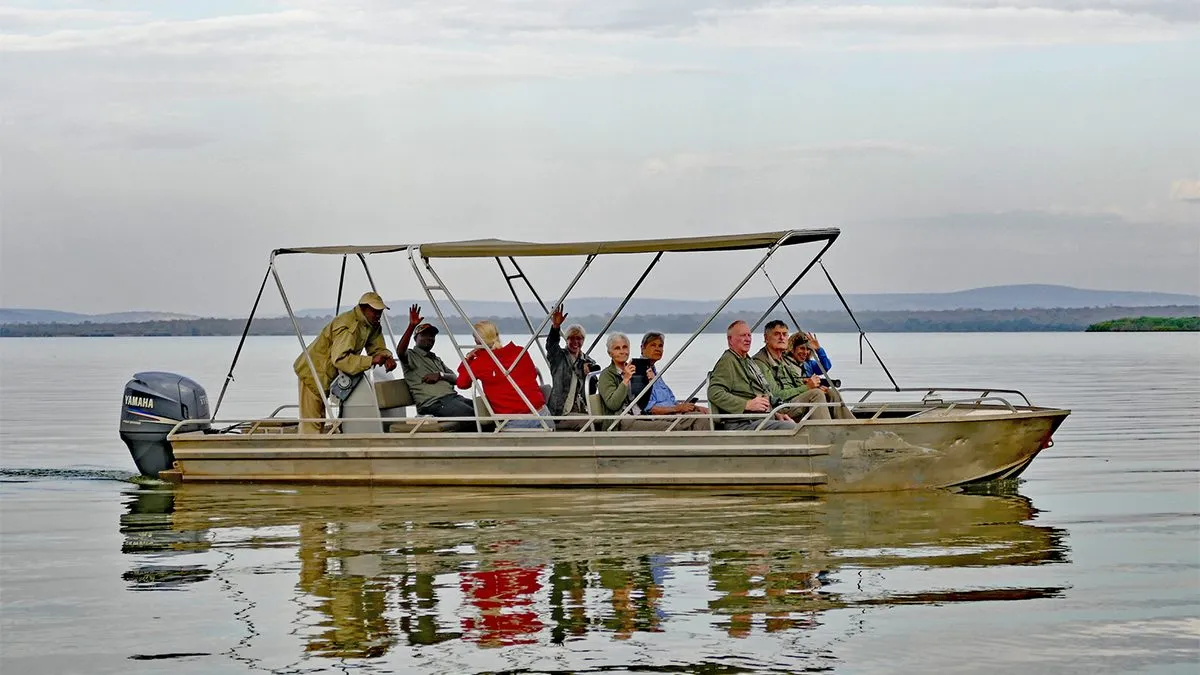
Lake Ihema is another major attraction. Boat trips allow visitors to observe hippos, crocodiles, and waterbirds along the shoreline. The experience differs from a game drive because it brings you closer to the wetland environment and offers opportunities to photograph animals from the water.
Akagera is also an important birdwatching destination. Its lakes, papyrus swamps, and other wetland habitats support numerous waterbirds, while the woodland and savannah provide habitat for other species. Travellers interested in photography can combine landscape images with photographs of large mammals and birds.
The park suits couples, families, photographers, and travellers who want to experience a savannah safari without crossing into neighbouring countries. Accommodation ranges from campsites and comfortable lodges to luxury safari properties, allowing visitors to choose according to their budget.
A day trip from Kigali is possible, but an overnight stay provides more time for game drives and other activities. Two nights are useful if you want a more relaxed itinerary with a boat cruise and additional wildlife viewing.
Akagera is the right choice if your main interests include large mammals, open landscapes, game drives, and boat trips. It is also an excellent destination for travellers who have already experienced gorilla trekking and want to discover another side of Rwanda.
Nyungwe National Park: Rainforest, Chimpanzees, and Hiking
Nyungwe National Park lies in southwestern Rwanda and protects one of the region’s important montane rainforest ecosystems. Its steep hills, dense vegetation, streams, and forested valleys create an environment that contrasts sharply with Akagera’s open grasslands.
The park is particularly well known for chimpanzee trekking. Visitors enter the forest with trained guides and trackers to search for habituated chimpanzee communities. The experience involves walking through natural forest, listening for chimpanzee calls, and following information about the animals’ movements.
Chimpanzees are highly active primates. They may feed on fruit, groom one another, communicate through calls, or move rapidly through the trees. Locating them can require patience, and the length of the trek depends on where the community is found. Dense vegetation may also make photography challenging.
Once the chimpanzees are located, visitors can observe them under the rules of the tracking programme. The encounter provides an opportunity to learn about their social behaviour and the importance of protecting their forest habitat.
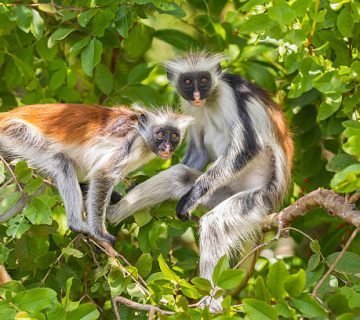
Nyungwe also supports numerous other primates, including colobus monkeys, blue monkeys, and L’Hoest’s monkeys. Different forest areas support different species, so sightings depend on the location, conditions, and activities included in your visit.
One of the park’s most popular attractions is the canopy walkway. Suspended above the forest floor, the walkway offers views across the treetops and surrounding hills. It provides a different perspective from a conventional forest trail and is particularly attractive to photographers and visitors interested in rainforest ecology.
Nyungwe has an extensive network of hiking trails. Some walks focus on waterfalls, while others pass through areas suitable for birdwatching and observing forest vegetation. Longer hikes may require several hours, so visitors should choose activities that match their fitness levels and available time.
Birdwatching is another major reason to visit. Nyungwe supports a wide range of forest birds, including species associated with the Albertine Rift. Birdwatchers may benefit from guided excursions that focus on particular habitats and target species.
The weather and terrain require preparation. Rain can occur throughout the year, trails may become muddy, and some routes involve steep climbs. Sturdy footwear, a waterproof jacket, drinking water, and suitable hiking clothing are useful for most activities.
Nyungwe generally deserves at least two nights if chimpanzee trekking is a priority. Three nights give you more time for birdwatching, hiking, and the canopy walkway without rushing between activities.
Choose Nyungwe if you enjoy forest environments, primates, hiking, and nature photography. It is particularly suitable for travellers who want a more active experience and are interested in the ecological importance of Rwanda’s rainforests.
Volcanoes National Park: Mountain Gorillas and Volcanic Landscapes
Volcanoes National Park lies in northwestern Rwanda near Musanze and the borders with Uganda and the Democratic Republic of the Congo. The park protects part of the Virunga volcanic mountain range and is one of the world’s best-known destinations for mountain gorilla trekking.
The landscape includes bamboo forest, montane vegetation, dense forest, and volcanic slopes. The higher elevation creates cooler conditions than those found in Akagera, and visitors should prepare for changing temperatures and potentially wet weather.
Mountain gorilla trekking is the park’s main attraction. Before entering the forest, visitors attend a briefing and receive guidance from trained rangers. Groups are assigned a gorilla family, and trackers use information about the animals’ movements to help locate them.
The walk can take a relatively short time or several hours. The difficulty depends on the location of the gorilla family, the terrain, weather, and the pace of the group. Some treks involve steep slopes and thick vegetation, making sturdy hiking shoes and a reasonable level of fitness important.
Once the gorillas are located, visitors are generally allowed one hour with the family under the applicable rules. During this time, you may see a silverback, adult females, juveniles, and infants interacting. The animals may feed, rest, groom one another, or move through the vegetation.
Gorilla trekking permits are limited, so booking in advance is important, especially during busy travel periods. The standard permit price for foreign non-residents has been listed at US$1,500 per person. Confirm the current tariff, permit availability, and booking conditions before arranging your trip.
Volcanoes National Park also offers golden monkey tracking. Golden monkeys inhabit the bamboo forests of the Virunga region and provide a different primate experience. Visitors may also choose volcano hikes, guided walks connected with Dian Fossey’s conservation history, and cultural experiences around Musanze.
The park’s proximity to Kigali makes it relatively convenient for travellers with limited time. The drive commonly takes around two to three hours, depending on traffic, weather, and your exact destination.
Many visitors spend a night near Musanze or Kinigi before their trek. Staying for two nights allows additional time for golden monkey tracking or another activity, depending on permit availability and personal interests.
Volcanoes is the best choice if mountain gorillas are the main reason for your visit to Rwanda. It is also suitable for travellers interested in volcanic scenery, mountain hiking, and conservation.
Wildlife Differences Between the Three Parks
The animals you hope to see should guide your decision.
Akagera offers the greatest range of classic savannah safari experiences among the three parks. Its large mammals include lions, elephants, buffaloes, rhinoceroses, giraffes, and several antelope species. The open landscape makes vehicle-based wildlife viewing the principal activity.
Nyungwe focuses on forest wildlife. Chimpanzees are the main attraction, while monkeys and forest birds provide additional opportunities. The dense vegetation means that animals can be harder to spot than mammals in open savannah.
Volcanoes is most closely associated with mountain gorillas and golden monkeys. Its forested volcanic slopes create a very different wildlife experience from the other two parks.
The parks should therefore be selected according to the experience you want rather than a single ranking of wildlife quality. A traveller hoping to see lions should prioritise Akagera. Someone interested in chimpanzees should consider Nyungwe, while mountain gorilla trekking requires a visit to Volcanoes National Park if Rwanda is the chosen destination.
No park guarantees sightings of a particular animal. Weather, animal movements, visibility, and the time spent in suitable habitats all influence what you encounter.
Which Park Is Best for a Short Visit?
The amount of time available will influence how much you can enjoy each park.
Akagera can work as a day trip from Kigali, although an overnight stay is more comfortable if you want a game drive and a boat cruise. Two nights allow more time to explore different parts of the park.
Volcanoes can fit into a short trip because of its location near Musanze and the relatively manageable drive from Kigali. A two-day itinerary can include travel to the area, an overnight stay, and gorilla trekking the following morning. You should secure your permit before committing to the schedule.
Nyungwe generally requires more time because of its distance from Kigali and the variety of activities available. Two or three nights are preferable if you want to combine chimpanzee trekking with hiking or the canopy walkway.
If you have only three days in Rwanda, focus on one park or combine Volcanoes with a suitable nearby activity. Trying to include all three parks in such a short period can leave you with limited time for the actual experiences.
With five to seven days, you can consider combining two or all three parks, depending on your preferred activities and driving schedule.
Can You Visit Akagera, Nyungwe, and Volcanoes on One Trip?
Yes. Visiting all three parks provides a varied introduction to Rwanda’s wildlife, forests, and mountain landscapes.
A seven-day itinerary can serve as a starting point, although the final schedule should account for your international flights, activity permits, accommodation, and road travel.
You could begin with Akagera for game drives and a boat cruise on Lake Ihema. From there, travel towards Nyungwe for chimpanzee trekking and forest activities. Finish in Volcanoes National Park for mountain gorilla trekking and, if time permits, golden monkey tracking.
The order can be adjusted according to your arrival and departure arrangements. Some visitors prefer to visit Volcanoes first because it is closer to Kigali, while others organise the route around available permits and accommodation.
Allow enough time for transfers. Nyungwe is farther from Kigali than Volcanoes, and travelling between the parks involves several hours on the road. A realistic itinerary should leave space for rest, meals, and the early starts often required for wildlife activities.
If you have less time, consider combining two parks. Akagera and Volcanoes offer a contrast between savannah wildlife and mountain gorillas. Nyungwe and Volcanoes provide two different primate experiences. Your choice should reflect the animals and activities that matter most to you.
Accommodation and Budget Planning
Accommodation options differ according to the location and character of each park.
Akagera offers campsites, mid-range lodges, and luxury safari accommodation. Staying near the park or within its designated accommodation areas can reduce the time spent travelling to game-drive locations.
Nyungwe has accommodation near the forest and its main activity areas. When booking, consider the location of your chimpanzee trekking departure point and the amount of driving required for other activities.
Volcanoes has accommodation around Musanze and Kinigi, including budget guesthouses, mid-range lodges, and luxury properties. Staying near the trekking briefing location can make an early morning start more convenient.
Your total cost should include accommodation, meals, transport, park entrance fees, activity permits, and guide services. Gorilla trekking can account for a substantial part of a Rwanda safari budget, so confirm the permit price and availability before booking non-refundable services.
Chimpanzee trekking, canopy walks, boat trips, and other activities may have separate charges. Ask your tour operator for an itemised quotation so you can compare packages accurately.
Best Time to Visit Rwanda’s National Parks
All three parks can be visited throughout the year, but seasonal weather affects the activities available and the conditions you experience.
The relatively drier periods, often around June to September and December to February, can provide favourable conditions for many outdoor activities. These periods are popular, so booking accommodation and permits in advance is sensible.
The wetter months can bring muddy forest trails and challenging hiking conditions, particularly in Nyungwe and Volcanoes. However, the forests become lush, and the scenery can be especially attractive for photography.
Akagera may also offer rewarding wildlife viewing during the wetter periods, although vegetation and road conditions can affect visibility and access in some areas.
There is no single best month for every park. If you prioritise gorilla trekking, plan around permit availability and prepare for wet conditions regardless of season. If you prefer hiking and chimpanzee trekking, consider the trail conditions and your physical comfort. If you want game drives, ask about current road conditions and wildlife viewing in the areas you intend to visit.
What Should You Pack?
Your packing list should reflect the activities you plan to undertake.
For Akagera, bring lightweight clothing in neutral colours, a hat, sunscreen, binoculars, and a camera with a zoom lens. A light jacket can be useful during early morning game drives.
For Nyungwe, pack sturdy hiking shoes, long trousers, a rain jacket, insect protection, and drinking water. A small daypack will help you carry essentials during forest walks.
For Volcanoes, bring waterproof hiking footwear, long trousers, a rain jacket, water, and gloves if you prefer additional protection from vegetation. The terrain can be steep and muddy, so comfortable footwear with good grip is important.
For all three parks, follow your guide’s instructions, respect wildlife viewing rules, and avoid disturbing animals or damaging vegetation.
Choosing the Right Park for Your Rwanda Holiday
Akagera, Nyungwe, and Volcanoes each offer a distinct reason to visit Rwanda.
Choose Akagera if you want a traditional savannah safari with game drives, large mammals, birdwatching, and a boat cruise on Lake Ihema.
Choose Nyungwe if you want chimpanzee trekking, rainforest scenery, forest hiking, birdwatching, and the canopy walkway.
Choose Volcanoes if mountain gorilla trekking is your main priority, or if you want to combine a gorilla encounter with golden monkey tracking and volcanic scenery.
If your schedule allows, visiting all three parks gives you a broad experience of Rwanda’s wildlife and landscapes. If you have only a few days, focus on the activity you most want to experience and plan the rest of your holiday around it.
The most suitable itinerary is one that gives you enough time to enjoy each destination without rushing between parks. With careful planning, Rwanda can offer a memorable combination of savannah wildlife, rainforest exploration, and mountain primate encounters.


No comment