
Booking.com vs Direct Booking With Safari Lodges: What Is Cheaper?
When planning a safari in Uganda, Rwanda, Kenya, or Tanzania, accommodation can take up a significant part of the travel budget. Travellers often compare safari lodges on Booking.com before contacting the property directly. Others prefer to book through the platform because it displays room options, guest reviews, prices, and cancellation policies in one place.
Both approaches can be useful, but neither guarantees the lowest price. A safari lodge may offer a cheaper rate through its own reservations team, while Booking.com may have a promotional price, a Genius discount, or a flexible booking option that makes it more attractive. The difference often depends on the lodge, travel dates, room category, meal plan, payment terms, and availability.
For travellers planning a multi-day safari, the comparison requires extra care. A lodge’s advertised nightly rate may not include meals, transfers, park activities, or other services that are important when staying in a remote wildlife destination. A lower room price does not always translate into a lower total trip cost.
The most effective approach is to use Booking.com to research accommodation, then compare the exact offer with the lodge’s direct quotation. By checking the full terms rather than just the headline price, travellers can identify the better deal without sacrificing comfort, flexibility, or reliability.
How Booking.com and Direct Lodge Reservations Work
Booking.com is an online accommodation platform that allows travellers to search for properties, compare room types, read reviews, and reserve accommodation. Depending on the property and rate selected, payment may be collected online, handled by the property, or settled according to the booking conditions. Cancellation and refund rules depend on the specific reservation.
When booking directly, travellers contact the lodge through its official website, reservations email, telephone number, or another verified communication channel. The lodge provides information about availability, room categories, meal plans, payment deadlines, and cancellation conditions.
The main commercial difference is that Booking.com charges participating accommodation providers a commission on qualifying reservations under their agreements. A direct reservation can avoid that platform commission, although the lodge still has its own operating, marketing, staffing, and payment-processing costs.
Some lodges may use part of the savings from a direct booking to offer a lower rate, an upgrade, a meal inclusion, or another benefit. Others maintain similar prices across booking channels or have commercial agreements that restrict how they price publicly advertised rooms.
This means travellers should not assume that every direct reservation will be cheaper. The lodge may have limited room availability, a special offer on Booking.com, or different prices for different cancellation conditions. A direct quotation is worth requesting, but it should always be compared with the exact room and terms shown online.
Why Booking.com Can Sometimes Be More Expensive
One reason Booking.com may appear more expensive is the commission paid by the accommodation provider. The lodge must account for this distribution cost when deciding how to price rooms across different channels.
For example, imagine a lodge that charges $200 per night for a particular room. If it receives a reservation through a platform that charges commission, the amount the lodge retains will be lower than the room price, before its operating expenses are considered. A direct reservation may allow the lodge to retain more of the payment.
However, this does not mean the guest automatically pays less through the direct channel. Some properties maintain similar rates across channels, while others adjust their prices according to demand, promotions, and the costs of attracting bookings.
Travellers may also see differences because the offers are not identical. One rate might include breakfast, while another includes only the room. One may allow cancellation without a fee until a specified deadline, while the cheaper option may be non-refundable. Taxes, service charges, currency conversion, and payment conditions can also affect the final amount.
Promotional labels can make a price look particularly attractive. A displayed discount does not necessarily mean that the room is cheaper than the lodge’s direct rate. The useful comparison is the final amount payable for the same room, dates, guests, meal plan, and booking conditions.
When Booking.com Can Be Cheaper
Booking.com can offer good value when a property participates in a promotion, offers a discounted rate to eligible users, or has rooms available at a competitive price for the selected dates.
Travellers who use the platform regularly may qualify for Genius benefits or other offers, depending on their account and the property. These benefits can make the platform price lower than the standard direct rate. Some promotions may also be funded partly by the platform rather than entirely by the accommodation provider.
Booking.com can be especially useful when travellers are comparing several lodges in the same region. Instead of contacting each property separately, they can review accommodation categories, guest ratings, location, available facilities, and cancellation conditions in one place.
The platform may also provide a more convenient booking experience for travellers who want an online confirmation and a central place to review their reservation details. Depending on the booking, customer support may help communicate with the accommodation provider if a problem arises, although the reservation’s actual terms still matter.
Another advantage is the ability to compare different properties quickly. A traveller planning to visit Bwindi Impenetrable National Park, for example, can investigate lodges in the relevant area before deciding which properties deserve a direct enquiry.
Booking.com is therefore worth using when its final price is competitive, the cancellation conditions suit the trip, and the property details are clear. There is no reason to avoid the platform simply because direct booking sometimes costs less.
Why Booking Directly With a Safari Lodge Can Save Money
Direct booking can give travellers an opportunity to negotiate or request an offer that is not displayed on a third-party platform. This is particularly relevant for safari lodges that receive enquiries from guests planning several nights, travelling as a family, or booking a group of rooms.
A lodge may be willing to provide a better rate for a longer stay, particularly during a quieter period. It might also offer a package that combines accommodation and meals or includes services that would otherwise need to be arranged separately.
For example, a traveller staying near Bwindi for three nights may contact a lodge directly to ask whether a multi-night rate is available. Another traveller booking several rooms for a family group may ask whether the property offers a group rate. The outcome depends on availability and the lodge’s policies, but asking for a written quotation provides a useful basis for comparison.
Direct contact can also help travellers clarify details that are not obvious from an online listing. They can ask about the distance to the gorilla trekking briefing point, the type of room, dietary requirements, accessibility, meal arrangements, laundry services, and transport options.
These details matter because safari lodges are often located near national parks rather than in major towns. A property that looks inexpensive online may be inconvenient for the planned activity, while a slightly more expensive lodge may reduce transfer time or include meals that would otherwise add to the budget.
A direct reservation is most useful when it provides a clear financial or practical advantage. Travellers should request a written breakdown of the price and avoid making a decision based solely on a verbal promise of a discount.
Compare the Total Cost, Not Just the Nightly Rate
The biggest mistake when comparing Booking.com with direct booking is looking only at the advertised room price. A safari lodge stay may involve several inclusions and extra charges, so the correct comparison is the total cost for the same stay.
Start by checking whether breakfast is included. Some properties advertise room-only rates, while others include breakfast or offer half-board and full-board arrangements. In remote areas, meals may be particularly important because nearby restaurants and shops can be limited.
Next, compare taxes and any additional charges. Check whether the displayed price includes mandatory taxes and whether any amount will be payable at the property. Confirm the currency and whether your bank or card provider may apply conversion or foreign transaction fees.
Transport is another consideration. A lodge may quote separately for airport transfers, road transfers, or transport to the park headquarters. If you are booking a gorilla trekking trip, confirm how you will reach the correct briefing point on the morning of the trek.
Activities should also be checked carefully. Accommodation alone does not normally mean that a gorilla trekking permit, park entrance fee, game drive, or guided excursion is included. If one quotation includes an activity and another does not, the prices cannot be compared fairly until the difference is accounted for.
Consider this example. Booking.com lists a room for $180 per night, while the lodge quotes $165 directly. At first glance, the direct option appears cheaper by $15 per night. Over three nights, that difference becomes $45 before any other costs are considered.
But if the Booking.com rate includes breakfast for everyone and the direct quotation does not, the direct booking may offer less value than the headline prices suggest. The same applies if one option has free cancellation and the other requires full payment in advance.
The cheapest option is the one with the lowest overall cost for equivalent accommodation, inclusions, and booking conditions, not necessarily the smallest number shown in the search results.
Cancellation Policies and Payment Terms
Cancellation conditions can be just as important as price, especially when a safari involves international flights, gorilla permits, domestic connections, or long road transfers.
Booking.com displays the cancellation policy associated with the selected rate. Some reservations allow free cancellation until a stated deadline, while others charge a cancellation fee or are non-refundable. The precise rules vary by property and rate.
Direct reservations can offer similar flexibility, but the lodge sets the terms of its offer. Some properties may require a deposit, while others request full payment before arrival or allow payment at the lodge. A lower direct rate may come with stricter cancellation conditions.
Travellers should check the deadline, the local time used for the deadline, the amount payable if they cancel, and the rules for changing dates. They should also clarify what happens if an international flight is delayed or a safari itinerary changes.
A flexible rate may cost more initially but could be worth the additional expense when travel arrangements are uncertain. Conversely, a non-refundable rate may suit travellers whose flights, permits, and itinerary are already confirmed and who understand the financial risk.
Do not assume that a direct reservation is automatically easier to cancel or that a platform reservation guarantees a refund. Read the specific terms before paying, and keep the written confirmation and payment receipt.
The Importance of Location for Safari Lodges
Location can make a substantial difference to the value of a lodge stay. In a city, a hotel may be close to restaurants, public transport, and shops. In a safari destination, a lodge’s distance from the park entrance, trekking headquarters, airstrip, or game-viewing area may affect both cost and convenience.
For gorilla trekking in Uganda, Bwindi Impenetrable National Park has several trekking sectors. Travellers need accommodation suited to the sector assigned to their permit. A lodge that is inexpensive but far from the correct briefing point can create a long early-morning drive.
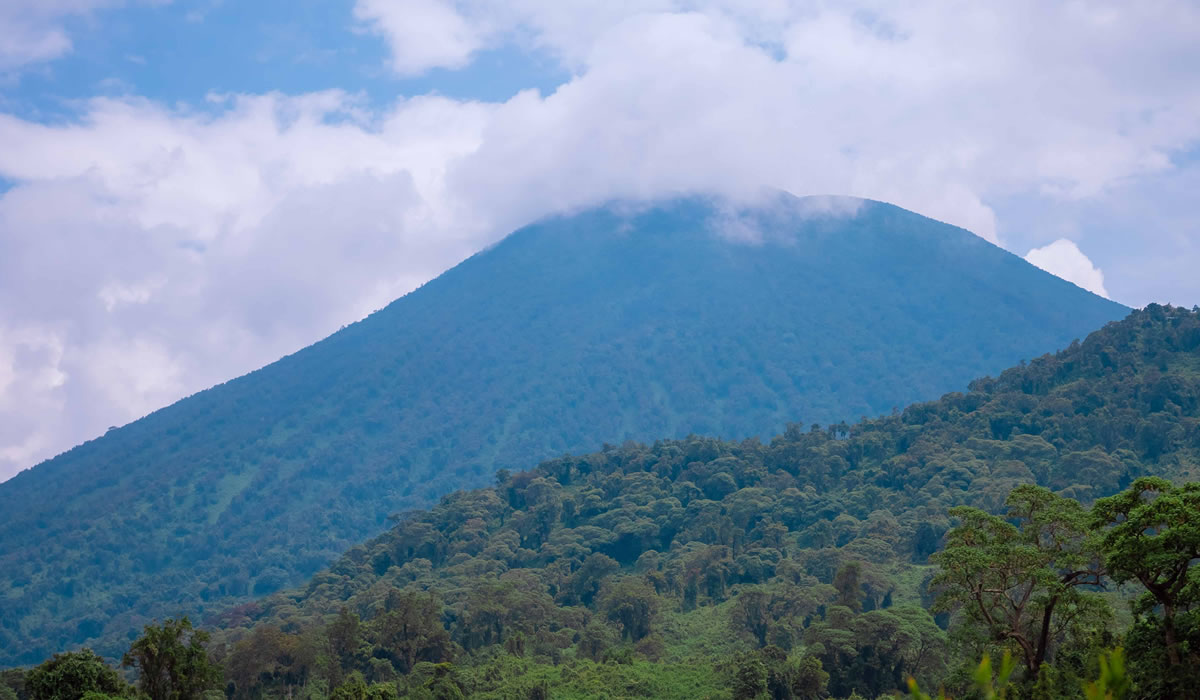
In Rwanda, visitors trekking in Volcanoes National Park often choose accommodation around Musanze or within practical reach of the park headquarters. The right location can make it easier to attend the morning briefing without an unnecessarily early departure.
The same principle applies to wildlife lodges in Kenya and Tanzania. A property outside a park or conservation area may have a lower nightly rate but require additional transfers or park-related travel. A lodge in a convenient location may charge more while reducing logistical complications.
Before booking, confirm the exact property location and ask how long it takes to reach the activity you plan to do. Do not rely only on the destination name in a listing. Two properties described as being near the same national park may be separated by a considerable drive.
Meals, Transfers, and Safari Packages
Safari lodges often offer meal plans that differ from those of ordinary city hotels. Some include breakfast, some offer half-board with breakfast and dinner, and others provide full board with three meals a day. Drinks, packed lunches, special meals, and other extras may be charged separately.
When comparing rates, check the meal plan carefully. If you will spend most of the day on a game drive or gorilla trek, having meals arranged at the lodge may be more practical than buying food separately. However, travellers should compare what is included rather than assume that every full-board package covers drinks and activities.
Direct booking can be useful when you want to combine accommodation with transfers or other services. A lodge may be able to quote for an airport pickup, a transfer from a nearby town, or a multi-night stay with meals. Some lodges also work with tour operators that arrange the wider safari itinerary.
Booking.com is primarily useful for comparing and reserving accommodation. It should not be assumed that a room reservation automatically includes the transport, guides, permits, and activities needed for a complete safari.
If a direct quotation includes several services, ask for each item to be listed separately. This makes it easier to compare the accommodation component with the platform price and to understand whether the package offers genuine savings.
How to Compare Prices Before You Book
A simple comparison process can prevent costly mistakes. First, identify the exact lodge and room category you want. Make sure the room is suitable for the number of guests and that the dates are identical.
Check the total price on Booking.com, including the selected meal plan, taxes, and any mandatory charges. Record the cancellation deadline, payment schedule, and whether the rate is refundable.
Then contact the lodge through a verified official channel. Ask for its best available direct rate for the same dates, room category, number of guests, and meal plan. Mention the rate you found online and ask whether the lodge can offer a comparable or better price.
Request the final quotation in writing. It should state the total cost, included meals and services, payment currency, deposit requirements, balance deadline, cancellation terms, and any extra charges. If the lodge offers a special package, confirm exactly what it covers.
Finally, compare the two options side by side. A direct offer that saves a small amount but requires full payment much earlier may not suit every traveller. A slightly higher platform rate with a useful cancellation policy may be preferable when plans could change.
Avoid sending money to an unverified personal account simply because someone claims to represent the lodge. Confirm the contact details independently, check the property’s official information, and ensure the payment instructions match the written booking confirmation.
What About Booking Safari Lodges Through a Tour Operator?
Travellers planning a complete safari may also receive accommodation quotations from a local tour operator. This creates a third option beyond Booking.com and direct lodge reservations.
A tour operator may arrange accommodation together with a vehicle, driver-guide, park activities, permits, meals, and transfers. The overall package can be easier to manage because the services are coordinated under one itinerary.
The total price may be higher than a room-only booking because it includes additional services. However, comparing the package price with the accommodation price alone would be misleading. The correct approach is to compare equivalent services and calculate what each option would cost independently.
For travellers who prefer to arrange their own transport and activities, Booking.com or direct lodge reservations may be sufficient. For those visiting several parks or travelling to remote areas, a coordinated package may reduce the work involved in managing separate bookings.
Ask the operator to clarify which services are included, which are optional, and what payment and cancellation terms apply. If you want to book the lodge yourself, confirm that the operator’s itinerary does not depend on a particular accommodation arrangement.
Which Option Is Best for Different Travellers?
Booking.com is useful for independent travellers who want to compare properties quickly, read guest reviews, and choose among different room rates and cancellation policies. It can also be a good choice when a promotion makes the final price competitive.
Direct booking is worth considering for travellers who want to negotiate a multi-night stay, request a group quotation, clarify special requirements, or ask about a package that includes meals and transfers. It is particularly useful when the accommodation is a key part of a longer safari itinerary.
Families should compare room occupancy rules, extra-bed charges, meal costs, and cancellation conditions. A room that appears cheaper for two adults may not offer the same value for a family travelling with children.
Groups should ask both the platform and the lodge about room availability and group rates. For several rooms or a longer stay, direct communication may make it easier to confirm that everyone can be accommodated together.
Travellers with fixed dates and confirmed arrangements may be comfortable choosing a cheaper non-refundable rate. Those with uncertain flights or changing plans may prefer flexibility, even if it costs a little more.
There is no single booking channel that is always cheapest. The best option depends on the property, dates, rate conditions, and services required.
Is Booking.com or Direct Booking Cheaper for Safari Lodges?
Direct booking can be cheaper because a lodge may avoid platform commission and choose to pass some of the savings on to the guest. It can also create opportunities to request discounts for longer stays, groups, or special arrangements.
Booking.com can be cheaper when its promotions, eligible discounts, or room rates beat the lodge’s direct offer. It also makes it easier to compare accommodation options and cancellation conditions in one place.
For a safari, the decision should be based on the full cost of the stay. Compare the room, meal plan, taxes, transfers, payment terms, cancellation policy, and location before choosing. A lower nightly price is not necessarily the best deal if it leads to additional expenses or makes the itinerary harder to manage.
A practical strategy is to research lodges on Booking.com, shortlist the properties that fit your itinerary, and request direct quotations from the strongest options. If the direct rate is better and the terms are clear, booking with the lodge may be the right choice. If Booking.com offers the better total price or more suitable conditions, there is no reason not to use it.
The aim is not simply to find the lowest advertised rate. It is to secure suitable accommodation at a fair total price, with clear terms and reliable arrangements for the safari you have planned.




No comment