
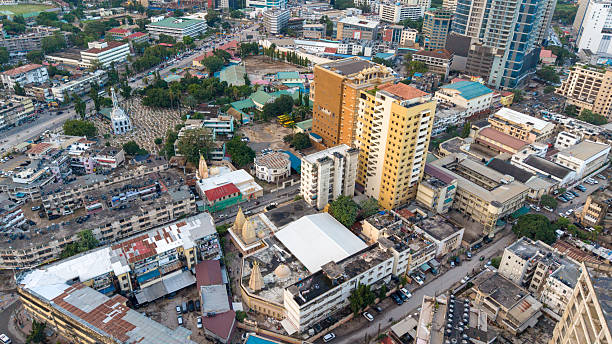
Dar es Salaam in One Day
Fish Market, National Museum and Kigamboni Ferry
Dar es Salaam in one day offers travellers an exciting introduction to Tanzania’s largest city, combining lively seafood markets, fascinating national history and a memorable ferry crossing across the harbour. Although many visitors use Dar es Salaam as a gateway to Zanzibar or Tanzania’s southern safari parks, the city deserves time for exploration.
From the busy Kivukoni Fish Market to the National Museum and the waterfront ferry terminal, visitors can experience local traditions, coastal culture and everyday urban life within a single day.
This practical itinerary is designed for travellers who want to discover Dar es Salaam without rushing between distant attractions.
Why Spend One Day in Dar es Salaam?
Dar es Salaam is Tanzania’s commercial capital and one of East Africa’s busiest coastal cities.
Its name means Haven of Peace, reflecting its historical identity as an Indian Ocean settlement.
The city combines modern buildings, historic architecture, traditional markets and busy transport networks.
A one-day visit provides opportunities to appreciate Tanzania’s urban culture beyond the country’s famous wildlife destinations.
Quick Facts About Dar es Salaam
| Feature | Description |
|---|---|
| Country | Tanzania |
| Region | Dar es Salaam |
| Main airport | Julius Nyerere International Airport |
| Main attraction | Kivukoni Fish Market |
| Cultural attraction | National Museum |
| Ferry route | Magogoni–Kigamboni |
| Main activities | Market visits, museums and sightseeing |
| Recommended duration | One full day |
| Best transport | Walking and private taxi |
| Currency | Tanzanian shilling |
Suggested One-Day Dar es Salaam Itinerary
The following schedule combines three major attractions while allowing sufficient time for meals and transfers.
| Time | Activity |
|---|---|
| 6:30 am | Arrive at Kivukoni Fish Market |
| 8:00 am | Breakfast near the waterfront |
| 9:00 am | Explore central Dar es Salaam |
| 10:00 am | Visit the National Museum |
| 12:00 pm | Lunch |
| 1:30 pm | Return towards Magogoni |
| 2:00 pm | Kigamboni ferry crossing |
| 3:00 pm | Explore the Kigamboni waterfront |
| 4:00 pm | Return ferry crossing |
| 5:00 pm | Finish the city tour |
Times are flexible and depend on traffic, museum operations and ferry queues.
Kivukoni Fish Market: The Best Morning Experience
Kivukoni Fish Market is one of Dar es Salaam’s liveliest attractions.
Located near the harbour and Kigamboni ferry terminal, the market receives fresh seafood from fishing boats operating along Tanzania’s coastline.
Early mornings bring particularly energetic scenes as fishermen unload their catches.
What Happens at the Fish Market?
Visitors can observe traders sorting, weighing and selling fish.
Some seafood is auctioned, while other products are sold directly to buyers.
The market contains fresh fish, prawns, octopus, squid and other coastal catches.
Its busy atmosphere provides a fascinating introduction to everyday commercial life.
Best Time to Visit Kivukoni Fish Market
The market becomes active around sunrise.
The busiest period generally falls between 6:00 am and 9:00 am.
Arriving early allows visitors to observe the morning catch and trading activities.
Seafood Commonly Sold
| Seafood | Description |
|---|---|
| Tuna | Large ocean fish |
| Kingfish | Popular coastal seafood |
| Octopus | Widely eaten along the coast |
| Prawns | Common seafood delicacy |
| Squid | Prepared fried or grilled |
| Reef fish | Various locally caught species |
Availability depends on fishing conditions and the day’s catch.
Can Visitors Eat at the Fish Market?
Yes. Nearby food stalls prepare freshly cooked seafood.
Visitors can enjoy fried or grilled fish with local accompaniments.
Food Safety Tips
Choose busy stalls with freshly prepared food.
Confirm prices before ordering.
Eat seafood that has been cooked thoroughly.
Drink safe bottled or treated water.
Visitors with sensitive stomachs may prefer breakfast at an established restaurant.
Fish Market Photography Tips
Kivukoni offers interesting photography opportunities.
Fishing boats, baskets of seafood and active traders create colourful scenes.
However, it is a working market rather than a staged tourist attraction.
Ask permission before photographing people.
Keep your camera secure and avoid blocking traders.
Wear closed shoes because floors may be wet and slippery.
Walking Through Central Dar es Salaam
After visiting the fish market, travellers can explore selected streets around the city centre.
The surrounding area contains historic buildings, government offices, waterfront views and commercial businesses.
Interesting Buildings
St Joseph’s Cathedral is known for its Gothic-inspired architecture.
Azania Front Lutheran Church is another recognisable landmark.
The Old Boma reflects the city’s historical development.
Visitors can admire these buildings during a short walking excursion.
National Museum and House of Culture
The National Museum and House of Culture is among Tanzania’s most important cultural institutions.
Located along Shaaban Robert Street, it introduces visitors to archaeology, natural history, traditional cultures and the country’s political development.
The museum is particularly rewarding for travellers interested in Tanzania’s ancient human history.
What Makes the Museum Important?
Its collections represent different periods of Tanzania’s past.
Displays introduce visitors to early human evolution, cultural traditions and historical events.
The museum also preserves objects associated with the country’s modern political history.
Early Human Fossils at the Museum
Tanzania contains internationally important archaeological sites, including Olduvai Gorge.
Research in these locations has contributed greatly to understanding human evolution.
What Can Visitors Discover?
Museum exhibitions introduce early hominin fossils and prehistoric stone tools.
Displays explain how ancient humans lived and adapted to changing environments.
Visitors can also learn about the work of researchers associated with Tanzania’s archaeological discoveries.
The exhibitions provide useful background before visiting Olduvai Gorge.
Tanzania’s History and Independence
The museum also introduces important events in Tanzania’s modern history.
Visitors can learn about colonial rule, independence and national development.
Historic State Vehicles
Among the museum’s attractions are vehicles associated with Tanzania’s political history.
These displays help illustrate the country’s transition through different historical periods.
Exhibitions may change, so particular objects should not be assumed to be on display during every visit.
How Long Should You Spend at the National Museum?
Allow approximately one and a half to two hours.
Visitors particularly interested in archaeology may prefer a longer visit.
Museum Visiting Tips
| Item | Recommendation |
|---|---|
| Location | Shaaban Robert Street |
| Suggested arrival | Around 10:00 am |
| Recommended duration | 1½–2 hours |
| Main collections | History, archaeology and culture |
| Admission | Confirm current museum tariff |
| Photography | Follow museum rules |
Confirm opening hours and admission arrangements before travelling.
Lunch in Dar es Salaam
After the museum, enjoy lunch at a suitable restaurant in the city centre.
Dar es Salaam’s cuisine reflects Swahili, African, Arabian and Indian influences.
Popular Foods to Try
| Food | Description |
|---|---|
| Pilau | Fragrant spiced rice |
| Biryani | Rice with meat or vegetables |
| Samaki wa kupaka | Fish prepared with coconut sauce |
| Mishkaki | Grilled meat skewers |
| Chapati | Soft flatbread |
| Ugali | Maize-based staple |
A relaxed lunch provides a welcome break before the afternoon ferry experience.
The Kigamboni Ferry Experience
The Kigamboni ferry is one of Dar es Salaam’s most distinctive everyday transport experiences.
It connects Magogoni on the city-centre side with Kigamboni across the harbour entrance.
The crossing carries pedestrians and, on suitable vessels, vehicles.
Why Take the Ferry?
The journey offers views across the busy harbour.
Passengers can observe boats, waterfront buildings and port activity.
It also provides an opportunity to experience transport used by local residents.
The short crossing makes an interesting addition to a city sightseeing itinerary.
How Does the Kigamboni Ferry Work?
Passengers enter the terminal through designated boarding areas.
The service uses an electronic N-Card payment system, although arrangements for occasional passengers should be confirmed at the terminal.
Ferry Travel Information
| Feature | Details |
|---|---|
| Departure terminal | Magogoni |
| Destination | Kigamboni |
| Typical crossing | Approximately 5–10 minutes |
| Payment | Confirm current electronic ticket arrangements |
| Main passengers | Pedestrians and vehicles |
| Main challenge | Queues during busy periods |
The crossing itself is short, but waiting times may be considerably longer.
Is the Kigamboni Ferry Safe?
The ferry is an established public transport service.
However, passengers should follow official safety instructions.
Important Safety Precautions
Use designated boarding entrances.
Avoid pushing in crowded queues.
Keep belongings secure.
Remain within permitted passenger areas.
Follow crew instructions.
Do not lean over railings or enter restricted spaces.
Services may be affected by weather or vessel maintenance.
What Can You See in Kigamboni?
Kigamboni lies across the harbour from central Dar es Salaam.
The area contains residential neighbourhoods, waterfront businesses and roads leading towards southern coastal destinations.
Exploring the Waterfront
Visitors can enjoy local street scenes and observe daily activities near the ferry terminal.
Those with additional time may continue towards suitable restaurants or coastal viewpoints.
However, beaches farther along the peninsula require extra transport and cannot always fit comfortably into a short city itinerary.
Best Time to Take the Ferry
Mid-afternoon may provide a more relaxed experience than the busiest commuting periods.
However, queues can occur throughout the day.
Planning Around Rush Hours
| Time | General conditions |
|---|---|
| Early morning | Heavy commuter demand possible |
| Mid-morning | Often more manageable |
| Mid-afternoon | Suitable for sightseeing |
| Late afternoon | Commuter queues may increase |
| Evening | Conditions vary |
Check operational conditions before travelling.
Getting Around Dar es Salaam
Dar es Salaam has a varied transport network.
Visitors can use taxis, ride-hailing services, buses and the Bus Rapid Transit system.
Transport Comparison
| Transport | Suitable for |
|---|---|
| Private taxi | Comfortable sightseeing |
| Ride-hailing vehicle | Flexible city transfers |
| BRT buses | Selected urban routes |
| Local minibuses | Budget travel |
| Walking | Short central-city distances |
For a one-day itinerary, combining walking with private transfers is usually convenient.
Avoiding Dar es Salaam Traffic
Traffic can become heavy during weekday mornings and evenings.
Roadworks, rainfall and congestion may increase journey times.
Practical Travel Advice
Start sightseeing early.
Avoid unnecessary cross-city transfers.
Choose attractions within the same general area.
Allow extra time before flights or ferry connections.
Keep your itinerary flexible.
What to Wear for the City Tour
Dar es Salaam has a warm coastal climate.
Lightweight clothing is comfortable for most of the year.
Recommended Items
Comfortable closed shoes.
Lightweight clothes.
Sun hat.
Drinking water.
Sunscreen.
Small day bag.
Tanzanian shillings.
Fully charged phone.
Modest clothing is appropriate when entering religious or traditional neighbourhoods.
Best Time to Visit Dar es Salaam
Dar es Salaam can be explored throughout the year.
However, rainfall and humidity affect comfort.
Seasonal City Guide
| Period | General conditions |
|---|---|
| January–March | Hot and humid |
| April–May | Increased rainfall |
| June–October | Generally more comfortable |
| November–December | Warm with variable rain |
Morning activities are particularly enjoyable during hotter months.
Responsible Tourism in Dar es Salaam
Visitors should respect local businesses and everyday activities.
Ask permission before photographing traders.
Avoid obstructing busy market pathways.
Support local restaurants and authorised guides.
Do not litter along the harbour or waterfront.
Respect museum displays and historic buildings.
Why Dar es Salaam Is Worth Exploring
Dar es Salaam offers an enjoyable combination of history, coastal culture and everyday Tanzanian life.
The lively Kivukoni Fish Market introduces visitors to the city’s fishing economy.
The National Museum provides a deeper understanding of Tanzania’s archaeological and political heritage.
The Kigamboni ferry adds an unusual perspective on the harbour and the city’s transport traditions.
For travellers spending one day in Tanzania’s commercial capital, these three experiences create a varied, practical and memorable introduction to Dar es Salaam.







No comment