
Lake Nkuruba and the Fort Portal Crater Lakes Circuit on Foot
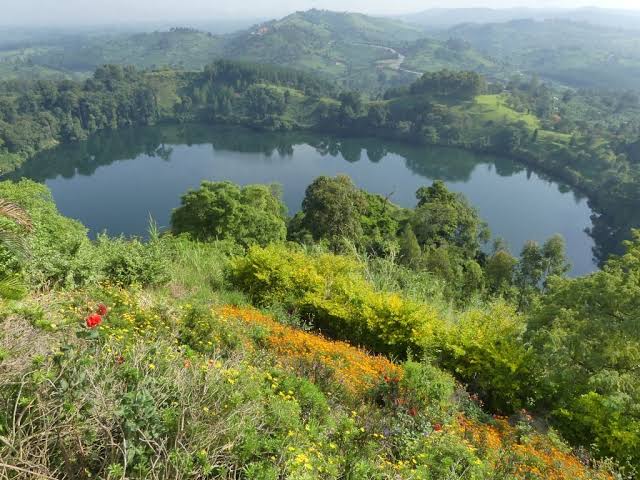
Most visitors to the Fort Portal crater lakes region see them from a vehicle window, ticking off viewpoints between longer drives to Kibale or Queen Elizabeth. Lake Nkuruba, a community-run nature reserve just 25 kilometres south of Fort Portal, offers something genuinely different: a walking circuit that strings several of these ancient volcanic lakes together on foot, through forest still home to four resilient monkey species, ending at a viewpoint that puts the whole landscape in perspective at once.
Key Highlights
- A crater lake and community-run nature reserve roughly 25 km south of Fort Portal
- Forest largely unaffected by the deforestation pressure that’s reshaped much of the surrounding region
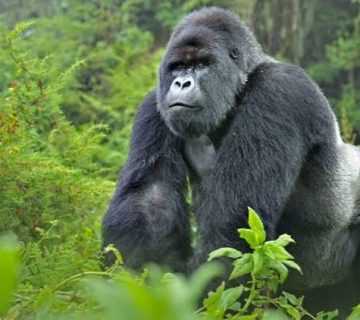
- Home to four monkey species: black-and-white colobus, the endangered Uganda red colobus, red-tailed monkeys and vervet monkeys
- Widely regarded as one of Uganda’s best sites for photographing colobus monkeys specifically
- Guided walking routes linking several crater lakes, Mahoma Waterfalls, and the “Top of the World” viewpoint
- From the viewpoint: three crater lakes, Kibale Forest, the lower Rwenzori range, Queen Elizabeth National Park and Fort Portal itself, all visible together
A Forest That Escaped the Region’s Deforestation
The Fort Portal area sits in one of western Uganda’s more intensively farmed and settled regions, which makes the forest ringing Lake Nkuruba’s crater rim a genuine anomaly — a patch of tree cover that has largely escaped the clearing pressure visible across much of the surrounding landscape. That preservation is directly tied to the reserve’s community management model: local ownership and a genuine economic stake in keeping the forest and its wildlife intact have done more to protect this specific patch of habitat than distance from farmland or formal park status would have on their own.
Why That Matters for the Monkeys
Four monkey species call this surviving forest patch home: black-and-white colobus, the globally endangered Uganda red colobus, red-tailed monkeys and vervet monkeys, all sustained by a forest block small enough to walk around in a morning but intact enough to support genuine biodiversity. Nkuruba’s reputation as one of Uganda’s strongest sites for photographing colobus monkeys specifically comes down to this combination — a compact, walkable forest with habituated, visible primate troops rather than the vast, harder-to-navigate expanse of somewhere like Kibale.
Walking the Crater Lakes Circuit
Lake Nkuruba functions as the starting point for a guided walking circuit through several of the Fort Portal area’s crater lakes, a landscape shaped entirely by ancient volcanic activity that pocked this part of western Uganda with dozens of distinct, water-filled craters over geological time. Routes typically wind between multiple lakes rather than focusing on just Nkuruba itself, giving walkers a genuine sense of how densely this crater field is packed compared to viewing a single lake from a roadside stop.
Mahoma Waterfalls and the Steep Descent
Longer circuit options extend the walk to Mahoma Waterfalls, fed by the First Glacier Lake high in the Rwenzori Mountains, reached via a notably steep descent that marks a clear change in terrain from the gentler crater-lake walking earlier in the route. It’s a worthwhile add-on for hikers with the time and stamina for a longer day, connecting the volcanic crater landscape directly to the glacial Rwenzori system feeding it, and giving a genuine sense of how these two very different mountain-building processes, ancient volcanism and present-day glacial melt, sit side by side in this one stretch of western Uganda.
The Top of the World Viewpoint
The circuit’s signature payoff is the aptly named “Top of the World” viewpoint, which delivers a genuinely rare single vantage point over three crater lakes, Kibale Forest National Park, the lower reaches of the Rwenzori range, Queen Elizabeth National Park in the distance, and Fort Portal town itself. Few viewpoints anywhere in western Uganda consolidate this much of the region’s geography into one panorama, which makes the walk to reach it worth building into an itinerary even for travellers who aren’t especially drawn to the monkey-watching side of Nkuruba, and it’s a genuinely useful spot for orienting yourself before continuing on to any of the parks visible from up there.
How Community Ownership Shapes the Experience
Unlike a government-managed national park, Lake Nkuruba operates as a community reserve, meaning entrance fees and camping revenue flow more directly into the local area than they would through a national park’s broader budget. That model has a practical effect on the ground: guides tend to be drawn from the immediate community rather than posted in from elsewhere, and the reserve’s upkeep is visibly tied to the income visitors bring rather than a fixed government allocation.
What This Means for Visitors
In practice, this makes for a noticeably personal, small-scale visit compared to the more institutional feel of a national park gate and briefing centre — a guide who genuinely lives nearby, a campsite run by people with a direct stake in the forest staying intact, and pricing structured for a community reserve’s economics rather than a flagship park’s. Travellers who value that kind of grounded, locally-run experience tend to rate Nkuruba highly for exactly this reason, beyond the wildlife and views themselves, and it’s the kind of visit that leaves a more tangible sense of where the money actually goes than a larger, more anonymous park entrance ever quite manages to convey.
Planning Your Visit
Getting There and Staying Over
Lake Nkuruba sits close enough to Fort Portal, and to Kibale Forest National Park beyond it, that most visitors experience the reserve as a half-day or full-day add-on rather than a dedicated separate destination. The reserve itself operates a community campsite, giving hikers wanting an early start on the longer Mahoma Waterfalls route the option of an overnight stay right at the trailhead rather than a pre-dawn drive in from Fort Portal.
Best Time for the Walk
The circuit is walkable year-round, though the dry seasons offer firmer underfoot conditions on the steeper Mahoma Waterfalls descent specifically. Morning starts are worth prioritising regardless of season, both for cooler walking temperatures and for the better odds of active, visible monkey troops before the forest’s midday quiet sets in.
What to Pack
Sturdy, closed walking shoes matter more here than the relatively gentle-sounding “crater lakes circuit” name might suggest, particularly if the Mahoma Waterfalls extension is on the itinerary. A light rain layer is worth carrying regardless of season, given this region’s unpredictable highland weather, and binoculars significantly improve the colobus-watching experience given how much of the action happens well up in the canopy rather than at eye level.
Frequently Asked Questions
Do I need to be an experienced hiker for the Nkuruba crater lakes circuit?
The core crater lakes walking route is accessible to most reasonably fit visitors without technical hiking experience. The extended option to Mahoma Waterfalls, with its steep descent, is more demanding and better suited to hikers comfortable with a longer, more strenuous day.
How does Lake Nkuruba compare to visiting Kibale Forest for primate viewing?
Kibale offers a far larger forest and a wider primate species count, including chimpanzees, which Nkuruba doesn’t have. Nkuruba’s advantage is scale and accessibility — a compact, easily walked forest with strong colobus monkey photography opportunities, well suited as a complement to a Kibale visit rather than a substitute for it. Several travellers use Nkuruba as a gentler warm-up walk the day before a full chimp-tracking day in Kibale itself, getting comfortable with forest walking conditions before committing to a longer, more demanding trek. Our complete guide to Kibale Forest National Park covers that fuller primate experience.
Can I visit Lake Nkuruba without doing the full walking circuit?
Yes, a shorter visit focused just on the lake itself and its immediate monkey-viewing opportunities works well for travellers with limited time, without committing to the longer multi-lake or Mahoma Waterfalls routes.
Is Lake Nkuruba suitable for a family visit?
The core walking circuit is manageable for most families with reasonably active children, though the steeper sections toward Mahoma Waterfalls are better suited to older children and adults given the terrain. Younger children generally do best sticking to the shorter lake-and-forest walk near the reserve itself, where the colobus troops are often visible without needing to cover the full multi-lake distance.
Is Lake Nkuruba safe to swim in?
Some crater lakes in this region are considered safer for swimming than others, and local guidance varies lake by lake depending on depth and water conditions. Always check current advice with reserve staff on arrival rather than assuming any given crater lake is automatically swimmable.
Recommended Safaris
Lake Nkuruba works well as an add-on to a wider Kibale Forest and Fort Portal itinerary. Our complete guide to Kibale Forest National Park covers the primate-focused centrepiece of this region, while our guide to mountain hiking tours in Uganda gives a wider picture of walking and trekking options across the country for travellers who want more than one hiking day on their itinerary. Ready to build the Nkuruba crater lakes circuit into your own Fort Portal route? Reach our team through our Book Now page and we’ll plan it around your dates.



No comment