
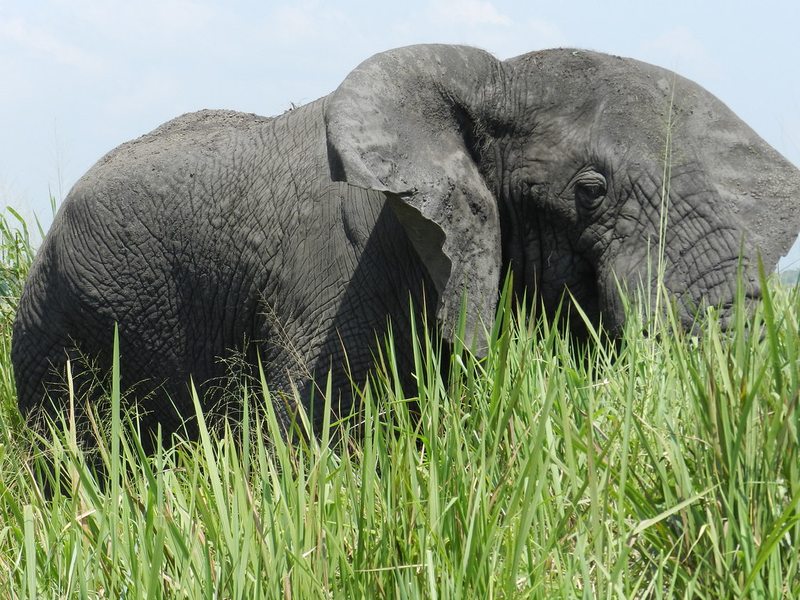






Why Do Elephants Have Big Ears?
African elephants genuinely carry the largest ears of any living land animal, and while their size makes for one of the savannah’s most recognisable silhouettes, the real reason behind them is considerably more functional than decorative, a built-in cooling system that keeps the world’s largest land mammal from overheating under the intense equatorial sun day after day.
Why Elephant Ears Genuinely Function as a Built-In Radiator
An elephant’s ears genuinely contain an extensive network of blood vessels running close to the skin’s surface, and when the animal flaps its ears, or simply stands with them extended in a breeze, blood passing through these vessels genuinely cools by several degrees before circulating back through the body, a mechanism researchers compare directly to a car radiator’s cooling function.
This genuinely matters enormously given elephants lack sweat glands entirely, meaning ear-based cooling represents one of their only mechanisms for shedding excess body heat, alongside dust-bathing and time spent in water or shade during the hottest parts of the day.
Researchers genuinely estimate that ear-flapping can lower an elephant’s blood temperature by several degrees Celsius before it recirculates, and on particularly hot days, elephants genuinely combine this flapping with standing in whatever shade is available, stacking multiple cooling strategies simultaneously rather than relying on any single mechanism alone.

How African and Asian Elephant Ear Size Genuinely Reflects Climate Differences
African elephants genuinely evolved considerably larger ears than their Asian cousins, a difference researchers link directly to Africa’s generally hotter savannah climate compared to Asian elephants’ more forested, shaded habitat, meaning the ear-size difference between the two species genuinely offers a clear example of climate-driven anatomical adaptation.
This principle genuinely extends across the animal kingdom more broadly, known among biologists as Allen’s Rule, which holds that animals living in hotter climates tend to evolve larger extremities relative to body size specifically to maximise heat loss, meaning elephant ears genuinely represent one of the most visually dramatic examples of a pattern seen across many unrelated species.
Why Ear Size Genuinely Varies Even Within African Elephant Populations
Savannah elephants genuinely carry noticeably larger ears than forest elephants, the African continent’s other elephant species, a difference that again genuinely tracks habitat temperature and openness, since forest elephants living under a shaded canopy face considerably less direct heat exposure than their savannah relatives navigating open, sun-exposed grassland.
Forest elephants also genuinely tend to be smaller-bodied overall than savannah elephants, meaning their proportionally smaller ears still make sense relative to their own reduced surface-area-to-volume ratio, even though the absolute size difference between the two species looks considerable side by side.
How Ear Flapping Genuinely Serves Communication Alongside Cooling
Beyond temperature regulation, elephants genuinely use ear positioning and flapping as a significant communication tool, spreading their ears wide and flapping vigorously as a warning display when threatened, a genuinely different message than the more relaxed, gentle fanning motion used purely for cooling on a hot afternoon.
Experienced guides genuinely read these ear signals closely during a sighting, since a rapidly flapping, fully extended ear display often precedes a mock charge, while gentle, rhythmic fanning genuinely signals a calm, undisturbed animal simply managing its body temperature. This distinction genuinely matters for visitor safety, and reputable guides always maintain appropriate distance regardless of which signal an elephant is currently displaying.
A full ear spread combined with raised trunk and forward-facing stance genuinely represents one of the clearest threat displays in the entire animal kingdom, and this combination of signals genuinely evolved specifically because elephants, given their size and relative lack of natural predators as adults, rarely need to follow through on the threat, making the display itself an effective deterrent.
Why the Distinctive Vein Patterns on Elephant Ears Genuinely Help Researchers Identify Individuals
Each elephant’s ear genuinely displays a unique pattern of veins, notches, and tears, distinctive enough that researchers genuinely use ear photographs as a primary method for identifying and tracking individual elephants across years of field study, similar to how a fingerprint uniquely identifies a person. This individual-tracking approach genuinely parallels how researchers document tusk preference patterns in the same herds, building a considerably fuller picture of each animal over time.
How Ear Size Genuinely Continues Growing Throughout an Elephant’s Life
An elephant’s ears genuinely continue growing throughout its lifetime, meaning the oldest matriarchs in a herd typically display noticeably larger ears than younger herd members, a genuine visual cue experienced guides use to help estimate an individual elephant’s approximate age during a sighting.
This continuous growth genuinely means ear size alone offers a rough but useful age indicator even without the detailed knowledge a long-term researcher would have of an individual’s exact birth year, making it one of several visual cues, alongside body size and tusk length, guides genuinely combine to estimate age during a typical game drive.
Why Baby Elephants’ Proportionally Larger Ears Genuinely Serve a Different Purpose
Calves are genuinely born with ears proportionally larger relative to their body size than adults, and researchers believe this exaggerated proportion genuinely helps young elephants, whose smaller bodies struggle more with heat regulation, manage temperature more effectively during their first vulnerable months before their overall body mass increases. Newborn calves also genuinely rely heavily on their mother and the wider herd for protection, a dynamic our guide on how elephants find water underground touches on given how herd knowledge benefits the youngest members most.
Where to See Elephants With Large, Well-Developed Ears in East Africa
Kenya’s Amboseli National Park genuinely offers some of the best elephant viewing on the entire continent, with large, well-studied herds and a stunning Kilimanjaro backdrop, while Tanzania’s Tarangire National Park genuinely holds some of the region’s highest elephant densities given the Tarangire River’s reliable dry-season water supply.
Best Time of Year for Elephant Viewing
Dry season months genuinely concentrate elephants around remaining water sources, making sightings considerably more predictable and offering excellent opportunities to observe ear-flapping cooling behaviour firsthand during the heat of the day. See our regional best-time guide for how these seasonal patterns affect wider trip planning.
Photographing Elephant Ears and Their Distinctive Patterns
Capturing an elephant’s ear detail, veins, notches, and the translucent quality of the skin when backlit by afternoon sun, genuinely rewards patient photographers willing to wait for a clear side profile. See our camera gear guide for lens recommendations suited to this kind of detailed wildlife photography.
How Elephant Ear Damage Genuinely Tells a Story of Individual History
Notches, tears, and holes in an elephant’s ears genuinely accumulate over a lifetime from thorny vegetation, territorial disputes, and general wear, meaning experienced researchers can genuinely read an individual elephant’s rough life history simply from the pattern of damage visible on its ears, alongside the vein pattern used for identification. Similar individual tracking methods genuinely apply to how researchers study matriarch leadership patterns within established elephant family groups.
Why Guides Value Explaining Ear Anatomy to Visitors
Given how directly ear size and behaviour connect to an elephant’s survival strategy, experienced guides genuinely value walking visitors through this anatomy during a sighting, turning what might otherwise be a purely visual encounter into a genuinely deeper understanding of the physiological challenges facing the world’s largest land animal. This same appreciation for physiological detail genuinely extends to how guides explain trunk sensitivity and dexterity during the same sighting.
What to Pack for Elephant-Focused Game Drives
Beyond standard safari essentials, binoculars genuinely reward elephant-watching specifically, letting visitors observe ear vein patterns and subtle communication signals from a respectful distance without disturbing the herd’s natural behaviour. A notebook for jotting down individual identifying features, ear notches, tusk shape, and approximate age, genuinely adds an engaging layer for visitors interested in tracking the same herd across multiple sightings during a longer safari.
Combining Elephant Observation With a Wider Wildlife Circuit
Elephant-focused game drives pair naturally with a wider Big Five safari circuit, and parks with genuinely high elephant densities often also reward strong sightings of the region’s other iconic species within the same itinerary, including how buffalo herds navigate the same shared grazing grounds.
Frequently Asked Questions
Why do elephants have such large ears?
Their ears genuinely function as a cooling system, with blood vessels near the surface releasing heat as the animal flaps them.
Do African and Asian elephants have different ear sizes?
Yes – African elephants genuinely evolved larger ears, linked to Africa’s generally hotter savannah climate.
Can researchers identify elephants by their ears?
Yes – each ear genuinely displays a unique vein pattern and notches used for individual identification.
Do elephant ears keep growing throughout their life?
Yes – ears genuinely continue growing, meaning older matriarchs typically have noticeably larger ears.
Do elephants use their ears to communicate?
Yes – wide, rapid ear flapping genuinely signals a warning display, distinct from calm, gentle cooling fans.
Ready to Plan Your Tanzania Safari?
Whether observing elephant behaviour up close, photographing the Big Five, or planning a wider wildlife circuit is your priority, our team can build a trip matched to your interests. Get in touch with our team below today and let’s start planning your complete Tanzania safari itinerary together.







No comment