
Wetland Conservation in Uganda: Saving Mabamba Swamp
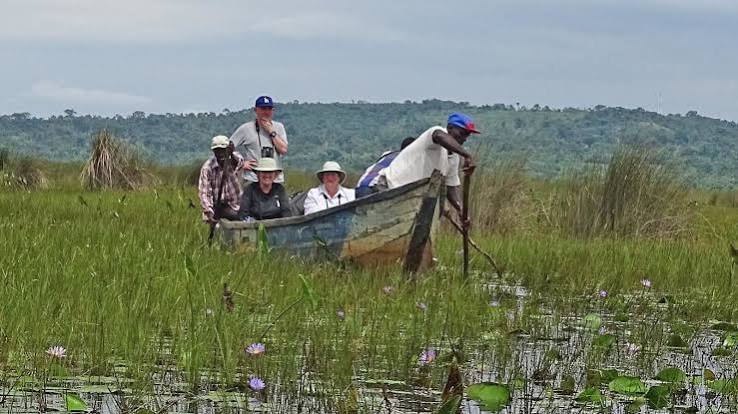
On the shores of Lake Victoria, where papyrus reeds move with the water and canoes travel through narrow paths Mabamba Swamp is one of Uganda’s most special natural places. This large wetland is famous around the world for its animals the rare Shoebill but its value goes far beyond just one amazing bird. Mabamba is a working system that helps fish, plants, insects, reptiles, mammals and hundreds of bird species live and grow. It also gives resources and chances for the people who live near it.
Wetland Conservation in Uganda: Saving Mabamba Swamp is about protecting more than a pretty place. It is about keeping an environment that helps people and animals live together. The future of Mabamba depends on knowing how important it is keeping its areas safe and making sure the people around it can continue to benefit from its survival.
Why Mabamba Swamp Is Important
Mabamba Swamp is an area of wetlands on the northern side of Lake Victoria near Entebbe. It has a network of waterways, small lakes, floating plants and tall papyrus. This setup is perfect for different types of life. The wetland works like a cleaner helping to catch dirt and harmful things before they reach the big lake. It also holds water helps with floods and gives places where water animals can grow and find food.
For animals the wetland offers a mix of food places to hide and spots to build nests. Fish swim through the water insects live among the plants and birds find lots of places to eat. African Jacanas walk on the floating plants herons look for fish in areas and kingfishers fly along the water. The Shoebill is one of the well-known animals there depending on quiet wetland areas where it can find fish and other small animals to eat.
The importance of Mabamba becomes more obvious when you think about how many other natural systems are linked to the health of Lake Victoria. When wetlands are hurt the problems can spread. Bad water, loss of homes fewer fish and more floods can affect both animals and people.
A Home for the Shoebill
No bird is more special than the Shoebill. Its big beak, body, slow moves and old-time look make every time you see it unforgettable.. The presence of the Shoebill at Mabamba means more than just a cool wildlife moment. The species needs wetlands that’re healthy and have enough food and places to build nests without being disturbed.
A Shoebill can’t live just because people want to see it. It needs working environments. Keeping the places where fish’re plenty protecting the papyrus areas not causing too much noise and keeping pollution low all help make a better home for the bird.
This is why Wetland Conservation, in Uganda: Saving Mabamba Swamp is connected to the future of one of Africa’s special birds. When you protect the wetland you are also protecting the conditions that let the Shoebill and many other animals live.
The Challenges Facing Mabamba
Even though it is very important for the environment Mabamba has problems that many wetlands in Uganda also face. More people living in the area farming taking over land, pollution taking much from the wetland and changes in the water can slowly make the home for plants and animals worse.
Papyrus wetlands are sometimes seen as land that is not being used.. These wetlands do important jobs for the environment. When parts of them are taken away or changed animals lose places to eat and build their homes. Water can also change how it moves, which affects fish and plants that live in the water. Small changes might not look like much at first. If they happen again and again they can make the whole environment weaker.
Pollution is another problem. Trash that goes into the water can make the water dirty. Hurt the living things in it. Plastic and other things that people throw away can build up in the wetland areas. Agricultural waste can bring nutrients and chemicals into the water.
Climate change adds uncertainty. Rainfall can change storms can be stronger dry times can last longer and the temperature can rise. These changes can affect the water levels and the plants that grow in the wetland. Wetlands need space to adjust to these changes, which makes it more important to protect them for a time.
Communities Are Part of the Solution
Good protection of wildlife cannot happen if the people who live near the wetland are not involved. Local people use the resources for food, money, materials and other needs every day. When communities have reasons to protect the environment conservation can work better.
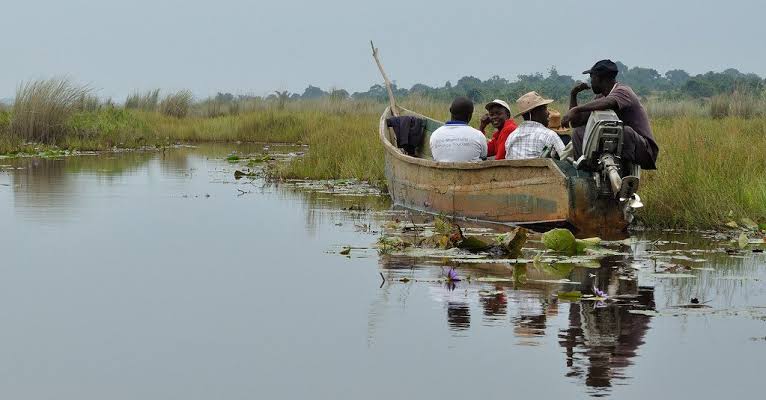
Mabamba is an example of how nature-based tourism can help. Local people who take visitors in canoes guide them make crafts offer places to stay and sell food can all benefit when visitors come to see the wetland in a way. Money from tourism can give people a reason to keep the environment healthy.
Local guides also bring something that a map or a book cannot replace. They know the paths, the times to visit the plants, the animals and how the wetland changes. Their knowledge can make a visit better. Help the community take part in protecting the wetland.
When people see that a healthy wetland gives them chances to make money conservation becomes part of life. A protected Mabamba can give income now. Also keep resources for the future.
Responsible Tourism Can Support Conservation
Tourism needs to be managed so that it helps Mabamba instead of making it worse. Visitors can help by choosing companies that do things the right way following instructions, not leaving trash and being kind to animals.
Canoe trips that are quiet are good for exploring the wetland. They let people move through waterways without making much noise or disturbing animals. When looking for animals guides should keep a distance and not make animals move.
A good visit also starts with being patient. Animals do not follow a schedule for visitors. The best moments might come from sitting quietly among the plants and watching the wetland as it is.
This way of visiting makes tourism a good thing. Every person who is careful helps the people and also learns more about the value of the wetland.
Protecting the Wetland for Future Generations
Long-term protection needs more than cleaning up once in a while or doing nice things once in a while. It needs to keep checking on the habitat teaching people about the environment planning how to use the land getting the community involved and making sure rules are followed.
Schools near Mabamba can help by teaching people why wetlands are important. Kids who learn why papyrus is important why clean water is. Why birds need safe homes are more likely to care for the environment when they grow up.
Organizations, government groups, companies that take tourists, researchers and local people all have jobs. Their work can include fixing the wetland watching the animals teaching people about the environment making sure tourism is good for the area and studying how the wetland changes.
Small actions can be important when they happen over and over. Taking away trash keeping plants safe telling people when something is wrong helping programs and teaching visitors can all help the health of Mabamba.
A Future Worth Protecting
The story of Mabamba is really a story about choices. Uganda can choose to see wetlands as land that’s empty and waiting to be built on or it can see them as important parts of nature that help life, people and the environment around them.
Wetland Conservation in Uganda: Saving Mabamba Swamp shows a future because conservation does not mean people have to stop living in the area. It means finding ways for people and nature to live together. A person who takes visitors in can earn money while showing them around protected areas. A family can get money from tourism while being careful with the wetland. A student can learn about the Shoebill. Grow up knowing why its home is important.
The future of Mabamba depends on these connections. Protecting the wetland means protecting water, animals, the people who live there and the natural history of Uganda, at the same time.
Every Visitor Can Make a Difference
You do not have to be a scientist or someone who works in conservation to help Mabamba. Your actions as a visitor are important. Choose guides who follow the rules make sure you do not leave any trash in the wetland treat animals with care do not break plants and try to use services that are owned by the people whenever you can.
You can also tell people about Mabamba. When more people learn why wetlands are important there is support for protecting them. A time when you see an animal can make you curious but knowing more about it can make you take action.
For visitors seeing a Shoebill standing still in the papyrus is a moment they will never forget. But the bigger experience is understanding that this moment is possible because an entire environment is still working properly.
Wetland Conservation in Uganda: Saving Mabamba Swamp is about keeping that possibility going. It is about making sure the waterways stay open the papyrus keeps growing the fish are still there the birds come back. The local people can create a way to live that is good for the environment.
Mabamba does not have to change to be valuable. Its biggest advantage is the look and feel it already has. By protecting that look and feel now Uganda can make sure that future people will also get to float on its waters hear birds singing from the plants and see one of Africas most amazing wetlands alive next to Lake Victoria.
The work might take time, teamwork and effort. The result is long lasting. A protected Mabamba is better for animals stronger, for people and a clear example that protecting nature can help both animals and humans live lives.

No comment