
How Climate Change Is Affecting East Africas Bird Migration
Every year the skies above East Africa tell a story. Birds arrive from parts of Africa, Europe and Asia crossing thousands of kilometres to reach wetlands, forests, grasslands and lakes where they can feed, rest and raise their young. Their journeys have followed rhythms for generations.. Those rhythms are becoming less predictable. Changes in rainfall rising temperatures, prolonged droughts and shifting seasons are influencing when birds move, where they stop and whether they find food along the way.
How Climate Change Is Affecting East Africas Bird Migration is becoming a question for anyone who cares about wildlife and the future of the regions remarkable ecosystems. Migration is not simply a journey between two places. It is a relationship between birds, weather, vegetation, insects, water and habitat. When one part changes the effects can spread across the journey.
Changing Seasons Are Changing Migration Patterns
Bird migration depends heavily on conditions. Many species time their movements according to rainfall, temperature, daylight and food availability. When the rainy season begins insects emerge plants produce seeds and fruit and wetlands fill with water. These changes create the feeding opportunities birds need after flights.
Climate change is disrupting some of these patterns. Rainfall is becoming less predictable in areas while periods of intense rain can occur alongside longer dry spells. A season that once provided food may now arrive early late or with much less water.
For birds timing matters. A bird can arrive in a habitat expecting abundant insects only to find that the insects appeared weeks earlier. If the bird has already travelled thousands of kilometres finding food can leave it with less energy for the next stage of its journey.
This mismatch between migration and food availability is one of the important concerns facing migratory species. Birds have evolved to respond to signals but rapid environmental changes can make those signals less reliable.
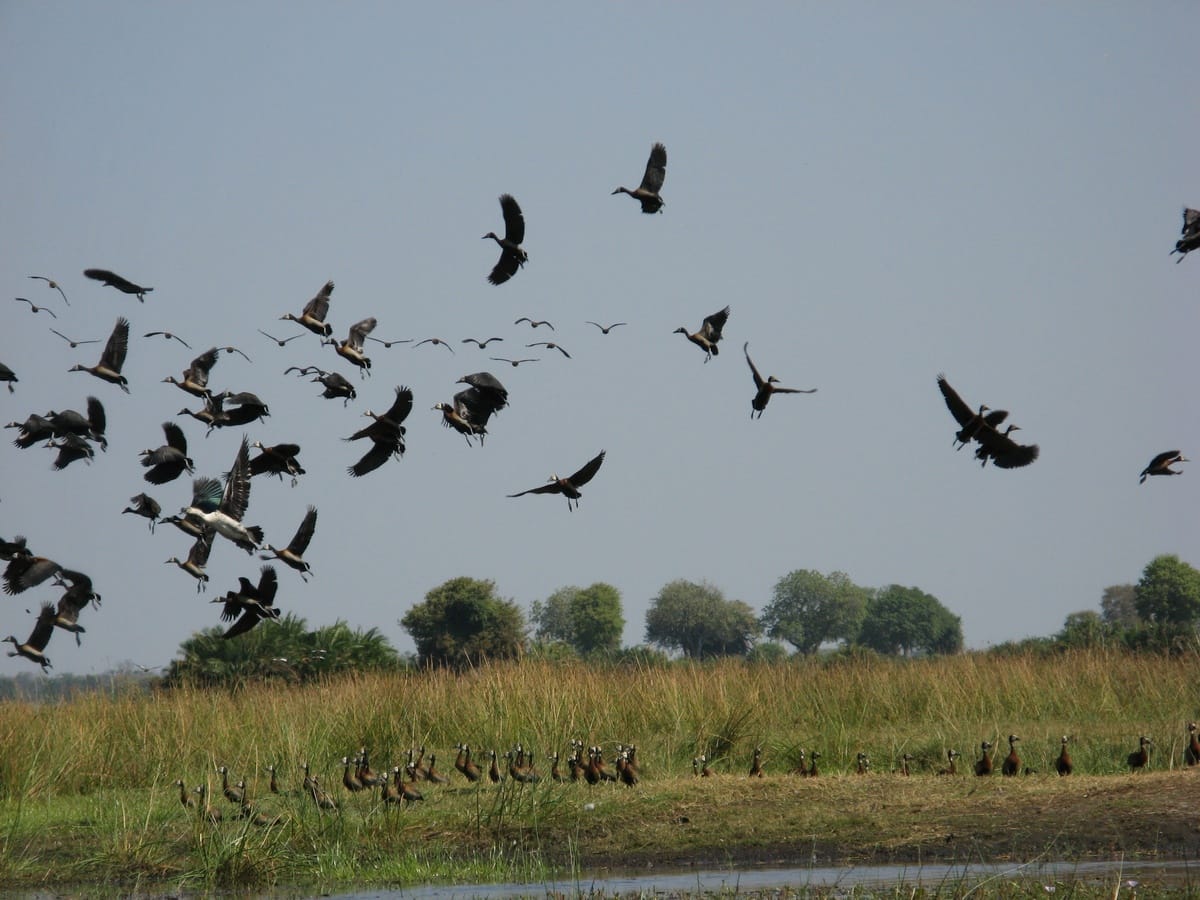
Temperature Changes Affect More Than Birds
Rising temperatures influence migration in ways. Warmer conditions can change the availability of insects alter flowering and fruiting seasons and increase evaporation from lakes and wetlands. These effects can influence both migratory species.
Some birds may respond by changing their migration dates. Others may alter their routes. Remain longer in certain areas. Species with flexibility may face greater challenges because their biological cycles are closely connected to particular environmental conditions.
East Africa contains a range of habitats from the wetlands of Uganda to the savannas of Kenya and Tanzania and the forests of Rwanda. Each habitat responds differently to climate pressures. A change that affects a wetland species may not have the effect, on a forest specialist but both can experience consequences when their food sources or breeding conditions change.
Wetlands Are Vital Resting Places
Wetlands are some of the important spots for migratory birds in East Africa. Lakes, swamps, floodplains, marshes and seasonal wetlands give birds food and a place to sleep during their long trips.
Places like Ugandas Lake Victoria wetlands, Mabamba Swamp and other wetland systems in the area hold many different kinds of birds. Migratory birds need these wetlands to find insects, small water creatures, seeds, fish and safe places to rest.
Climate change can make life hard for wetlands because rain patterns change and water dries up faster. When water levels drop a lot the places where migratory birds eat can vanish. When much rain causes floods, the places where birds build nests and the plants they need can get ruined.
Things get even harder when climate change hits at the time as human activity. Wetlands are already struggling because of farming draining water, pollution and new buildings. This means that protecting these habitats is a part of protecting the paths migratory birds take.
Forests Provide Essential Shelter
Forests also do a lot of work to help birds during their moves. The Albertine Rift, which goes through parts of Uganda, Rwanda, Burundi, Tanzania and the Democratic Republic of Congo has some of the bird habitats in Africa.
Changes in heat and rain can change how forests look how plants grow and how many insects are around. When forests are broken into pieces migratory birds have fewer safe spots to travel between good habitats.
Keeping forests healthy can help birds deal with these changes. When habitats are connected migratory birds have chances to move to places where food and good temperatures are still there.
Drought Creates Difficult Conditions
Drought is another worry for migratory birds. East Africa often has weather but when a drought lasts a long time it puts a lot of stress on nature.
When water dries up migratory birds have places to drink and eat. Plants might not grow well and insects or other food might disappear. Large animals and farm animals might also crowd around the bits of water which creates more competition and noise for the birds.
For a migratory bird that just finished a long trip these conditions are very tough. The bird might have to fly further to find food, which uses up energy that the bird needs to stay alive and have babies.
Drought can also make it hard for birds to breed. Birds that arrive at breeding areas feeling weak might lay eggs or find it hard to raise healthy chicks. Because of this one bad season can hurt the generation of birds.
Extreme Weather Can Disrupt Long Journeys
Migration means migratory birds have to face all kinds of weather over distances. Storms, rain, strong winds and heat can make these trips very dangerous.
Some migratory birds fly over deserts, oceans, mountains and wide open lands where there are not places to stop. A quick change in the weather can force birds to stop when they do not want to or take much longer paths.
Extreme weather can also break the habitats that migratory birds need once they arrive. Floods might wash away nests while big storms can tear up plants and make food harder to find.
With these problems birds are very tough. Many species change what they do when things get hard. They might leave at a time change how they eat or pick new paths.. There is a limit to how much they can change especially if the world changes faster than the birds can keep up.
Bird Monitoring Helps Us Understand the Changes
To understand migration we have to watch. Birdwatchers, researchers, conservation organisations, park staff and local people all help by sharing what they see.
Writing down when birds arrive, where people see them and how their numbers change helps scientists see long-term patterns. New ways of monitoring can mix what people see in the field with weather data to show how the world affects migration.
This makes birdwatching more than a fun hobby. When a person writes down a migrant at a wetland or forest they are helping to show the picture of how nature is changing.
Citizen Science Gives Everyone a Role
Citizen science is a way for anyone to help save birds. When people share bird sightings, on websites it helps researchers track where birds live how they move and if their numbers are going up or down.
You can help by taking notes writing down dates and places learning bird songs and learning how to spot different species. Even common birds are helpful to track if people keep watching them for years.
A simple notebook can be a tool. If you watch the wetland over and over your notes can show changes that other people might miss.
Wetlands Are Vital Resting Places
I have seen how wetlands are among the important places for migratory birds in East Africa. Lakes, swamps, floodplains, marshes and seasonal wetlands give food and shelter to birds during journeys.
I have noticed that places such as Ugandas Lake Victoria wetlands, Mabamba Swamp and other wetland systems across the region support bird diversity. Migrants rely on these areas for insects, aquatic organisms, seeds, fish and safe resting spots.
I worry that climate change can add pressure on wetlands through changing rainfall patterns and higher evaporation. When water levels drop sharply feeding areas can vanish. When heavy rains flood, nesting sites and vegetation can also be damaged.
I see that the challenge becomes greater when climate pressure mixes with activity. Wetlands may already suffer from farming, drainage, pollution, settlement and other development. Protecting these habitats is therefore crucial for protecting migration routes.
Forests Provide Essential Shelter
I have noticed that forests also play a role in supporting birds during seasonal movements. The Albertine Rift, which stretches through parts of Uganda, Rwanda, Burundi, Tanzania and the Democratic Republic of Congo contains some of Africas important bird habitats.
I have seen that changes in temperature and rainfall can affect forest structure, plant growth and insect populations. When forests become fragmented birds have safe places to move between suitable habitats.
I believe that protecting forests can help birds cope with changing conditions. Connected habitats give birds chances to move toward areas where food and suitable temperatures remain available.
Drought Creates Conditions
I know that drought is another concern for migratory birds. East Africa often has weather but long droughts can put severe pressure on ecosystems.
I have seen that when water sources shrink birds have places to drink and feed. Vegetation may become less productive and insects and other food sources may decline. Large mammals and livestock may also gather around the remaining water sources increasing competition and disturbance.
I know that for a migratory bird arriving after a long journey these conditions can be especially difficult. The bird may need to travel to find food using energy that should be kept for survival and reproduction.
I realize that drought can also affect breeding success. Birds that arrive at breeding areas in condition may lay fewer eggs or struggle to raise healthy chicks. The effects of one season can therefore carry into the next generation.
Extreme Weather Can Disrupt Long Journeys
I have seen that migration exposes birds to weather across distances. Storms, rain, strong winds and heat can make journeys more dangerous.
I know that some migratory birds cross deserts, oceans, mountains and open landscapes where suitable resting placesre few. A sudden change in weather can force birds to stop or take longer routes.
I understand that extreme weather can also damage the habitats birds need after arrival. Floods may destroy nests while severe storms can remove vegetation and reduce food.
I admire that despite these challenges birds show resilience. Many species adjust their behaviour when conditions change. They may shift departure dates feeding patterns or routes.. Adaptation has limits, especially when environmental changes happen faster than birds can respond.
Bird Monitoring Helps Us Understand the Changes
I know that understanding migration needs observation. Birdwatchers, researchers, conservation organisations, park staff and local communities all give information.
I see that recording when birds arrive, where they are seen and how their numbers change can help scientists spot long-term patterns. Modern monitoring projects can combine field observations with weather data and habitat information to see how environmental conditions affect migration.
I feel that this makes birding more than a hobby. A person recording a migrant at a wetland or forest can help build a picture of ecological change.
Citizen Science Gives Everyone a Role
I know that citizen science gives people a way to help bird conservation. Bird observations sent to recognised recording platforms can help researchers track distribution, seasonal movements and population changes.
I encourage you to help by keeping notes recording dates and locations learning bird calls and identifying species carefully. Even common species can give information if observations are collected over many years.
I know that a simple notebook can become a record. A series of observations, from the wetland can reveal changes that might otherwise go unnoticed.

No comment