
How Ecotourism Is Saving East Africas Endangered Birds
East Africa is home to special birds. The huge Shoebill sits quietly in a papyrus wetland. Colorful turacos glide through forests. These birds live in places that also help people, wildlife, farms and tourists.. Many birds are under threat. Their homes are shrinking because of habitat loss, wetland drainage, forest cutting, hunting, pollution and climate change. To protect these birds we must do more than name protected areas. We must give people good reasons to care about living birds and healthy places.
Ecotourism can play a role. When ecotourism is planned carefully bird-rich forests, wetlands, lakes and savannas can become sources of money. Tourists pay for rooms, guides, travel, park fees, food and local services. A part of this money can help protect birds and create jobs for people who live near bird homes. In this way the story of ecotourism saving East Africas birds turns into a tale of people and nature working together.
Turning Birdlife Into a Conservation Asset
For generations people in East Africa have lived near birds and the places where birds live. Wetlands give fish, water, grazing ground, reeds and good soil. Forests give plants and other things. Lakes help fishing people. Hold many waterbirds. When these places are harmed, the work of people also. The birds suffer too.
Ecotourism can add another kind of worth. A healthy wetland that has a bird can draw visitors who want to pay for a guide. A forest that has birds can become a place for special birdwatching trips. A national park famous for birds can make tourists stay longer and spend more money in nearby towns.
The key point is that ecotourism must be handled carefully. Many tourists can put pressure on the land if they are not controlled. Good ecotourism uses groups, trained guides, suitable rooms, careful driving, less waste and respect for birds. The aim is to make protection of birds part of the visitor experience, not a backdrop.
Supporting Local Communities
Conservation grows when people in the area gain from protecting land. A guide who earns money from showing tourists a wetland has a reason to keep that wetland safe. A lodge that hires people benefits when the forest and birds stay healthy to welcome guests. A group of locals who get money from tourists can spend that money on schools, water, health or more bird protection.
Throughout East Africa guides help tourists see nature. Guides know where birds eat lay eggs sleep or show up each season. This knowledge makes a birding trip more rewarding and gives jobs near home.
The link, between ecotourism and jobs is why the story of ecotourism saving East Africas endangered birds matters. Protection of bird homes becomes real when it also helps families and local shops.
Protecting Critical Bird Habitats
Many birds that are endangered or threatened need homes that are currently in danger. Wetlands are very important for these birds. Papyrus swamps, lakeshores, floodplains and marshes give species a place to eat and raise their young. However people often drain wetlands to build farms, houses or roads.
Ecotourism can make these habitats valuable without destroying them. People who travel to see wetland birds bring money to the area through boat trips, guides, places to stay, park fees and community services. When tourism money relies on keeping a wetland healthy protecting the wetland becomes a financial choice.
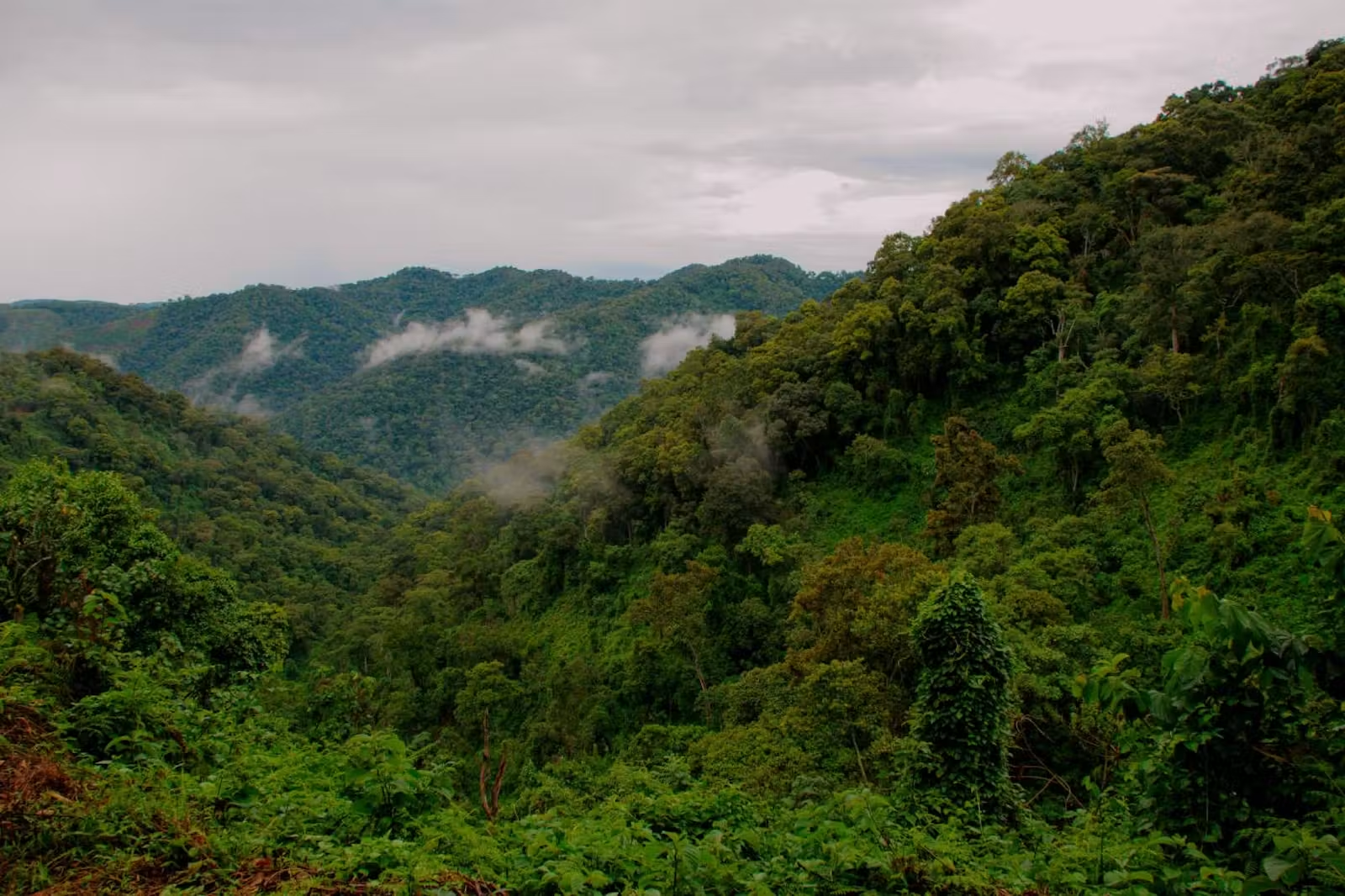
Forests face the problems. The montane forests in East Africa are home to species that only live in small areas. Some birds live in certain mountain ecosystems so protecting those habitats is vital. Responsible tourism can help pay for forest patrols fixing trails teaching people about conservation and community programs.
The Power of Protected Areas
National parks, forest reserves, wildlife sanctuaries and community conservation areas help keep birds safe. Places like Ugandas Bwindi Impenetrable National Park, Rwandas Nyungwe Forest National Park, Kenyas Kakamega Forest and Tanzanias Eastern Arc Mountains have habitats that hold many different kinds of birds.
Bird tourism can help these protected areas by showing that birds are just as valuable as animals. Elephants, lions, gorillas and other famous animals get a lot of attention.. Birds can get people to visit forests, wetlands and smaller conservation sites that might not get much money otherwise.
A visitor who travels to find a rare endemic bird might spend many hours or even many days in one spot. That spending helps guides people providing accommodation, drivers, restaurants, conservation organizations and community projects.
Creating Jobs Through Bird Tourism
Bird tourism needs people with skills. Bird guides must be able to identify birds by how they look how they act, where they live and the sounds they make. also need to understand ecosystems and know how to get close to wildlife without bothering the wildlife.
Training people to be professional bird guides can create good jobs. Of moving away from rural areas to find work local people can build careers using the nature around them.
Women can also benefit when tourism creates jobs in guiding, catering, handicrafts, accommodation, administration and community enterprises. When tourism money goes into homes protecting nature becomes part of a plan to help the economy.
This is another part of How Ecotourism Is Saving East Africas Endangered Birds. The best conservation programs do not ask people to pay the price for protecting nature without giving them something back. These programs create chances that make keeping habitats healthy worth the effort.
Education Through Travel
Ecotourism also changes how people think about birds. A visitor might arrive knowing nothing about a Shoebill, a Great Blue Turaco or an Albertine Rift. After spending time with a guide that visitor might leave with a real love, for the birds and their homes.
Local children can learn the way through school conservation programs. Birdwatching clubs, nature walks, school gardens, tree planting and environmental education can help young people see how birds, forests, wetlands, insects, plants, water and human communities all work together.
Education is important because protecting nature depends on how people feel for a time. A child who learns that a wetland supports birds, fish, clean water and local jobs may grow up to be an adult who protects the wetland.
Responsible Tourism matters for protecting nature. Visitors should not disturb nests should not flush birds repeatedly should not play calls too much should not leave rubbish and should not enter restricted areas. Photographers must stay at a distance and must not do anything that causes birds to leave feeding or nesting sites.
Tour operators can choose practices
Hiring guides staying in locally owned accommodation cutting plastic waste obeying park rules and supporting conservation projects keep money inside the destination.
Travelers can ask questions before booking a birding trip. Does the company employ guides?, support community projects? Does the company follow wildlife viewing guidelines? ,encourage behavior around birds? These questions affect how tourism develops.
The future of East Africas endangered birds depends on efforts working together. Governments need environmental policies. Conservation organizations need funding and research. Communities need economic opportunities. Tourism businesses need practices. Travelers need to respect the places and species they visit.
Ecotourism alone cannot solve all conservation problems. It cannot replace habitat protection, scientific research, law enforcement or climate action.. If it is managed well it can give a solid financial and social base for conservation.
Every responsible birding trip can help
A guide earns income. A local lodge receives a booking. A protected area collects visitor fees. A community benefits from tourism. A traveler feels a bond with nature. These small actions add up to a conservation effort.
The inspiring part of How Ecotourism Is Saving East Africas Endangered Birds is the chance that tourism can help people see that protecting nature has real value. A bird does not need to be famous to matter. A small forest bird, a wetland specialist or a threatened raptor can represent an ecosystem.
East Africas birdlife is a living treasure
Its future is not guaranteed. Forests can disappear wetlands can. Rare species can become harder to find if habitats are ignored. Ecotourism offers a way to earn income while encouraging people to protect these places.
When you travel responsibly your journey can become part of that effort. You can choose guides, support community-owned businesses follow wildlife rules cut waste and give nature the space it needs. You can also leave home with knowledge that inspires others to care.
The time you hear a bird calling from an East African forest or see a Shoebill standing among papyrus remember that its survival may depend on choices made today. How Ecotourism Is Saving East Africas Endangered Birds is, about creating a future where communities prosper habitats remain intact and amazing birds continue to thrive where they belong.


No comment