
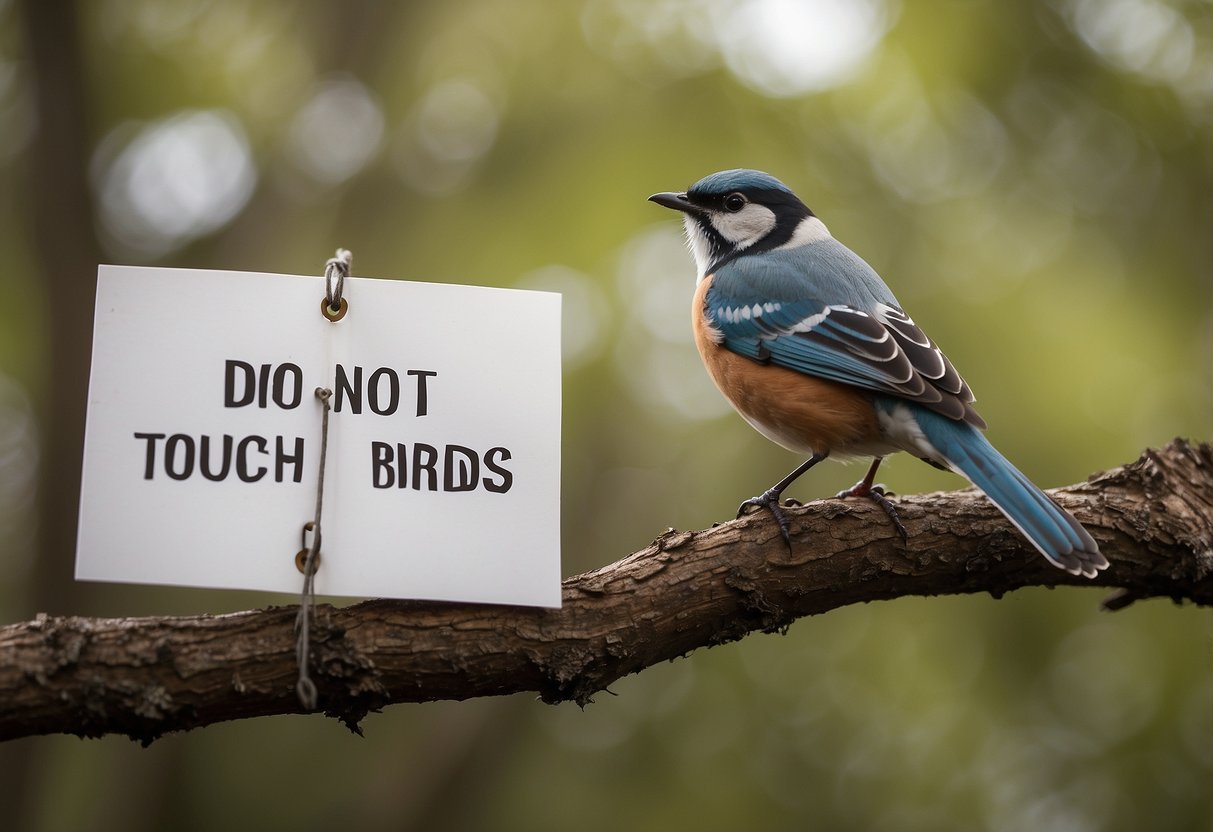
Sustainable birding Birding: How to Minimize Your Impact
Birding is a great way to experience nature and learn more about wildlife and wild places. In East Africa one morning can bring you face to face with sunbirds, soaring raptors, secretive forest species and wetlands full of life.. Every visit to a natural habitat leaves a footprint. How you travel, where you walk how you behave around birds and what you buy can influence the places and communities that make birding possible. Sustainable Birding: How to Minimize Your Impact begins with understanding that enjoying nature also comes with a responsibility to protect nature.
Responsible birding does not require you to give up adventure or comfort. Birding means making decisions before and during your trip. You can still explore forests, wetlands, savannas, lakes, mountains and protected areas while reducing disturbance. Small choices can become meaningful when many visitors make them consistently. A quiet approach, a water bottle, responsible accommodation and respect for local regulations can all contribute to healthier habitats and better experiences for everyone.
Respect Birds and Their Natural Behavior
The important rule is simple: allow birds to behave naturally. Birds need space to feed, rest, nest, court raise escape predators. When people approach closely repeatedly flush a bird or create noise around a nesting site the disturbance can cause unnecessary stress and interrupt important activities.
Keep a distance whenever possible. If a bird moves away because you approached, stop and give it room. Avoid chasing birds from one location to another simply to obtain a view. A distant sighting can be more rewarding when you know the bird remained comfortable throughout the encounter.
Nest sites deserve care. Never touch eggs, chicks, nests or nesting materials. Avoid sharing the location of sensitive nests publicly especially when increased attention could attract crowds. Observation may last a few minutes while the consequences of disturbance can affect an entire breeding attempt.
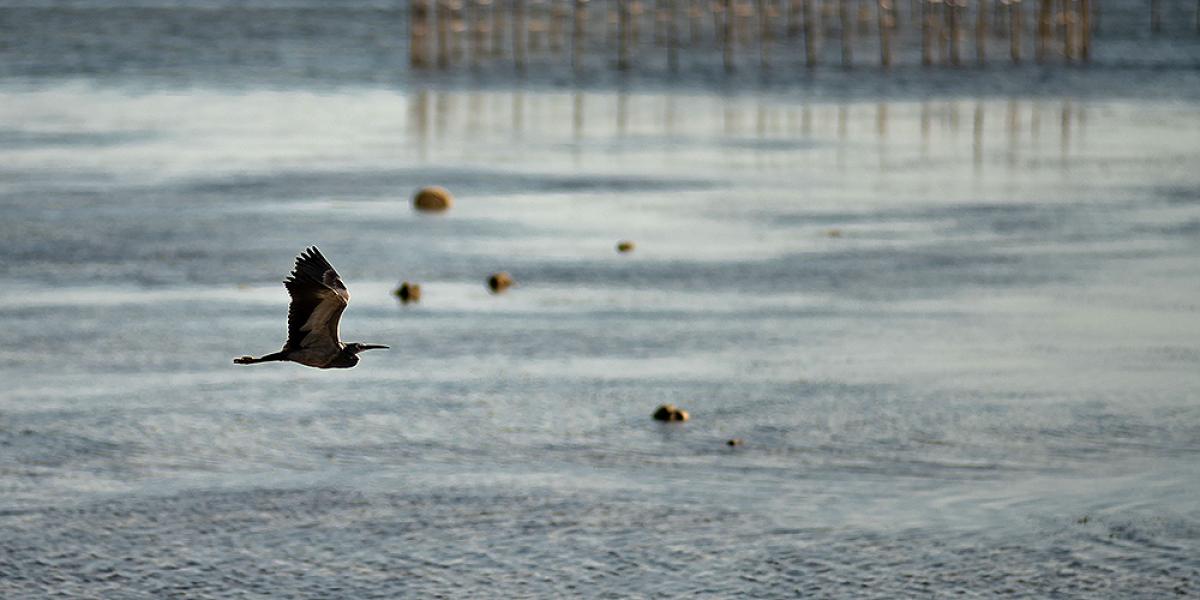
Keep Your Distance
Binoculars. Spotting scopes allow you to enjoy birds without getting dangerously close. A good optical view removes much of the temptation to approach. If you use a camera avoid moving merely because you want a larger image. Modern lenses can produce photographs from a respectful distance.
Playback calls also require restraint. Playing recordings may attract a bird temporarily. Repeated use can interfere with feeding, territorial behavior or breeding. If local regulations or park guidelines restrict playback follow those rules without exception. In habitats simply observing quietly is often the best approach.
Stay on Designated Trails
Your feet can cause damage than you realize. Walking off established trails may crush plants disturb insects damage fragile ground vegetation and expose nests or burrows. Wetlands, grasslands, forests and high-altitude habitats can be especially sensitive to repeated foot traffic.
Stay on marked paths unless guide or park authority specifically allows another route. When a trail is narrow allow other visitors to pass without stepping into vegetation. In wetlands follow designated boardwalks, canoe routes or established paths than creating new shortcuts.
Birding: How to Minimize Your Impact also means thinking about the places between major birding destinations. A short walk, through empty vegetation can still disturb small birds, reptiles, insects and other wildlife that depend on that habitat.
Reduce Waste During Your Trip
Plastic bottles, food wrappers, tissues, batteries and other rubbish can gather fast in natural areas. Carry a bottle and store snacks in reusable containers when possible. Keep every piece of waste with you until you reach a disposal point.
Do not leave waste behind just because it seems harmless. Fruit peels, food scraps and other leftovers can attract animals to places where they would not normally feed. This can alter behavior and encourage wildlife to link people with food.
Choose accommodation that manages waste responsibly. Ask if a lodge or hotel separates recyclables limits plastic treats wastewater appropriately and supports conservation or community projects. Your spending decisions can encourage businesses to keep environmental practices.
Use Water and Energy
Birding trips may involve long drives, early departures and remote accommodation. Even small efforts to conserve resources can make a difference. Turn off lights and electrical equipment avoid wasting water and follow the propertys instructions for towels and laundry.
In regions water can be especially valuable. Take showers and avoid leaving taps running. If you stay in a lodge remember that water may need to be pumped, transported, filtered or treated with limited resources.
Choose Transportation
Travel contributes significantly to the environmental footprint of a birding holiday. You cannot always avoid long-distance flights. You can make sensible choices once you reach a destination. When possible use vehicles, efficient routes and local transport services instead of unnecessary individual transfers.
A knowledgeable local guide can also make your journey more efficient. Guides often know where particular species are found, which roads are productive and when certain habitats are most active. Better planning can reduce driving and give you more time to observe wildlife.
When planning an African birding trip consider combining nearby destinations instead of repeatedly crossing large distances. Uganda, Rwanda, Kenya and Tanzania each contain habitats so a carefully planned itinerary can provide excellent variety without adding avoidable journeys.
Support Local Communities
Conservation becomes stronger when nearby communities benefit from protecting areas. Your choices as a visitor can contribute directly to livelihoods. Stay at owned accommodation when it meets your needs hire qualified local guides eat at community businesses and purchase authentic locally made products.
Responsible tourism can give reasons to protect forests, wetlands, grasslands and other habitats. When communities see that healthy natural areas create employment and income conservation can become part of a long‑term strategy.
Birding: How to Minimize Your Impact includes respecting people as carefully as you respect wildlife. Ask permission before photographing individuals, children. Follow expectations and listen to your guide when visiting villages or community‑managed conservation areas. Your behavior can influence how future visitors are welcomed.
Follow Conservation Rules
National parks, forest reserves, wetlands and other protected areas often have regulations. These rules may cover vehicle speed, walking routes, photography, drones, fishing, waste disposal, fires and wildlife encounters.
Do not assume that a rule is unnecessary because you do not understand its purpose. Regulations are often based on years of conservation experience. If a guide asks you to remain inside a vehicle or move away, from an animal follow the instruction promptly.
Never remove feathers, plants, shells, rocks, insects or other natural objects from protected areas. A small object may seem insignificant. Removing natural materials repeatedly can gradually alter an ecosystem. Leave the habitat as you found it.
Share Sightings Responsibly
Technology makes it easy to share bird sightings with thousands of people. This can encourage conservation awareness. Sensitive information should be handled carefully. Exact locations of birds
Make Every Birding Trip Responsible
Sustainable Birding: How to Minimize Your Impact is ultimately about making better choices before during and after every outing. You can plan carefully travel efficiently respect wildlife reduce waste conserve water, support communities and follow conservation rules without sacrificing the excitement of exploration.
The memorable birding moments often happen when you slow down and observe patiently. A sunbird feeding quietly among flowers an eagle circling above a forest or a shoebill standing motionless in a papyrus wetland does not need human interference to become extraordinary. Your role is to witness these moments without changing them.
Birding: How to Minimize Your Impact becomes a practical commitment when responsible habits become part of your normal routine. Carry your waste keep your distance listen to your guide respect communities and protect sensitive habitats. These actions may appear small individually. They help preserve the places and wildlife that make birding meaningful.
Every trip gives you an opportunity to leave nature healthier, quieter and better protected than you found it. Birding: How to Minimize Your Impact is therefore more, than a travel principle. It is an invitation to explore with care appreciate wildlife without disturbing it and help ensure that future generations can experience the remarkable birds in the wild.

No comment