
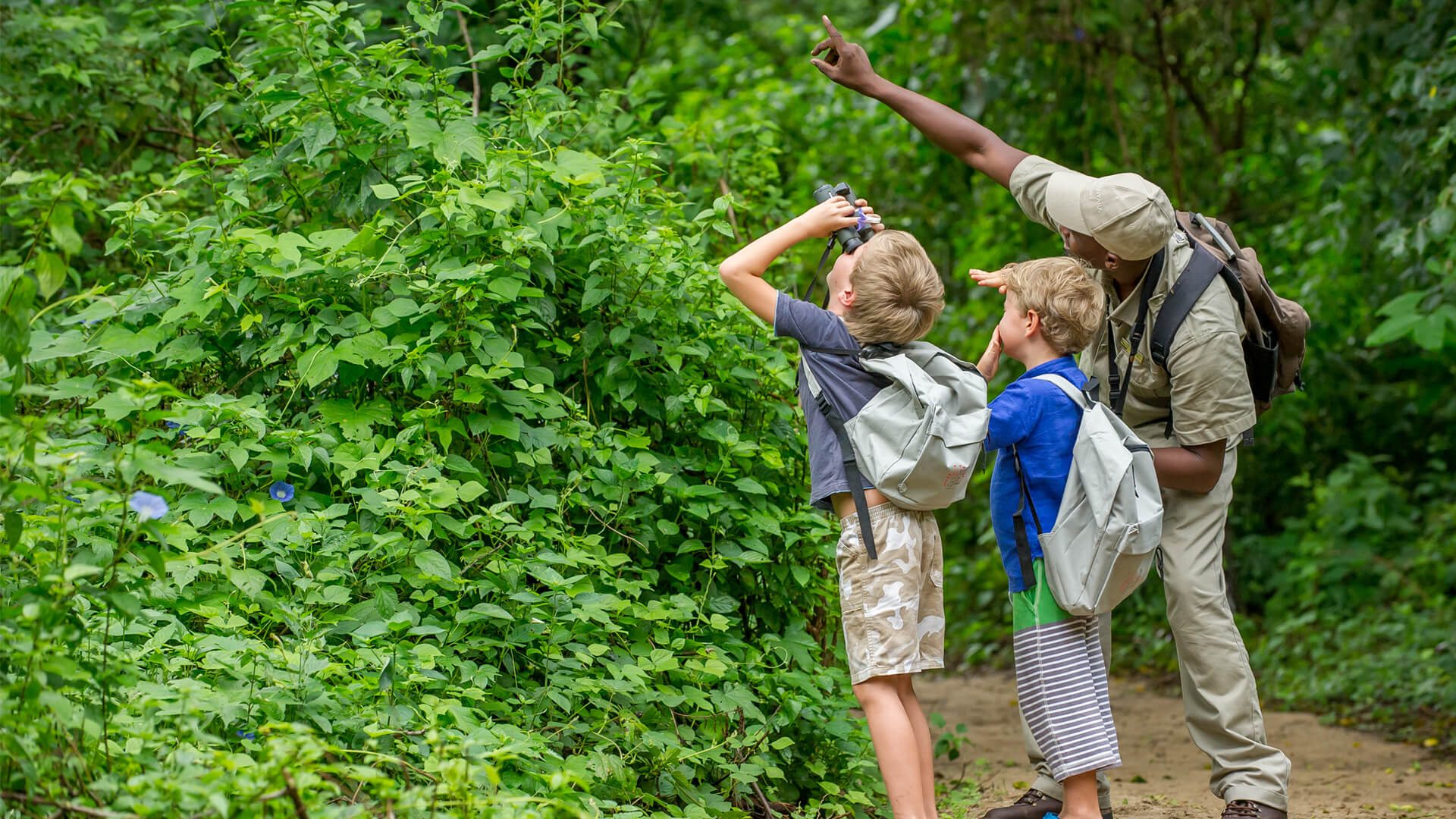
Traveling with Kids on a Birding Safari: Is It Possible?
For families the idea of taking children on a birding safari may seem challenging at first. Young children can be energetic easily distracted and sometimes impatient when wildlife does not appear immediately. Yet with the planning and realistic expectations a birding safari can become one of the most rewarding family adventures you ever share. Nature offers children something that screens and classrooms cannot always provide: the chance to observe living creatures in their surroundings and learn through direct experience.
Traveling with Kids on a Birding Safari: Is It Possible? The answer is yes and the experience can be surprisingly enjoyable when you design the trip around your childrens ages, interests and comfort. You do not need to spend every day searching for species or sitting quietly for hours. Instead you can combine birdwatching with wildlife drives, short nature walks, cultural experiences, scenic stops and plenty of rest.
Why Birding Safaris Can Be Great for Children
Birds are wildlife subjects for young explorers because they come in remarkable shapes, sizes, colors and behaviors. A child may quickly become fascinated by a colored kingfisher, a huge African fish eagle, a striking lilac-breasted roller or a group of weaverbirds building nests. These encounters can turn a drive into an exciting discovery.
Children also tend to enjoy the challenge of finding something before adults do. Give them a task such as spotting a bird with a red bill finding the largest bird nearby or counting how many different birds they see before lunch. These small challenges can make birdwatching feel active than passive.
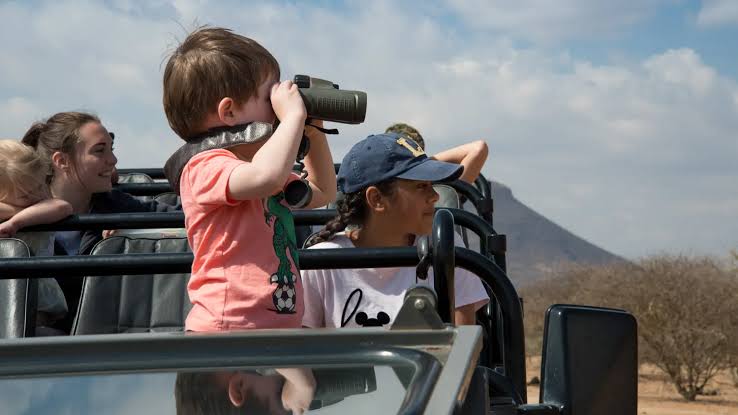
Turn Birdwatching Into an Adventure
You can make the experience more engaging by giving children their role. Older children might keep a list of birds they have seen while younger ones can draw pictures or count species. A small notebook can become a record of the trip.
Avoid expecting children to identify every bird correctly. The goal is curiosity. If your child sees a bird and asks what it is doing take that question seriously. Explain that birds eat, communicate, build nests raise young, migrate and defend territories. Simple observations can lead to conversations about nature.
Choose a Family-Friendly Safari Destination
The destination you choose can strongly influence how enjoyable the trip becomes. East Africa offers places where birdwatching can be combined with other wildlife experiences. Uganda, Kenya, Tanzania and Rwanda provide opportunities to see birds in forests, wetlands, lakes, savannas, gardens and national parks.
A family trip should not depend on spending hours in one habitat. Variety helps children stay interested. A morning near a wetland can be followed by a wildlife drive, a picnic or a visit to a community. The next day might include a forest walk and a relaxed afternoon at your lodge.
Uganda is particularly rewarding for families because birding can fit naturally into a wildlife itinerary. A visit to Lake Mburo for example can include birds, alongside zebras, antelopes and other wildlife. Wetland excursions can introduce children to species they have never encountered before.
Consider Travel Time and Daily Schedules
Long transfers can be hard for children especially when early mornings and full-day activities are added. When planning an itinerary do not pack many destinations into a short holiday.
A slower schedule often creates memories. Two or three comfortable nights in one area can be more enjoyable than moving every day. Choose accommodation where children can rest safely between activities and where mealsre practical for your family.
Prepare Children Before the Trip
A little preparation can make a difference. Before departure show your children some of the birds they might see. Look at pictures together. Learn a few simple facts. You could create a family challenge where each person picks three birds they hope to find.
Books and educational videos can also help children understand what to expect. Explain that wild animals do not appear on command. Sometimes you may spend time searching without seeing a species. This is part of the experience.
Traveling with Kids on a Birding Safari: Is It Possible? becomes much easier when children understand that patience is part of wildlife viewing. At the time do not demand perfect silence for an entire game drive. Children need freedom to ask questions, stretch talk quietly and enjoy the surroundings.
Pack for Comfort
Comfort can determine whether children enjoy the experience. Bring clothing suitable for changing weather, comfortable shoes, sun protection, insect protection, drinking water, snacks and a small backpack.
Binoculars can also make a difference. If your children are old enough to use them consider giving each child a lightweight pair. Having their equipment gives them a sense of responsibility.
Do not forget entertainment for drives. A notebook, coloring materials, nature guide, simple games or an audio story can help during periods when wildlife is quiet.
Work With a Patient Local Guide
A knowledgeable guide can transform a family birding trip. Experienced guides know where birds are likely to be found how to approach wildlife respectfully and how to adapt activities for ages.
Tell your guide before the trip that you are traveling with children. This allows them to adjust the pace and choose locations. A good guide can also explain birds in language children understand than relying entirely on technical descriptions.
For children short activities may work better than long walks. A 45‑minute nature walk filled with discoveries can be more successful than a three‑hour walk that leaves everyone exhausted.
Keep Expectations Realistic
One of the mistakes families can make is planning the trip around a long list of target species. Rare birds are never. Wildlife sightings depend on weather, habitat, season and luck.
Instead celebrate every discovery. A common bird behaving in a way can be more memorable than a rare species seen for only a few seconds. Encourage your children to notice sounds, nests, feathers, tracks, feeding behavior and interactions between animals. Traveling with Kids on a Birding Safari: Is It Possible? Traveling with Kids on a Birding Safari: Is It Possible? is certainly true. Your childs favorite memory might be watching an eagle fly hearing frogs beside a wetland or seeing a colorful bird land close, to the vehicle.
Make Room for Family Time
A family birding safari does not have to be all birding from sunrise to sunset. Children need downtime and adults do too. Plan periods during the hottest part of the day especially when the family birding safari itinerary includes early starts.
Swimming, reading, relaxing at the lodge or simply watching animals from a spot can give everyone time to recharge. These breaks can also make children more enthusiastic about the part of the family birding safari.
Let Children Set the Pace Sometimes
Family travel works best when children feel involved. Ask them what they enjoyed most each day. Give them choices when possible. They might choose whether to go on a walk or spend more time watching animals from the lodge during the family birding safari.
Allowing children to participate in decisions can turn them from passengers into active members of the family birding safari. Their questions may even lead the family birding safari guide to notice things that would otherwise be overlooked.
Create Memories Beyond the Bird List
The greatest value of a family birding safari may have little to do with the species count. Children remember experiences. They remember waking before sunrise seeing the landscape change as the sun appeared hearing bird calls laughing during a picnic and sharing discoveries with their parents during the family birding safari.
You can encourage this by creating a family travel journal. Each evening ask everyone to describe their sight of the day. Younger children can draw it while older children can write a sentences. Years later these simple records may become some of your familys meaningful travel memories from the family birding safari.
Traveling with Kids on a Birding Safari: Is It Possible? Yes provided the family birding safari experience is built around discovery, flexibility, safety and enjoyment. You do not need conditions or expert-level knowledge. You need patience, thoughtful planning and a willingness to let children experience nature in their way during the family birding safari.
A family birding safari can introduce children to the world while giving parents the chance to see familiar landscapes through fresh eyes. The excitement of spotting a bird hearing its call or watching it move through the trees can bring everyone together during the family birding safari.
Start Small. Let Curiosity Grow
Your first family birding safari does not need to be ambitious. A half‑day excursion a nearby wetland visit or a short nature walk can provide an introduction to the family birding safari. If your children enjoy it you can gradually plan experiences.
The important thing is to leave space for wonder. Wildlife travel teaches patience, observation, respect and curiosity. These lessons can stay with children long after the family birding safari ends.
Traveling with Kids on a Birding Safari: Is It Possible? It is more than possible when the family birding safari is approached as a shared family adventure. Give children opportunities to explore ask questions make discoveries and rest when they need to during the family birding safari. Let the trip unfold at a pace and focus on the experiences you can share rather than trying to achieve a perfect itinerary during the family birding safari.
Years, from now children may not remember every bird you identified during the family birding safari. They may remember standing beside you as the African morning came alive watching a bird take flight and realizing that the world was much bigger and more fascinating than they had imagined. That is a memory worth creating.





No comment