A Week in Uganda: The Ultimate Birding Itinerary
Uganda is one of Africa’s rewarding destinations for anyone who wants to experience birds in wild, beautiful places. Within a week, you can move from the shores of Lake Victoria to misty forests, open savannah, wetlands and riverbanks, with every landscape offering a different collection of species. Its varied habitats let you enjoy birding alongside beautiful scenery, communities, food and wildlife.
For a visit, this seven-day route should balance accessible locations with habitats that offer a strong chance of seeing memorable species. You can begin around Entebbe travel west toward Kibale continue through the Albertine Rift and finish around Queen Elizabeth National Park and Lake Mburo. This route offers opportunities for forest specialists waterbirds, raptors, colorful turacos, bee-eaters, kingfishers and many other species.
Days 1 and 2: Entebbe and Lake Victoria
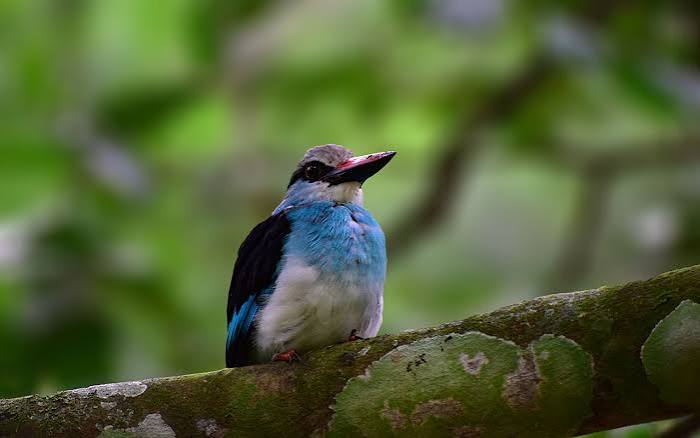
Your journey can begin in Entebbe, a lakeside town that provides an excellent introduction to Uganda’s birdlife. After arriving give yourself time to settle in before heading into gardens, wetlands or forest patches. Entebbe Botanical Gardens are especially useful for beginners because the paths are manageable the vegetation is varied. Birds can often be found without long walks. Look through flowering trees, shrubs and open lawns for sunbirds, weavers, barbets, kingfishers and other species.
Use the morning to develop your rhythm. Listen for calls study feeding behavior and learn how birds move through their habitats. A small patch of vegetation can reveal species if you remain still for a few minutes. You may also encounter monkeys, butterflies, lizards and other wildlife.
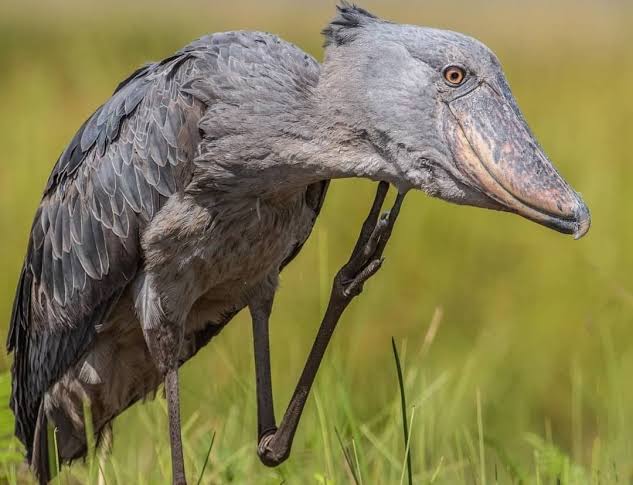
On the day explore Mabamba Swamp, where papyrus channels and open water create habitat for an impressive range of species. The area is famous for the shoebill. It offers much more than one iconic bird. Take a canoe through the channels with a local guide and watch the vegetation carefully. Herons, egrets, jacanas, kingfishers, cormorants and other wetland birds can appear along the route. If a shoebill is your goal allow enough time for quiet searching because sightings are never guaranteed.
Make the first days count
A Week in Uganda: The Ultimate Birding Itinerary works best when you use Entebbe to prepare for the days. Keep your binoculars ready carry a notebook or phone for records. Photograph birds only when doing so does not disturb them. Early mornings are usually productive so plan your outings around the first few hours after sunrise. By the end of these two days you should have a growing list and a better understanding of Uganda’s birding conditions.
Days 3. 4: Kibale Forest and the Albertine Rift
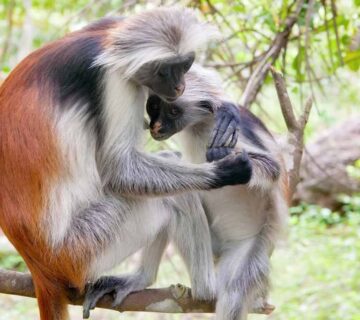
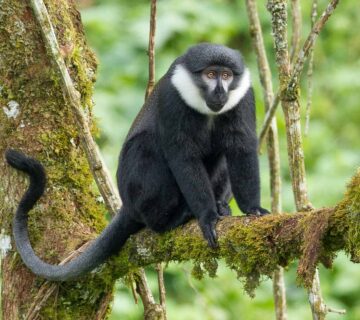
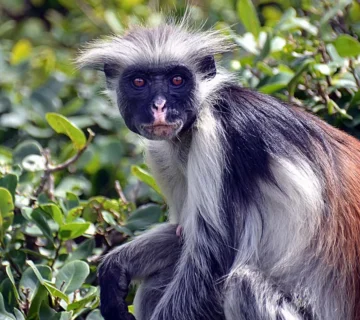
Leave Entebbe early on the third day and travel toward Kibale Forest. Farms, wetlands, villages and rolling landscapes gradually give way to forest vegetation. Kibale National Park is widely known for chimpanzees. Its birdlife deserves equal attention. Forest edges, trails and clearings can produce species.
Spend the afternoon around the forest. Save a longer walk for the following morning. Listen for calls before searching the canopy. Great Blue Turacos, African Pitas, barbets, flycatchers and hornbills may be encountered depending on location and season. A local guide can make a difference because experienced eyes and ears often detect birds before visitors do.
The fourth day should begin early. Dense vegetation can limit visibility so listen closely and scan branches systematically. You may hear a bird times before finally seeing it. Stand quietly. Watch for movement in the foliage. Even hidden species can make the morning rewarding.
Continue toward the Albertine Rift later in the day if your schedule allows. This region is especially important for species found within the mountains and forests of the Albertine Rift. As you travel west the landscape changes, creating opportunities for new species rather, than simply repeating the birds seen around Entebbe.
Day 5: Queen Elizabeth National Park
On the day Queen Elizabeth National Park offers a nice break from birding in the forest. The park has grasslands, wetlands, lakes, trees and areas near rivers that are home to many birds. Get up early. Go to the Kasenyi plains with a knowledgeable guide. Look out for birds like hawks colorful rollers, bee-eaters, storks, plovers and francolins.
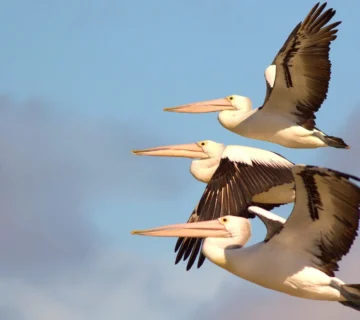
Taking a boat ride along the Kazinga Channel can make the day more interesting. The waterway brings in lots of birds. Gives a good chance to see birds that live near the water. Check the edge of the water plants floating on the surface bare branches and places where the mud is exposed. African fish eagles might sit high above the water while herons, cormorants, pelicans and kingfishers use the channel and the areas around it. You can also see hippos and elephants during the boat ride making the experience more complete with kinds of wildlife.
Follow the habitat, not the checklist
One of the most important things from A Week in Uganda: The Ultimate Birding Itinerary is that the type of habitat you are in should shape what you expect to see. A path through the forest will give you birds than a place with papyrus plants just as open grasslands have different birds than the edge of a lake. Of counting how many birds you see each day pay attention to how the birds behave in their home. This way it’s easier to know what you are looking at. You learn more about the natural world in Uganda.
Day 6: Lake Mburo and the road south
On the day head toward Lake Mburo National Park. The park is not always the choice but its mix of grassy areas, trees, wetlands and lakes makes it a great place to stop. Its position also makes it a good place to visit before going to Entebbe.
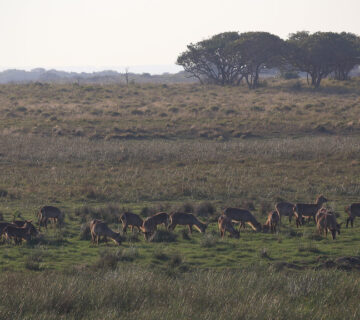
Spend time near the park’s wetlands and open spaces looking for finfoot birds that live in the papyrus, hawks, storks and other birds. The park is also home to zebras, antelopes and large cows so your day can mix birding with a trip to see animals. A guided walk, in the nature can help you see birds up close.
Day 7: Return to Entebbe. Finish strong
Use the final day according to your departure time. If you have a morning go back to a place around Entebbe that you liked. Going back to a place can be really nice because now you know more about the birds like what they sound like what they eat and where they live.
A Week in Uganda: The Ultimate Birding Itinerary should have some time in case something unexpected happens. The weather can change your plans the roads can be slow. It can take a while to find some birds. So do not plan every hour. You can go back to a garden, a wetland or a place near a lake to relax. Maybe see one more bird to add to your list.
Practical planning for a week
If you are well prepared the seven days will be more fun. Bring binoculars, a book about birds or an app that helps you identify them, shoes, light clothes, a jacket for rain, sunscreen something to keep bugs away and water to drink. It is an idea to have a notebook to write down where you saw birds what they were doing and which ones you are not sure about. You do not need an expensive camera to enjoy looking at birds.
Choose a place to stay that is close to where you want to go, around Entebbe, Kibale, Queen Elizabeth and Lake Mburo. It is good to start so staying near the birds is a good idea. Work with guides who know the area and the birds and be flexible in case the weather changes or you see something you want to look at.
Remember to enjoy Uganda, not the birds. Talk to the guides look at the different landscapes try some local food and appreciate the forests and wetlands where the birds live.
A Week in Uganda: The Ultimate Birding Itinerary can be more than looking for birds for seven days. It can be a trip through some of the beautiful places in the country like Lake Victoria, wetlands, old forests, open fields and lakes. If you plan well get up early and take your time you will see a lot of birds. Want to come back, to Uganda.