Rift Valley Flamingos: Following the Pink Migration
Rift Valley Flamingos: Following the Pink Migration Across Borders
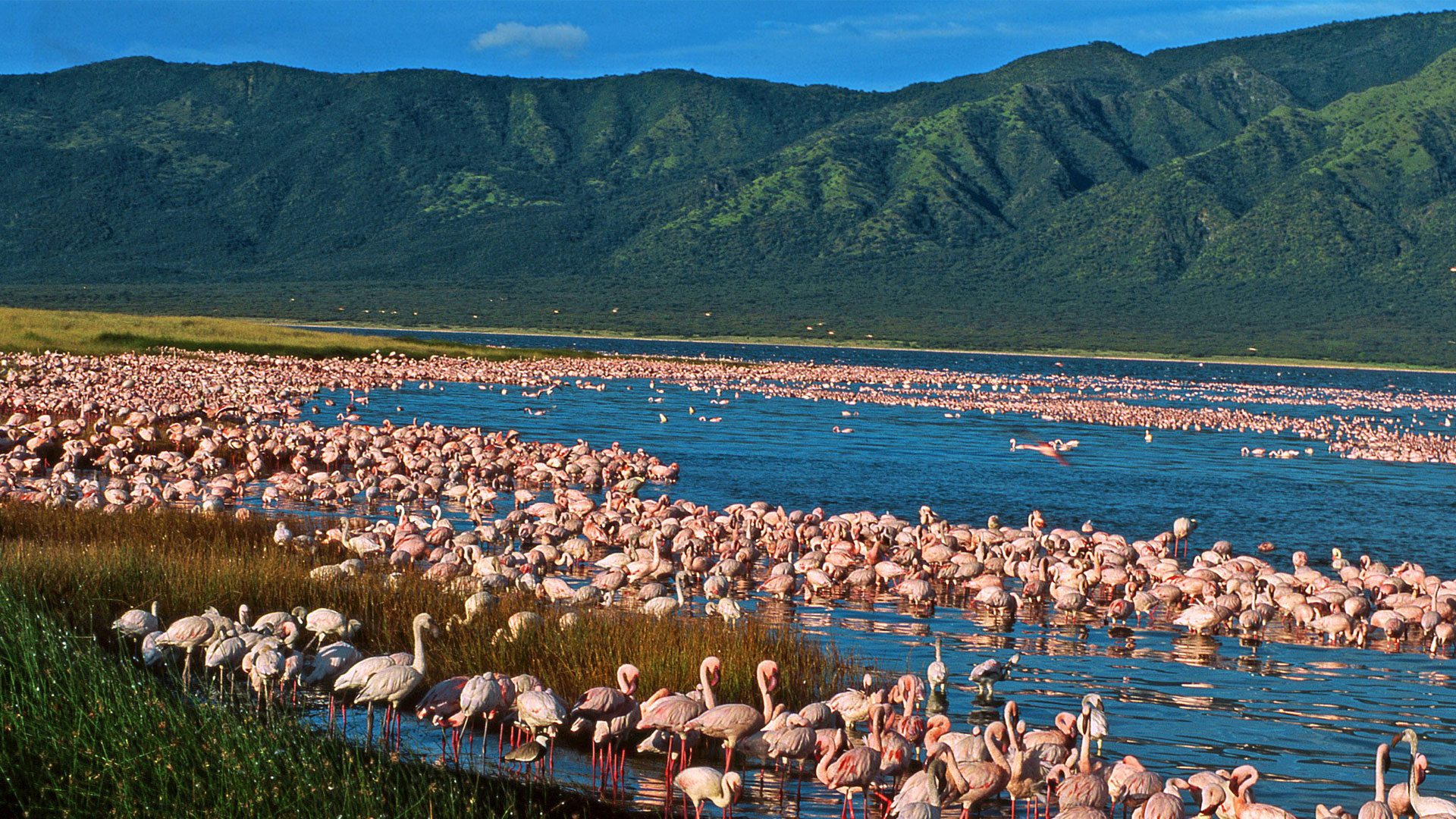
The Great Rift Valley is a cool place. Sometimes the whole landscape changes color. A quiet lake can turn into a pink ribbon when thousands of Rift Valley Flamingos show up on the shore. They come to eat, make noise, rest, and move around with the seasons. These birds are well known in East Africa, but there is more to their story than just visiting one lake. They move around. Connect lots of wetlands in Kenya, Tanzania, Uganda, and other places. This makes for a natural journey. Rift Valley Flamingos: Following the Pink Migration Across Borders is like an invitation to see this thing as one connected story, not just a bunch of separate places to visit.
Rift Valley Flamingos need wetlands with enough water, algae, and small animals to eat. They also need places to feed and have babies. When things change, the birds move. Rain, water levels, food, and places to have babies can all make them go to different places. This means the big pink groups of Rift Valley Flamingos are always changing. One season they might be at one lake. The next season they might be somewhere else. This is really great for people who like birds because every time you visit, it is different.
Understanding the Pink Migration
When we say migration, we might think of a trip from one place to another. Rift Valley Flamingos do not just move in a straight line. They can travel between wetlands when things get bad, and they can go far. The Great Rift Valley has many lakes and wetlands that can help them, giving them lots of places to eat and rest.
Why Rift Valley Flamingos Move
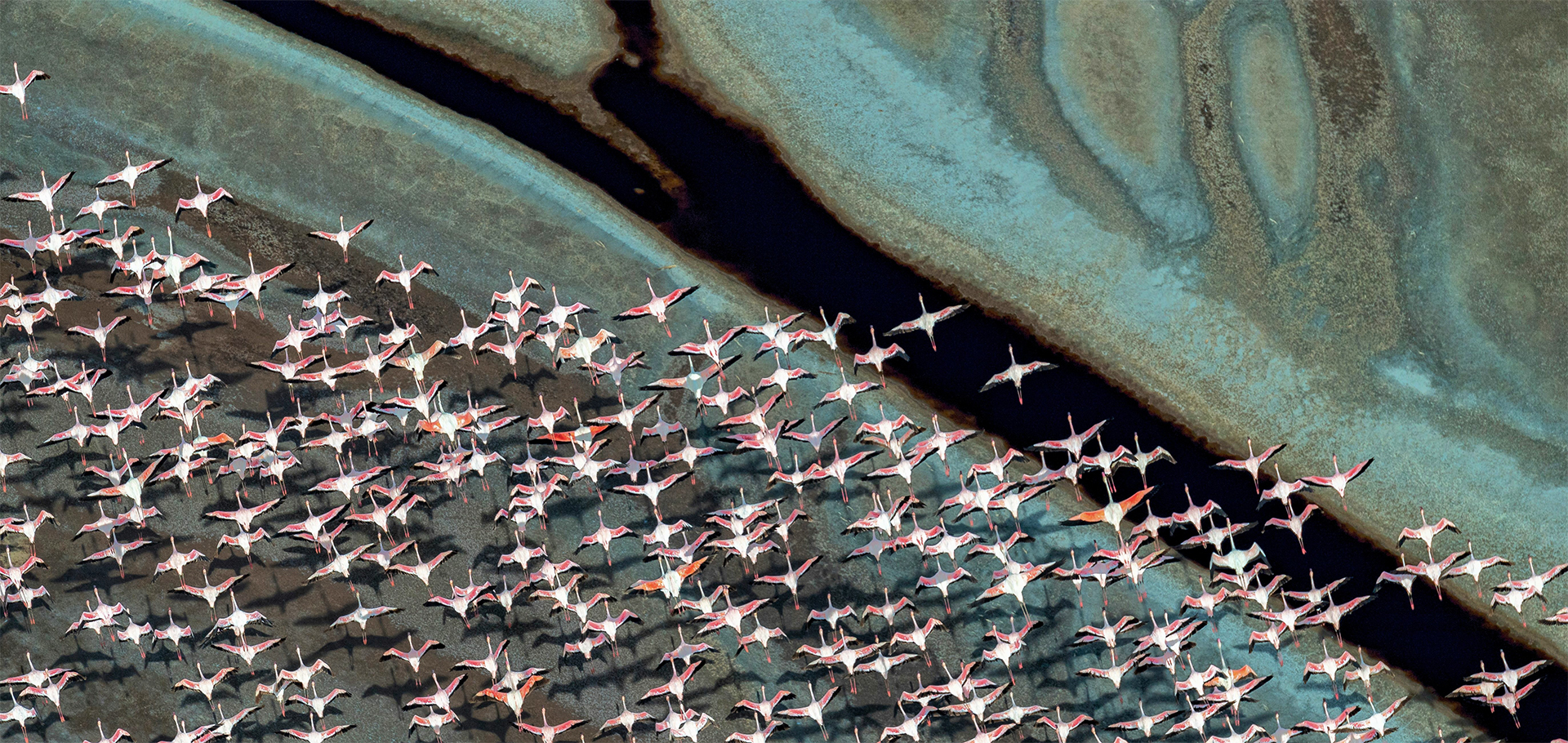
Water is a part of the Rift Valley Flamingos story. A lake that has a lot of food one year might not have much the next year if the water level changes. Rain can make shallow water deeper. Make it harder for Rift Valley Flamingos to find food. The birds respond to these changes they do not just follow a schedule.
The lesser Rift Valley Flamingos like the lakes in East Africa that have tiny organisms to eat. The greater Rift Valley Flamingos can eat things and live in different types of wetlands. If you see both kinds of Rift Valley Flamingos when you visit the Rift Valley you can learn more about how different these placesre
It is really cool to watch the Rift Valley Flamingos. You might go to a lake. Expect to see a lot of them but there are only a few. The day you might see thousands of them. Both times are special. The number of Rift Valley Flamingos changes because they are so connected, to their surroundings.
Kenya’s Rift Valley Lakes
Kenya is home to some famous places to see flamingos in the Rift Valley. Lakes like Nakuru, Bogoria and Naivasha are spots for people who like watching birds and want to see the different kinds of wetlands in East Africa. Each lake is unique. The conditions can change a lot from one season to the next.
Lake Nakuru is known for having a lot of flamingos. The area around the lake is also home to other birds and animals making it a great place to go on a safari. Watching flamingos eat in the water while bigger birds walk along the shore is a really cool thing to see. It is something that you will remember long after your trip is over.
Lake Bogoria is another place to visit especially when a lot of flamingos are there. The lake is also known for its springs and really nice landscape. Going there early in the morning can be really good because the soft light makes the birds look nice and the hills around the lake make a background.
Lake Naivasha is different from the lakes. The freshwater in the lake is home to kinds of birds including birds that eat fish and birds that live in the water. Visiting lakes helps you see the different kinds of homes that birds have in East Africa.
Following the Birds Beyond Kenya
The story of flamingos does not stop at the border of Kenya. The wetlands in East Africa are all. The birds move around based on the environment, not the country they are in. Rift Valley Flamingos: Following the Pink Migration Across Borders is a way to see this. The journey is really about the homes of the birds.
Tanzania’s Flamingo Landscapes
Tanzania has some great places to see wetlands. Lake Natron is especially famous for its flamingos. Is an important place for lesser flamingos to have babies. The lake is in a remote area and the water is alkaline and there are volcanoes around it making it a really cool place to go bird watching.
Lake Natron is really different from busy safari spots. The big open area lets you focus on the birds and the natural environment. When flamingos are all gathered in the water it can be hard to take it all in. There can be thousands of birds that look like a line from far away and then you can see them individually with binoculars or a special scope.
Visiting these places also helps you appreciate how important it is to protect the wetlands. These environments may look tough. They are really important for birds that are used to living in these conditions. We need to protect them by understanding how the water, climate, animals and people are all connected, to each other.
ganda and the Wider Wetland Network
Uganda is more famous for its freshwater wetlands, forest birds, savanna species and amazing bird diversity than for flamingo groups. However adding Uganda to an East African birding trip can show a different part of the region’s wetland story.
Lake Victoria and the nearby wetlands are home to waterbirds and places like Queen Elizabeth National Park give a chance to mix wetland birding with savanna wildlife. A trip that goes through countries can therefore go beyond looking for one amazing species and become a wider look at East Africa’s different environments.
This way of thinking is important when considering flamingo movements. The birds are part of a bigger set of wetlands and protection efforts in one country can affect animals across the region. A trip that moves between countries helps you see that link in life.
Planning a Flamingo Birding Journey
Time is important. Being flexible is just as important. Rainfall can. Flamingo numbers can shift quickly. Before going look at local news and talk to guides who know what is happening with the lakes. Do not plan the trip based on the idea that one lake will have a large group on a specific day.
A trip lasting ten to fourteen days can give time to visit several big wetland areas without moving too fast. Give time at important lakes because birding often gets better when you take your time. An early morning near a shore can give better views than several quick stops.
Strong binoculars are. A spotting scope can make it easier to study flocks that are far away. Bring sun protection, water to drink, comfortable clothes and good shoes for areas. A field guide that covers African birds will also help you recognize species that live near flamingos.
Importantly take time to watch the birds. Flamingos are interesting when you look closely. You can see how they eat how they show off to each other how they move in groups how they clean themselves and how they act around each other. The big groups are amazing. The small moments often make the trip more special.
The Meaning Behind the Landscape
There is something very touching about watching thousands of birds come together on a faraway lake. The scene looks like it will stay the same. It is always changing. Water levels go up and down. Food. Disappears. Birds come, go, breed, rest and keep moving.
Rift Valley Flamingos: Following the Pink Migration Across Borders is more than a birding theme when you understand this movement. It becomes a reminder that animals do not live inside the lines on maps. A flamingo eating in Kenya today may need wetlands somewhere else tomorrow. Its survival depends on a chain of places across the region.
A Journey Worth Remembering
Tracking flamingos through East Africa gives a chance to travel with understanding. You start by looking for a bird but you end up with a better feeling for wetlands and the careful conditions that keep them alive. Each lake brings something to the story.
For birdwatchers, photographers, families and anyone who is curious Rift Valley Flamingos: Following the Pink Migration Across Borders can be a trip through some of East Africas most beautiful places. The biggest reward might be standing by a lake watching a group take off from the water and seeing thousands of wings move together in the sky.
The birds might eventually fly out of sight. Their journey keeps going. Their movements connect lakes, countries, seasons and different places in a way that shows how all of nature is linked. Following that path is therefore more than a search, for a beautiful sight. It is a way to see one of East Africa’s amazing examples of animal movement and to leave with a stronger wish to protect the wetlands that make the trip possible.