Amani Nature Reserve: Birding the Usambara Mountains
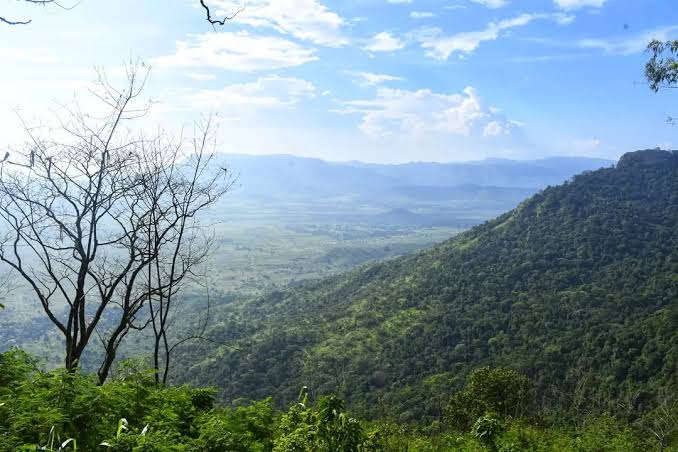
Amani Nature Reserve: Birding the Usambara Mountains offers a journey into one of Tanzania’s richest mountain environments, where ancient forests, misty ridges, clear streams, and remarkable birdlife create a peaceful wilderness experience. Located in the East Usambara Mountains of Tanzania, Amani protects a landscape that feels very different from the open savannas associated with many famous Tanzanian wildlife destinations. Here the forest is the attraction. Tall trees rise into the clouds, vines weave through paths, and birds call from hidden branches throughout the day. For anyone who enjoys discovering nature, this reserve provides a rewarding opportunity to experience Tanzania from a quieter and greener perspective.
The East Usambara Mountains form part of the Eastern Arc Mountains, a chain of isolated mountain ranges known for their exceptional biological diversity. These forests have existed for millions of years, allowing many plants and animals to evolve in isolation. The result is a concentration of species found nowhere else in the world. A walk through Amani can therefore become much more than a birding excursion. Every trail offers the possibility of encountering a species adapted to this forest, making even a short morning walk feel significant.
Discovering Amani’s Ancient Forest
Amani Nature Reserve: Birding the Usambara Mountains begins with understanding the forest itself. Unlike woodland, where birds may be easy to spot against open skies Amani demands patience and careful listening. Dense vegetation creates a habitat with birds moving through the canopy middle levels, shrubs and forest floor. Early morning is especially rewarding because the forest becomes active with calls, movement and feeding activity.
The reserve’s vegetation is one of its attractions. Giant trees provide feeding sites while flowering plants attract sunbirds and other nectar-feeding species. Fruits support a variety of forest birds and insects provide a food source for flycatchers, babblers and other insectivorous species. Streams and damp areas add another layer of habitat attracting birds that depend on water and dense vegetation.
Walking through this environment also gives you a chance to appreciate the relationship between the forest and the communities living around it. Amani has a history of botanical research and its surroundings contain farms, villages, plantations and forest patches. The reserve is therefore part of a human and natural landscape. Responsible birding can contribute to conservation by encouraging visitors to value these forests and the people who help protect them.
Birds to Look For in Amani
One of the exciting aspects of Amani is the possibility of finding Eastern Arc and East African forest species. Birdlife varies with season, weather, altitude and the particular trail you explore so every outing can bring something. Experienced local guides can make a difference because they understand bird calls, preferred habitats, feeding areas and the best places to pause.
Usambara and East African forest specialists are among the rewarding discoveries. Depending on conditions and location you may search for species such as the Usambara weaver Usambara akalat, Banded green sunbird, Amani sunbird and other forest-dependent birds. Some are secretive. May reveal themselves only through a short call or movement, in thick vegetation. Others can appear suddenly in views before disappearing into the canopy.
Sunbirds are particularly enjoyable because they often move through flowering vegetation in light. Their colors can become striking when sunlight reaches the forest edge. Turacos, barbets, cuckoos, flycatchers, white-eyes and various forest specialists add variety. The excitement comes from never knowing exactly what will appear next.
Birding Trails Through the Usambara Mountains
Amani Nature Reserve: Birding the Usambara Mountains is best approached as a walking experience. The reserve contains trails that pass through forest habitats allowing you to observe changes in vegetation and bird activity as you move. A good outing does not require rushing between locations. Instead walking slowly gives you time to identify calls scan branches, inspect vines and watch feeding behavior.
The morning usually provides the birding opportunities. Starting early allows you to enter the forest while temperatures are comfortable and bird activity is high. A guide can help you identify sounds that would otherwise blend into the background. This is particularly valuable in forest because many birds are heard before they are seen.
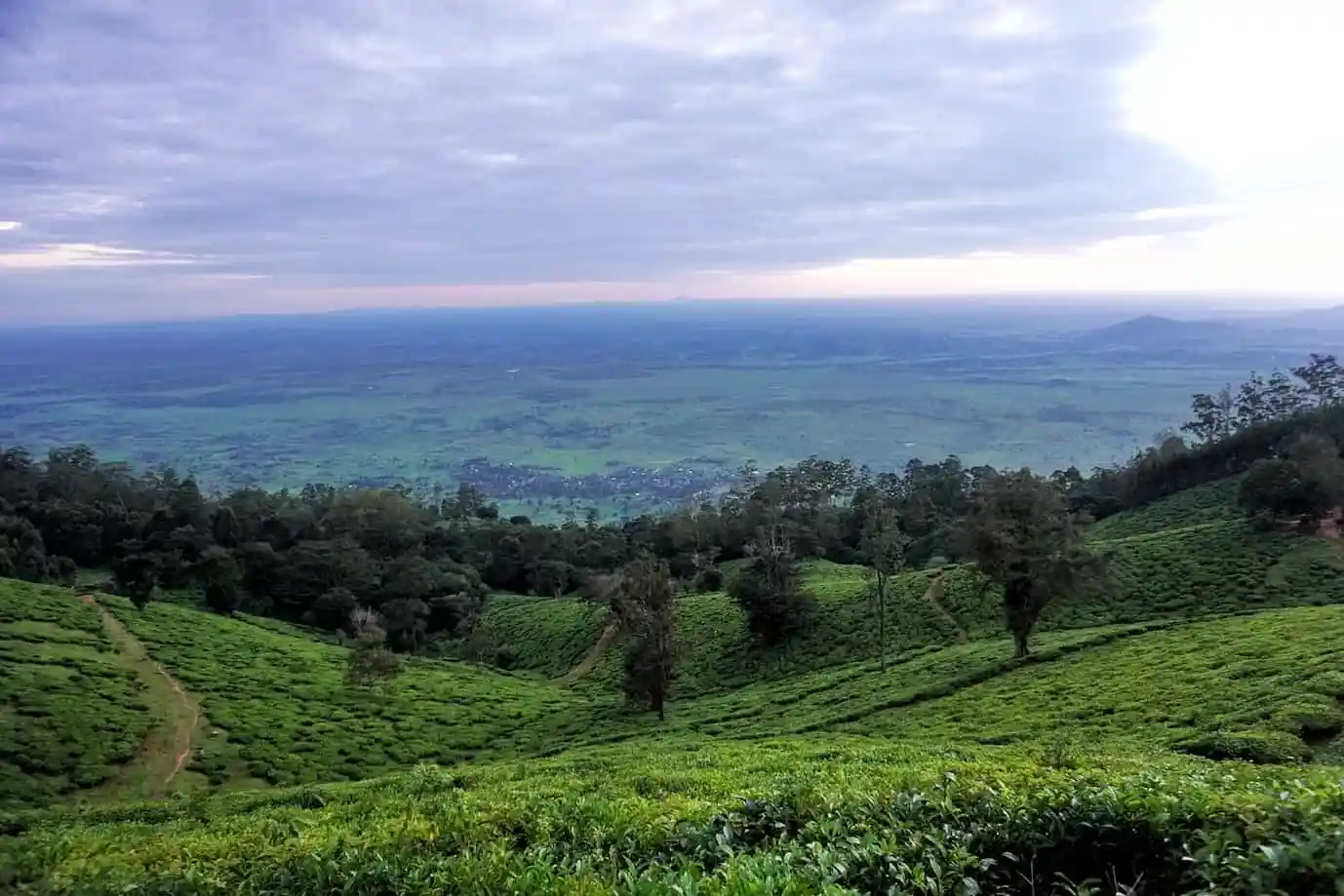
The forest can also become atmospheric during misty weather. Clouds sometimes settle over the mountains reducing visibility while making the landscape feel especially wild. When the mist clears shafts of light can reveal layers of vegetation and birds moving between branches. These changing conditions are part of the character of the Usambara Mountains.
Another rewarding approach is to combine forest trails with gardens, plantations and forest edges. Different habitats attract birds. Open areas may provide views while forest interiors can produce rare and specialized species. By exploring habitats you increase your chances of building a diverse bird list.
Why Local Guides Make a Difference
Amani Nature Reserve: Birding the Usambara Mountains becomes more rewarding when you explore with someone familiar with the area. Local guides know the trails. Can recognize bird calls that are difficult for newcomers to identify. They can also explain the plants, history, conservation challenges and traditions connected to the landscape.
Good guiding is especially useful when searching for forest species. Of walking continuously an experienced guide may stop at a particular location because a certain bird is known to feed nearby. They may imitate a call responsibly point toward movement or recognize a species from a distant sound. These skills can turn a search into a memorable sighting.
Local knowledge also encourages tourism. Visitors should remain on established paths where appropriate avoid disturbing sites keep noise low and follow guidance about sensitive habitats. Birding should leave the forest as peaceful as it was found.
A Journey for Patient Explorers
The greatest reward of Amani is not necessarily the number of species recorded in a day. It is the experience of becoming attentive to a living forest. You may spend minutes listening to an unseen bird before finally locating it among leaves. You may watch a sunbird move between flowers. Hear a turaco calling somewhere beyond the trail. These moments require patience. They often become the memories you remember longest.
Amani also gives you an opportunity to understand why small forest reserves can have conservation value. The Eastern Arc forests occupy a limited area yet they support species that depend on specific ecological conditions. Protecting these habitats helps preserve biodiversity that cannot simply relocate when forests disappear.
For visitors planning a Tanzania birding journey Amani can complement destinations such as the Serengeti, Tarangire, Lake Manyara or the Udzungwa Mountains. The contrast is striking. Of vast plains and large mammals you enter a compact mountain forest where small details become important. Your attention shifts from wildlife to calls above your head, movement in the undergrowth and flashes of color between leaves.
Planning Your Amani Birding Experience
A visit benefits from practical preparation. Comfortable walking shoes are essential because trails can become muddy during wet weather. Lightweight clothing, a layer, binoculars, drinking water insect protection and a small field guide are useful additions. A camera with a lens can also help when birds appear high in the canopy although observation should remain the priority.
Weather can change quickly in the mountains so flexibility is valuable. Wet conditions may make some trails slower. They can also create excellent forest activity. Dry periods may provide walking and clearer views. Than focusing entirely on perfect weather prepare for changing conditions and allow enough time to explore without rushing.
A longer stay is preferable if your main goal is birding. One morning can produce sightings but several days allow you to explore different habitats and return to productive areas. Early starts, quiet walks and repeated visits often improve your chances of finding species.
Protecting the Forest Through Travel
Amani Nature Reserve: Birding the Usambara Mountains also carries a conservation message. The forests of the Usambaras are precious because their biodiversity is concentrated within a small geographic area. Visitors can support their protection by using services respecting reserve regulations avoiding litter and treating wildlife carefully.
Responsible travel also means appreciating the communities surrounding the reserve. Local people are closely connected to the landscape through agriculture, forestry, culture and tourism. Choosing guides and services can help ensure that tourism provides practical benefits beyond the forest itself.
The future of Amani depends on continued protection of its forests and responsible use of surrounding land. Every visitor who leaves with an appreciation, for the reserve becomes part of a wider effort to keep these landscapes valued.
The Lasting Appeal of Amani
Amani Nature Reserve is a special place. When you go birding in the Usambara Mountains it stays with you for a time. This is because Amani Nature Reserve makes you slow down and pay attention to the things. You hear a bird that you cannot see you see leaves moving high up in the trees you see a colored sunbird all of a sudden and you feel the cool air on your skin. All these things make the experience really great.
Amani Nature Reserve is for people who love nature and quiet places. You do not need mountains or lots of animals to know that nature is important. In Amani Nature Reserve just walking on a forest path can show you a new world if you take the time to look.
If you want to see birds in Tanzania and have an experience Amani Nature Reserve is the place to go. It has forests, lots of different birds and people who know a lot about the area. You can see birds that you cannot see in other places. Going to Amani Nature Reserve can make you appreciate the Eastern Arc Mountains more and remind you that Tanzania has many natural treasures that are hidden in the mountains.
Amani Nature Reserve is a place where you can explore and learn. You have to be patient, curious and respectful. Walk quietly listen carefully. Look really closely. Let the forest show you its secrets slowly. Even after you leave the Usambara Mountains you will remember the sounds of the birds, in the trees. Amani Nature Reserve and the Usambara Mountains will stay with you for a time.