Gishwati-Mukura National Park: Rwandas Newest Birding
Rwanda is well known for its mountain gorillas, volcanoes and foggy woods but the birdlife gives another reason to visit the country. One of the places getting interest from people who like birds is Gishwati-Mukura National Park, a small protected area in western Rwanda where forest, bamboo, wetlands and mountain areas make good home for many types of birds. Gishwati-Mukura National Park: Rwandas Newest Birding destination offers a feeling that’s personal, calm and satisfying especially for people who like to find birds away from the main wildlife areas.
The park was created in 2015 by joining Gishwati and Mukura forests making one protected place in the Albertine Rift. This area is one of the important places for wildlife in Africa with many animals that live only here. For anyone who loves Rwandas nature spending time in these forests gives a chance to see how protecting the environment involving people and tourism can come together to save delicate mountain areas.
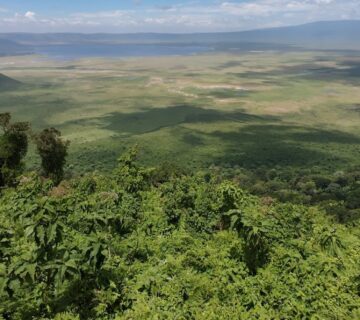
The feeling of the place is part of the attraction. Of open grasslands you step into a world of thick plants cool mountain air, forest paths and birds moving among branches and leaves. Each walk can be a test of patience and watching. A faraway sound might lead you toward a forest bird while movement in the top of the trees can show a bird you might miss otherwise.
Exploring Rwandas Albertine Rift Birdlife
Gishwati-Mukura is in the Albertine Rift, a place that goes through parts of Rwanda, Uganda, the Democratic Republic of Congo Burundi and Tanzania. The hills and valleys of this area have made places where animals have grown over time. Because of this the Albertine Rift has a lot of animals that live only here.
For people who like to watch birds this place is very interesting. The forests have birds that live in areas including some that are connected with the Albertine Rift. Some are easier to recognize by their sounds than by their look while others may stay hidden in plants until they suddenly go across a clear spot in the forest.
Forest Birds Reward Patience
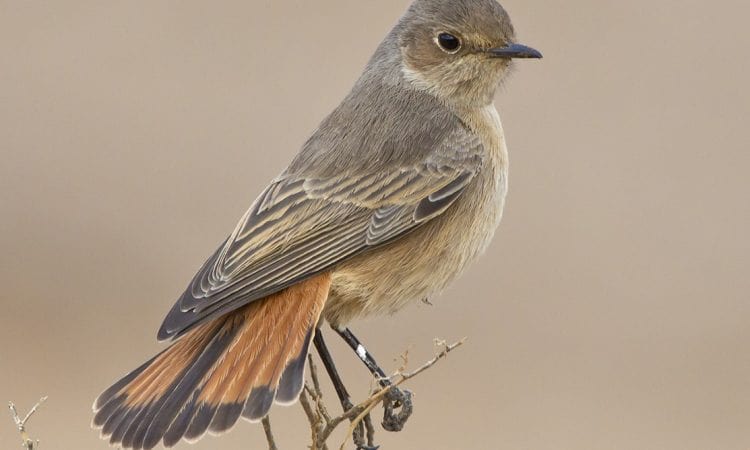
Birdwatching in mountain forests is different from watching birds in areas. You may hear birds before you see one. The thick trees make it hard to see. It also makes each time you find a bird more special.
Watch all levels of the forest. Birds may eat near the ground move through bushes live in the middle trees or stay high above the path. Taking time to listen is just as important. Good local guides can often tell which bird is which by the sounds and help you find where to look.
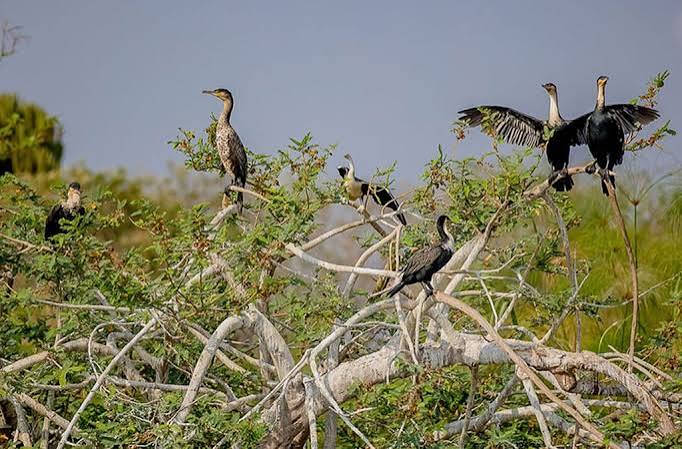
Among the birds that can make forest walks are handsome francolins Rwenzori turacos, African greenbuls, sunbirds, flycatchers and other birds that live in the forest. Seeing them depends on the time of year the weather, where the birds live and a bit of luck but the variety of places gives chances to find something new.
A Forest Full of Natural Surprises
One of the reasons to go to Gishwati-Mukura is the mix of places where animals live. Even though the protected area is small compared to some of Rwandas parks its forests offer a home, for animals in a place that has had a lot of people living there over the years.
Gishwati Forest and Mukura Forest each have their style. The plants include mountain forest, bamboo, grassland and other kinds of plants. This mix gives food and places to build nests for birds. Streams and wet areas add another part bringing in birds that like water and thick plants.
Walking through the forest can feel slow at first especially when you are waiting for a bird. Then something changes. Leaves move in the trees. A sound comes from close. A flash of color appears between the branches. Suddenly the forest is full of life.
This moment makes you value birdwatching more. You are not just moving from one bird to another. You are learning to see the rhythm of the forest and understand how different birds use their home.
Look Beyond the Most Famous Species
It is easy to think about Rwanda with one wildlife experience in mind especially gorilla trekking.. The countrys forests have many small stories that deserve attention. A bird eating quietly on a flower a pair talking from sides of a path or a group flying through the trees can become one of the most unforgettable parts of a trip.
Gishwati-Mukura National Park: Rwandas Newest Birding destination gives people a chance to slow down and notice these details. The experience is especially good for travelers who want their Rwanda trip to have more than the countrys most famous animals.
The park also shows how important protected forests are for the area. Birds need places that are connected clean water, native plants and healthy environments. Protecting the forest therefore helps different creatures.
Birding With Local Knowledge
A good forest guide can make a difference during a birdwatching trip. Thick plants can make it hard to see birds and many birds move fast or stay hidden. Someone who knows the forest can recognize sounds understand when birds move and know where certain species are usually found.
Local guides also share information that can’t be found in a list. They can talk about changes in the forest efforts to keep it relationships with nearby people and the problems that wildlife face. Their knowledge turns a walk into a better understanding of the land.
For visitors being patient is important. Bring binoculars wear shoes that’re good for walking and dress for cool and sometimes rainy mountain weather. Early morning is often best because birds are active and the forest is full of sounds. A small notebook or camera can also help you remember what you see and get better at identifying birds.
Conservation in a Changing Landscape
The story of Gishwati-Mukura is linked to conservation. Many habitats in the Albertine Rift have been affected by losing forests and Rwanda has worked hard to repair and keep natural areas safe. The creation of the park gave more protection to forests that are important for wildlife and the local environment.
Conservation is not about making boundaries around a forest. It needs help from people who live close to protected areas. Communities need chances to benefit from tourism while understanding why it’s important to keep natural places safe.
Birding can help with this. Visitors who come to see forest birds create a need for guides places to stay, transport and other local services. When tourism is handled properly wildlife becomes a way to support the economy.
Protecting Small Forests Protects Futures
Every forest plays a part in keeping the environment balanced. Trees hold carbon, protect soil manage water and give food and shelter to animals. For birds even a small area of habitat can be very important.
The future of Gishwati-Mukura depends on keeping the forest safe fixing it where needed responsible tourism and people in the area taking part. Visitors can help by following the park rules staying on the paths not disturbing animals and supporting services.
These simple steps help make sure that people in the future can enjoy the forests and hear the same bird sounds.
Planning a Gishwati-Mukura Birding Experience
A visit to Gishwati-Mukura can fit easily into a wider Rwanda wildlife trip. The park is good for travelers going through Rwanda who want to mix forest birding with other things. Depending on your route you can combine the visit with experiences, scenic drives, primate trips or time near Lake Kivu.
Give yourself enough time for birding instead of treating the forest like a quick stop. Bird species can take time to find and rushing between places might mean missing the interesting moments. A few quiet hours can lead to discoveries if you pay attention.
Weather should also be considered. Mountain forests can be cool and wet so a light rain jacket is useful. Binoculars that work well in light are helpful under the trees, where it can be darker than expected even in daylight.
Importantly come with realistic ideas. You may not see every bird on your list. You might spend twenty minutes listening to a bird before seeing it. That uncertainty is part of what makes birdwatching in the forest special.
Discovering a Side of Rwanda
Gishwati-Mukura National Park: Rwandas Newest Birding experience shows visitors a part of Rwanda that is easy to miss. Here the excitement comes from paying attention of big wildlife moments. The forest asks you to slow down listen and notice small movements that might otherwise be missed.
The parks value goes beyond birdwatching. It shows Rwandas continuing effort to keep forests and wildlife in the Albertine Rift. Its importance is in the animals it protects the people connected to it and the services its forests offer.
For photographers, nature lovers, families and people who love birds the park offers a chance to see a part of Rwanda. You may leave with pictures, a list of birds or a longer personal list. You may also leave with something more personal: a stronger link, to the forest.
Let the Forest Set the Pace
Gishwati-Mukura National Park is a place where you should take your time. Do not rush when you are here. Walk slowly and listen to the sounds of the forest before you start looking around. Look up at the trees. Check out the bushes and the ground. Give your guide a chance to tell you what all the noises mean.
The thing about bird watching in Rwanda is that it is about more than the famous parks. If you go to the forests in Rwanda you will find a whole different kind of adventure. Gishwati-Mukura National Park shows us that even a small forest can be really special if we let it grow and thrive.
If you visit Gishwati-Mukura National Park it can be a memorable experience. It can teach you that taking care of the environment is about being patient and working with local people who know the area. When you walk in the forest and hear birds singing you become a part of something. You become a part of the story about Rwandas future.
Gishwati-Mukura National Park is a place to see forest birds and other special birds that live in the Albertine Rift. It is a place where you can have encounters with nature. The park deserves to be, on your list of places to visit. The trails are quiet. The birds can be hard to find but that is what makes it so special. You have to be patient and take your time. That is what makes the experience so great.