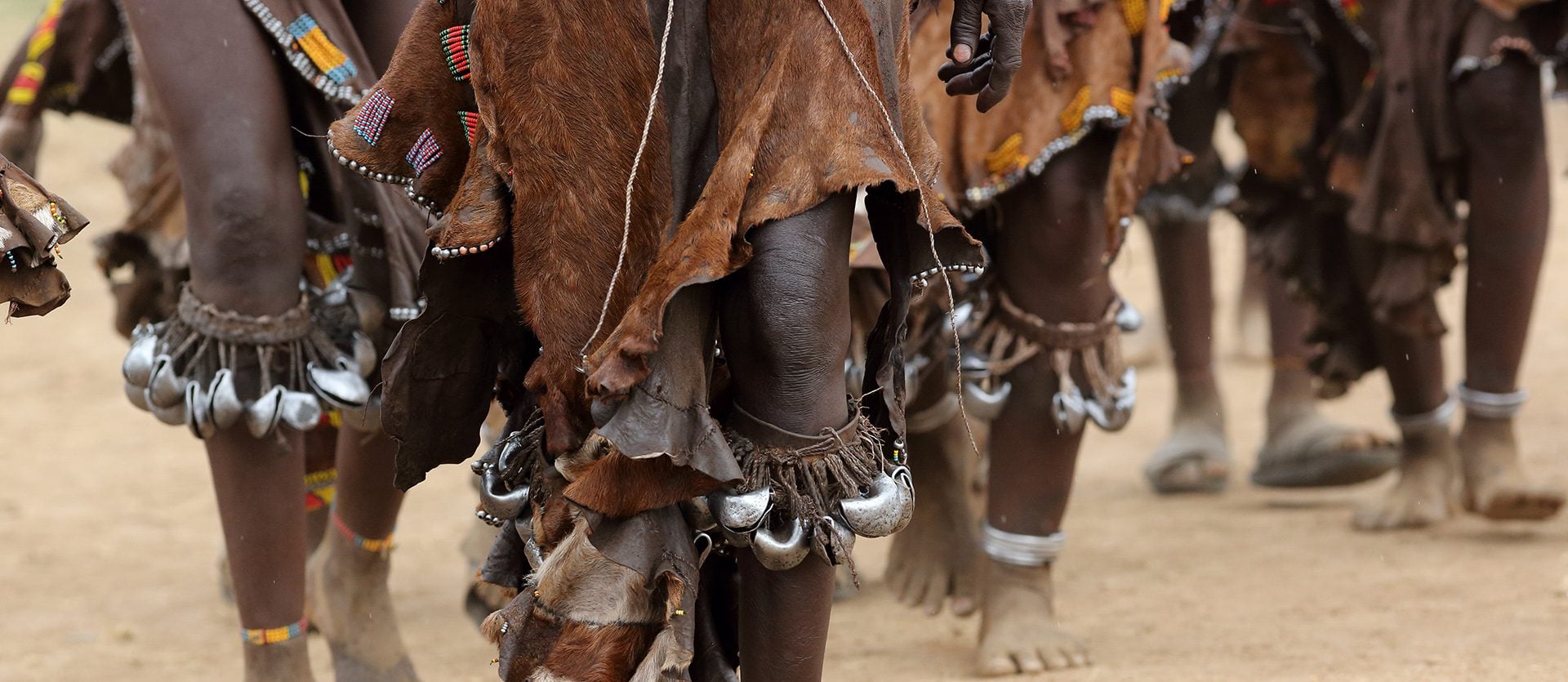
Stepping into a foreign land is not only a thrilling adventure but also an opportunity to learn and respect different cultures and customs. As a respectful and responsible traveler, it’s crucial to understand and adapt to the cultural norms of the place you’re visiting. Here’s a guide on how to behave in a foreign land to ensure a positive and enriching experience for both you and the locals:
1. Educate Yourself:
Before your trip, take the time to research and learn about the local customs, traditions, and etiquette of your destination. Understanding the cultural context will help you avoid unintentional misunderstandings or offenses.
2. Dress Appropriately:
Dressing appropriately is a sign of respect for the local culture. When in doubt, opt for modest clothing that covers your shoulders and knees, especially when visiting religious sites or conservative areas.
3. Greetings and Body Language:
Learn the appropriate greetings for the destination, whether it’s a handshake, bow, or traditional gesture. Be aware of body language and gestures that may be considered offensive in the local culture.
4. Communication:
While English might be widely spoken, making an effort to learn a few basic phrases in the local language can go a long way in building rapport with locals and showing your respect for their culture.
5. Respect Local Customs:
Observe and follow local customs, even if they differ from your own. This could include removing your shoes before entering a home, using your right hand for eating, or adhering to specific mealtime rituals.
6. Public Behavior:
Public behavior standards can vary greatly between cultures. Pay attention to how locals behave and follow suit. For instance, some cultures value quiet and reserved behavior in public spaces, while others may be more expressive.
7. Photography Etiquette:
Always ask for permission before taking photos of people, especially in rural or traditional areas. Some cultures believe that photographs capture the soul, and respecting this belief is essential.
8. Respect Religious Sites:
When visiting religious sites, follow any dress codes and rules, and behave with reverence. Keep in mind that certain actions, like pointing your feet at religious objects, can be disrespectful in some cultures.
9. Tipping and Bargaining:
Understand the local customs for tipping and bargaining. In some places, tipping is expected, while in others, it’s considered unnecessary. Similarly, bargaining might be a common practice in local markets, but it might not be suitable in more formal settings.
10. Environmental Respect:
Show your appreciation for the natural beauty of the destination by respecting the environment. Dispose of trash properly, support eco-friendly initiatives, and avoid damaging fragile ecosystems.
11. Patience and Flexibility:
Traveling is an opportunity to embrace a slower pace of life and different ways of doing things. Patience and flexibility are essential when dealing with unforeseen situations or cultural differences.
12. Learn from Locals:
Engage with locals in a respectful and genuine manner. Sharing stories, participating in cultural activities, and asking questions can provide valuable insights and help you forge meaningful connections.
Final Thoughts:
Behaving respectfully in a foreign land is not just about avoiding offense; it’s about embracing the diversity that makes our world so rich. By approaching your travels with an open heart and a willingness to adapt, you’ll not only have a more enjoyable journey but also leave a positive impression on the people and places you encounter.
Why Cultural Sensitivity Matters Even More on a Safari
Beyond wildlife encounters, an East African safari involves genuine daily interaction with local communities, guides, lodge staff, village visits, making cultural awareness a meaningful part of the experience rather than a side consideration reserved only for city travel.
Applying These Principles Specifically in Uganda, Kenya, Rwanda, and Tanzania
While these twelve principles apply broadly to travel anywhere, East Africa carries its own specific customs worth understanding beforehand, appropriate greetings among the Maasai, respectful conduct during a Ugandan cultural dance performance, or modest dress when visiting a rural village. All in Africa Safaris can brief you on destination-specific etiquette well ahead of your trip.
Photography Etiquette During Cultural Village Visits
Given how central photography is to most safari itineraries, extending the same permission-first courtesy from wildlife photography to photographing people during cultural encounters, Maasai villages, Batwa community visits, matters just as much, if not more, than it does with animals.
Tipping Customs Specific to Safari Travel
Beyond general destination tipping norms, safari-specific tipping for guides, drivers, and lodge staff follows its own conventions that vary by country and operator, making it worth confirming expected amounts with your operator before departure rather than guessing on the ground. All in Africa Safaris can provide clear tipping guidance specific to your itinerary.
Learning a Few Words Goes a Long Way
A handful of basic greetings in Swahili, Luganda, or Kinyarwanda, depending on your destination, consistently earns genuine warmth from local guides and community members, a small effort that meaningfully deepens the connections made during cultural visits.
Respecting Community Visits as Genuine Exchange, Not Spectacle
Approaching a Maasai village or Batwa cultural visit as a genuine two-way exchange, asking questions, listening, participating where invited, rather than a passive photo opportunity, transforms the encounter into something considerably more meaningful for both visitor and host community.
Dress Considerations Specific to Rural East Africa
Beyond religious sites, rural East African communities generally appreciate modest, practical clothing during village visits, a consideration worth balancing against typical safari attire, which is otherwise built primarily around sun protection and neutral wildlife-friendly colors.
Understanding Gift-Giving and Its Complications
While offering small gifts to children in villages can feel like a natural gesture of goodwill, this practice sometimes inadvertently encourages begging behavior and disrupts local social dynamics, meaning donations through your operator or community-run projects generally serve local communities more genuinely than direct handouts during a visit.
Navigating Religious and Spiritual Sites With Care
Beyond standard dress codes, many East African spiritual and cultural sites, sacred forests, traditional shrines, waterfalls tied to local mythology like Ssezibwa Falls, carry specific customs around behavior and speech that a knowledgeable local guide can explain before you arrive, helping you avoid unintentional disrespect.
Handling Bargaining Respectfully at Local Markets
Bargaining is genuinely expected at most East African craft markets and curio stalls, but approaching it as a friendly, good-natured exchange rather than an aggressive negotiation preserves the positive spirit of the interaction for both parties involved.
Why Guides Serve as Cultural Bridges, Not Just Wildlife Experts
Beyond animal knowledge, experienced East African safari guides routinely serve as cultural interpreters, explaining context, translating during village interactions, and helping travelers navigate unfamiliar social situations with genuine confidence rather than uncertainty. All in Africa Safaris selects guides specifically for this cultural fluency alongside their wildlife expertise.
What Locals Consistently Appreciate Most From Visitors
Beyond any specific custom or rule, local communities across East Africa consistently report that genuine curiosity, patience, and a willingness to listen matter more to them than a visitor’s ability to perfectly execute every cultural nuance on this list.
Balancing Spontaneity With Cultural Preparation
While over-preparing can make travelers feel rigid or anxious about every interaction, a basic working knowledge of local greetings, dress expectations, and photography etiquette frees you to engage more spontaneously and confidently once you actually arrive, rather than hesitating out of uncertainty.
Cultural Awareness as Part of Responsible Tourism
Respectful cultural engagement and responsible environmental practices consistently go hand in hand across East African tourism, both reflecting a broader traveler mindset that prioritizes genuine positive impact over convenience or spectacle.
How Cultural Missteps Are Typically Received
Most East African communities extend considerable grace toward visitors who make an honest, respectful effort but occasionally misstep on a specific custom, meaning genuine intent and a willingness to learn from gentle correction matter far more than flawless execution of every rule.
Preparing Children and Teens for Cultural Encounters
Families traveling with children benefit from having an age-appropriate conversation about cultural differences before arrival, helping younger travelers approach unfamiliar customs with curiosity rather than confusion or discomfort once they encounter them firsthand.
Why This Guide Applies Well Beyond a Single Trip
The habits and awareness built through careful cultural preparation on one trip tend to carry forward into how travelers approach every subsequent journey, gradually shaping a more thoughtful, globally aware way of traveling overall.
Cultural Encounters as Some of the Most Memorable Trip Moments
Travelers consistently rank a genuine cultural exchange, a shared meal, a conversation with a local guide, a village dance performance, among their most memorable trip moments, often standing alongside or even above the wildlife sightings that originally drew them to East Africa.
A Final Word on Traveling With Genuine Respect
None of these twelve principles demand perfection, only genuine effort, and that effort consistently opens doors to warmer welcomes, richer conversations, and a more meaningful understanding of the places and people you’ve traveled so far to experience.
Bringing Cultural Awareness Into Every Part of Your Trip
From your first greeting at the airport to your final cultural village visit, carrying genuine curiosity and respect throughout your entire East African journey, not just during designated “cultural” activities, shapes how warmly you’re received at every stop along the way. All in Africa Safaris can help you build an itinerary that treats cultural engagement as a genuine thread running through the whole trip, not an isolated stop on the itinerary.