The Complete Guide to Shoebill Stork Watching in Uganda
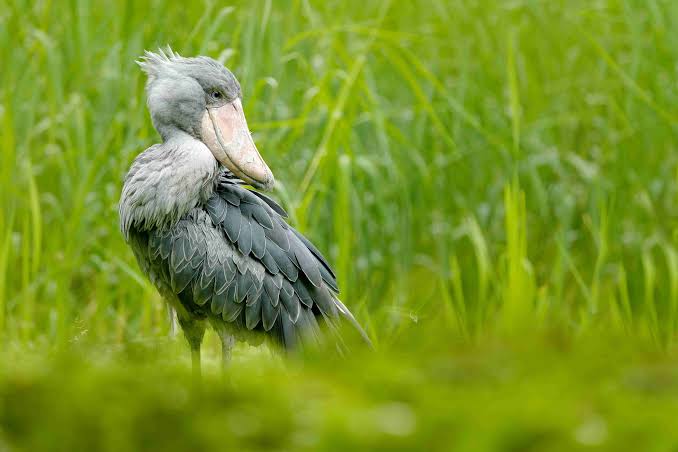
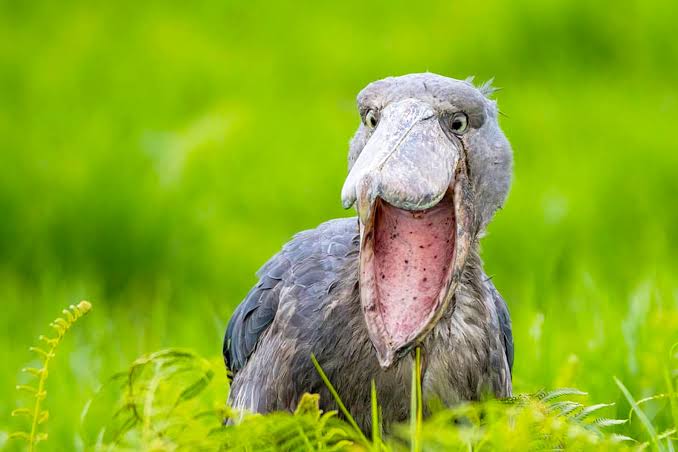
Uganda has become one of the places in Africa for wildlife. People go there not only to see mountain gorillas but also to see a special bird called the shoebill stork. This bird lives in areas covered with tall plants and water. It is an interesting bird with a big beak that looks like a shoe. It is very tall. Looks like it comes from an old time. People who see it feel very lucky.
The Complete Guide to Shoebill Stork Watching in Uganda starts by saying that this is not about looking for a bird. It is about taking time to enjoy nature and learn about a place. Each time someone goes in a boat through waterways they see a world full of life. Fish jump out of the water. Birds fly between plants. Many birds make sounds that make every moment special.
Why Uganda Is the Best Destination for Shoebill Watching
Uganda gives people the chance to see wild shoebills. The wetlands in the country are places for the birds to live and find food. Local guides know how the birds act and where they go all year. People who care about nature and help protect the area have made sure the birds can live well.
In places people might spend many days looking for the birds. In Uganda it is possible to see a shoebill during one morning trip. This makes Uganda the best place for people who want to take pictures or see the birds in their home.
Uganda is near the equator. That means the weather is usually nice all year. Rain changes with the seasons. People can plan to visit almost any time. This makes Uganda a good place to go no matter when someone is traveling.
The Best Places to Watch Shoebills
Mabamba Swamp
Mabamba Swamp is the famous place in Uganda to see the shoebill. It is on the north side of Lake Victoria. It is easy to get from Entebbe. That makes it good for people who want to visit for a day or start or finish a trip in Uganda.
Local boat people take people through paths covered with tall plants. They look for places where shoebills hunt fish. Early in the morning the water is still. The light is soft. That is good for pictures. For seeing birds before it gets hot.
Mabamba has types of birds. People see jacanas, blue kingfishers, small birds that catch insects, big birds that catch fish and many kinds of herons. When looking for one special bird the other animals and birds make the trip worth it.
Murchison Falls National Park
The area where the Nile River flows in Murchison Falls National Park is another place to see the shoebill. Boat trips to this area have views and chances to see hippos, crocodiles, elephants, buffaloes and many kinds of birds that live near water.
This area has lots of fish. That is why the shoebills come to look for food. People often go on this trip. Also go on a trip to see animals on land. This makes one of the experiences, in Uganda.
Other Wetlands
Although visited wetlands near Lake Albert and several protected marshes in northern Uganda sometimes offer great shoebill sightings. These places attract birders who want spots with few people.
Understanding the Shoebills Behavior
One of the things that surprise new visitors is how still a shoebill can be. The bird can stand completely still for twenty or thirty minutes while looking at the water. This calmness is one of its tools for hunting.
When a fish comes close everything changes in seconds. The shoebill moves forward quickly using its bill to catch lungfish, catfish, frogs, water snakes and sometimes small crocodiles. Seeing this move is one of the most amazing things in nature.
Shoebills like to be alone. Unlike water birds that gather in big groups adult shoebills are usually seen by themselves or with a partner during the time they have babies. This way of living makes each time you see one very special.
Their slow walking should not be seen as being lazy. Every step in the swamp is careful saving energy while getting the chance to catch food. Watching this gives people a lesson in patience that goes beyond just watching birds.
Best Time to Visit
Shoebills can be seen all year. The dry times are usually the best for going to the wetlands. From December to February and from June to August it rains less. The water paths are easier to travel.
Going out in the morning is always a good idea. The wind is calm the water reflects better the temperature is nice. Animals are active just after the sun comes up.
Misty mornings can help photographers because the light is softer and the shadows on the birds grey feathers are not so strong.
Rainy seasons should not stop people from coming. Wet months often make the wetlands look green and full of life making every visit very beautiful.
Preparing for Your Trip
Packing well makes the trip much better. Light clothes in colors help you be less noticeable and feel comfortable during the trip. Long sleeves help keep bugs in the morning and the sun later.
Good waterproof shoes or sandals are good for the places where you land and a hat with a brim helps protect from the strong sun once the morning goes on.
Binoculars make the experience better because you can see details from a safe distance. For people who take pictures a telephoto lens between 300mm and 600mm gives chances to take photos without bothering the birds.
A bag that keeps things dry protects cameras, phones and important items from splashes when you are, in a boat. Carrying water, sun cream and bug spray also makes your morning more comfortable.
Respecting Wildlife
The Complete Guide to Shoebill Stork Watching in Uganda is not complete without talking about wildlife viewing. The Shoebill Stork depends on wetlands to survive and every visitor must try to minimize disturbance.
The Shoebill Stork needs a place to live. Experienced guides help with this by keeping a distance from the birds. This way the Shoebill Stork can behave naturally. If people talk loudly or make sudden movements it can scare the Shoebill Stork and interrupt its food time.
When taking pictures the photographer should think about the birds being first. If you keep a distance you can take more natural pictures of the Shoebill Stork. The bird will just keep doing what it is doing without getting scared.
Supporting community-based tourism also helps with conservation. Local guides and people who run canoe tours benefit from tourism. This gives them a reason to protect the wetlands for generations. The Shoebill Stork benefits from this too.
Beyond the Shoebill Stork
The Shoebill Stork is often the part of the trip but Ugandas wetlands have a lot of other amazing things to see. African fish eagles fly overhead. Pied kingfishers dive into the water to catch fish. You can see colored bee-eaters sitting on reeds and big groups of weaver birds flying around.
There are also mammals in the wetlands. Sometimes you can see sitatunga antelopes coming out of the plants. Otters quietly swim in the water looking for fish to eat. Crocodiles and monitor lizards remind us that the wetlands are home to an ecosystem where every animal plays a role. The Shoebill Stork is part of this ecosystem too.
Each time you go on a tour you can learn about how all the animals and plants work. The wetlands help keep the water clean stop flooding and give fish a place to live. The wetlands also store carbon. Give homes to many animals, including the Shoebill Stork.
A Journey Worth Remembering
Sometimes when you see animals it is for a few seconds.. Seeing a Shoebill Stork can leave a memory that stays with you for years. There is something about seeing this old-looking bird standing quietly in the papyrus plants feeling right at home in a place that has not changed much in thousands of years. The Shoebill Stork is really amazing.
The Complete Guide to Shoebill Stork Watching in Uganda reminds visitors that the best wildlife experiences come from being patient, respectful and curious. Of rushing through nature the wetlands encourage you to slow down and notice the little things that you might miss otherwise. The Shoebill Stork is worth taking your time to see.
Whether you like birds take pictures or just want an adventure in Africa Ugandas wetlands are a unique place to visit. When you are in a canoe moving quietly through the reeds and you see a Shoebill Stork you will understand why people travel far to see it. The Shoebill Stork is really special.
Even after your trip is over you will remember the wetlands, the friendly people and the amazing Shoebill Stork. The Complete Guide, to Shoebill Stork Watching in Uganda is an invitation to discover one of Africas wildlife treasures and to help take care of it so future generations can see the Shoebill Stork too.