Seven Days That Changed the Way I Look at Zebras
Before spending a week following a mountain zebra herd, I thought I understood zebras fairly well.
Like many safari travellers, I knew the basics. I knew about their stripes. I knew they lived in family groups. I knew they spent much of their time grazing and watching for predators. After seeing zebras on numerous game drives, I assumed there was not much left to learn.
Spending seven consecutive days observing the same mountain zebra herd revealed a side of these animals that most visitors never get to see. Instead of brief sightings lasting a few minutes, I watched their daily routines unfold from sunrise to sunset. I saw how they interacted with one another, how they responded to changing weather conditions, how they navigated difficult terrain, and how every member of the herd played a role in its survival.
By the end of the week, the herd no longer felt like a collection of striped animals. They felt like a community.
Mountain Zebras Live in a Different World
Most people are familiar with the plains zebra that roams the grasslands of East and Southern Africa. Mountain zebras, however, occupy a very different environment.
Their world is defined by steep slopes, rocky escarpments, rugged valleys, and elevated plateaus where movement is far more challenging than on open savannahs.
On the first day, I was immediately struck by how comfortable the herd seemed in terrain that looked difficult even for experienced hikers.
They climbed rocky hillsides with remarkable confidence. Loose stones and steep gradients that would slow most animals barely seemed to affect them. Watching them move across cliffs and uneven ground made it clear that mountain zebras are perfectly adapted to life in these harsh environments.
Their strong hooves and powerful legs allow them to navigate landscapes that many predators find difficult to access.
Every Day Started With the Search for Food
One of the biggest lessons from the week was understanding how much time zebras dedicate to feeding.
Visitors often imagine wildlife constantly moving, interacting, or reacting dramatically to events around them. The reality is far more practical. Most of a zebra’s day revolves around finding enough food.
The herd spent hours grazing across mountain slopes and open plateaus. They moved steadily through the landscape, selecting grasses while remaining aware of their surroundings.
At first glance, this behaviour appeared repetitive. After several days, I began noticing patterns.
The zebras frequently returned to areas with fresh growth after recent rainfall. They adjusted their feeding locations based on weather conditions and the availability of vegetation. Their movements were not random. Every decision seemed connected to food quality and access to water.
The Herd Was Built Around Family Bonds
Perhaps the most fascinating aspect of the experience was observing the relationships within the herd.
The group consisted of a dominant stallion, several mares, and their offspring. Unlike temporary gatherings seen in some wildlife species, these family units remained remarkably stable.
The mares stayed close together throughout the week.
Foals rarely wandered far from their mothers. Young animals often played together while adults grazed nearby. The stallion constantly monitored the group, positioning himself where he could see both the herd and the surrounding landscape.
These relationships became easier to recognise over time. Individual personalities also began to emerge.
Some foals were more adventurous than others. Certain mares appeared more protective. The stallion showed a consistent pattern of vigilance that rarely relaxed completely.
The longer I watched, the more obvious it became that zebra society is far more complex than many people realise.
Vigilance Never Truly Stops
Life as a prey animal requires constant awareness. This was one of the most consistent observations throughout the week.
Even when the herd appeared relaxed, at least one zebra was usually scanning the environment. Heads lifted regularly. Ears rotated towards distant sounds. Individuals paused feeding to inspect unfamiliar movements or noises.
What impressed me most was how quickly information spread through the herd.
When one zebra became alert, others immediately responded. A simple change in posture was often enough to trigger a chain reaction of attention.
Most of the time, there was no real threat. Yet the behaviour demonstrated how survival depends on cooperation and awareness.
The herd functioned as a collective early warning system.
Young Zebras Learn Constantly
Watching the foals was like watching students attend a survival school. Every day seemed to bring a new lesson.
They learned where to feed, when to move, and how to stay close to the herd. They practised running, chasing one another across open areas and weaving through rocky terrain with surprising agility. What looked like playful behaviour often served a practical purpose.
The speed, balance, and coordination developed during these games may eventually help them escape predators. The foals also spent considerable time observing adults.
They followed movement patterns, feeding behaviour, and social interactions. Much of what they needed to know about survival appeared to be learned through experience and observation.
Stripes Are More Than Decoration
After spending so much time with the herd, I found myself paying closer attention to their stripes.
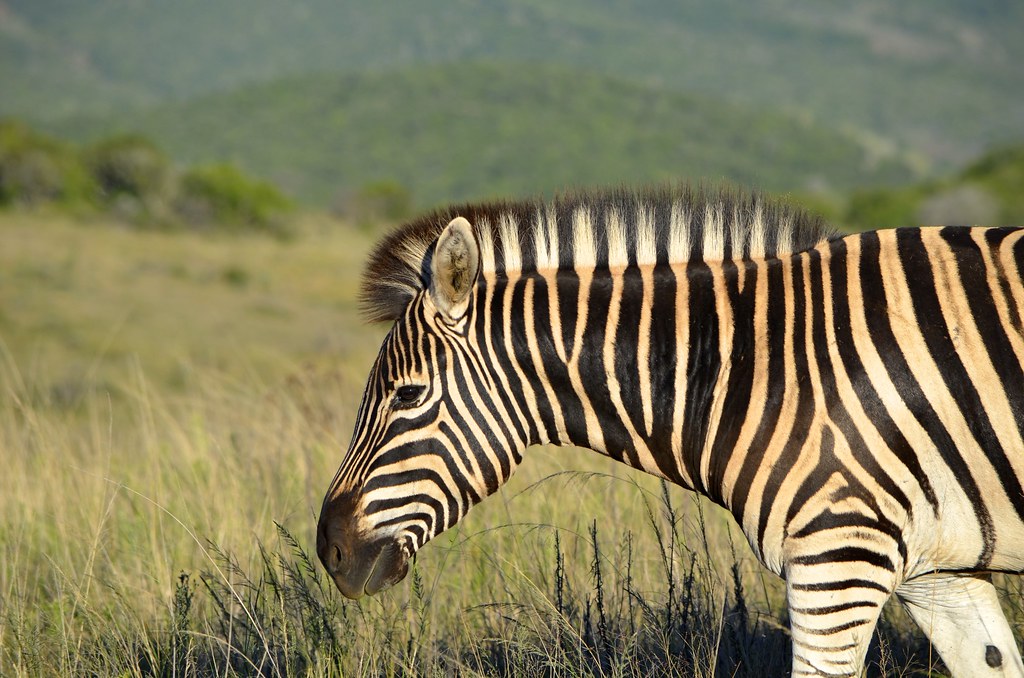
From a distance, the patterns created a striking visual effect against the rocky landscape. Up close, every individual carried a unique arrangement of markings.
Researchers have long studied zebra stripes, and several explanations have emerged regarding their purpose.
Evidence suggests the patterns help reduce attacks from biting flies. Some studies indicate stripes may assist with temperature regulation. Others suggest the patterns create visual confusion when predators attempt to focus on a single animal within a moving herd.
Watching dozens of striped bodies move together across uneven terrain made the last theory particularly convincing.
The herd often appeared as a shifting mass of patterns rather than clearly defined individuals.
Weather Influenced Everything
One unexpected lesson involved the influence of weather. The zebras adjusted their behaviour noticeably depending on conditions.
Cool mornings often brought increased movement and feeding activity. Hot afternoons encouraged the herd to seek more exposed areas where breezes provided relief from the heat.
Cloud cover sometimes extended grazing periods, while stronger sunshine encouraged rest during the warmest hours of the day.
Rainfall changed feeding patterns as new grass growth appeared in different locations. These observations highlighted how closely wildlife remains connected to environmental conditions. Every change in weather created subtle shifts in behaviour.
Leadership Comes With Responsibility
The stallion fascinated me throughout the week. Many people assume leadership in animal groups is about dominance alone. The reality appeared more demanding.
The stallion was rarely the first to feed. Instead, he spent considerable time monitoring the surroundings. He frequently positioned himself between the herd and potential threats. When the group moved, he often occupied a location that allowed him to supervise multiple directions at once.
His role involved responsibility as much as authority. Watching him made it clear that protecting the herd required constant attention.
Patience Reveals Hidden Stories
One of the greatest lessons had little to do with zebras specifically. It was a lesson about wildlife observation itself.
Most safari sightings last a few minutes before vehicles move on in search of something new. There is nothing wrong with that approach, but extended observation reveals a completely different layer of behaviour. The longer you watch, the more details emerge.
You begin recognising individual animals. You notice routines. You understand relationships. Behaviours that seem ordinary at first become meaningful once viewed within a broader context.
The mountain zebra herd taught me that wildlife stories rarely unfold instantly. They reveal themselves gradually to those willing to stay and watch.
Why Mountain Zebras Deserve More Attention
Mountain zebras often receive less attention than Africa’s more famous wildlife species.
They do not possess the size of elephants, the reputation of lions, or the rarity of leopards. As a result, many visitors overlook them. That is unfortunate.
These animals are highly adapted, socially complex, and remarkably resilient. They survive in demanding environments while maintaining strong family structures and sophisticated survival strategies.
A week spent following a mountain zebra herd revealed a species far more interesting than I had previously understood.
What Stayed With Me After the Week Ended
When the week finally came to an end, I realised the experience had changed the way I viewed wildlife. I no longer saw zebras simply as beautiful animals with striking stripes.
I saw them as individuals navigating a challenging environment through cooperation, awareness, and experience. I saw parents protecting young, foals learning essential skills, and a herd functioning as a tightly connected community.
The mountains provided the setting, but the animals provided the lessons.
Patience, vigilance, adaptability, and the value of strong social bonds were visible every day in the herd’s behaviour. Long after leaving the mountains, those lessons remained.
What began as a week spent tracking zebras became a deeper understanding of how life works in the wild. The experience served as a reminder that the most rewarding wildlife encounters often come not from seeing something rare, but from taking the time to truly understand what is already in front of you.