Not Every Safari Memory Comes From a Dramatic Wildlife Sighting
When people talk about their safari experiences, the stories are often filled with action. They remember lions stalking prey across the savannah, elephants crossing dusty roads, or leopards resting high in acacia trees. Those moments are exciting, and they deserve their place among Africa’s greatest wildlife experiences.
Yet some of the most memorable encounters happen during the quietest moments.
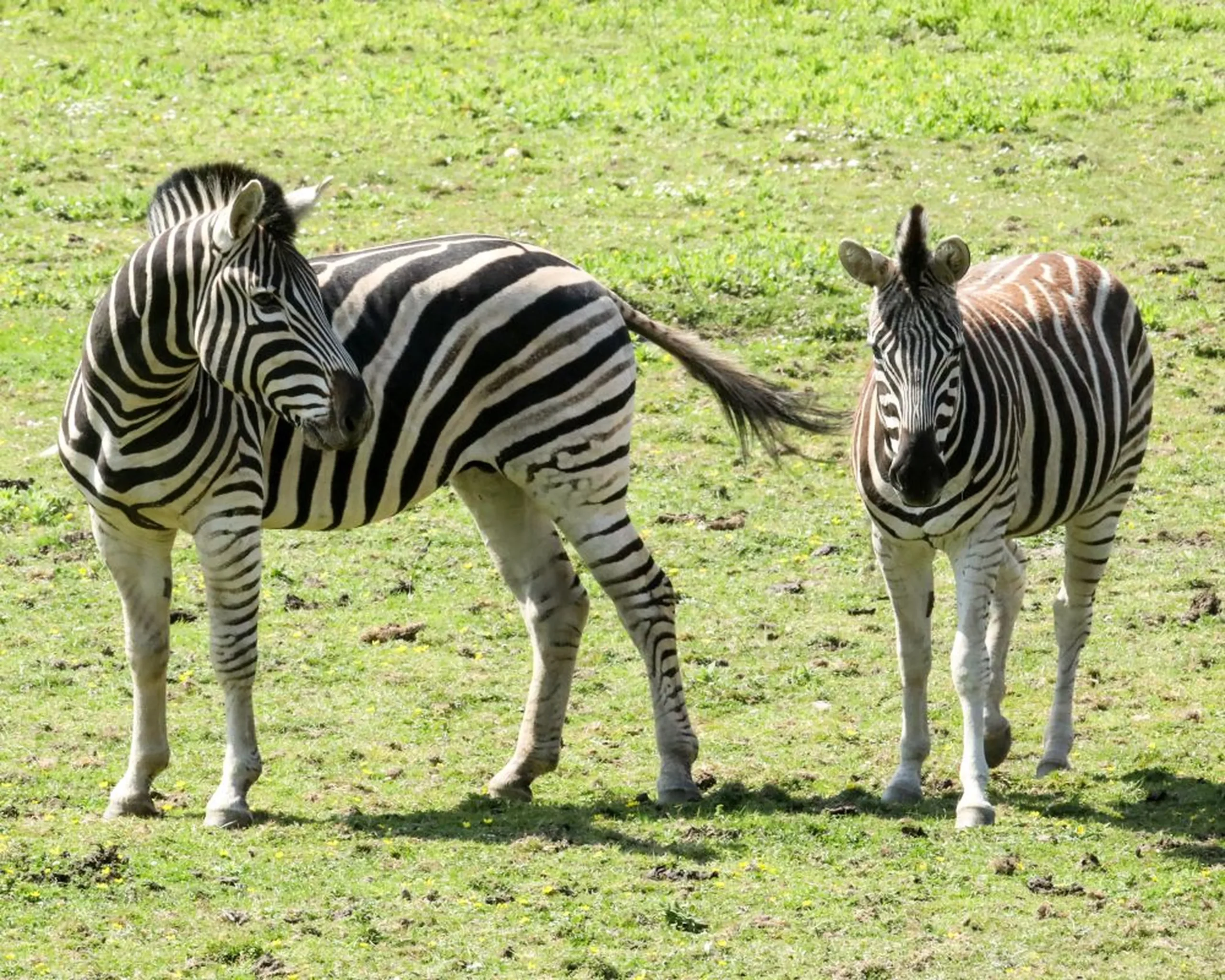
One of the wildlife sightings I remember most clearly involved a zebra. There was no chase, no predator nearby, and no sudden burst of activity. It was simply a zebra standing in the grasslands on an ordinary morning. What made the encounter unforgettable was that the animal looked directly at me and continued staring long after I expected it to look away.
At the time, it seemed like a small moment. Looking back, it became one of the most meaningful wildlife encounters I have ever experienced.
A Quiet Morning in the African Wilderness
The morning had started peacefully. The sun was still low above the horizon, casting a soft golden glow across the savannah. The air felt cool, and the landscape seemed to move at a slower pace than it would later in the day.
Our safari vehicle followed a dirt track through open grassland while birds called from nearby bushes. A few antelopes grazed in the distance, and several giraffes moved slowly between scattered trees. It was the kind of morning that reminded you why early game drives are often the most rewarding part of a safari.
Eventually, we came across a herd of zebras feeding on a broad stretch of grassland.
Nobody in the vehicle reacted dramatically. Zebras are common in many of East Africa’s national parks. Visitors often photograph them on their first day and then become focused on finding the Big Five or other animals that seem more exciting.
I had seen countless zebras before.
At first, this sighting felt no different.
A Herd Going About Its Daily Routine
The animals were calm and completely relaxed. Several mares grazed quietly while young foals stayed close to their mothers. A stallion stood slightly apart from the group, occasionally lifting his head to survey the surroundings.
Watching them was surprisingly peaceful.
Unlike predators that often create a sense of anticipation, grazing zebras bring a feeling of calm to the landscape. Their movements are steady and predictable. They feed, walk, pause, and feed again. There is a rhythm to their behaviour that reflects the daily routines of life on the savannah.
The herd appeared comfortable in its environment. There was no sign of danger. There was no reason to believe anything unusual was about to happen.
The Moment One Zebra Looked Up
After several minutes, one zebra raised its head.
That was not unusual. Zebras regularly stop feeding to scan their surroundings. Living alongside predators such as lions, hyenas, and leopards requires constant awareness.
At first, I assumed the zebra was simply checking for danger before returning to its meal.
Instead, it looked directly towards our vehicle. Then it continued looking. Several seconds passed. The zebra remained perfectly still.
Most animals glance at safari vehicles briefly before losing interest. This zebra seemed determined to study us more carefully. I found myself staring back.
Feeling Observed Instead of Being the Observer
One of the unusual aspects of safari travel is that visitors often forget wildlife is watching them too.
People spend hours observing animals through binoculars and camera lenses. They discuss behaviour, identify species, and search for the best photographs. It becomes easy to assume that humans are the only observers in the relationship.
That morning reminded me that the animals are constantly paying attention as well.
The zebra’s gaze created a strange feeling. For a brief moment, it felt as though the usual roles had been reversed. Instead of me studying the zebra, the zebra seemed to be studying me.
Its eyes remained fixed on the vehicle. It was not nervous. It was not preparing to run. It simply appeared interested.
What Was the Zebra Thinking?
Of course, it is impossible to know exactly what was happening inside the animal’s mind.
Humans naturally try to interpret animal behaviour through human emotions. We describe animals as curious, cautious, friendly, suspicious, or intelligent because those are concepts we understand.
The reality is more complex.
The zebra may have been evaluating whether our vehicle represented a threat. It may have noticed movement inside the vehicle that caught its attention. It may have been gathering information about its surroundings in the same way it constantly monitors other animals, sounds, and environmental changes.
Whatever the reason, the encounter highlighted just how aware zebras are of the world around them.
Life Through the Eyes of a Zebra
To understand why the moment felt so significant, it helps to understand how zebras survive.
Unlike predators, zebras spend their lives being hunted. Their survival depends on detecting danger before danger reaches them. Every day, they must remain alert while feeding, travelling, drinking, and resting.
Their eyes are positioned on the sides of their heads, giving them a remarkably wide field of vision. This allows them to monitor large areas of the landscape without constantly turning around.
Their hearing is equally impressive. The movement of their ears helps them identify sounds coming from different directions, providing valuable information about what might be happening beyond their immediate view.
This constant awareness has shaped zebra behaviour for thousands of years.
The animal standing before us was doing exactly what generations of zebras have done to survive.
It was paying attention.
More Intelligent Than Many People Realise
Zebras are often underestimated.
Because they resemble horses, people sometimes assume they are simple grazing animals with limited social complexity. Research and observation suggest otherwise.
Zebras live within structured family groups and maintain strong social bonds. They recognise individual members of their herd and communicate through body language, vocalisations, and facial expressions. They remember migration routes, water sources, and areas where predators are commonly encountered.
They are highly adaptable animals capable of making decisions that improve their chances of survival.
Looking into the eyes of that zebra, it became difficult to view it as just another striped animal on the plains.
There was intelligence there. There was awareness. There was purpose.
The Moment Finally Ended
Eventually, the zebra blinked.
It lowered its head and returned to grazing. The encounter was over.
Nothing dramatic followed. No predators appeared. No sudden movement interrupted the calm morning. The herd continued feeding as though nothing unusual had happened.
Our guide started the vehicle, and we slowly drove away.
The entire interaction had lasted less than a minute. Yet it stayed with me long after the safari ended.
Why the Small Moments Matter
Many people measure safari success by the rarity of the animals they see. The focus often falls on predators, dramatic hunts, or unusual sightings.
Those experiences are certainly exciting.
However, the longer you spend in the wilderness, the more you begin appreciating the quieter moments.
You notice the way animals interact with each other. You observe the relationships within a herd. You become interested in behaviour rather than simply ticking species off a list.
The zebra’s stare was memorable because it created a sense of connection.
Not the kind of connection people often romanticise when talking about wildlife, but a simple awareness that two living creatures had noticed each other.
For a few seconds, neither of us looked away.
More Than Just Another Zebra
Looking back, what stays with me is not the zebra’s appearance. It was not the largest zebra I had ever seen or the most unusual. If I saw it again today, I probably would not be able to identify it from the thousands of others roaming Africa’s grasslands.
What I remember is the feeling of the encounter.
The feeling of being noticed.
The feeling of sharing a brief moment of curiosity in the middle of a vast wilderness.
Safaris are often filled with spectacular wildlife events, but sometimes the moments that stay with you are the simplest ones. A quiet morning. A grazing herd. A zebra that lifted its head and looked back.
For reasons I still cannot fully explain, that single stare lasted much longer than expected and left a stronger impression than many of the dramatic wildlife encounters that followed.