The Wetlands of Uganda: A Shoebill Treasure Map
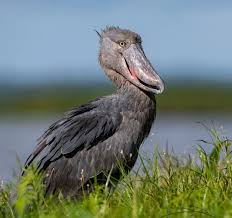
Uganda is known for its mountain gorillas, big waterfalls, and classic safaris. There is something else that brings bird lovers to this country. The shoebill, a special bird, lives in the wetlands of Uganda. This bird is really big, over one meter tall, with a bill that looks like a shoe. It is very calm and patient when it hunts. Many people want to see the shoebill because it’s so unique.
The Wetlands of Uganda: A Shoebill Treasure Map will take you on a journey to the places where the shoebill lives. You will see the types of wetlands like swamps and marshes, where the shoebill feels at home. Some of these places are easy to get to by canoe, while others are harder to reach. They are all special and important for the shoebill and other animals.
Uganda’s Wetlands Form One Living Ecosystem
Uganda has a lot of wetlands, one-tenth of the country. These wetlands are like a team working together to help animals and people. They clean the water, stop floods, and provide food for birds and fish.
The papyrus swamps in Uganda are very important for the shoebill. They provide a safe place for the bird to hunt. The shoebill likes to stand and wait for its food, like lungfish and frogs. It can stand like that for a time, and then it strikes very fast.
People who visit these wetlands can do things like take a canoe ride or watch the sunrise. They can also see other birds and animals and just enjoy being in nature. The shoebill is a special bird and Uganda’s wetlands are the best place to see it.
Mabamba Swamp Leads Every Shoebill Adventure
Mabamba Swamp is a special place near Lake Victoria. It is easy to get to. Many people go there to see the shoebill. You can take a canoe ride through the papyrus channels. See the bird up close. The guides who take you on the canoe ride are very good at finding the shoebill.
Mabamba Swamp is home to over 300 types of birds. You can see African jacanas walking on the water, malachite kingfishers flying above, and African fish eagles soaring overhead. The swamp is also an example of how people and animals can live together. The local community helps take care of the swamp and the animals. They also get to benefit from tourism.
Why Mabamba Delivers Consistent Sightings
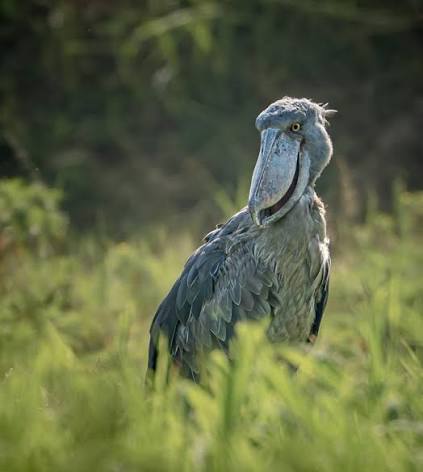
Mabamba Swamp is a place to see the shoebill because it has everything the bird needs. The water is shallow, there are fish, and the papyrus provides a safe place to hide. The guides who take you on the canoe ride know where the shoebill likes to go and when, so you have a chance of seeing it. The shoebill is a special bird, and Mabamba Swamp is the best place to see it in Uganda.
Murchison Falls National Park Expands the Search
When people visit Murchison Falls National Park, they usually want to see lions, elephants, giraffes, and the famous waterfall. The park also has a lot of wetland areas along the Victoria Nile and Lake Albert Delta that are really important.
If you take a boat ride towards the delta, you might be able to find shoebills. The marshes around the delta are quiet and peaceful, so the birds can hunt for food without being bothered.
This is an experience from Mabamba. Of just looking at birds, you can go on a classic safari and also try to find one of the rarest birds in Africa.
You will probably see hippos, Nile crocodiles, buffaloes, elephants, and lots of waterbirds while you are searching for shoebills. This makes for an exciting day with lots of different animals.
The Lake Albert Delta Rewards Patient Explorers
There is a place in Uganda where the Victoria Nile meets Lake Albert. It is not very crowded. This place is called the Lake Albert Delta. It has a lot of marshes that are still wild and untouched.
If you take a boat ride in the morning, you might be able to see shoebills eating among the floating plants. Because not many tourists come here, it feels really peaceful and authentic.
Photographers love the light in the morning, and the mist rising from the marshes is really beautiful. It is quiet and calm so you can watch the birds and animals without disturbing them.
Many people who like birds think that the delta is one of Uganda’s kept secrets. It has scenery and lots of different birds and animals.
Semuliki Wetlands Offer Remote Birding
The Semuliki region in Uganda does not get as many visitors as some other parks, but it has some really great birdlife. The wetlands here are home to different species of birds, and the forests are full of life too.
It can be harder to find shoebills, but experienced birdwatchers like the challenge. When you finally see one, it is really rewarding because the place is so wild and untouched.
The forests around the wetlands are also home to hornbills, turacos, forest kingfishers and primates. So you can see lots of animals and birds on the same trip.
Ziwa and smaller wetland networks matter too.
The Ziwa Rhino Sanctuary is famous for tracking rhinos. The wetlands near it are also great for spotting shoebills and other waterbirds. The water levels in these wetlands change with the seasons, which means the birds you see will be different each time you visit.
There are small marshes and seasonal wetlands all over Uganda that are connected to bigger ecosystems. These areas might not be on every tourist’s list. They are very important because they give birds more places to feed and breed.
People who work to protect the environment are always checking on these wetlands. This is because when the different habitats are connected, it helps the animals that live in the wetlands to survive in the long term.
Local people are very important for protecting the future.
The success of protecting shoebills depends a lot on the people who live near the wetlands. For a long time, local people have been using these areas for fishing, getting papyrus, and collecting water.
Now tourism that is run by communities is creating new ways for people to make money that do not harm the environment. Local guides, people who run canoe trips, people who provide places to stay, and craft sellers all benefit when tourists choose to travel in a way.
Teaching people about the environment has also helped them understand why it is important to protect the wetlands for generations. Protecting these areas helps the animals. Also keeps the natural resources that people need every day.
If you want to see shoebills, you should plan your trip for early in the morning.
If you want to see shoebills, you should plan to go out in the morning. This is when they are most active, just after sunrise, when they are hunting along the shallow edges of the water.
You should wear clothes that are the same color as the surroundings so you can blend in. Binoculars will help you see the birds better, and a camera with a lens will let you take nice pictures without bothering the animals.
The important thing you need is patience. Shoebills do not often do things, but it is very interesting to watch one stand still and then quickly catch its prey. This is one of the fascinating things you can see when watching animals in Africa.
It is very helpful to hire a guide who knows the area. They can tell you about the water levels, where the birds like to feed, and where they have been seen recently.
If you respect the animals, you will have a good time.
If you respect the animals, you will have a time and so will the people who come after you. Boats should keep a distance; you should not make too much noise, and you should listen to what the guide says during the trip.
Tourism that is good for the animals helps to protect them. It lets them behave naturally. This makes the experience more real. Helps to keep the habitats healthy for future generations.
Following the paths that are hidden in nature is an experience.
For people, seeing a shoebill is the best part of their trip to Uganda.. The trip itself can be just as memorable. Taking a canoe through the papyrus channels, watching the sunrise over the calm wetlands, hearing the fish eagles calling from far away, and listening to the local guides talk about what they know is an experience that feels very connected to nature.
The wetlands of Uganda are a treasure map for people who want to see shoebills.
The Wetlands of Uganda: A Shoebill Treasure Map is not just a guide to where you can see birds. It is a journey through living ecosystems that support a lot of kinds of animals and help many people. Every protected swamp, marsh, and floodplain makes Uganda a better place for birdwatching.
People who travel to places that’re not as well-known often find that the best things about Uganda are in its quiet waterways. Whether you are exploring Mabamba, taking a boat trip on Lake Albert Delta, visiting Murchison Falls, or looking for birds in the western marshes, every wetland is a chance to see one of the most amazing birds in the world. If we protect these places now, people will still be able to follow The Wetlands of Uganda: A Shoebill Treasure Map to have experiences with animals in the future.