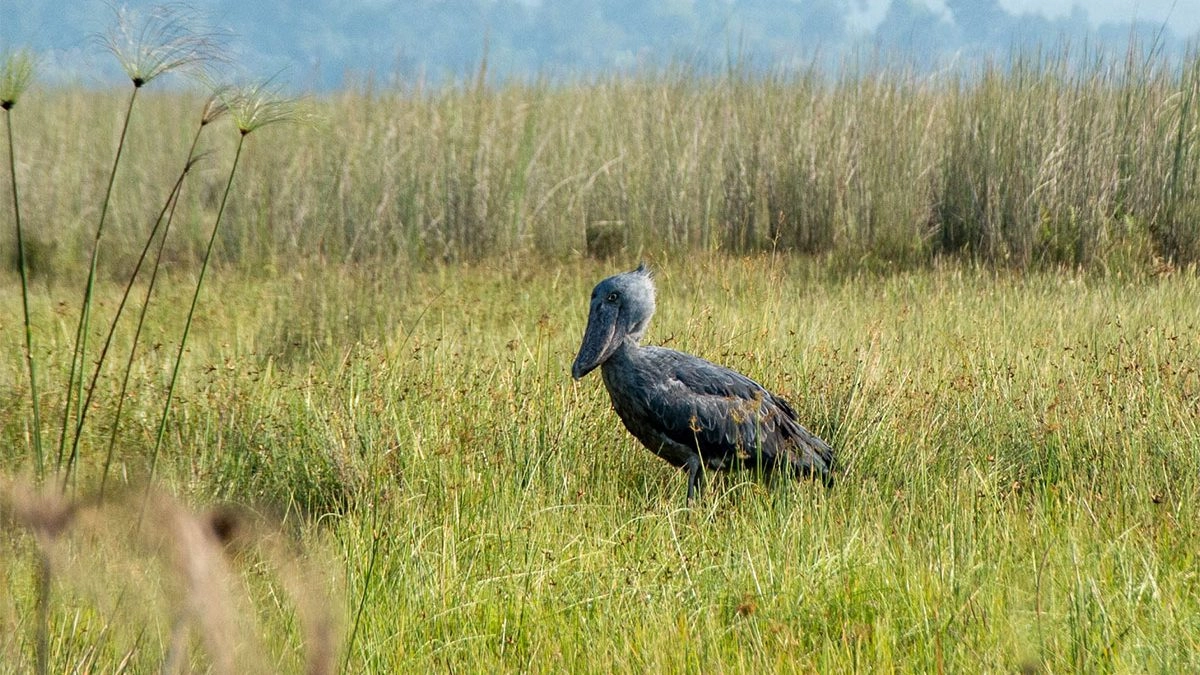
Mabamba versus Murchison: Which Swamp Wins for Shoebills?
Few birds create much excitement among wildlife lovers as the shoebill. With its tall height, big shoe-shaped beak, and calm, ancient look, this rare bird has become one of Uganda’s biggest draws. Birdwatchers come from all over the world hoping to see it standing still among papyrus reeds or slowly moving through shallow wetlands looking for food.
Uganda is still one of Africa’s places to see shoebills because it has several places where the bird still lives. Among these places, two spots get the attention. One is near Kampala on the edge of Lake Victoria, while the other is part of Uganda’s protected area. Deciding between them is often one of the choices for people planning a birding trip.
Mabamba versus Murchison
Even though both wetlands offer chances to see shoebills, they give very different experiences. Your choice depends on how much time you have, what you want to photograph, what kind of scenery you like, and what sort of safari you are looking for. Knowing what each place has to offer helps you plan a trip that fits what you want.
Why Mabamba Has Become Well Known Around the World
Mabamba Swamp is located west of Entebbe along the northern edge of Lake Victoria. It has become a famous place in Uganda to see shoebills. Its easy access makes it very popular with people who do not have time. Many visitors go there after arriving at Entebbe International Airport or before leaving Uganda, making it one of the easiest wildlife trips in the country.
The trip starts with a boat ride through narrow paths lined with thick papyrus. Local guides know where the bird likes to eat and talk to boat drivers to increase the chance of finding a shoebill. Since the water is calm, the trip is peaceful, and every movement in the reeds makes you feel excited.
Morning trips usually have a chance of success. When the first light of day hits the wetlands, shoebills often come out of places to look for food like lungfish, frogs, and small lizards. The still water gives reflections, making it easy for photographers to take great pictures with natural light.
Mabamba also has other birds besides the shoebill. African jacanas, malachite kingfishers, swamp flycatchers, papyrus gonoleks, herons, egrets, and many weaver birds are always around. Visitors who come just to see one bird often end up with a list of other birds they have seen.
Another benefit is the time it takes. A normal visit is between two and four hours, allowing travelers to do birdwatching and also visit places near Entebbe or Kampala.
This mix gives a chance to see animals, monkeys, lizards, and hundreds of birds together with amazing wetland views.
Uganda’s better roads, guides, and friendly people make it easier for travelers from other countries to visit more than one place for birding.
Whether you are a bird expert trying to add to your list or just someone who loves wildlife, these wetlands offer experiences that very few places can beat. Standing quietly as one of Africa’s famous birds comes out of the papyrus reminds you that nature still has moments of real surprise. For anyone looking for places in Uganda where shoebills actually appear, Uganda keeps proving it is one of the places for this special wildlife experience.
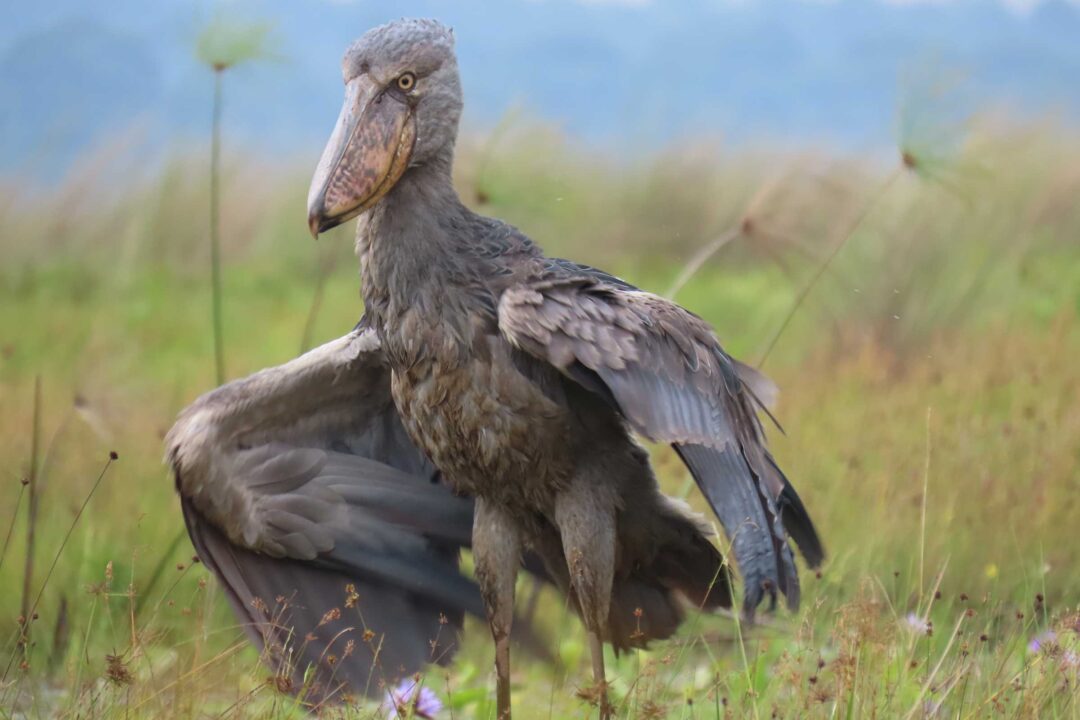
The Untamed Beauty of Murchison’s Delta
Murchison Falls National Park is far to the north. It is very different from other places. The Victoria Nile flows into Lake Albert here. This creates a delta with lots of marshes. These marshes are home to shoebills and other animals.
To see the shoebills, you have to go on a big safari adventure. You start by driving across the savannah in a car. Then you get on a boat. Go downstream to the delta. On the way, you can see elephants drinking water, buffalo resting in the mud, and crocodiles sleeping in the sun. You can also see hippos and many kinds of antelopes.
As you go down the river, the scenery changes. The river gets narrower. The banks get lined with papyrus plants. This is where the shoebills like to live. The guides on the boat look carefully for the shoebills. They try to find them standing among the floating plants.
The delta is very big, so every time you go there it is different. The animals move around depending on the water level, the season, and the food. This makes it exciting because you never know what you will see around the bend.
Wildlife Beyond the Shoebill
Many people come to Murchison Falls National Park to see all the kinds of animals. The shoebill is a highlight for birdwatchers, but there are many other animals to see too.
When you go on a game drive, you can see lions sleeping under trees, giraffes eating leaves, and many kinds of antelopes. You can also see leopards, hyenas, and elephants moving through the woods.
The river has a lot of hippos, and crocodiles are always patrolling the shore. There are also kinds of birds like eagles, herons, and storks. You can see all these birds when you go on a boat ride.
For people who like to take pictures, Murchison Falls National Park is a good place. There are always things to take pictures of even before you see a shoebill.
Photography Opportunities Compared
Photographers often wonder which place is better for taking pictures. It depends on what kind of pictures you like to take.
Mabamba is good for taking pictures of shoebills. The canoe operators can get very close without scaring the birds. The light is also very soft in the morning, which is good for taking portraits.
Murchison Falls National Park is better for taking pictures that tell a story. You can take pictures of the shoebills with the river and the landscape in the background. The bird might be a little away, but the scenery is very beautiful and adds depth to the picture.
Accessibility and Travel Experience
The time it takes to visit these two places is really different. Mabamba is great for people who want to see birds without taking a lot of time off. It is close to Entebbe, so you can visit for a time even if you are busy or have a connecting flight. You can see a lot in half a day, like taking a canoe trip and then going back to your hotel.
Murchison Falls National Park takes time to get to. The trip from Kampala is long. You can take a plane if you want to get there faster. Most people spend at least three days in the park to see all the animals, take a boat ride, and visit the big waterfall. If you want to see a lot of wildlife, the long trip is worth it.
Best Seasons for Successful Sightings
You can see shoebills all year round because they do not move to other places. The weather can make it harder to get to them and take good pictures.
The dry seasons are usually the time to visit. The water is easy to navigate; there are plants, and the sun makes it easier to see. It is best to go in the morning because the birds are more active when it is cooler.
The rainy season makes everything green and beautiful. Even though it might rain sometimes, the scenery is great for taking pictures. The guides are still able to find shoebills so you can visit any time of the year.
You need to be patient when you are looking for shoebills. They are birds that do not move much, but then they suddenly catch their food. If you wait quietly, you might see something cool.
Conservation Makes Every Visit Meaningful
When you visit these places, you are helping to protect them. Shoebills need wetlands to live, eat, and have babies. Some places are in danger because of people hurting the environment, so we need to take care of them.
The people who live near Mabamba are helping to protect the wetlands. Many of them work as bird guides or canoe operators, so they want to keep the area nice. Tourism is helping to save the swamp.
In Murchison Falls National Park, the government is working to protect the animals and the land. They have people watching the animals, patrolling the area, and teaching visitors about how to behave. The money from tourism is helping to pay for these things and creating jobs for the people who live nearby.
You can help by listening to the guides, being quiet, and not getting too close to the animals. You should also support the people who are taking care of the environment.
Mabamba vs. Murchison: Which Swamp Wins for Shoebills?
It depends on what you want to do. If you want to see a shoebill, Mabamba is a good choice. It is close to Entebbe. The guides are really good at finding the birds. You can take a canoe ride and see a lot of birds.
If you want to see animals and have a bigger adventure, Murchison is better. You can see different animals, take a boat ride, and visit the big waterfall. It is a place for a safari.
Both places are good. They are different. Some people visit both places because they want to see the landscapes and animals.
Planning the Ultimate Shoebill Adventure
You should prepare well before you go. Bring binoculars, a camera, sun protection, water, and clothes that blend in with the environment. Wear shoes, especially if you will be walking or taking a game drive.
Listen to your guide because they know a lot about the animals and the area. They can show you things that you might not notice, like footprints or bird calls. This can make your trip really special.
When you see a shoebill, it is really exciting. They are quiet birds that move slowly, and they look really old. Seeing one in person is much better than looking at pictures.
Mabamba and Murchison are both places to see shoebills, but they are different. One is close to Entebbe and easy to visit, while the other is an adventure. Whichever place you choose, you will learn to appreciate the birds, the people who live there, and the beautiful landscapes. Watching a shoebill in its home is a really special experience.