Kenya Gorilla Trekking Weather Conditions
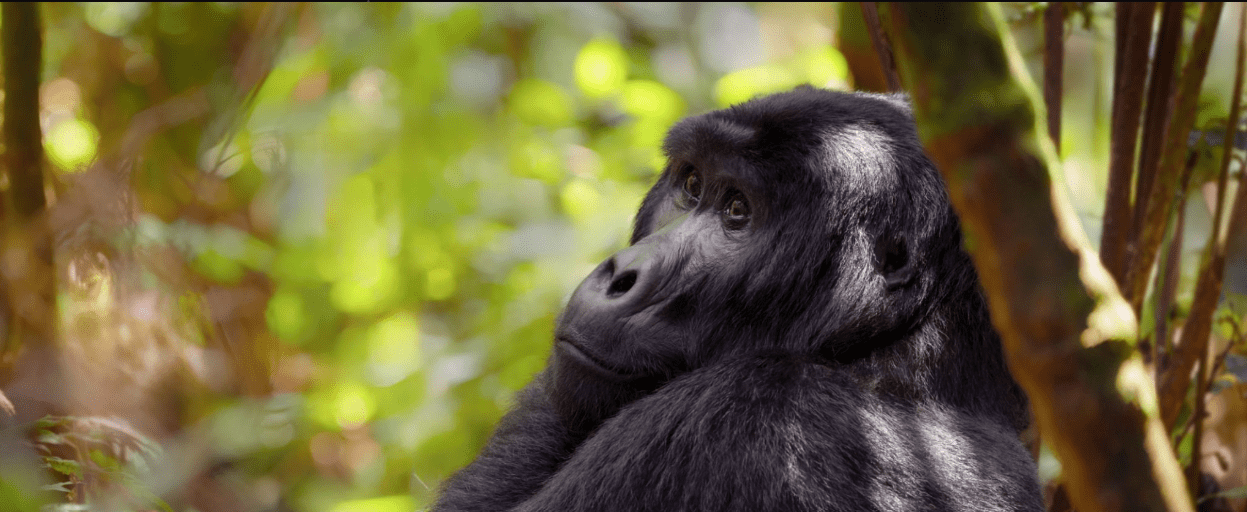
Kenya has no wild gorilla population of its own, mountain gorillas live only in a small stretch of the Albertine Rift shared by Uganda, Rwanda and the Democratic Republic of Congo, so any Kenya-based trip that includes gorilla trekking is really a combined itinerary: a Kenya safari plus a short add-on to one of those neighboring countries. Because Nairobi is such a well-connected regional hub, this combination is easier to arrange than many travelers expect.
Kenya’s Savannah Climate vs. the Gorilla Forests
Kenya’s safari parks sit largely on open savannah at moderate elevation, with warm days and cool evenings typical of equatorial East Africa, while the gorilla trekking regions in neighboring Uganda and Rwanda are montane rainforest, cooler, wetter, and considerably more humid, especially in Bwindi Impenetrable National Park and Rwanda’s Volcanoes National Park. Travelers moving from a Kenya safari straight into a gorilla trek should expect a noticeable shift in climate over a short flight.
What to Expect in the Forest
Temperatures in the gorilla trekking zones typically range from the low teens Celsius in the early morning to the low twenties by midday, but rain is possible in any month given the rainforest setting, so packing a proper rain jacket is non-negotiable regardless of when you travel. Trails can be slippery even outside the official rainy seasons, since the forest canopy keeps the ground damp longer than open grassland would.
Dressing for Both Legs of the Trip
Because the two climates differ so much, a combined Kenya-and-gorilla-trekking itinerary calls for slightly more varied packing than a single-destination trip: lighter, breathable safari wear for Kenya’s game drives, and warmer layers plus rain protection for the forest leg. Packing everything in a soft duffel bag rather than a rigid suitcase also matters here, since the flight between the two legs is usually on a light aircraft with limited cargo space.
Seasonal Timing Recap
The June-to-September and December-to-February dry seasons offer the most predictable weather for both halves of the trip, though rain gear remains essential year-round for the forest portion regardless of season.
Humidity and What to Expect Underfoot
High humidity in the gorilla trekking forests means clothing and boots can stay damp longer than travelers expect, even without direct rain, so packing a couple of changes of trekking clothes rather than just one is a practical precaution. Trails are frequently muddy simply from the forest’s ambient moisture, regardless of whether it has rained that specific day, which is part of why proper waterproof boots matter more here than on a standard game drive.
Cloud Cover and Visibility
Both Bwindi and the Volcanoes region are frequently cloud-covered, particularly in early morning and late afternoon, which keeps temperatures moderate but can also affect visibility on ridge-top sections of some treks. This cloud cover is part of what sustains the dense rainforest ecosystem gorillas depend on, so while it can obscure a view, it’s also central to why these forests exist at all.
Packing a Weather-Flexible Wardrobe
Given how much the climate shifts between Kenya’s savannah and the gorilla forests, a layered wardrobe, breathable safari wear for Kenya, warmer waterproof layers for the forest, packed in a single flexible duffel bag works better than packing separate full outfits for each climate.
Sun Protection Despite the Rain Risk
Even in a climate known for rain and cloud cover, UV exposure at the altitudes where gorilla trekking happens can be intense whenever the sun does break through, so sunscreen and a hat remain worth packing alongside your rain gear. This is easy to overlook given how much attention rain gets in trip planning, but sunburn at altitude is a genuinely common complaint among trekkers who packed only for wet weather.
How the Two Countries’ Microclimates Differ
Rwanda’s Volcanoes National Park sits at generally higher average elevation than most of Bwindi’s trekking sectors, which can mean slightly cooler temperatures and thinner air on the Rwandan side. Neither difference is dramatic enough to be a deciding factor on its own, but it’s worth knowing if you’re particularly sensitive to cold or altitude when choosing between the two countries for your add-on trek.
Photography in Wet Conditions
A simple rain cover or dry bag for your camera is worth packing given how often conditions turn damp in the trekking forests, and a lens cloth kept in an easily accessible pocket helps manage the condensation that builds up when moving between cool forest air and warmer resting spots. Waterproofing your gear properly means you won’t have to choose between protecting your camera and capturing the moment when you finally reach the gorillas.
None of these weather considerations should discourage the trip, thousands of travelers successfully combine both experiences every year, they simply call for slightly more deliberate packing than a single-climate safari would.
Packing List Recap for Both Climates
For the Kenya leg: breathable, neutral-toned clothing, a hat, and sunscreen for warm, sunny game drives. For the gorilla trekking leg: waterproof boots, a proper rain jacket, layered warm clothing, and gloves for the cooler, wetter forest environment. Packing both sets in one soft-sided duffel, organized so the gorilla trekking gear is easy to access separately, keeps the transition between the two legs simple.
Preparing for both extremes, sun and rain, is simply part of planning a trip that spans two very different East African ecosystems.
A quick packing review against both climate checklists a few days before departure catches anything missed the first time around.