How to Spot Rare African Wild Dogs in Kenya: A Guide to Witnessing Nature’s Most Elusive Predators
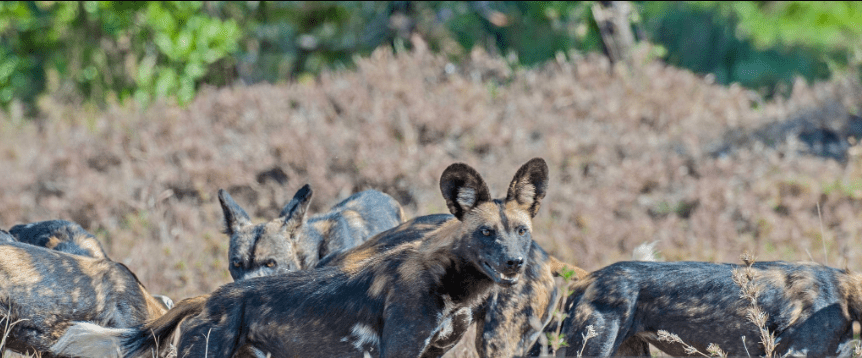
The African Wild Dogs, also known as painted wolves or Lycaon pictus, are among the most endangered and fascinating predators in Africa. With their striking patchwork coats, large rounded ears, and unmatched teamwork, these elusive canines are a rare but thrilling sight in Kenya’s wilderness. Spotting them requires patience, knowledge, and a bit of luck. This guide will help you understand where, when, and how to increase your chances of encountering these magnificent creatures in the wild.
Why African Wild Dogs Are So Rare
Before diving into spotting techniques, it’s essential to understand why African Wild Dogs are so rare. Once widespread across sub-Saharan Africa, their population has plummeted due to habitat loss, human-wildlife conflict, and diseases like rabies and distemper. Today, fewer than 6,600 individuals remain in the wild, with Kenya being one of the last strongholds for these incredible animals.
Conservation efforts in Kenya, particularly in Laikipia, Samburu, and the Maasai Mara, have helped stabilize some packs. However, their wide-ranging nature (they can cover over 50 km in a single day!) makes them unpredictable and challenging to track.
Best Places in Kenya to Spot African Wild Dogs
Kenya offers some of the best opportunities to see African Wild Dogs in their natural habitat. Here are the top locations where sightings are most likely:
1. Laikipia Plateau
Laikipia is one of Kenya’s premier wildlife destinations and a stronghold for African Wild Dogs. Private conservancies like Ol Pejeta, Loisaba, and Lewa Wildlife Conservancy have active packs. The open landscapes make tracking easier, and conservationists often monitor their movements, increasing your chances of a sighting.
2. Maasai Mara National Reserve
While the Maasai Mara is famous for the Great Migration, it’s also home to a few resident African Wild Dog packs. The Mara North Conservancy and Olare Motorogi are particularly good spots. The dogs here often follow migrating herds, so timing your visit during the dry season (July-October) can improve your odds.
3. Samburu National Reserve
Samburu’s rugged terrain and riverine forests provide an ideal habitat for wild dogs. The Ewaso Nyiro River attracts prey species, making it a hunting ground for these predators. Conservation programs in the area have helped sustain a small but stable population.
4. Tsavo East & West National Parks
Tsavo’s vast wilderness is another potential hotspot. Though sightings are less common due to the park’s size, the African Wild Dogs here are known for their impressive range. Guides with local knowledge can help track recent activity.
When to Go: Timing Your Safari for Wild Dog Sightings
Since African Wild Dogs are nomadic, timing is crucial. Here’s when your chances are highest:
Dry Season (June-October): With sparse vegetation and animals gathering near water sources, spotting wild dogs becomes easier.
Early Morning & Late Afternoon: Like most predators, they are most active during cooler hours. Dawn and dusk are prime times for hunts.
Post-Denning Season (April-June): After pups are born, packs stay near dens for months, making them more predictable.
How to Track African Wild Dogs: Tips from Expert Guides
1. Listen for Their Unique Vocalizations
African Wild Dogs communicate with high-pitched twittering sounds, often compared to bird calls. Guides use these sounds to locate packs, especially during hunts or when regrouping.
2. Look for Fresh Tracks and Scat
Their paw prints are distinct—four toes with no claw marks (unlike lions or hyenas). Fresh scat, often white due to bone fragments, can also indicate recent activity.
3. Follow Vultures and Other Predators
Vultures circling overhead often signal a kill. Since wild dogs lose many meals to lions and hyenas, tracking these competitors can lead you to a pack.
4. Work with Local Conservationists
Many reserves collaborate with researchers who radio-collar wild dogs. Joining a guided safari with access to tracking data dramatically increases your chances.
Ethical Wildlife Viewing: Respecting African Wild Dogs
While spotting African Wild Dogs is exhilarating, responsible tourism is vital:
Keep Your Distance: Avoid stressing the pack, especially near dens.
No Flash Photography: It can startle them during hunts.
Support Conservation: Choose eco-friendly lodges that fund anti-poaching and habitat protection.
The Magic of Witnessing African Wild Dogs in the Wild
Seeing African Wild Dogs in Kenya is more than just a safari highlight—it’s a rare glimpse into one of nature’s most efficient and social predators. Their tight-knit family bonds, incredible endurance, and playful nature make them unforgettable.
By visiting Kenya’s wild spaces responsibly, you contribute to their survival. Every sighting is a victory for conservation, a reminder that these painted wolves still roam free. So pack your binoculars, listen for their calls, and embark on an adventure to find Africa’s most elusive hunters.
A Call to Protect Africa’s Painted Wolves
They are not just a tourist attraction—they are a vital part of the ecosystem. By supporting conservation efforts and spreading awareness, we can ensure future generations also experience the thrill of spotting these magnificent creatures in the wild.
Will you be one of the lucky few to witness Kenya’s rarest predators? The wilderness awaits.
Why the Pack’s Cooperative Hunting Style Genuinely Makes African Wild Dogs Africa’s Most Efficient Predator
Since packs genuinely coordinate their movements and communicate constantly during a chase, this teamwork genuinely gives wild dogs one of the highest hunting success rates of any African predator, far exceeding lions or leopards hunting alone. All in Africa Safaris can time your safari to increase your chances of witnessing a wild dog hunt.
How Radio-Collar Data Genuinely Transforms an Unpredictable Search Into a Far More Targeted Excursion
Since researchers genuinely track collared individuals across their wide-ranging territory, guides with access to this data genuinely can direct your safari toward a pack’s last known location rather than searching blindly across vast conservancy land.
Why Laikipia’s Private Conservancies Genuinely Offer an Advantage Over Public Reserves for Wild Dog Sightings
Since conservancies like Ol Pejeta and Lewa genuinely limit vehicle numbers and actively monitor resident packs, visitors here genuinely benefit from less crowded, more closely tracked sightings than open public reserves typically allow. All in Africa Safaris can arrange a Laikipia conservancy stay focused on wild dog tracking.
How the Post-Denning Season Genuinely Offers the Most Reliable Window for a Guaranteed-Location Sighting
Since packs genuinely remain anchored near a fixed den site for months after pups are born, timing a visit to this April-through-June window genuinely removes much of the unpredictability that makes wild dogs so difficult to find during other times of year.
Why Distinguishing Wild Dog Tracks From Lion or Hyena Prints Genuinely Sharpens Your Own Tracking Skills
Since wild dog prints genuinely show four toes without visible claw marks, unlike the claw-marked tracks of competing predators, learning this distinction genuinely lets attentive travelers contribute their own eyes to the search alongside their guide. All in Africa Safaris can pair you with trackers experienced in identifying wild dog sign.
How Following Vulture Activity Genuinely Works as an Indirect but Reliable Wild Dog Tracking Strategy
Since circling vultures genuinely signal a recent kill that wild dogs may have made or lost to competitors, guides who monitor vulture movement genuinely use this indirect signal as one more tool in narrowing down a pack’s likely location.
Why Combining Samburu With Laikipia Genuinely Doubles Your Odds Across a Single Kenya Itinerary
Since both regions genuinely maintain separate, stable wild dog populations, travelers who visit both during one trip genuinely improve their overall odds of a sighting compared to concentrating search time in just one location. All in Africa Safaris can combine Samburu and Laikipia into one wild dog-focused itinerary.
How the Fewer-Than-6,600 Global Population Figure Genuinely Underscores the Rarity of Any Sighting
Since this number genuinely places African wild dogs among the continent’s most endangered large carnivores, understanding just how few remain genuinely adds weight to how fortunate any successful sighting actually is.
Why Choosing Eco-Certified Lodges Genuinely Channels Tourism Revenue Directly Into Wild Dog Conservation
Since many conservancies genuinely fund anti-poaching patrols and disease-prevention programs like rabies vaccination for domestic dogs near park boundaries, staying at lodges that support these efforts genuinely means your visit directly aids the species’ survival. All in Africa Safaris works with eco-conscious lodges that support wild dog conservation.
How Their 50-Kilometer Daily Range Genuinely Explains Why Patience Matters More Than Persistence Alone
Since packs genuinely cover vast distances in a single day, even experienced guides genuinely cannot guarantee a sighting on any given outing, making realistic expectations and extended time in the field more valuable than rushing between locations.
Why Dawn and Dusk Game Drives Genuinely Outperform Midday Outings for Any Serious Wild Dog Search
Since these predators genuinely rest through the heat of the day and become active only during cooler hours, scheduling your search specifically around sunrise and sunset genuinely aligns your effort with when the dogs are actually moving and hunting. All in Africa Safaris can build dawn and dusk drives into your wild dog-focused itinerary.
Planning Your African Wild Dog Safari in Kenya
From Laikipia’s conservancies to Samburu’s riverine forests, genuinely Kenya offers some of the best remaining chances to see this endangered predator. All in Africa Safaris can turn this overview into a fully confirmed itinerary tailored to your travel dates.