Cities in Uganda
Cities in Uganda: Known as the Pearl of Africa, Uganda is located in East Africa and is awe-inspiring with its unique cultural heritage, mountains, hills, Savannah vegetation, and incredibly beautiful and hospitable people. Uganda lacks a coastline since it is landlocked, bordered to the east by Kenya, to the south by Rwanda and Tanzania, to the north by South Sudan, and to the west by the Democratic Republic of the Congo. However, this hasn’t stopped Uganda from progressing over the years.
In addition to having more than 56 tribes and more than 60 languages spoken, Uganda is known for its naturally stunning people and rich, diverse cultural heritage. It also boasts a lively party scene, particularly on Friday, Saturday, and Sunday nights, especially in the town’s bars, wineries, and clubs. There is much more to discover when visiting Ugandan towns. The nation of Uganda has one capital, Kampala, as well as a number of other cities that have lately gained prominence and a number of other settlements that have not yet been granted city status.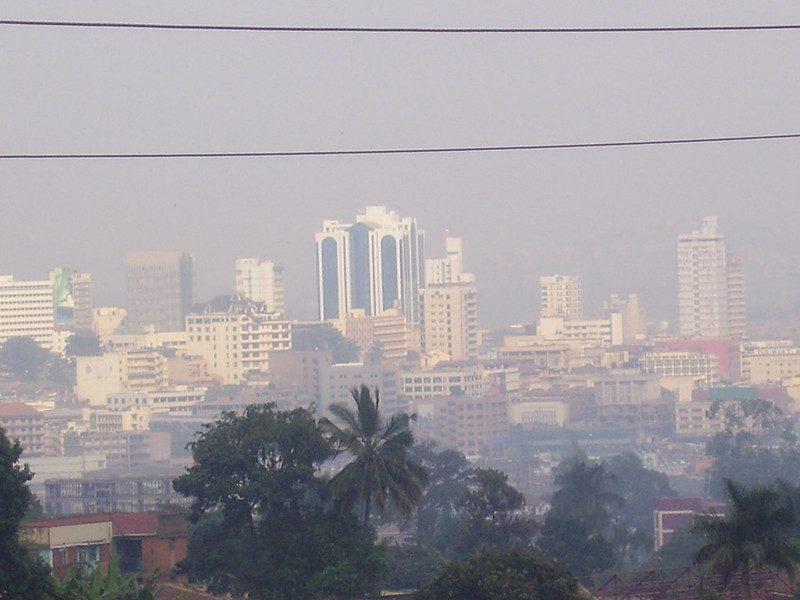
Uganda’s principal cities include
The city of Kampala
With a population of almost 1.5 million according to the 2014 population census, Kampala is Uganda’s largest and most urbanized metropolis. Namirembe Hill, which is home to the Anglican (church of Uganda) Cathedral, Makerere Hill, Kololo Hill, Kibuli Hill, Rubaga Hill, which is home to the Catholic cathedral, Nakasero Hill, Mengo Hill, Mulago Hill, and Old Kampala Hill, which is home to the Uganda National Museum and, more popularly, the Gaddafi Mosque, the largest mosque in East Africa, are the seven hills that make up Kampala city. The nation’s primary and most important political and economic hub is Kampala.
ARUA CITY
Arua City is located in the west Nile region of Uganda, which shares borders with the Democratic Republic of the Congo and South Sudan. Arua has grown as a business and transportation city as a result of all these opportunities. It is also the location of the well-known route to Murchison Falls National Park, which is a few miles away, and the Ajai Wildlife Reserve, which is home to a variety of wildlife and bird species. Arua’s population is also steadily increasing, which explains why the streets and nightlife are so lively, especially during the happy hours at bars and restaurants.
ENTEBBE CITY
During a Uganda city tour, one can explore Entebbe’s stunning surroundings, including the banks of Lake Victoria, the nation’s international airport, the Uganda Wildlife Educational Center, the Entebbe botanical garden, the Uganda Reptile Village, and the crafts markets, to name a few. One can also explore the stunning beaches around Lake Victoria’s coastline while in Entebbe, including Lido, Aero, Sports, and one-love beach Busabala, to name a few.
GULU CITY
The largest town in northern Uganda is Gulu, which is roughly 332 kilometers away from Kampala. The stunning and well-known traditional dance known as Lara Karaka, in which females shake their waists as boys beat the calabash, is part of Gulu City’s rich and varied cultural legacy. They have a lively main market with everything from groceries to clothes, textiles, and crafts, to name a few things, and they have a lot of educational traditional music. Gulu City’s nightlife is also a lot of fun.
The City of MBALE
Approximately at the base of Mount Elgon, Mbale City boasts breathtaking scenery and natural wonders like Sipi Falls, verdant vegetation, and several high hills like Wanale Hill and Semei Kakungulu Hill that provide breathtaking views of the city and excellent hiking opportunities up to the highest peaks. This city is well-known for having stunning waterfalls and rocks.
City of Jinja
The source of the Nile River, the longest river in both Uganda and Africa, is located in Jinja City, one of the most popular tourist sites in Uganda. Bungee jumping, Gulfing, cycling, white water rafting, horseback riding, zip lining, and the Bujagali Falls are just a some of the adventure activities available in Jinja City.
Jinja Mbarara City
The Banyankole, or beautiful women of Uganda, reside in Mbarara City. This town’s residents raise a lot of cattle, especially for dairy and meat, and it is widely seen as a source of pride and prosperity, as is crop cultivation. The largest town in western Uganda, close to national parks like Queen Elizabeth National Park, is Mbarara, a typical agricultural metropolis encircled by picturesque green hills, trees, valleys, and picturesque sceneries.
Fort Portal City
Numerous natural beauties in Uganda, including the Rwenzori ranges, Semliki National Park, Toro Kingdom, and Amabere Ga nyina Mwiru, can be found in Fort Portal City, sometimes referred to as the tourist city located in Kabarole region. Situated amidst the Rwenzori Mountains in western Uganda, Fort Portal City is roughly 295.6 kilometers away from Kampala, the country’s capital.
Why Kampala’s Seven Hills Genuinely Give the Capital a Distinctive Geography Worth Exploring on Foot
Since each hill genuinely hosts its own landmark, from cathedrals to the Gaddafi Mosque, travelers who explore Kampala hill by hill genuinely experience a more textured, layered introduction to the capital than a single city-center visit would provide. All in Africa Safaris can arrange a Kampala city tour covering its historic seven hills.
How Arua’s Proximity to Murchison Falls Genuinely Makes It a Practical Northern Uganda Base
Since Arua genuinely sits close to both Murchison Falls National Park and the Ajai Wildlife Reserve, travelers exploring northern Uganda genuinely find it a convenient staging point for wildlife-focused excursions in the region.
Why Entebbe’s Combination of Airport Access and Lakeside Attractions Genuinely Makes It an Ideal First or Last Stop
Since most international travelers genuinely arrive and depart through Entebbe’s airport, building in time to explore the botanical gardens, wildlife center, and Lake Victoria beaches genuinely turns an otherwise brief transit stop into a worthwhile part of the trip itself. All in Africa Safaris can build Entebbe sightseeing into your arrival or departure day.
How Gulu’s Cultural Traditions Genuinely Offer a Distinctly Different Uganda Experience Than the Southern Cities
Since Gulu’s traditional dances and cultural practices genuinely reflect a different regional heritage than what travelers typically encounter in Kampala or Mbarara, a visit here genuinely broadens understanding of Uganda’s full cultural diversity beyond its more commonly visited southern cities.
Why Mbale’s Position at the Base of Mount Elgon Genuinely Makes It a Natural Hiking and Waterfall Hub
Since Sipi Falls and the surrounding hills genuinely offer some of Uganda’s best hiking terrain, Mbale genuinely serves travelers seeking outdoor activity beyond standard game drives and gorilla trekking. All in Africa Safaris can combine a Mbale hiking stop with the rest of your Uganda itinerary.
How Jinja’s Adventure Sports Scene Genuinely Distinguishes It From Uganda’s Other Cities
Since bungee jumping, white water rafting, and zip lining genuinely concentrate specifically around Jinja’s stretch of the Nile, this city genuinely fills a niche for adrenaline-focused travelers that no other Ugandan city matches.
Why Mbarara’s Agricultural Identity Genuinely Reflects a Different Side of Uganda Than Its Urban Centers
Since cattle rearing and crop cultivation genuinely define Mbarara’s economy and landscape, visiting here genuinely offers insight into rural Ugandan life that contrasts sharply with the denser, more commercial character of Kampala. All in Africa Safaris can include a Mbarara stop en route to Queen Elizabeth National Park.
How Fort Portal’s Proximity to the Rwenzori Mountains Genuinely Makes It Uganda’s Premier Mountain Gateway
Since the Rwenzori ranges genuinely rise directly behind this city, Fort Portal genuinely functions as the natural launching point for mountain-focused travelers, distinct from the savannah and forest destinations found elsewhere in the country.
Why Combining Multiple Cities Genuinely Builds a Fuller Picture of Uganda’s Regional Diversity
Since each city genuinely carries its own distinct character, from Jinja’s adventure sports to Gulu’s cultural traditions, travelers who visit several rather than just the capital genuinely come away with a far richer understanding of Uganda as a whole. All in Africa Safaris can build a multi-city itinerary showcasing Uganda’s regional diversity.
Why Uganda’s Landlocked Geography Genuinely Shapes How Its Cities Connect to Regional Neighbors
Since Uganda genuinely borders Kenya, Rwanda, Tanzania, South Sudan, and the Democratic Republic of Congo without any coastline of its own, its border cities like Arua genuinely function as critical trade and transit points that shape their character distinctly from interior cities like Kampala. All in Africa Safaris can explain how Uganda’s regional position shapes your travel route.
How Uganda’s 56-Plus Tribes Genuinely Create Distinct Cultural Character From City to City
Since different ethnic groups genuinely dominate different regions, the cultural texture of Gulu genuinely differs meaningfully from that of Mbarara or Fort Portal, meaning a multi-city tour genuinely offers exposure to a much broader cross-section of Uganda’s ethnic diversity than a single-city visit.
Planning Your Tour of Uganda’s Cities
From Kampala’s seven hills to Fort Portal’s mountain backdrop, genuinely Uganda’s cities each offer a distinct window into the country’s culture and landscape. All in Africa Safaris can turn this overview into a fully confirmed itinerary tailored to your travel dates.