How Trees Regulate Temperature in African Cities
African cities are growing faster than ever before. Urban centers such as Nairobi, Kampala, Kigali, Dar es Salaam, Lagos, Accra, and Johannesburg are expanding to accommodate rising populations and economic development. While this growth creates new opportunities, it also presents environmental challenges that directly affect the quality of life for millions of residents.
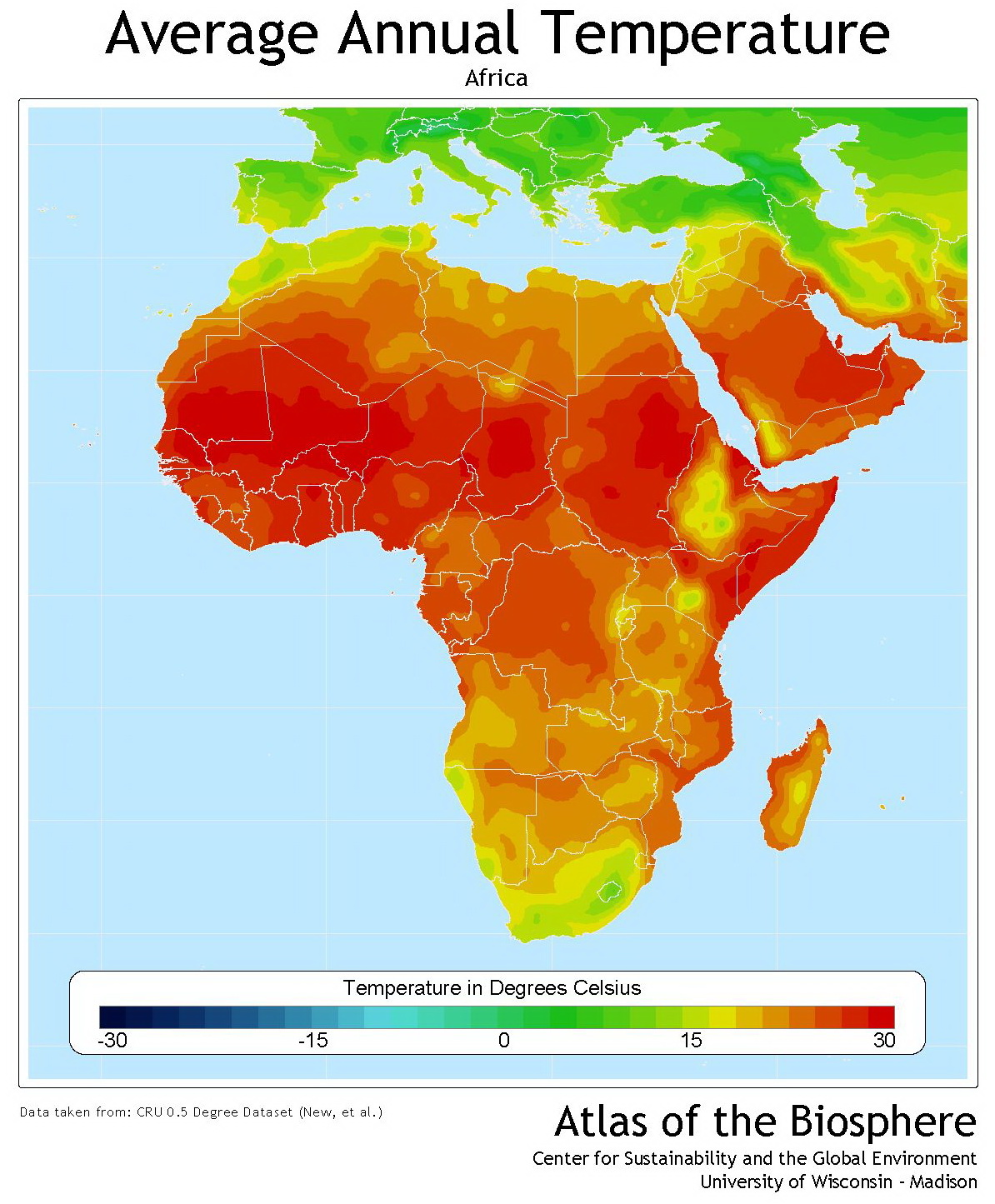
One of the most significant but often overlooked challenges is rising urban temperatures. As trees are removed to make way for roads, buildings, and infrastructure, many African cities are becoming hotter. Urban heat affects public health, energy consumption, water availability, and overall comfort for residents and visitors alike.
Trees play a critical role in regulating temperatures in urban environments. They provide shade, improve air quality, reduce surface temperatures, and contribute to healthier and more livable cities. Understanding how trees influence urban climates is essential as African cities continue to develop.
Why African Cities Are Becoming Hotter
Rapid urbanization has led to significant changes in land use across Africa. Natural landscapes are increasingly being replaced by concrete buildings, asphalt roads, and paved surfaces that absorb and retain heat.
These materials store heat during the day and release it slowly at night, making cities considerably warmer than surrounding rural areas. This phenomenon is commonly known as the urban heat island effect.
In many African cities, limited urban planning and declining tree cover have accelerated this problem. Neighborhoods with fewer trees often experience noticeably higher temperatures than areas with abundant green spaces.
Trees Provide Natural Shade
The most obvious way trees regulate temperature is through shading. Large tree canopies block direct sunlight from reaching buildings, roads, and sidewalks.
Shaded surfaces can remain significantly cooler than those exposed to the sun throughout the day. Walking beneath a mature tree on a hot afternoon immediately demonstrates the cooling effect that vegetation provides.
Trees planted along streets, around schools, hospitals, and residential areas help create more comfortable environments for people. They can reduce indoor temperatures in nearby buildings by limiting the amount of heat absorbed through walls and roofs.
This natural shading is particularly valuable in cities that experience prolonged periods of high temperatures.
Trees Cool the Air Through Transpiration
Trees do more than provide shade. They actively cool the surrounding air through a process known as transpiration.
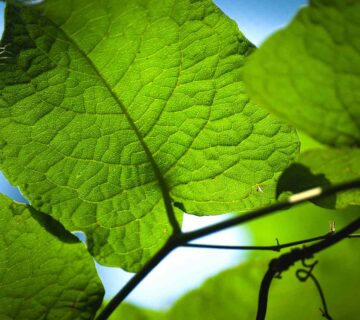
As trees absorb water through their roots, they release water vapor through tiny openings in their leaves. This process removes heat from the surrounding environment and contributes to lower air temperatures.
The cooling effect produced by groups of trees can significantly improve outdoor comfort in urban settings. Parks and green corridors often feel cooler than heavily built-up areas because of this natural process.
The more healthy trees a city maintains, the greater its ability to moderate local temperatures.
Reducing the Urban Heat Island Effect
The urban heat island effect occurs when cities become warmer than nearby rural areas because of human activities and infrastructure.
Buildings, parking lots, and roads absorb large amounts of solar radiation during the day. At night, these surfaces continue releasing stored heat, preventing temperatures from falling significantly.
Urban trees help counteract this effect by shading heat-absorbing materials and increasing evaporative cooling. Neighborhoods with extensive tree cover often experience lower daytime temperatures and more comfortable evenings.
Expanding urban forests has become an important strategy for reducing heat stress in cities around the world, including those across Africa.
Lower Energy Consumption
Trees can also help reduce energy consumption.
Buildings surrounded by vegetation often require less artificial cooling during hot periods. Shade provided by trees reduces heat gain through windows and walls, lowering indoor temperatures naturally.
Although air conditioning remains limited in many African cities, electricity demand continues to increase. Strategic tree planting can contribute to more energy-efficient buildings and lower household cooling costs where air conditioning is used.
Even simple measures such as planting trees around homes, offices, and schools can produce noticeable benefits over time.
Improving Public Health
Rising urban temperatures present important public health concerns.
Heat can contribute to dehydration, fatigue, respiratory discomfort, and increased health risks for vulnerable populations, including young children and older adults. Extreme heat events are becoming more common in several African regions as climate patterns continue to change.
Trees provide cooler public spaces where people can gather, exercise, and commute more comfortably. Urban parks and tree-lined streets encourage outdoor activities while reducing heat exposure.
Cities with more green spaces are often better equipped to cope with periods of extreme heat.
Supporting Water Management
Urban trees also contribute to better water management.
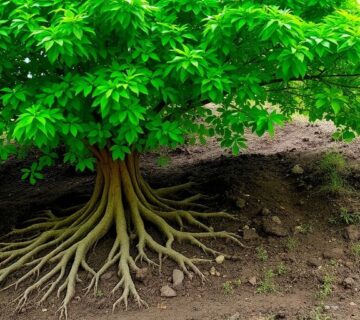
Their root systems improve soil structure and increase water infiltration during rainfall. Instead of water immediately running off paved surfaces and contributing to flooding, tree-covered areas help absorb and store moisture within the soil.
Healthier soils retain water for longer periods, which supports both vegetation and urban cooling.
In regions that experience alternating droughts and heavy rainfall, maintaining urban tree cover can provide multiple environmental benefits simultaneously.
Trees Improve Air Quality
High temperatures can worsen air pollution in densely populated urban areas.
Trees help improve air quality by capturing dust particles and absorbing certain pollutants from the atmosphere. Cleaner air contributes to healthier living conditions for city residents.
Although trees are not a complete solution to air pollution, they play an important supporting role within broader environmental management strategies.
Urban forests therefore provide benefits that extend well beyond temperature regulation alone.
Economic Benefits of Urban Trees
Investing in urban tree planting can generate significant economic returns.
Cooler cities are generally more comfortable for residents, workers, and tourists. Attractive green spaces can increase property values, encourage tourism, and improve the overall appearance of urban environments.
Tree planting programs also create employment opportunities in nursery management, landscaping, environmental conservation, and urban planning.
For rapidly growing African cities, urban forestry represents both an environmental and economic investment.
Challenges Facing Urban Tree Cover in Africa
Despite their benefits, urban trees face numerous challenges.
Rapid infrastructure development frequently results in the removal of mature trees without adequate replacement plans. Limited funding for urban green projects can further hinder conservation efforts.
Poor species selection sometimes leads to maintenance problems or low survival rates for newly planted trees. Successful urban forestry programs require proper planning, regular maintenance, and community participation.
Protecting existing mature trees is often just as important as planting new ones.
Choosing the Right Tree Species
Not every tree is suitable for urban environments.
Native species are often better adapted to local climates and typically require less maintenance once established. Urban planners should consider factors such as root systems, growth rates, drought tolerance, and canopy size when selecting species for planting.
Well-planned urban tree programs can maximize environmental benefits while minimizing potential conflicts with infrastructure.
In many African cities, indigenous tree species can provide both ecological and cultural value while supporting local biodiversity.
Community Involvement Matters
Urban tree conservation is most successful when local communities are involved.
Residents can contribute by planting trees in schools, homes, places of worship, and public spaces. Community-based tree planting initiatives often encourage long-term stewardship and environmental awareness.
Educational programs that explain the environmental and health benefits of trees can help increase public support for urban greening projects.
Small efforts at the neighborhood level can collectively make a significant difference across an entire city.
The Future of Cooler African Cities
Africa’s urban population is expected to continue growing rapidly over the coming decades. Without adequate green infrastructure, rising temperatures may become an increasingly serious challenge for many cities.
Trees provide one of the simplest, most cost-effective, and sustainable solutions available. They cool neighborhoods naturally, improve public health, support biodiversity, and contribute to more resilient urban environments.
Protecting existing trees while expanding urban forests should be a priority for city planners, policymakers, and communities alike. Every tree planted today can help create cooler, healthier, and more sustainable African cities for future generations.