
Reading Safari Reviews: How to Spot Real Experiences and Paid Posts
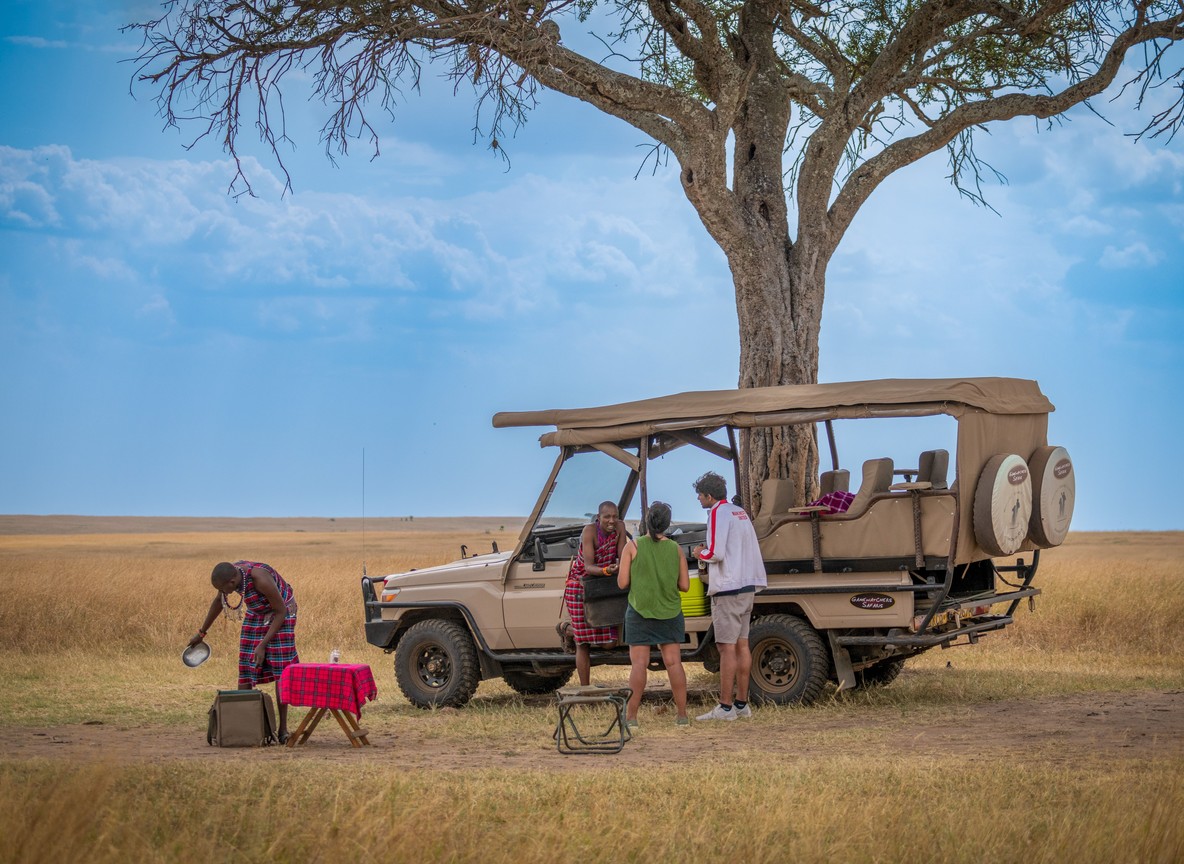
Reading safari reviews is one of the most important steps when choosing a tour operator for an African wildlife holiday. Whether planning gorilla trekking in Uganda, a Maasai Mara safari in Kenya or a Serengeti adventure in Tanzania, genuine traveller feedback can reveal useful information about service quality, accommodation, guides and overall reliability.
However, not every online review reflects an independent customer experience. Some companies use sponsored testimonials, offer incentives for positive feedback or publish misleading recommendations to attract bookings.
Other reviews may be written by competitors, automated accounts or people who have never travelled with the company.
Learning to recognise authentic safari experiences helps travellers make informed decisions, avoid disappointment and protect their holiday budgets.
Why Are Safari Reviews Important?
African safaris often involve substantial financial commitments. Travellers may pay deposits months before departure and rely on operators to arrange accommodation, transport and wildlife permits.
Reviews provide insights that advertisements may not reveal.
What Safari Reviews Can Tell You
| Review detail | Why it matters |
|---|---|
| Driver-guide experience | Indicates guiding quality |
| Vehicle condition | Helps assess comfort and reliability |
| Accommodation | Reveals actual lodging standards |
| Communication | Shows booking professionalism |
| Wildlife activities | Explains what guests experienced |
| Payment handling | Identifies transparency |
| Problem resolution | Shows how companies respond to difficulties |
Reviews are valuable evidence, but they should never replace independent business verification.
What Makes a Safari Review Genuine?
Authentic reviews usually describe specific experiences rather than relying entirely on general praise.
A traveller might mention visiting Bwindi Impenetrable National Park, staying near Buhoma or travelling through Queen Elizabeth National Park.
Detailed observations about transport, meals, guiding and unexpected challenges can make feedback more useful.
However, genuine reviews can also be short, while fabricated reviews may contain convincing details.
No single feature proves authenticity.
Look for Specific Travel Details
Real travellers often remember distinctive moments from their journeys.
These might include seeing lions near the Mara River, experiencing rainfall during a gorilla trek or enjoying an early morning game drive.
Comparing Review Styles
| Less informative review | More informative review |
|---|---|
| Amazing safari company | Our guide explained elephant behaviour in Amboseli |
| Best holiday ever | The vehicle was comfortable during our six-day journey |
| Everything was perfect | The lodge changed because of road flooding |
| Highly recommended | The operator arranged our delayed airport transfer |
Detailed reviews are generally more helpful for evaluating what a company actually delivered.
Beware of Repeated Wording
A collection of reviews using nearly identical language may deserve closer examination.
For example, several accounts might describe a company as offering an unforgettable experience with exceptional service using exactly the same phrases.
This could indicate coordinated promotion or simply reflect common expressions.
Warning Signs
Look for repeated sentences, identical formatting, unnatural wording and reviews that promote the same selling points without personal observations.
Consider patterns across multiple reviews rather than judging one contribution.
Check the Reviewer’s History
Some review platforms allow visitors to examine a reviewer’s previous contributions.
A profile containing feedback about hotels, restaurants and attractions from different journeys may provide useful context.
However, a first-time reviewer is not automatically suspicious.
Many travellers create accounts specifically to describe an important holiday.
Reviewer Profile Checklist
| Feature | What to consider |
|---|---|
| Previous reviews | Shows broader participation |
| Travel history | May support credibility |
| Review dates | Helps establish timing |
| Personal details | Useful but not proof |
| Similar wording | May indicate coordination |
| Only one review | Requires context, not automatic rejection |
Avoid assuming that a reviewer must share personal photographs or identifying information to be credible.
Understand Sponsored and Incentivised Reviews
A sponsored review involves compensation or another benefit connected to publishing content.
For example, a travel creator may receive discounted accommodation, free activities or payment in exchange for promotional coverage.
Sponsored experiences are not necessarily dishonest.
The important issue is whether the relationship is clearly disclosed and whether the reviewer provides an accurate account.
Types of Promotional Content
| Content | What travellers should know |
|---|---|
| Paid partnership | Reviewer receives compensation |
| Complimentary safari | Services provided without normal payment |
| Discounted trip | Traveller receives a special rate |
| Affiliate promotion | Publisher may earn commission |
| Ordinary customer review | No disclosed promotional arrangement |
Even disclosed promotions should be evaluated carefully because incentives may influence opinions.
Watch for Sudden Review Surges
A company receiving many reviews within a short period may attract attention.
Sometimes this reflects a legitimate group tour, seasonal demand or a campaign encouraging customers to leave feedback.
Other times, unusual patterns can suggest manipulated ratings.
Examine whether reviews describe different itineraries and travel dates.
A sudden increase alone does not establish wrongdoing.
Read Negative Reviews Carefully
Negative feedback can reveal important problems, but it should be interpreted fairly.
Some complaints involve circumstances beyond an operator’s control, such as extreme weather or unexpected park closures.
Others may indicate poor planning or misleading promises.
Complaints Worth Investigating
| Complaint | Why it matters |
|---|---|
| Missing permits | May indicate serious booking failures |
| Unsafe vehicles | Raises safety concerns |
| Unexpected charges | Suggests unclear pricing |
| Unconfirmed accommodation | Indicates reservation problems |
| Poor communication | May affect emergency support |
| Unpaid refunds | Requires further investigation |
Look for recurring problems across independent travellers.
How Safari Operators Respond to Complaints
A company’s response to criticism can reveal its customer service approach.
Professional operators usually acknowledge concerns, explain relevant circumstances and offer appropriate solutions.
Responses should remain respectful even when the company disagrees with a reviewer.
Be cautious when an operator repeatedly insults customers, reveals private information or refuses to address specific complaints.
Compare Reviews Across Different Sources
Do not rely entirely on one review platform.
Compare feedback across recognised travel review services, accommodation platforms and independent travel discussions.
Different sources may reveal different perspectives.
Cross-Checking Reviews
| Source | Useful information |
|---|---|
| Travel review platforms | Overall customer experiences |
| Independent travel forums | Detailed trip discussions |
| Accommodation reviews | Lodge quality |
| Social media | Recent traveller experiences |
| Specialist safari platforms | Itinerary and operator comparisons |
An operator with consistent, detailed feedback across several sources may inspire greater confidence than one relying entirely on a single promotional page.
Verify the Safari Operator Separately
Positive reviews do not establish that a safari company is legally authorised.
Travellers should check licensing through relevant tourism authorities.
In Uganda, tour operators are regulated by the Uganda Tourism Board.
Kenya uses the Tourism Regulatory Authority, while Tanzania has its own tourism licensing arrangements.
Business registration, licence validity and verified payment details should be checked before sending deposits.
Ask Reviewers Useful Questions
Some platforms allow prospective travellers to contact reviewers or participate in public discussions.
When available, this can help clarify important details.
Ask about vehicle conditions, accommodation accuracy, guiding quality and whether additional charges appeared during the trip.
Avoid requesting private financial information or personal documents.
Respect reviewers who prefer not to respond.
Can Artificial Intelligence Create Fake Safari Reviews?
Yes. Artificial intelligence can produce convincing descriptions of wildlife encounters, accommodation and guiding experiences.
However, polished writing alone does not indicate that a review was generated artificially.
Some genuine travellers write carefully, while others use translation or writing assistance.
Look instead for inconsistencies, repetitive details and claims that cannot be reasonably verified.
Check Whether Experiences Match the Itinerary
Reviews should broadly reflect activities the company actually offers.
For example, a review claiming to have seen mountain gorillas in Kenya would raise questions because wild mountain gorilla trekking takes place in Uganda, Rwanda and the Democratic Republic of Congo.
Likewise, a visitor describing a Serengeti game drive should not confuse it with an unrelated national park.
An occasional geographical mistake is possible, but repeated inaccuracies deserve attention.
Consider the Age of Reviews
Recent feedback helps travellers understand a company’s current performance.
Older reviews may describe different owners, guides, vehicles or accommodation arrangements.
Review Date Comparison
| Review age | How to interpret it |
|---|---|
| Last three months | Useful recent service information |
| Three–twelve months | Relevant operational feedback |
| One–three years | Helpful historical perspective |
| Older reviews | Less reliable for current conditions |
A combination of recent and historical feedback is usually more informative than a high rating based entirely on old experiences.
Do Five-Star Ratings Guarantee Quality?
No. A five-star average may look impressive, but the number, consistency and substance of reviews matter.
A business with several detailed reviews describing successful journeys may provide stronger evidence than one with hundreds of repetitive comments.
Similarly, a company with occasional reasonable complaints may still be reliable.
Read the actual experiences behind the rating.
What to Do Before Paying a Safari Deposit
Before committing money, combine review research with practical verification.
Confirm the operator’s legal identity and tourism licence.
Request a detailed itinerary showing accommodation, park fees, activities and transport.
Compare the payment beneficiary with the registered business or authorised payment agent.
Read cancellation and refund conditions carefully.
Keep copies of written communications.
A Simple Safari Review Evaluation Checklist
| Question | Positive indication |
|---|---|
| Are experiences specific? | Realistic itinerary details |
| Are reviews recent? | Current traveller feedback |
| Are different ratings represented? | Balanced customer experiences |
| Does feedback appear elsewhere? | Independent perspectives |
| Are paid relationships disclosed? | Greater transparency |
| Does the operator answer complaints? | Professional communication |
| Is the business licensed? | Independently verified authorisation |
| Are booking terms clear? | Written documentation |
No checklist can guarantee that every review is genuine, but combining these checks reduces reliance on potentially misleading recommendations.
Trust Evidence, Not Just Ratings
Reading safari reviews carefully can help travellers select reliable companies in Uganda, Kenya, Tanzania and other African destinations.
Genuine feedback often provides useful details about guides, wildlife activities, accommodation and unexpected challenges. Paid promotions can also be informative when relationships are clearly disclosed.
The safest approach is to compare independent reviews, examine recurring patterns and verify the operator before paying.
Choose a safari company based on consistent evidence, transparent communication and appropriate licensing—not simply the highest star rating.





No comment