
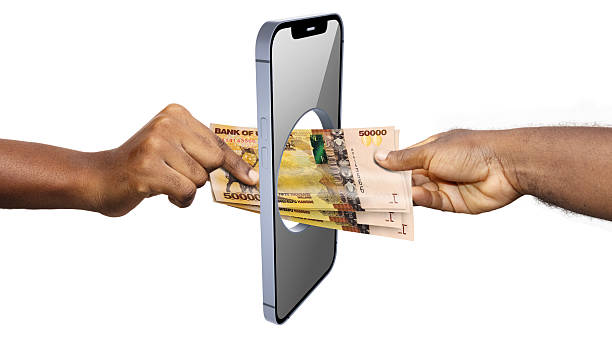
Paying a Safari Deposit From Abroad: Wire, Card and Mobile Money
Booking an African safari is an exciting experience, but paying a safari deposit from abroad can raise important questions about payment security, international bank transfers, credit cards and mobile money. Travellers planning wildlife holidays in Uganda, Kenya, Tanzania or Rwanda often need to pay part of their safari cost before arriving in Africa.
Safari operators commonly request advance deposits to confirm accommodation, reserve safari vehicles, arrange national park activities and secure specialist permits such as mountain gorilla trekking.
However, payment methods differ between companies and countries. Some operators accept international wire transfers, while others provide secure card payment facilities or approved mobile money arrangements.
Understanding how these methods work helps travellers avoid unnecessary bank charges, payment delays and online fraud.
This guide explains the main ways to pay an African safari deposit, how to verify payment details, what charges to expect and how to protect your money when booking from overseas.
Why Do Safari Operators Request Deposits?
Safari operators need to arrange several services before visitors arrive.
Accommodation providers may require advance payments to hold rooms. Gorilla trekking permits and selected wildlife activities must also be secured through official booking systems.
A deposit allows the operator to begin confirming these arrangements.
Common Reasons for Safari Deposits
| Expense | Why advance payment is needed |
|---|---|
| Safari accommodation | Reserve rooms or tents |
| Gorilla permits | Secure limited trekking places |
| Chimpanzee permits | Confirm activity reservations |
| Domestic flights | Purchase scheduled tickets |
| Safari vehicle | Reserve transport |
| Specialist activities | Confirm guides and services |
| Park arrangements | Organise applicable permits and bookings |
Not every expense is necessarily paid immediately. The operator should explain what your deposit covers.
How Much Is a Typical Safari Deposit?
Deposit requirements differ between safari operators.
Some companies request approximately 20–30% of the total package cost, while others require 40–50% or more.
Trips involving expensive permits or non-refundable accommodation may require larger advance payments.
Illustrative Safari Deposit Arrangements
| Safari package | Example deposit percentage | Deposit amount |
|---|---|---|
| $1,500 | 30% | $450 |
| $2,500 | 30% | $750 |
| $3,000 | 40% | $1,200 |
| $4,000 | 50% | $2,000 |
| $5,000 | 30% | $1,500 |
These are mathematical examples rather than compulsory deposit rates.
Always confirm the company’s deposit policy, cancellation terms and balance payment deadline before transferring money.
Main Ways to Pay a Safari Deposit From Abroad
International travellers commonly use three payment methods.
Safari Deposit Payment Comparison
| Payment method | Main advantage | Main consideration |
|---|---|---|
| International bank wire | Suitable for large payments | Bank fees and transfer delays |
| Credit or debit card | Convenient and often quick | Processing and currency charges |
| Mobile money | Useful for supported payment routes | Verification and transaction limits |
The most appropriate option depends on the sender’s country, the operator’s payment facilities and the amount involved.
Paying a Safari Deposit by International Bank Wire
An international bank wire transfers money directly from the traveller’s bank account to the safari company’s bank account.
This method is commonly used for substantial safari payments.
How an International Wire Transfer Works
The safari operator provides an invoice and official banking instructions.
The traveller uses their bank’s international transfer service to send the deposit.
The receiving bank processes the payment and credits the beneficiary’s account.
The operator then confirms receipt and issues an acknowledgement.
Information Required for a Bank Transfer
| Information | Purpose |
|---|---|
| Beneficiary name | Identifies the account holder |
| Bank name | Identifies the receiving institution |
| Account number | Directs the payment |
| SWIFT/BIC code | Identifies the receiving bank |
| Bank address | May be required |
| IBAN | Required for some international accounts |
| Payment reference | Matches payment to booking |
| Transfer currency | Determines settlement arrangements |
Not every African bank account uses an IBAN. Follow the receiving bank’s exact instructions.
Advantages of Paying by Bank Wire
International bank transfers are often practical for large safari deposits.
They allow travellers to retain payment records and generally support higher transaction amounts than some mobile payment methods.
However, transfer rules depend on the participating banks.
Disadvantages of Bank Transfers
International wires may take several business days.
Intermediary banks can deduct charges.
Currency conversion may affect the amount received.
Transfers can also be difficult to reverse after settlement.
Because bank wires generally offer limited consumer dispute protection compared with eligible card payments, verifying the receiving company is particularly important.
Understanding International Bank Transfer Charges
A traveller may face more than one fee when sending money abroad.
Common Transfer Charges
| Charge | Explanation |
|---|---|
| Sending bank fee | Charged by the traveller’s bank |
| Intermediary bank fee | Charged by a bank processing the transfer |
| Receiving bank fee | Charged by the safari operator’s bank |
| Currency conversion | Cost of exchanging currencies |
| Transfer amendment | Possible charge for correcting details |
Some banks offer different arrangements for who pays the transfer charges.
Ask the operator whether the full invoice amount must arrive in its account.
Paying a Safari Deposit by Credit or Debit Card
Card payments are convenient for travellers who prefer to complete bookings electronically.
Some safari companies provide secure payment pages through authorised payment processors.
Others issue invoices containing a protected card payment facility.
Advantages of Card Payments
Card payments can be authorised quickly.
Travellers receive electronic transaction records.
Some eligible credit-card payments offer additional dispute procedures if services are not delivered.
The exact protections depend on the card issuer, country and payment circumstances.
Important Card Payment Precautions
Use an established payment processor.
Check that the payment page belongs to the intended business or its authorised provider.
Never send your card PIN or one-time verification code to an operator.
Avoid sharing complete card details through ordinary email or messaging services.
Keep payment receipts and booking confirmations.
Do Safari Operators Charge Extra for Card Payments?
Some operators pass on payment processing costs where permitted by their payment provider and applicable laws.
Others include these expenses in their advertised prices.
Example of Card Processing Costs
| Safari deposit | Illustrative 3% fee | Total |
|---|---|---|
| $500 | $15 | $515 |
| $1,000 | $30 | $1,030 |
| $1,500 | $45 | $1,545 |
| $2,000 | $60 | $2,060 |
These are examples, not standard card-processing rates. Card surcharging is restricted or prohibited in some jurisdictions, so operators must follow applicable rules.
Request the final payable amount before completing the transaction.
Understanding Currency Conversion
Safari prices are frequently advertised in US dollars.
However, travellers may hold bank accounts in British pounds, euros, Canadian dollars or other currencies.
When making an international payment, the bank or payment provider may convert the amount.
Currency Conversion Considerations
| Issue | What to check |
|---|---|
| Invoice currency | USD or another agreed currency |
| Exchange rate | Rate applied by the provider |
| Conversion charges | Any additional markup |
| Settlement amount | Amount the operator receives |
| Refund currency | Currency used if money is returned |
Where a card payment offers a choice of currency conversion methods, compare the displayed rates and charges before accepting.
Paying a Safari Deposit Through Mobile Money
Mobile money is widely used in several East African countries.
Services include MTN Mobile Money, Airtel Money and M-Pesa.
These systems allow eligible users to send and receive payments using supported mobile financial accounts.
International transfers are also possible through selected remittance partners and payment providers.
Mobile Money Services in East Africa
| Country | Common service examples |
|---|---|
| Uganda | MTN MoMo and Airtel Money |
| Kenya | M-Pesa and Airtel Money |
| Tanzania | M-Pesa, Airtel Money and Mixx by Yas |
| Rwanda | MTN Mobile Money and Airtel Money |
Availability for international safari deposits depends on the particular service, country pair, account type and merchant arrangements.
Can You Send Mobile Money From Europe or America?
In some cases, yes.
International money transfer companies support payments into selected East African mobile wallets.
For example, eligible transfers from overseas can reach supported Ugandan MTN MoMo accounts.
However, not every international remittance service permits commercial payments, and not every mobile wallet is appropriate for receiving safari bookings.
Travellers should confirm that the payment route supports legitimate business transactions.
Is Mobile Money Safe for Safari Deposits?
Mobile money can be useful when payment details are verified and the recipient is an authorised merchant.
However, sending money to an unfamiliar personal wallet presents risks.
Mobile Money Safety Checklist
| Check | Recommended action |
|---|---|
| Recipient identity | Confirm registered business or merchant name |
| Wallet number | Verify independently |
| Payment purpose | Include booking reference where supported |
| Transaction limits | Confirm maximum transfer amount |
| Currency conversion | Check the final amount |
| Receipt | Keep official transaction confirmation |
| Business documentation | Request invoice and receipt |
For substantial international safari payments, a verified business bank account or established merchant payment service may provide a clearer audit trail than an unverified personal mobile wallet.
How to Verify a Safari Company Before Paying
Verifying the operator is one of the most important steps in booking a safari abroad.
Fraudulent travel advertisements and impersonation schemes do occur.
Some scammers copy photographs, names and promotional material from genuine safari businesses.
Safari Operator Verification Checklist
| Verification | Why it matters |
|---|---|
| Business registration | Confirms legal business identity |
| Tourism licence | Supports operator legitimacy |
| Business bank account | Helps verify payment beneficiary |
| Written itinerary | Establishes promised services |
| Accommodation details | Allows independent confirmation |
| Payment terms | Explains deposits and refunds |
| Independent reviews | Provides additional background |
| Established contact details | Helps identify impersonation |
For Uganda safaris, travellers can check relevant tourism registration or licensing information with the Uganda Tourism Board.
Registration alone does not guarantee a successful trip, but it is an important part of due diligence.
Beware of Fake Safari Payment Instructions
Scammers sometimes impersonate genuine safari operators.
One common tactic involves sending revised bank details shortly before a deposit is due.
Warning Signs
Be cautious if a company suddenly asks you to pay a different account.
Other concerns include pressure to transfer money immediately, unusually low prices and requests to pay an unrelated individual.
Never rely only on a message claiming that banking details have changed.
Contact the operator through a previously verified telephone number or other independent channel before sending funds.
What Should a Safari Invoice Include?
A professional safari company should provide a clear invoice before collecting payment.
Recommended Safari Invoice Details
| Invoice field | Information |
|---|---|
| Company name | Registered business identity |
| Client name | Traveller or booking contact |
| Invoice number | Unique payment reference |
| Safari dates | Confirmed travel period |
| Destination | Countries and parks |
| Package total | Full agreed price |
| Deposit | Required advance payment |
| Balance | Remaining amount |
| Payment deadline | Due date |
| Payment instructions | Verified beneficiary details |
| Terms | Cancellation and refund conditions |
The invoice should match the agreed safari quotation.
What Happens After Paying a Safari Deposit?
Once payment reaches the operator, the company should acknowledge receipt.
It can then proceed with the arrangements covered by the booking agreement.
Expected Booking Documents
Travellers may receive a deposit receipt, updated invoice, accommodation confirmations and permit information.
Some services require additional processing time.
A bank transfer confirmation proves that a payment was initiated or processed, but it does not always prove the receiving company has obtained cleared funds.
Ask the operator to confirm receipt.
When Should You Pay the Safari Balance?
Safari operators use different balance payment schedules.
Some request final payment 30 days before arrival, while others require settlement 45–60 days before departure or according to supplier deadlines.
Example Payment Schedule
| Stage | Example arrangement |
|---|---|
| Initial quotation | Review without payment |
| Booking confirmation | Pay agreed deposit |
| Permit reservations | Operator confirms availability |
| Before departure | Pay remaining balance by agreed deadline |
| After final payment | Receive updated receipt and confirmations |
Your written contract should determine the actual payment dates.
Are Safari Deposits Refundable?
Refund policies vary between operators and suppliers.
Some deposits are partially refundable if cancellation occurs sufficiently early.
Others may include non-refundable permit, ticket or accommodation costs.
Questions About Refunds
Before paying, establish what happens if you cancel the trip, the operator cancels it or an activity becomes unavailable.
Ask whether administrative deductions apply and whether refunds return through the original payment method.
Also confirm how exchange-rate differences and bank charges are handled.
Do not assume that paying by card guarantees a refund.
Paying for Gorilla Trekking Safaris
Gorilla trekking requires special attention because permits are limited and often involve substantial advance costs.
Uganda and Rwanda operate regulated gorilla trekking programmes.
Before Paying for Gorilla Permits
Confirm the intended trekking date.
Ask the operator to verify permit availability.
Understand the applicable cancellation policy.
Request confirmation after the permit has been secured.
Do not send money to anyone claiming to represent a wildlife authority without verifying the payment arrangement.
Wire Transfer vs Card vs Mobile Money: Which Is Best?
The most suitable payment method depends on your circumstances.
Final Payment Method Comparison
| Factor | Bank wire | Card | Mobile money |
|---|---|---|---|
| Suitable for large payments | Often | Depends on limits | Depends on limits |
| Speed | Usually slower | Often quick | Often quick |
| Currency conversion | Possible | Possible | Possible |
| Transaction fees | Variable | Variable | Variable |
| Dispute options | Often limited | May offer card dispute procedures | Provider-dependent |
| Business verification | Essential | Essential | Essential |
| Availability | Broad | Merchant-dependent | Route-dependent |
For larger deposits, a verified business bank transfer or secure merchant card payment is often practical.
Mobile money is useful when the business recipient and international payment channel are clearly established.
Frequently Asked Questions
Can I Pay My Uganda Safari Deposit From the United Kingdom?
Yes. Many Uganda safari operators accept international bank transfers or payments through supported card processors. Available methods depend on the operator.
Is It Safe to Pay a Safari Deposit Before Arriving in Africa?
Advance deposits are normal in safari tourism. Safety depends on verifying the operator, confirming the recipient and understanding the booking agreement.
Should I Send Money to a Safari Guide’s Personal Account?
It is generally safer to use an independently verified business payment channel. A personal account should not be accepted without a clear, documented reason and appropriate verification.
How Long Does an International Safari Payment Take?
Card authorisation may happen quickly, while bank transfers can take several business days. International mobile money transfers vary by provider.
Can I Pay My Entire Safari Cost at Once?
Some operators accept full advance payment. However, travellers should understand the cancellation policy and supplier commitments before doing so.
Paying Your Safari Deposit Safely
Paying a safari deposit from abroad should be a straightforward part of preparing for an African holiday.
International bank transfers are useful for substantial payments, while credit and debit cards provide convenience and may offer additional dispute protections. Mobile money can also be practical when supported through verified business payment arrangements.
The most important consideration is not simply choosing the fastest payment method. It is ensuring that the money reaches the correct operator under clearly agreed terms.
Before sending any safari deposit, verify the business, review the invoice, confirm the payment details independently and understand the cancellation conditions.
With careful preparation, travellers can secure their safari arrangements confidently and focus on the exciting wildlife experiences awaiting them in East Africa.


No comment