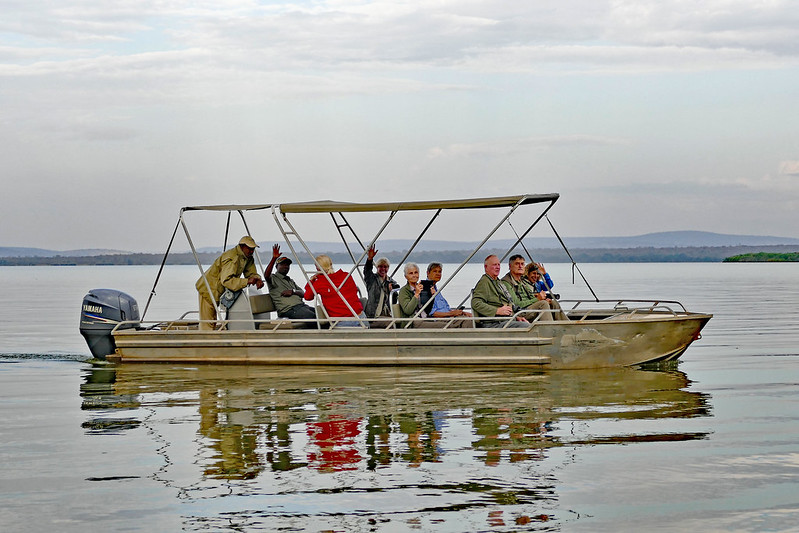
When embarking on an adventure safari in Tanzania, proper attire plays a crucial role in ensuring comfort and safety throughout your journey. With the right clothing choices, you can fully immerse yourself in the awe-inspiring landscapes and diverse wildlife that this East African gem has to offer.
Africa safaris are known for their unpredictable weather conditions, so it is essential to pack accordingly. Lightweight, breathable fabrics are recommended to combat the heat during the day, while also providing protection from the sun’s rays. Opt for loose-fitting long-sleeved shirts and pants made from materials such as cotton or linen.
In terms of footwear, comfortable closed-toe shoes or hiking boots are a must. They provide stability and protect your feet from uneven terrain and potential encounters with wildlife. It is also advisable to bring a pair of sandals for relaxation moments at your accommodation.
To further shield yourself from the elements, don’t forget essentials like a wide-brimmed hat or cap to shield your face and neck from direct sunlight. Sunglasses with UV protection will not only enhance your viewing experience but also safeguard your eyes from harmful rays.
Additionally, considering layering options is wise as temperatures can drop significantly during early morning game drives or in higher-altitude regions such as Ngorongoro Crater. A lightweight jacket or fleece will come in handy to keep you warm during these cooler periods.
Lastly, always carry insect repellent to fend off mosquitoes and other insects commonly found in Tanzania’s safari areas. This precautionary measure will help protect you against diseases like malaria.
By following these safari tips and packing appropriate clothing for Tanzania adventure safaris, you’ll be well-prepared for an unforgettable journey through this captivating country’s remarkable landscapes and remarkable wildlife encounters.
Color Matters More Than You’d Think
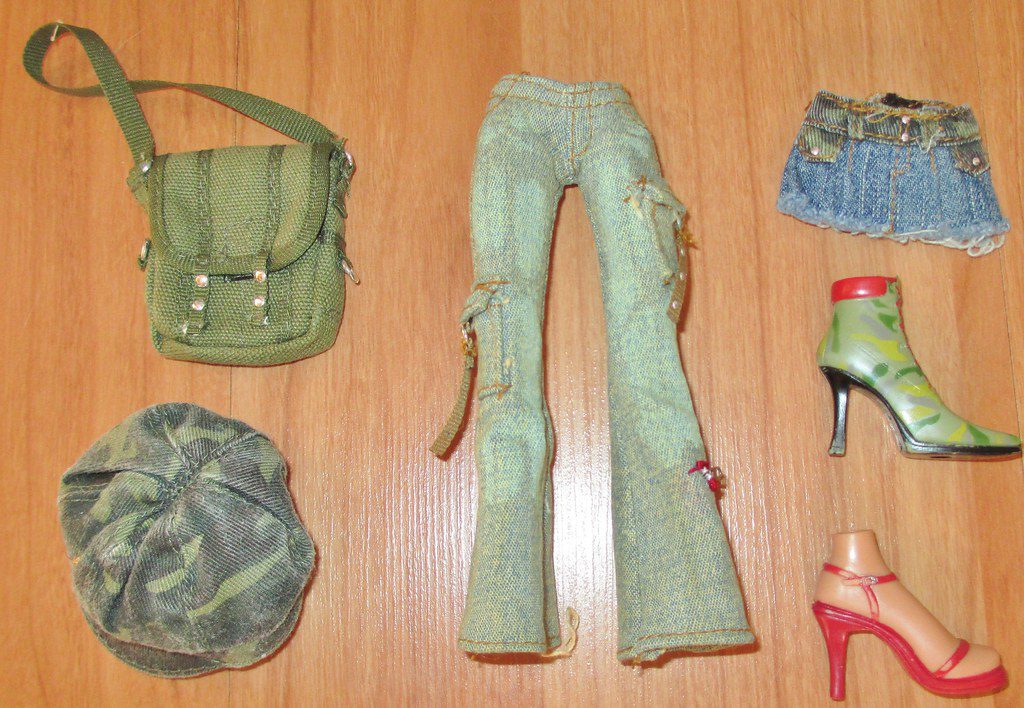
Stick to neutral, muted tones, khaki, olive, beige, and light brown blend into the bush and are less likely to draw the attention of biting insects than bright colors or pure white, which shows dust quickly. Dark blue and black are worth avoiding specifically in tsetse fly areas, as both colors are known to attract them. Camouflage-patterned clothing is best left at home too, since several countries, including Tanzania, restrict it for civilian use.
Packing for Different Parts of Your Trip
If your Tanzania itinerary includes the Ngorongoro Crater highlands or an early wildebeest-migration river crossing, pack a warmer layer than you’d expect, dawn temperatures at altitude can drop into the single digits Celsius even during the dry season. Travelers combining a mainland safari with a Zanzibar beach extension should pack swimwear and lightweight resort wear separately, so safari gear can stay packed away for the coastal leg of the trip.
A Practical Packing Checklist
Beyond clothing, a few extras make a real difference on safari: a lightweight daypack for camera gear and water on game drives, a reusable water bottle, a headlamp or torch for camps with limited lighting after dark, and a basic personal first-aid kit with any prescription medication you need. A dry bag or rain cover for electronics is worth having during Tanzania’s short and long rains, roughly November to December and March to May.
Laundry on Safari
Most camps and lodges offer next-day laundry service, which means you can realistically pack for four or five days rather than the full length of your trip. This is worth factoring in when deciding how much luggage to bring, especially if you’re on a multi-stop itinerary with strict internal-flight baggage weight limits.
Fabric and Fit: What Actually Works
Quick-drying synthetic blends or lightweight cotton perform better than heavy denim or thick cotton, which stay damp and uncomfortable if you get caught in a shower or simply sweat through a hot afternoon drive. Loose, breathable fits are more comfortable than tight athletic wear for long hours in a vehicle, and full-length sleeves and trousers, even in the heat, offer real protection against sun, thorny vegetation, and biting insects, which matters more on safari than it might on a beach holiday.
If Your Trip Includes Gorilla Trekking
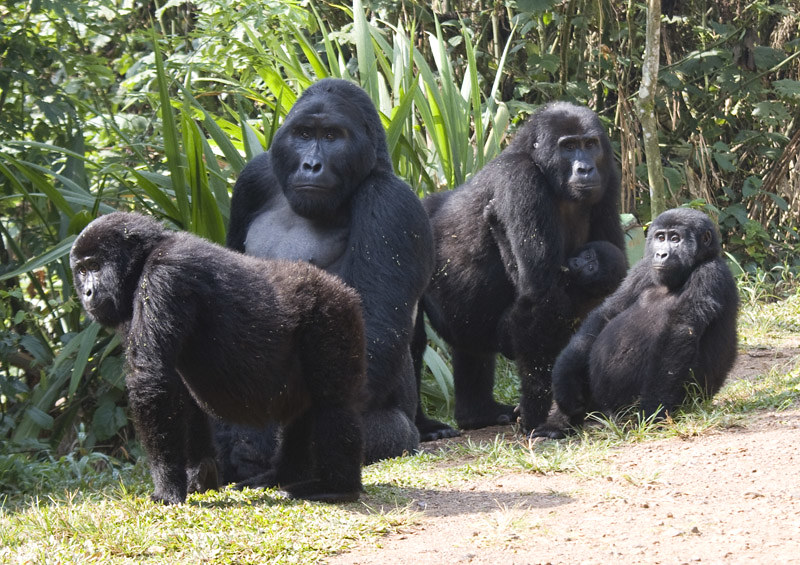
A standard Tanzania game-drive wardrobe isn’t quite enough if your itinerary extends into Uganda or Rwanda for gorilla trekking. That adds waterproof hiking boots with ankle support, gardening-style gloves for gripping vegetation on steep trails, and a proper rain jacket rather than a light layer, since forest weather at altitude is considerably less predictable than the savannah. If your trip combines both, it’s worth packing your trekking gear separately so it’s easy to access on trekking days without unpacking everything else.
Sun and Insect Protection Beyond Clothing
Clothing is only part of the equation. High-SPF sunscreen, lip balm with SPF, and after-sun lotion are worth packing since East Africa’s equatorial sun is stronger than most travelers expect, even on overcast days. For insects, a DEET-based repellent applied to exposed skin in the evenings, when mosquitoes are most active, complements permethrin-treated clothing if you have it, particularly useful in and around wetland or forested areas.
What Not to Pack
Leave camouflage-patterned clothing at home; it’s restricted for civilian use in Tanzania and several neighboring countries and can cause problems at customs. Bright white also isn’t practical, it shows dirt and dust within hours and offers no advantage over neutral tones. And while it’s tempting to over-pack “just in case,” most camps offer next-day laundry, so a smaller, well-chosen wardrobe genuinely goes further than a full suitcase.
Footwear: More Than Just Boots
Most game-drive days don’t require heavy hiking boots since you’re seated in a vehicle for the majority of the time, comfortable closed-toe trainers or lightweight walking shoes are usually enough, with sandals for evenings back at camp. Bush walks, guided nature trails, and forest excursions change that equation, calling for boots with better grip and ankle support. If your itinerary includes both game drives and any walking activity, a single pair of versatile, sturdy trainers often covers both needs without adding extra weight to your bag.
Accessories That Earn Their Space
Beyond clothing, a handful of accessories consistently prove useful: a buff or light scarf doubles as dust protection on windy game drives and sun protection for your neck, a compact pair of binoculars makes a genuine difference for distant sightings, and a portable charger keeps cameras and phones running through long days away from an outlet. Ziplock bags are worth packing too, useful for keeping dust off electronics and separating damp items in your daypack.
Packing for Different Trip Lengths
A shorter three- to five-day safari lets you pack lighter and lean on next-day laundry service to stretch a smaller wardrobe across the whole trip. Longer two-week itineraries that combine a Tanzania mainland safari with Zanzibar, or a wider East Africa route across multiple countries, are worth packing in a soft-sided duffel rather than a hard-shell suitcase, since domestic flights on light aircraft often restrict both bag type and weight, typically around 15 kilograms including hand luggage. Splitting your packing into a “safari” section and a “beach or city” section, even within one bag, makes it much easier to grab exactly what you need at each stop.
A Quick Reference Checklist
If you only remember a handful of items, prioritize these: two to three neutral-toned long-sleeved shirts, one warm layer for early mornings, a wide-brimmed hat, sunglasses, closed-toe shoes, insect repellent, and high-SPF sunscreen. Everything else, extra accessories, specific gear for activities like gorilla trekking or a beach extension, builds on top of that core list depending on your specific itinerary.
What Camps Typically Provide
Many lodges and camps supply a few items on-site, so it’s worth checking your itinerary before over-packing. Mosquito nets are standard at nearly every property, some camps stock insect repellent and basic toiletries, and a growing number offer reusable water bottles or filtered water stations to cut down on plastic waste. This doesn’t replace your own packing list, but it can lighten a bag that’s otherwise filling up fast with sun and insect protection.
Dressing for Camp Evenings
Evenings at camp call for a different register than daytime game drives, most properties have a relaxed, casual dress code for dinner, but a lightweight long-sleeved layer is worth having regardless, since insects tend to be more active after dark and temperatures drop quickly once the sun sets. A few upmarket lodges lean slightly more polished for dinner, though “polished” in a safari context still means casual by city standards, nobody expects formal wear in the bush.
Getting your safari wardrobe right isn’t complicated once you know the basics, neutral colors, breathable layers, and a handful of purpose-built accessories cover almost every situation you’ll encounter. Still unsure what to bring? Get in touch with All in Africa Safaris and we’ll tailor a packing list to your specific itinerary and travel dates.
Camera Gear and Clothing
If photography is a priority, a few clothing choices support your gear as much as your comfort: a jacket or vest with multiple pockets keeps memory cards, batteries, and lens cloths within reach without digging through a bag mid-sighting, and neutral tones again help here, a bright jacket sleeve in frame can ruin an otherwise perfect shot. A padded camera bag that fits easily in the vehicle, rather than a large backpack you have to stow, makes it much easier to react quickly when wildlife appears without warning, which on safari is most of the time.