Tanzania, located in the heart of East Africa, has some of the most diverse and compelling environments on the continent. Among its numerous natural treasures, the yearly Great Migration stands out as a breathtaking spectacle. Tanzania Migration Safaris provide visitors with an exceptional opportunity to observe this awe-inspiring spectacle, in which millions of wildebeest, zebras, and other creatures start on a risky migration in search of new pastures. In this post, we’ll explain what Tanzania Migration Safaris are, what to expect, and why they’re regarded as one of the world’s best wildlife shows in east Africa safaris.
What exactly is the Great Migration?
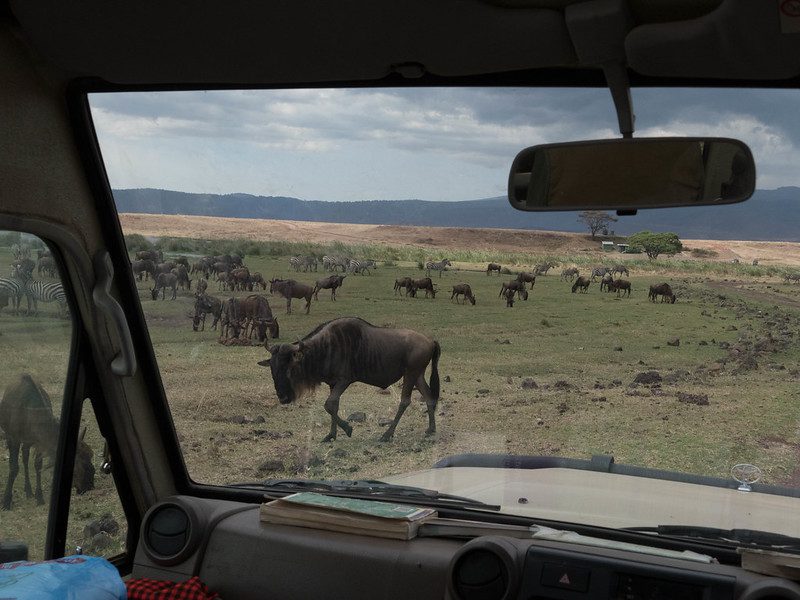
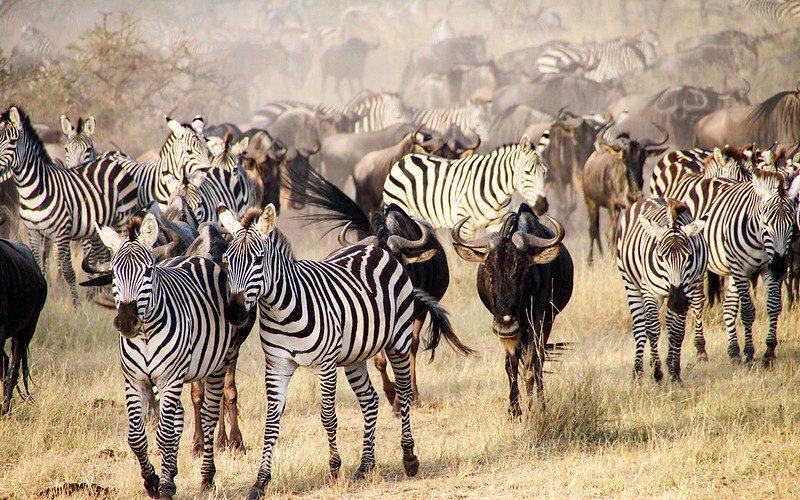
The Great Migration is a large, cyclical migration of species across East Africa’s vast savannahs and plains. Nearly two million wildebeest, hundreds of thousands of zebras, and numerous antelope species are involved. Throughout the year, these creatures migrate between Tanzania’s Serengeti National Park and Kenya’s Maasai Mara Reserve, covering a distance of approximately 1,000 kilometres, and many visitors have enjoyed this experience with our east africa safari packages.
The Migration’s Phases
Tanzania Migration Safaris offer a front-row seat to this remarkable journey, which unfolds in distinct phases.
Calving Season (December to March)
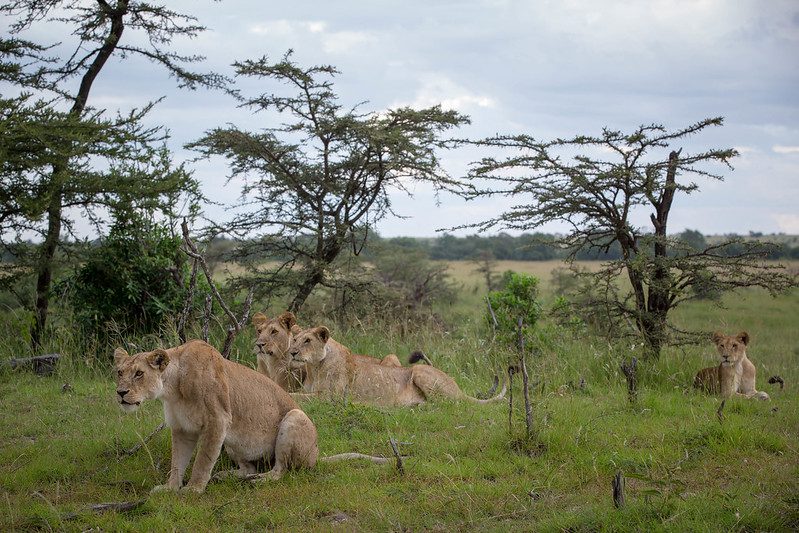
This phase begins in the southern Serengeti. It’s characterized by the birthing of hundreds of thousands of wildebeest calves, attracting predators like lions and cheetahs. The sight of newborns taking their first steps is both heartwarming and heart-wrenching.
Grumeti River Crossing (May to July)
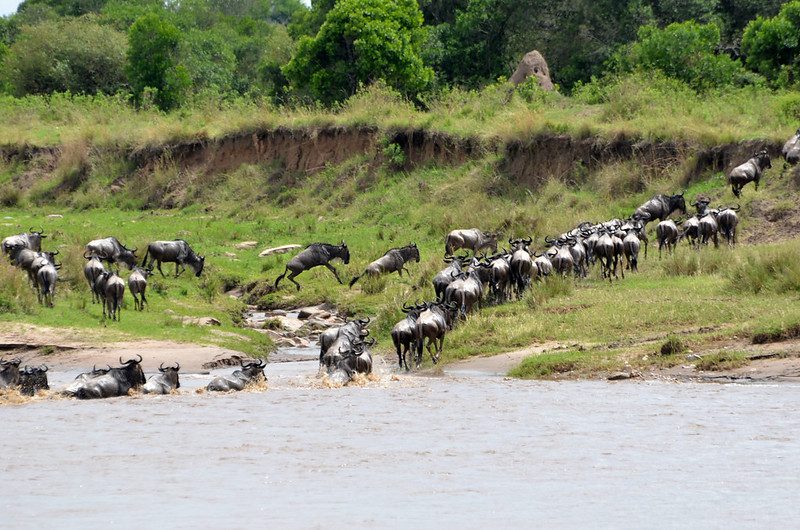
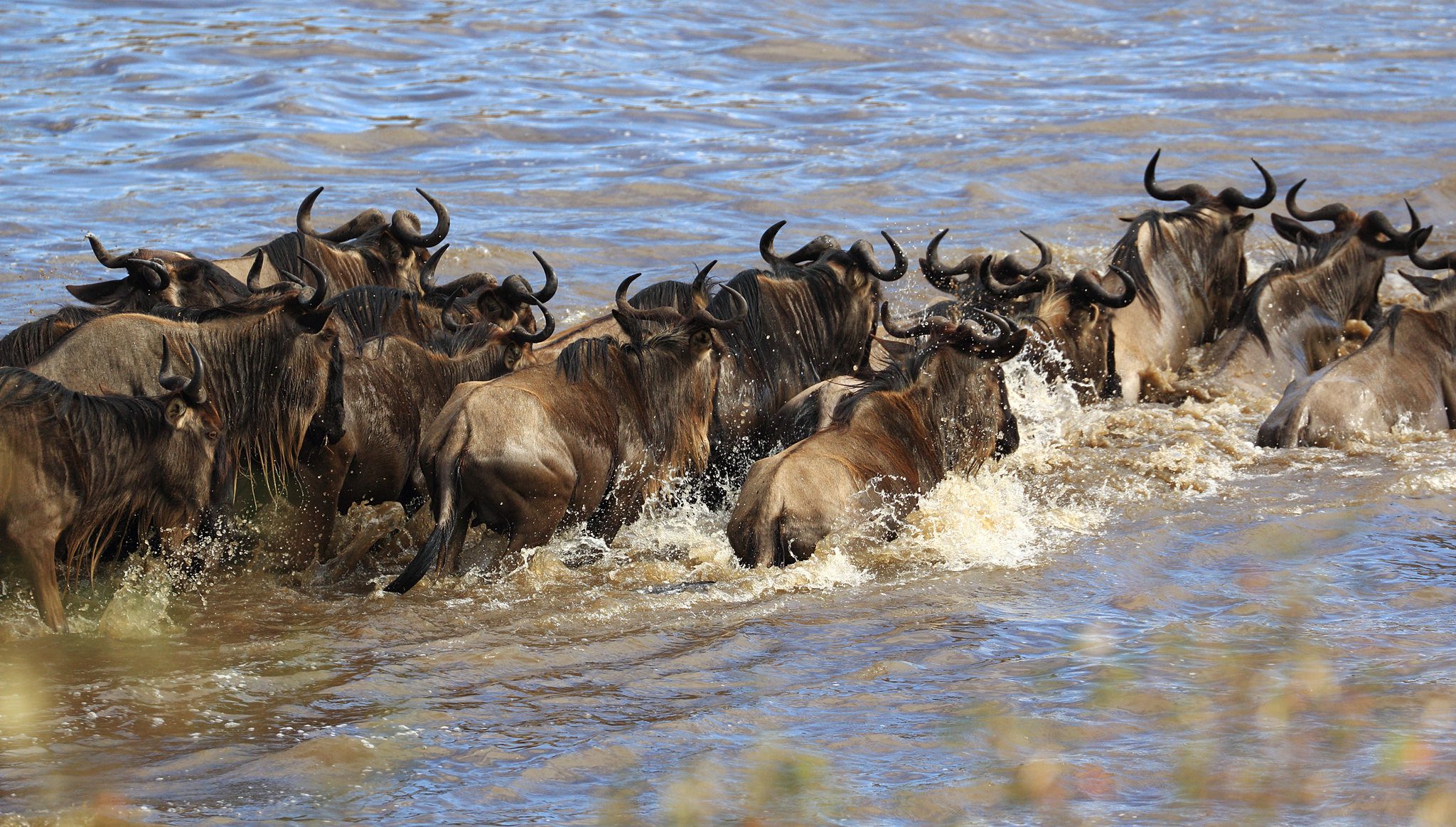
As the dry season approaches, the herds migrate northward. One of the most dramatic events is the river crossings at the Grumeti River, where crocodiles await their prey. The spectacle of thousands of animals braving the treacherous waters is both thrilling and perilous.
Mara River Crossing (August to November)
This is the climax of the Great Migration. Herds cross the Mara River into Kenya’s Maasai Mara Reserve, where they face not only turbulent waters but also hungry predators. The riverbanks become a battleground of life and death, with crocodiles, lions, and hyenas lurking nearby.
Why Choose Tanzania Migration Safaris?
Unforgettable Wildlife Encounters
Tanzania Migration Safaris offer a front-row seat to one of the most astonishing wildlife phenomena on the planet. The sheer number of animals and the dramatic river crossings provide unparalleled opportunities for wildlife photography and observation.
Stunning Landscapes
The Great Migration takes place in some of East Africa’s most breathtaking landscapes, from the endless Serengeti plains to the rugged beauty of the Maasai Mara. The backdrop for this wildlife spectacle is as captivating as the animals themselves.
Diverse Wildlife
While the Great Migration takes center stage, Tanzania’s national parks are home to an array of diverse wildlife, including the Big Five (lion, elephant, buffalo, leopard, and rhinoceros), cheetahs, giraffes, and more.
Cultural Experiences
Tanzania’s Maasai and other indigenous communities offer unique cultural experiences. Visitors can interact with local tribes, learn about their traditions, and gain insights into their way of life.
Tanzania Migration Safaris are typically conducted by experienced guides and tour operators who know the migration patterns, animal behavior, and the best viewing spots. They ensure your safety and maximize your chances of witnessing key moments of the Great Migration.
Why the Migration Draws Repeat Visitors
Because each phase of the migration offers such a distinctly different character, calving season’s tender newness versus the crossing season’s raw danger, many travelers return specifically to witness a phase they missed on a previous trip.
How a Tanzania Migration Safari Itinerary Typically Unfolds
A standard Tanzania Migration Safari begins with arrival in Arusha, followed by a scenic drive or short flight into the Serengeti ecosystem, where several days of guided game drives are timed around whichever migration phase coincides with your travel dates. All in Africa Safaris can build an itinerary specifically sequenced around the migration’s current location during your chosen travel window.
What Sets a Tanzania-Based Migration Safari Apart
Basing your migration safari in Tanzania’s Serengeti, rather than Kenya’s Maasai Mara, offers considerably more space and fewer vehicles per sighting given the Serengeti’s much larger overall area, a meaningful difference for travelers prioritizing a less crowded viewing experience.
Choosing Your Migration Safari Based on the Phase You Want to See
Travelers most interested in newborn wildlife and intense predator activity should target the December to March calving season, while those chasing the dramatic river crossings should plan for the Grumeti crossings in May to July or the climactic Mara crossings from August to November. Each phase delivers a genuinely different character of migration viewing, worth matching carefully to your specific interests.
Bringing the Right Photography Gear
A telephoto lens for distant action shots and a wider lens for capturing the herds’ sheer scale both earn their place in a migration safari camera bag, given how differently these two aspects of the spectacle photograph.
Where You Stay Matters as Much as When You Go
Since the migration’s location shifts throughout the year, choosing accommodation positioned near the herds’ current location, rather than a fixed camp that might sit far from the action during your visit, makes a considerable difference to your actual viewing experience. All in Africa Safaris tracks current migration positioning to recommend camps genuinely well-placed for your travel dates.
Balancing Migration Viewing With Rest Days
Even the most dedicated wildlife enthusiasts benefit from building in a quieter day or half-day within a longer migration safari, giving both body and attention a genuine break between intense early-morning and full-day game drives.
What Makes River Crossings So Unpredictable
Wildebeest herds can gather at a river crossing point for hours or even days before committing to cross, meaning even well-timed visits sometimes require patience, and experienced guides who understand herd behavior genuinely improve your odds of witnessing an actual crossing rather than simply a gathering. This unpredictability is part of what makes a successful crossing sighting feel so genuinely rewarding when it happens.
A Migration That Belongs on Every Wildlife Traveler’s List
Regardless of which phase you witness, the Great Migration’s status as one of the planet’s last great wildlife spectacles makes it a genuinely worthy centerpiece for any serious East African safari itinerary.
Extending Your Migration Safari Beyond the Serengeti
Many travelers pair their Serengeti migration viewing with a Ngorongoro Crater day trip, a Tarangire National Park stop, or a closing Zanzibar beach extension, rounding out a Tanzania Migration Safari with the country’s other signature destinations. All in Africa Safaris can sequence these additions into a single well-paced itinerary around your migration viewing.
Booking Timeline for a Migration Safari
Given how sought-after camps near prime migration viewing areas become, particularly during the July through October crossing season, booking six to twelve months in advance is genuinely advisable to secure well-positioned accommodation. All in Africa Safaris can monitor availability and confirm your preferred camps well ahead of peak demand.
The Migration’s Scale, Put in Perspective
Nearly two million animals moving together across a shared landscape represents one of the largest terrestrial animal movements left on Earth, a scale that photographs and descriptions genuinely struggle to convey until witnessed firsthand from a game vehicle in the middle of it. This sheer scale is precisely why the Great Migration consistently ranks among travelers’ most transformative wildlife experiences.
Predators That Follow the Migration
Lions, cheetahs, hyenas, and crocodiles all time their own behavior around the migration’s movement, meaning a Tanzania Migration Safari delivers exceptional predator sightings alongside the herds themselves, since predator concentration naturally follows wherever the largest numbers of prey animals gather. This predator-prey dynamic adds a layer of genuine drama beyond simply observing large herds.
Weather Conditions During Migration Season
Migration season generally coincides with Tanzania’s dry season, meaning warm days, cool mornings, and minimal rainfall, though the specific dry season timing shifts somewhat depending on which migration phase you’re targeting. Packing layered clothing handles the temperature swing between warm midday game drives and noticeably cooler early morning departures.
Hot Air Balloon Safaris Over the Migration
A sunrise hot air balloon flight over the Serengeti during migration season offers a genuinely unmatched aerial perspective on the herds’ scale, an experience many travelers rank among their single most memorable safari moments. All in Africa Safaris can add this activity to your migration safari as a signature highlight.
What Guides Do to Track the Migration Daily
Experienced camps maintain constant communication networks between guides scattered across the ecosystem, sharing real-time herd location updates that allow your specific game drive to be routed toward the most active migration activity on any given day. This coordinated tracking is a major, often invisible, factor separating an exceptional migration safari from an average one.
A Journey Worth Timing Right
More than any other single factor, when you travel determines which chapter of the Great Migration’s story you’ll witness, making timing the single most important decision in planning this kind of safari.
Planning Your Tanzania Migration Safari
From understanding the migration’s yearly cycle to choosing well-positioned accommodation and expert guiding, a genuinely successful Tanzania Migration Safari comes together through careful planning around the herds’ seasonal movement. All in Africa Safaris can turn this overview into a fully confirmed itinerary tailored to your travel dates and migration interests, bringing you face to face with nature’s grandest wildlife spectacle, one you’ll carry with you long after you’ve left the Serengeti.