
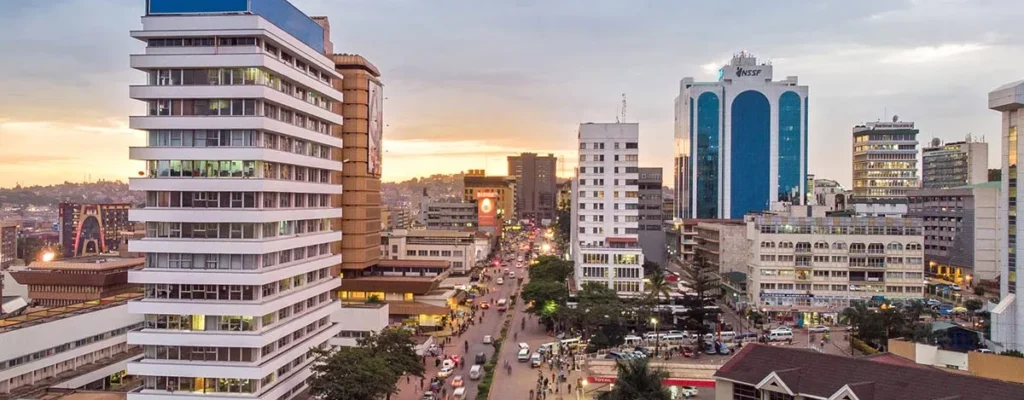
3 Days Kampala City Tour
Overview
This 3 Days Kampala City Tour is built for travellers with a short stopover, a few free days before or after a longer safari, or simply an interest in experiencing Uganda’s capital properly rather than passing straight through it. Kampala is one of East Africa’s most underrated capitals, built across seven hills and layered with Buganda Kingdom history, colonial-era landmarks, and a genuinely lively contemporary culture.
Over three days you’ll visit the royal Kasubi Tombs, take a boat excursion into Mabamba Wetland in search of the rare shoebill stork, explore Kampala’s markets and religious landmarks, and spend a day at the source of the Nile in nearby Jinja. Unlike our wildlife safaris, this itinerary requires no special fitness and suits travellers of any age.
Every stop on this itinerary can be swapped or reordered, and the pace adjusted, to match your interests and however many free days you actually have in the city.
Tour Highlights
- Kasubi Tombs UNESCO site
- Shoebill stork boat safari at Mabamba
- Uganda Museum and craft markets
- Gaddafi National Mosque viewpoint
- Source of the Nile day trip to Jinja
- Ndere cultural dance performance
Detailed Itinerary
Day 1: Kampala City Tour
After breakfast, set out with your guide for a full day exploring Kampala’s landmarks. Visit the Kasubi Tombs, the burial site of Buganda Kingdom’s kings and a UNESCO World Heritage Site, before continuing to the Uganda Museum for an overview of the country’s cultural and natural history. Stop at the Gaddafi National Mosque for panoramic views over the city from its minaret, and browse the stalls at Owino Market, one of East Africa’s largest open-air markets. In the evening, enjoy a traditional dinner and dance performance with the Ndere Troupe, showcasing dances from across Uganda’s regions.
Accommodation Options
Budget: Fairway Hotel Kampala
Mid-range: Four Points by Sheraton Kampala
Luxury: Kampala Serena Hotel
Meals: Breakfast and Dinner
Day 2: Mabamba Wetland Shoebill Excursion
Depart early for Mabamba Bay Wetland on the shores of Lake Victoria, one of the most reliable sites in the world to see the prehistoric-looking shoebill stork. Glide through the papyrus channels by dugout canoe with a local birding guide, watching for shoebills, African jacanas and other wetland species. Return to Kampala in the afternoon for free time, or opt for a guided visit to the Buganda Parliament (Bulange) and the Kabaka’s Palace grounds at Mengo.
Accommodation
As above
Meals: Breakfast, Lunch and Dinner
Day 3: Source of the Nile Day Trip to Jinja
Drive roughly two hours east to Jinja, where the Nile begins its 6,650-kilometre journey north to the Mediterranean. Take a boat cruise to the source point, with the option to add white-water rafting, kayaking or a village cycling tour for the more adventurous. Return to Kampala in the evening, or transfer directly to Entebbe International Airport for a departure flight, marking the end of your city tour.
Meals: Breakfast and Lunch
Optional Activities
- Bahá’í Temple visit, the only one of its kind in Africa
- Namugongo Martyrs Shrine
- Bulange Buganda Parliament and Mengo Palace
- Kampala nightlife tour
- Mabira Forest zip-lining, in place of the Jinja day trip
Kampala’s Landmarks in Depth
Kasubi Tombs
Built in 1882 as a palace for Kabaka Muteesa I, the Kasubi Tombs became the royal burial ground for the kings of Buganda after his death and remain an active spiritual site for the kingdom today. The main tomb, Muzibu-Azaala-Mpanga, is a vast thatched structure built entirely without nails, and was rebuilt after a 2010 fire using traditional techniques, which is part of why the site holds UNESCO World Heritage status.
Uganda Museum
Uganda’s oldest museum, established in 1908, houses ethnographic and natural history collections covering the country’s many ethnic groups, from traditional musical instruments you can ask to hear demonstrated to displays on Uganda’s geology and early human history in the region.
Gaddafi National Mosque
Funded by the late Libyan leader Muammar Gaddafi and completed in 2007, this is East Africa’s largest mosque, built atop Old Kampala Hill on the site once occupied by Idi Amin’s original mosque project. Climbing the minaret rewards visitors with the best panoramic view of Kampala’s seven hills anywhere in the city.
Bahá’í Temple
Perched on Kikaaya Hill, this is the only Bahá’í House of Worship on the African continent and one of just a handful worldwide. Its striking domed architecture and quiet, landscaped gardens make it a peaceful stop regardless of your own faith, and it is open to visitors of any or no religion.
Namugongo Martyrs Shrine
This site commemorates a group of Christian converts executed on the orders of Kabaka Mwanga II in the late 1880s, and today draws pilgrims from across East Africa each June for one of Uganda’s largest annual religious gatherings.
Owino Market
Also known as St. Balikuddembe Market, Owino is one of East Africa’s largest open-air markets, a maze of stalls selling everything from secondhand clothing to fresh produce and Ugandan crafts, and a genuinely useful stop for a feel of everyday Kampala life beyond the tourist sites.
Ndere Cultural Centre
The Ndere Troupe has performed traditional Ugandan dance and music since 1984, drawing on dances from across the country’s regions. Their open-air evening shows combine genuine cultural performance with a relaxed dinner setting, making for an easy, enjoyable end to a day of sightseeing.
Food, Nightlife and Getting Around
Kampala’s food scene ranges from roadside rolex stands, a popular street food of chapati rolled around eggs and vegetables, to upscale restaurants in Kololo and Nakasero serving everything from Ethiopian to Italian cuisine. Traditional Ugandan dishes worth trying include luwombo, a stew steamed in banana leaves, and matoke, steamed green bananas served as a staple alongside most meals.
The city’s nightlife centres on Kisementi, Acacia Mall and the Bukoto area, with live music venues, rooftop bars and clubs that stay busy well past midnight on weekends. Traffic is Kampala’s one real logistical challenge; boda boda motorcycle taxis move faster through congestion than cars but carry more risk, which is why our itinerary keeps you in a private vehicle with a driver who knows how to time routes around the worst jams.
What to Pack
- Light, breathable clothing suited to warm, humid weather
- A modest outfit covering shoulders and knees for temple and mosque visits
- Comfortable walking shoes for market and old-town exploring
- A light rain jacket, particularly in the March-May and October-November rainy seasons
- Sun protection
- A padlock or small day bag for market visits
Currency and Costs
The Uganda shilling is the local currency, and while major hotels and restaurants accept cards, cash is essential for markets, street food and smaller craft purchases. US dollars printed after 2009 can be exchanged easily at forex bureaus throughout the city, generally at a better rate than at the airport.
Why Kampala Deserves More Than a Layover
Most safari itineraries treat Kampala purely as a transit point between the airport and the national parks, which means most visitors never see a capital that is genuinely worth a few days on its own. Built across the same seven hills that once anchored the historic Buganda Kingdom, the city layers royal history, colonial-era architecture, and one of East Africa’s most energetic contemporary food and nightlife scenes into a compact, walkable core.
For travellers arriving on an overnight flight before a longer safari, or with a free day at the end of a trip before departure, this itinerary turns dead time into a genuine part of the holiday rather than a wait.
A Brief History of Buganda and Kampala
Long before Kampala became Uganda’s capital, the site was the heartland of the Buganda Kingdom, one of the oldest and most influential monarchies in the Great Lakes region, dating back several centuries. The city’s name is said to derive from “Kasozi K’empala”, a reference to the impala antelope that once grazed the hills where the British colonial administration later built its headquarters. Buganda’s Kabaka, or king, remains a living cultural institution today, with the current monarchy tracing an unbroken line of succession, and several of the sites on this itinerary, including the Kasubi Tombs and the Bulange Parliament, remain active seats of that living kingdom rather than purely historical relics.
Understanding this layered history changes how the city reads. Old Kampala Hill, home today to the Gaddafi Mosque, was originally the site of Idi Amin’s own mosque project. Namirembe and Rubaga hills each carry a cathedral built by rival nineteenth-century missionary movements. Kibuli Hill holds one of the country’s oldest mosques. Seeing several of these hills in a single day, as this itinerary does, gives a genuine sense of how religion, monarchy and colonial history layered on top of each other across the same small stretch of land.
Best Time to Go
Kampala can be visited year-round, since city sightseeing and the Nile boat cruise at Jinja are not weather-dependent in the way a forest trek is. The Mabamba Wetland shoebill excursion is best in the early morning regardless of season, when birds are most active and the water is calmest for canoeing. The main rainy seasons, March to May and October to November, bring short afternoon downpours that rarely disrupt a full day of sightseeing.
Frequently Asked Questions
Is 3 days enough to see Kampala properly?
Yes, for the city’s main landmarks and a day trip to either Mabamba or Jinja. Travellers with more time often add a second day trip, such as Mabira Forest or Ssezibwa Falls, or simply slow the pace and spend an extra day exploring neighbourhoods on foot.
Is Kampala safe for tourists?
Kampala is generally safe for visitors who take normal city precautions, and our guided itinerary keeps you with a trusted driver-guide throughout, which is the most reliable way to navigate the city’s traffic and see the sites efficiently.
Can this be combined with a longer safari?
Yes, this is one of our most common add-ons, either at the start of a trip to adjust to the time zone before heading to the parks, or at the end to relax in the city before an evening flight home.
What should I wear in Kampala?
Light, breathable clothing suits Kampala’s warm, humid climate. Modest dress is appreciated at religious sites such as the Bahá’í Temple, Gaddafi Mosque and Namugongo Shrine, where shoulders and knees should be covered.
Do I need a visa to visit Uganda for this trip?
Most nationalities can apply for a Uganda e-visa online before travel, and a yellow fever vaccination certificate is required for entry at Entebbe International Airport.
How far is Kampala from Entebbe Airport?
Entebbe International Airport sits around 40 kilometres from central Kampala, roughly a 45 to 90 minute drive depending on traffic, which is why many travellers use their first evening simply to settle in before starting the city tour proper the next morning.
Is the shoebill sighting at Mabamba guaranteed?
Sightings are very likely but not guaranteed, since shoebills are wild birds moving freely through the wetland. Local guides who work the channels daily know the birds’ typical feeding spots and early morning timing significantly improves the odds.
Can I do the Jinja day trip and stay overnight there instead?
Yes, if you would prefer to spend a night by the Nile rather than return to Kampala, we can adjust the itinerary to overnight in Jinja and either continue on to further adventures or transfer directly onward the next day.
Is tap water safe to drink in Kampala?
We recommend sticking to bottled or filtered water throughout your stay, which is standard travel advice across Uganda and easily arranged at every hotel and restaurant on this itinerary.
Photography in Kampala
The Gaddafi Mosque minaret offers the single best elevated view of the city for a wide shot of Kampala’s hills, best visited in late afternoon when the haze typically common at midday has settled. Owino Market rewards a more candid, street-photography approach, though it is courteous to ask before photographing individual vendors directly. At Mabamba, a longer lens pays off for shoebill shots, since guides keep a respectful distance from the birds to avoid disturbing them.
Combine This With a Uganda Safari
Most travellers pair this city tour with a longer wildlife itinerary rather than visiting Kampala alone. Popular combinations include adding this 3-day city tour before a gorilla trekking safari to Bwindi, or using it as a relaxed final stretch after a longer northern circuit or Murchison Falls trip, timed to end with an evening departure flight from Entebbe.
Choosing Your Day Trip: Jinja, Mabira or Ssezibwa
Day 3 of this itinerary defaults to Jinja and the source of the Nile, but two other options suit different interests equally well. Mabira Forest, roughly halfway between Kampala and Jinja, offers zip-lining through the canopy and quieter forest walks for travellers who would rather skip a second full day of driving. Ssezibwa Falls, closer to the city, combines a modest waterfall with cultural and spiritual significance to the Buganda Kingdom, and suits travellers looking for a shorter half-day option that leaves the afternoon free. Jinja remains the most popular choice for its combination of scenery and optional adrenaline activities, but any of the three can be substituted without disrupting the rest of the itinerary.
Why Travel With All in Africa Safaris
Our driver-guides are based in Kampala and use these same routes and neighbourhoods daily, which means the landmarks and timing suggestions above reflect current traffic patterns and site opening hours rather than a generic guidebook. We keep this tour private to your group, adjust it freely around flight times, and can extend or shorten each day depending on how much walking you would like to do.
Because this is a city tour rather than a wildlife safari, it is also one of the easiest itineraries on our site to adjust at short notice, whether that means swapping a landmark for a shopping stop, moving the Jinja day trip earlier to align with a rafting group’s schedule, or compressing all three days into two if a flight changes. Your guide stays reachable throughout, and any changes are handled directly with our office rather than a call centre.
Health and Safety Notes
Uganda is a malaria-risk country, and we recommend speaking to a travel health clinic about prophylaxis before your trip regardless of how much time you spend in Kampala versus the parks. Comprehensive travel insurance covering medical treatment is worth arranging for any trip to the region, even a city-based one, since it also typically covers trip disruption and lost luggage, both more relevant risks in a capital city than a national park.
A City Worth Slowing Down For
Visitors who only pass through Kampala between the airport and a safari itinerary often leave with the impression of a chaotic, traffic-heavy transit city, since that is usually all they see of it. Spend three properly planned days here instead, and a different picture emerges: a capital built on royal history, home to landmarks representing four major world religions within a few kilometres of each other, and a food and nightlife scene that rewards a bit of local knowledge. It is a small addition to a longer Uganda trip, but for many of our travellers, it becomes one of the more memorable stretches of the whole journey.
Ready to add a Kampala city tour to your trip? Use the form below with your travel dates, and a safari consultant will reply with a tailored itinerary within one business day.
Tour Includes
- Travel in a private car
- Professional guide
- Entrance fees
- Accommodation
- Meals as listed
- All Activities In Itinerary
Tour Excludes
- Alcoholic drinks
- Laundry
- Tips
- Shopping
- Insurance
- Optional rafting or zip-lining fees
Get Your Tailored Kampala City Tour
Uganda Safari Photos
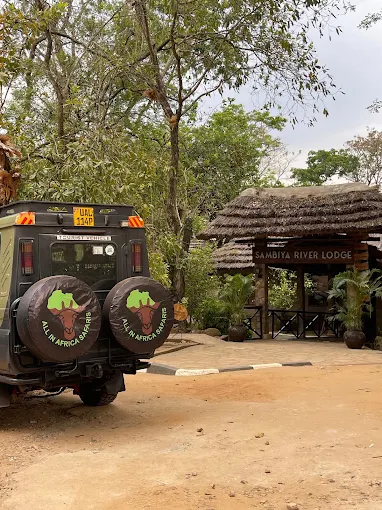
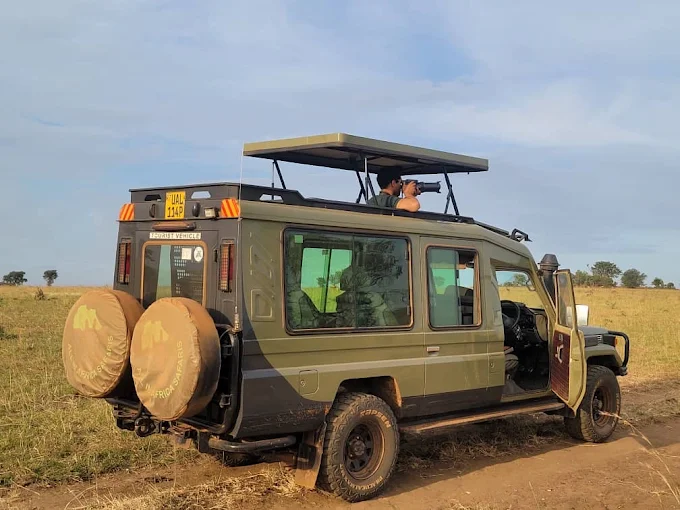
Our Green Spot Campaign
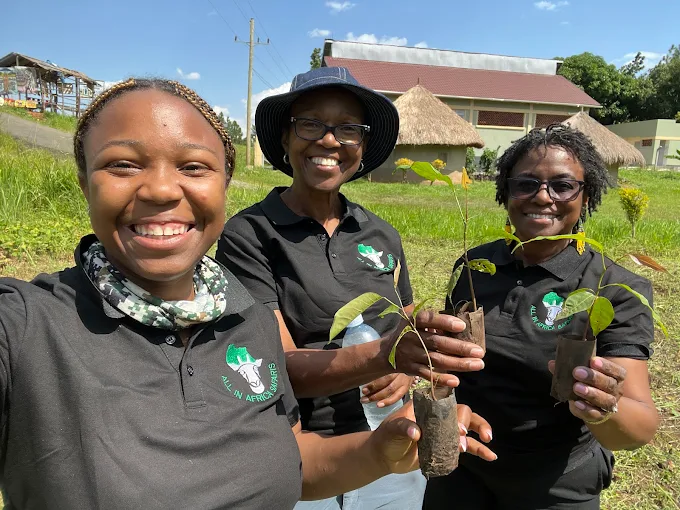
Every safari with us supports our Green Spot Campaign — planting trees across Uganda’s communities. Learn more & get involved →
All in Africa Safaris arranges tours to Uganda, Rwanda, Kenya and Tanzania
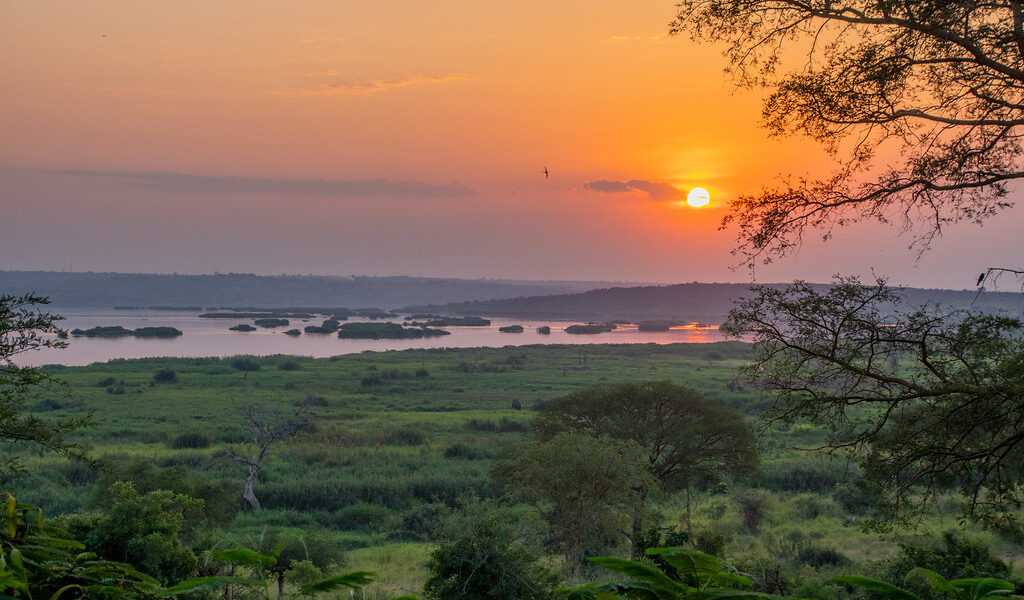
3 Days Murchison Falls Safari
Discover the Wildlife in the Murchison Falls National Park with engagement with a boat cruise and game drives which lead to a nature walk on top of the falls
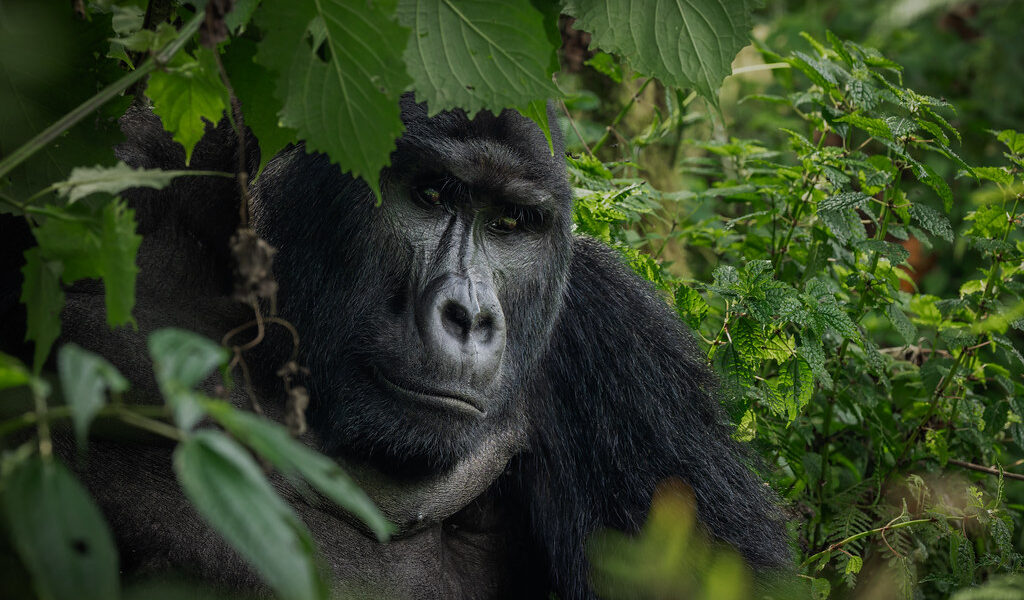
4 Days Gorillas & Queen Wildlife
Visit the magical national parks of Uganda known as Bwindi Forest and Queen Elizabeth National Park including gorilla trekking and wildlife views for travelers
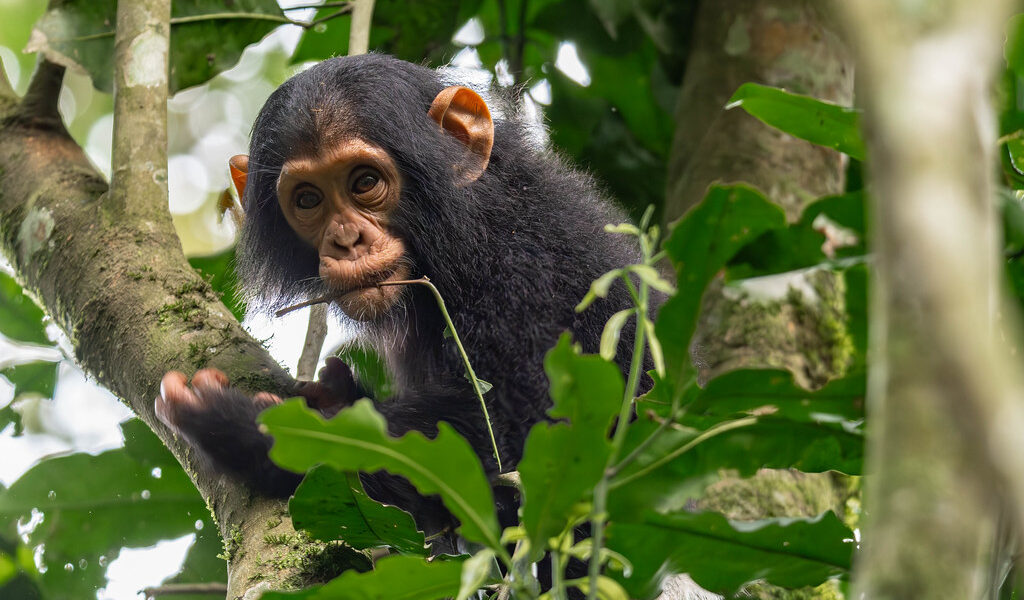
5 Days Gorillas & Chimps Track
Explore the great Mgahinga National Park conserving and protecting the endangered Mountain gorillas & chimpanzees in the pearl of Africa
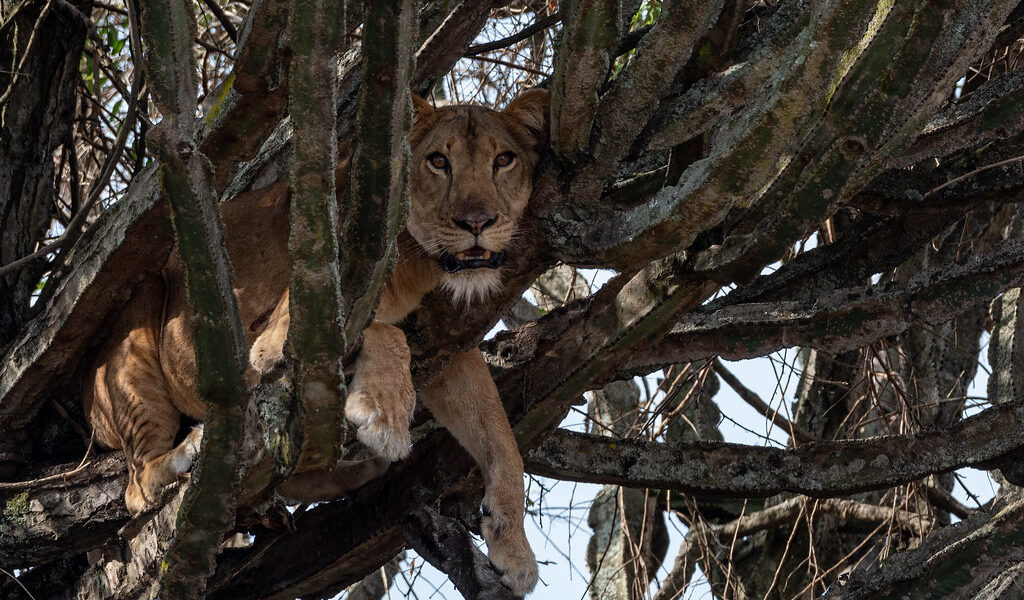
6 Days Uganda Safari
Visit the magical national parks of Uganda known as Bwindi Forest and Queen Elizabeth National Park which include the gorilla trekking and wildlife views
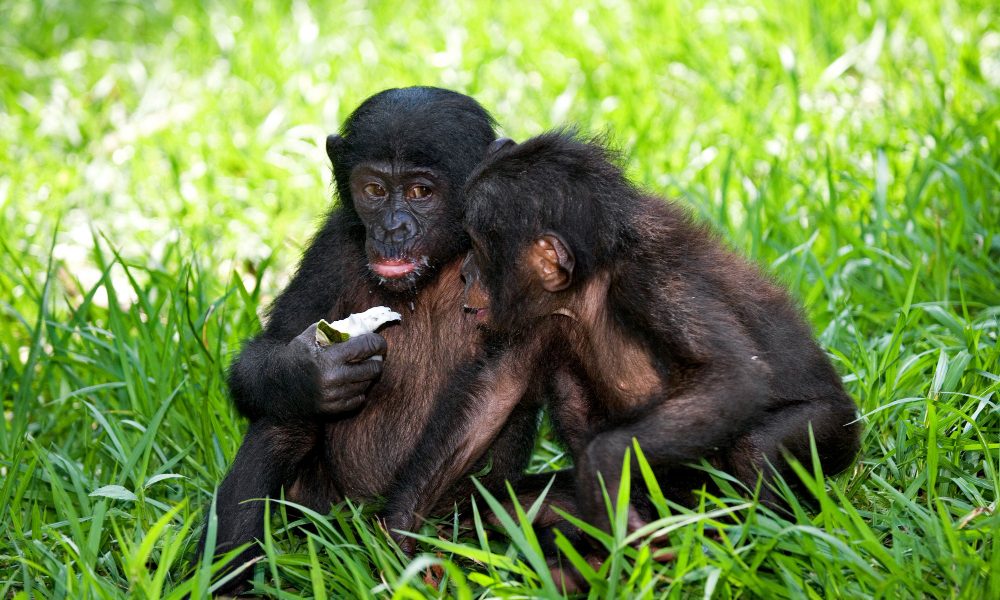
1 Day Bwindi Gorilla Tour from Kigali
A fast-paced day trip from Kigali into Bwindi Impenetrable Forest for a single unforgettable hour with a mountain gorilla family
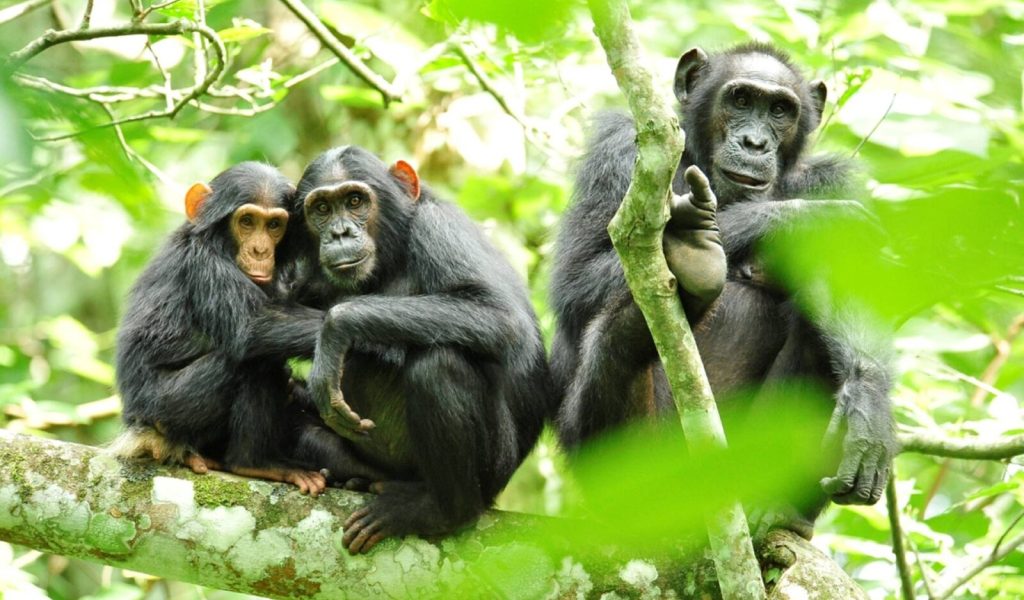
3 Days Chimpanzee Tracking in Kibale
Track chimpanzees through Africa’s primate capital, Kibale Forest, alongside a community walk through Bigodi Wetland Sanctuary
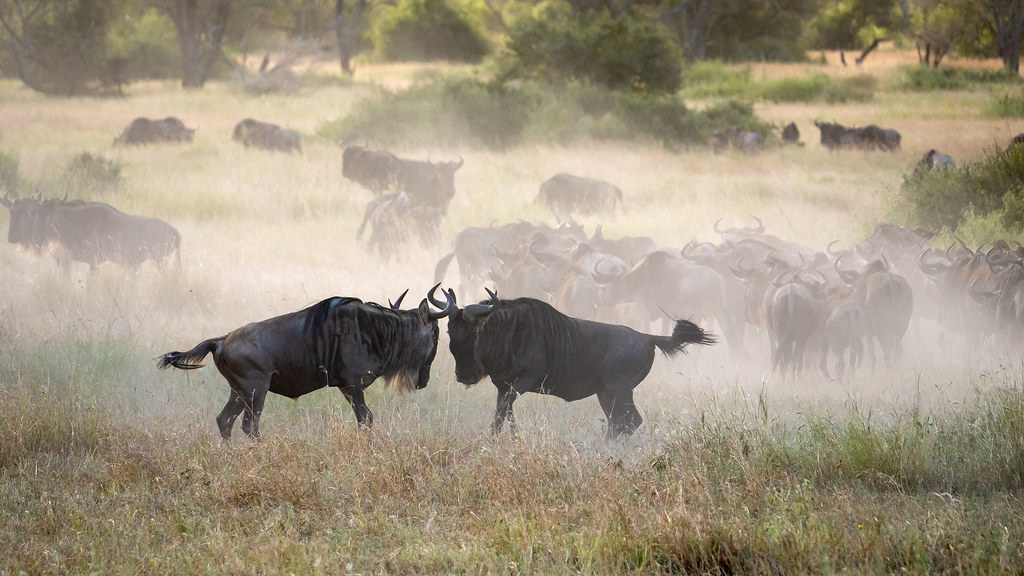
4 Days Kidepo Valley Wildlife Safari
Venture into Uganda’s most remote wilderness for cheetahs, ostriches and dramatic mountain scenery few visitors ever see
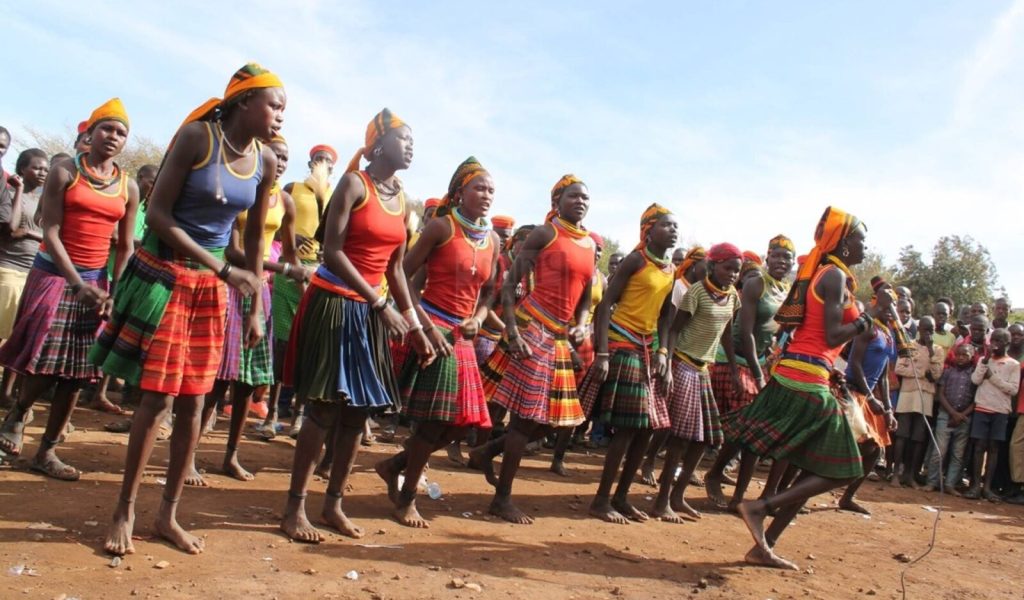
7 Day Kidepo and Sipi Safari
Combine Kidepo Valley’s wild plains with waterfall hikes and coffee tours in the Sipi Falls region
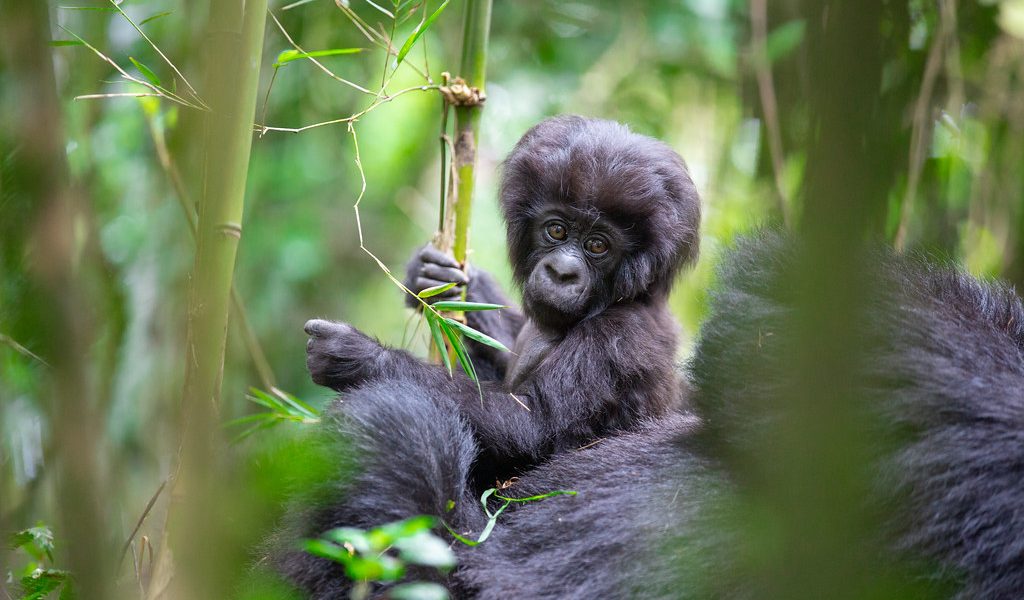
10 Days Rwanda Uganda Safari
A complete circuit through Volcanoes, Bwindi, Queen Elizabeth and Kibale for gorillas, chimps and classic wildlife
12 Days Uganda Leisure Holidays
An unhurried two-week journey through Murchison Falls, Kibale, Queen Elizabeth, Bwindi and Lake Mburo
14 Days Uganda Northern Circuit
Explore Kidepo Valley, Murchison Falls and Sipi Falls on this off-the-beaten-path northern adventure
15 Days Uganda Safari
Uganda’s full highlight reel across two relaxed weeks of gorillas, chimps, wildlife and scenic countryside