The Ultimate Uganda Shoebill Trekking Guide
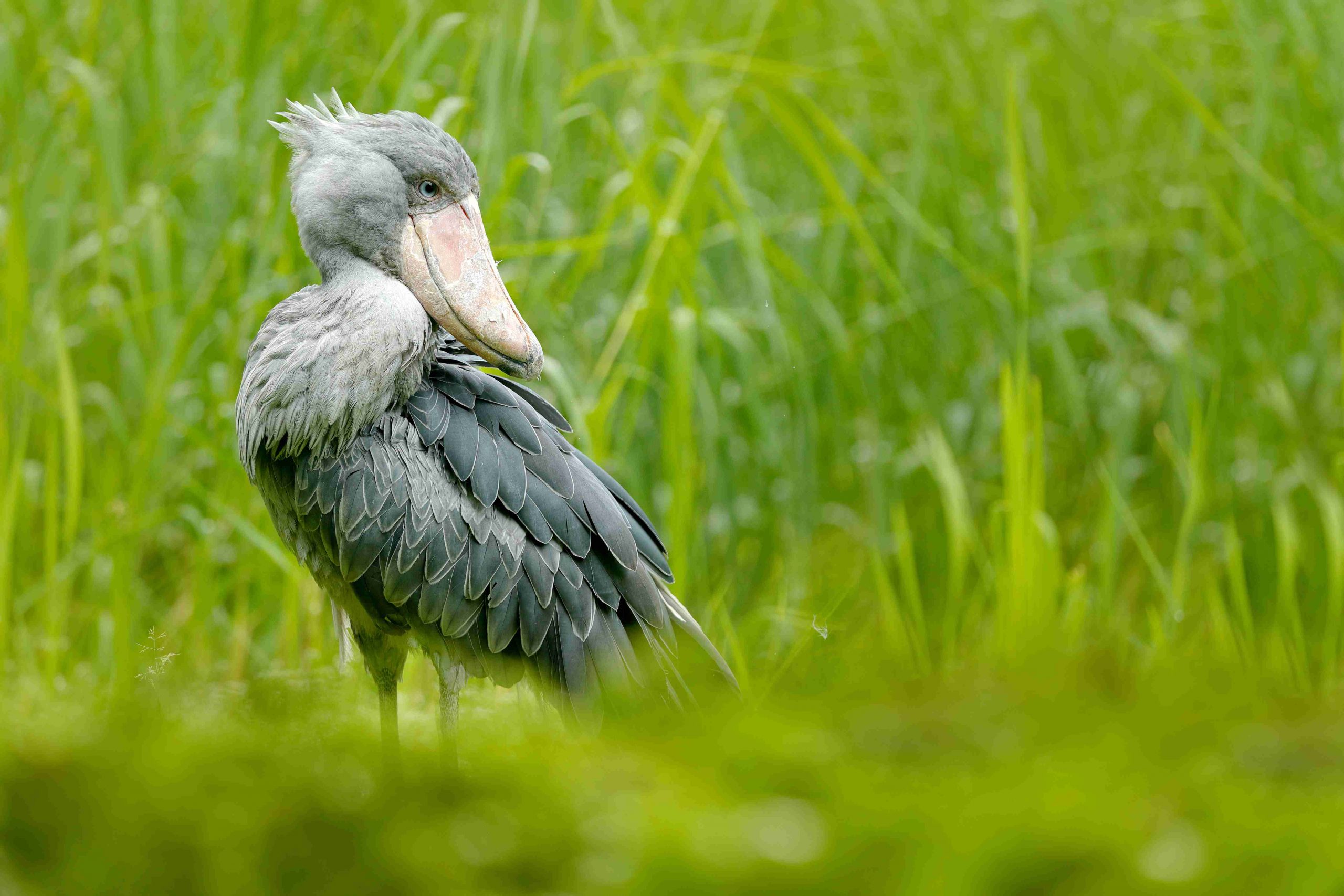
Uganda is one of the places where you can see the amazing shoebill in its natural home. The shoebill is a big bird, over four feet tall, with a huge bill that looks like a shoe. This bird looks like it is from a time ago. People who love birds take pictures. Nature lovers really want to see the shoebill in the wild. Seeing a shoebill is something you will never forget.
The Ultimate Uganda Shoebill Trekking Guide will help you get ready for this trip. If you are going on your bird-watching trip or if you want to see another kind of bird, you need to know where to go, when to go, and how to act around the shoebills. This will make your trip much better.
Seeing shoebills is not like going on a safari where you look at big animals. To see shoebills, you need to be patient, quiet, and respectful of the wetlands where they live. When you see a shoebill, it is not about seeing a bird; it is also about helping to protect the bird and its home.
Why Uganda Is the Best Place to See Shoebills
Uganda is a place for bird watching. There are over 1,000 kinds of birds in Uganda. You can see different birds in a short time.
The shoebill loves Uganda because there are wetlands with tall plants and floating plants. The shoebill can hunt for food like fish, frogs and snakes in these wetlands.
People in Uganda are working hard to protect the shoebills and their homes. This is why there are shoebills in Uganda. You can also find shoebills in countries like South Sudan, Zambia, Rwanda, Tanzania and the Democratic Republic of the Congo.. Uganda is the best place to see them.
Many people see a shoebill on their trip to Uganda especially if they have a guide who knows where to find the birds.
Best Places to Go Shoebill Trekking
There are great places in Uganda to see shoebills.
Mabamba Swamp
Mabamba Swamp is a place to see shoebills. It is near Lake Victoria. Not far from Kampala or Entebbe. You can visit for the day.
You will ride in a canoe through the swamp to see the shoebills. If you go early in the morning you will have a chance of seeing them. The shoebill is not the bird you will see. There are hundreds of kinds of birds like the African jacana, malachite kingfisher and African fish eagle.
Murchison Falls National Park
Murchison Falls National Park is another place to see shoebills. You can take a boat ride, on the Nile River to see the shoebills. You might also see elephants, buffaloes, giraffes, hippos and crocodiles.
This is a place to go if you want to see many different animals and birds.
Ziwa Rhino Sanctuary
Although mostly famous for rhino tracking Ziwa Rhino Sanctuary also has a number of shoebills living in its wetlands.
Guided nature walks lead visitors through marshes where shoebills are often seen. The activity includes walking safaris and birdwatching making it different from conservation areas in Uganda.
Semliki Wildlife Reserve
For people who want to visit places that’re not too busy Semliki Wildlife Reserve sometimes gives lucky birders the chance to see shoebills. The reserve also has a lot of types of animals and plants including forest birds and special mammals that are not often seen in other parts of Uganda.
When Is the Best Time to Visit?
Although shoebills can be seen all year round some times of the year are better than others.
The dry seasons from December to February and from June to August are usually the times to go on a trek. Lower water levels make it easier for fish to be found which helps the shoebills hunt and makes them easier to see.
These months also have weather with fewer muddy paths and calmer water.
The rainy seasons should not be ignored. Wetlands become full of life, migratory birds. The land looks very beautiful. Early morning trips can still be very successful during wetter times.
Starting your trek a little after sunrise gives the chance of seeing a shoebill because they are more active before the heat of the day.
Preparing for Your Trek
planning makes your trip more fun and comfortable.
Wear clothes in colors like green, brown or gray. Bright colors can bother animals. Get too much attention.
Bring a hat with a brim, sunscreen, insect spray and lots of water to drink.
Strong waterproof shoes are important especially if you will be walking in areas.
Binoculars help you see better and watch the birds without getting too close.
A camera with a zoom lens that’s between 300mm and 600mm is good for taking pictures of wildlife. Extra batteries and memory cards are always helpful because you never know when you might see something
Understanding Shoebill Behavior
Learning about how shoebills act before your trip helps you appreciate them more and increases your chances of seeing them.
Shoebills are known for being very patient. They can stand still for twenty minutes or more while waiting for food to come near.
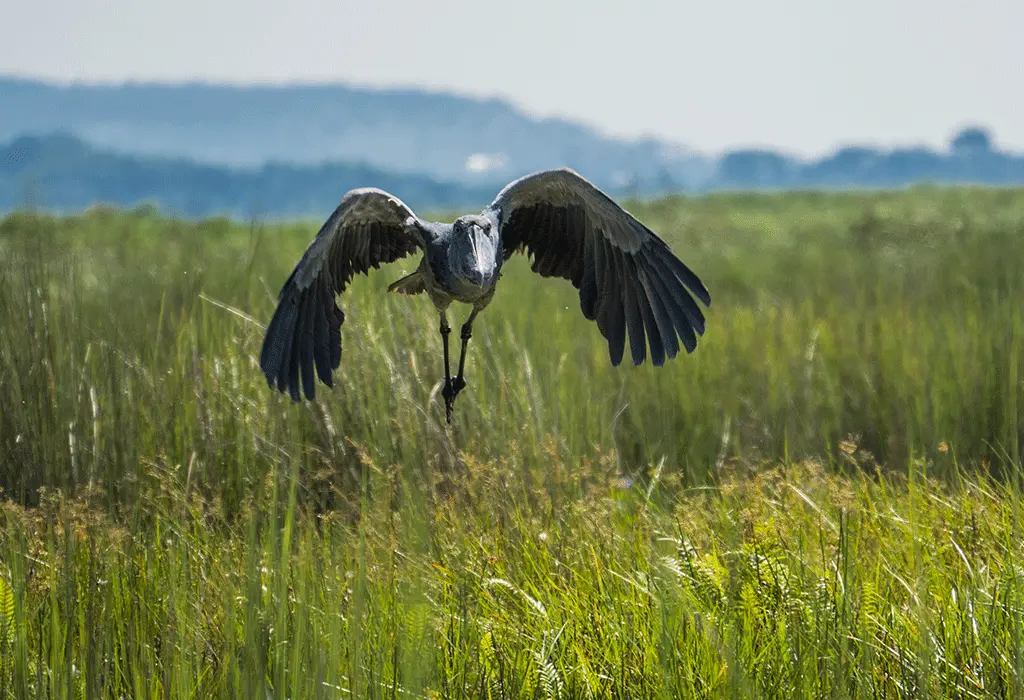
When the right moment comes they move fast and catch fish with their big beaks.
Unlike birds that like to be in groups shoebills like to be alone. Adults usually have areas to themselves and spend most of the day by themselves except when they are breeding.
Their calm attitude can make them look friendly. They are still wild animals that need space and respect.
Watching a hunt or carefully arrange the plants around its nest gives a great look at one of Africas most special hunters.
Responsible Trekking Practices
Respect Wildlife First
Responsible travel is very important for protecting the number of shoebills in Uganda.
Always listen to your guide. Stay a safe distance from the birds.
Avoid talking loudly moving quickly or trying to get the birds to pay attention for better pictures.
Never give food to animals. Change their natural actions.
If a shoebill moves away or acts differently you should move back away.
These simple things help the birds feel less stressed and let other visitors have wildlife experiences.
Protect Wetland Habitats
Wetlands are some of the productive places, on Earth supporting fish, birds, frogs, insects and many plants.
Throw away all trash properly avoid breaking plants and stay on the paths if possible.
Choosing eco- tour companies also helps support conservation and gives jobs to local people.
Every visitor who takes care of these places helps keep them safe for a time.
What Makes Shoebill Trekking So Special?
A lot of times when we’re out in nature we see animals that run away really fast.
Shoebill trekking is not like that.
It is about taking your time and really looking at what’s around you. You get to enjoy the moments in nature.
Imagine standing in a swamp with plants all around you and the mist is rising from the water in the morning. This is a peaceful thing to experience and it is not something you get to do very often when you are traveling.
As you walk through the swamp you start to feel excited because you do not know when you will see a shoebill. Then all of a sudden you see one standing still among the plants.
For a lot of people seeing a shoebill for the time is something they will always remember about their trip to Africa.
It is not about seeing another type of bird. It is about seeing the shoebill in the place where it lives.
Planning a Memorable Adventure
The Ultimate Uganda Shoebill Trekking Guide wants people to think about this trip as more than a chance to see some birds. It is a way to experience the wetlands of Uganda and to help the people who live there and the animals that need to be protected.
You can go to places like Mabamba Swamp or the Nile Delta. Each place is unique. Gives you a different view of the shoebill. Every time you go out you will see things and have new chances to take pictures and learn.
The guides who take you on these trips are from the area and they know a lot about the birds and the wetlands. They can tell you about the birds. Help you navigate the swamp safely. They make the trip really interesting and educational.
As more people become interested in birdwatching it is important for them to be responsible and help protect the places where the birds live. When people visit these places they help support the community and the conservation efforts. This helps to keep the wetlands safe.
In the end The Ultimate Uganda Shoebill Trekking Guide is not about finding a shoebill. It is about being patient respecting nature and seeing the shoebill in a way that helps both people and the environment. Even after you have gone home and shown everyone your pictures you will still remember what it was like to stand and see a wild shoebill. Every time someone goes on one of these trips it reminds us that we need to protect the wetlands so that future generations can see the shoebills too. That is what The Ultimate Uganda Shoebill Trekking Guide is, about.