Uganda’s Strangest, Most Wonderful Bird
Uganda is home to some of Africa’s most celebrated wildlife. Visitors travel from every corner of the world to see mountain gorillas in Bwindi Impenetrable National Park, tree-climbing lions in Queen Elizabeth National Park, and elephants roaming the vast savannahs of Murchison Falls National Park. With more than 1,000 recorded bird species, Uganda is also considered one of the finest birdwatching destinations on the continent.
Among all these remarkable creatures, one bird stands apart from the rest.
It does not have the colorful feathers of a turaco. It does not possess the elegance of a crowned crane. It rarely sings, dances, or performs dramatic displays. Yet it has become one of the most famous birds in Africa.
The shoebill stork is often described as Uganda’s strangest bird. At the same time, it may also be its most wonderful.
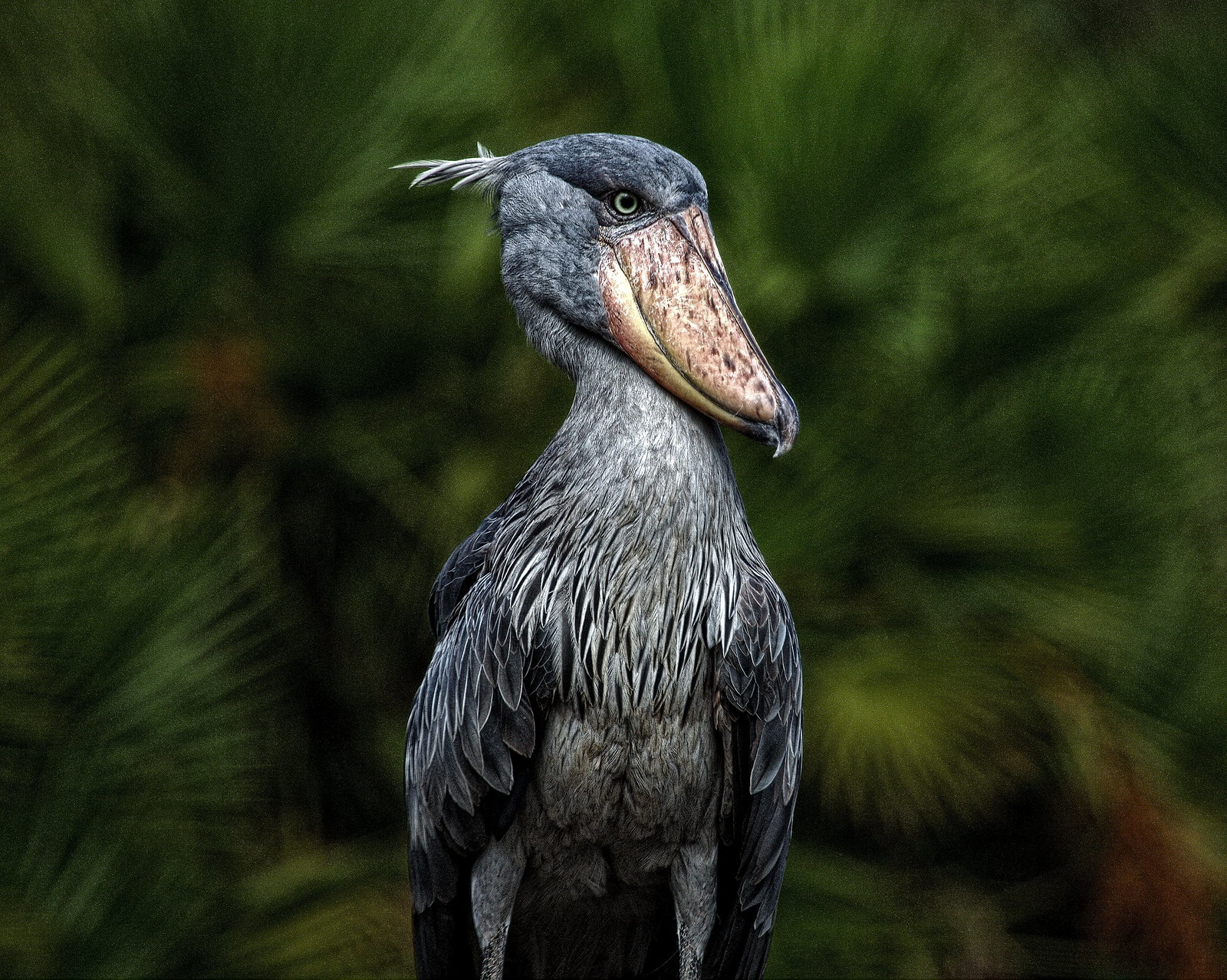
Standing nearly five feet tall with an enormous bill, piercing eyes, and a prehistoric appearance, the shoebill captures attention in a way few animals can. It looks ancient, mysterious, and almost unreal. Seeing one in the wild is an experience that stays with visitors long after their journey ends.
First Impressions of a Shoebill
Most people encounter the shoebill for the first time through a photograph.
The image usually raises the same question.
“Is that a real bird?”
Its appearance is unlike anything most people have seen before. The massive shoe-shaped bill seems too large for its body. Its expression appears serious and intense. Its posture is rigid and statuesque.
When people finally see a shoebill in person, the experience is even more striking.
The bird has a powerful presence. It commands attention without making noise or performing dramatic movements. Simply standing in front of a wild shoebill often feels like encountering a creature from another age.
Why the Shoebill Looks So Ancient
The shoebill’s prehistoric appearance is one of the reasons it fascinates so many people.
Its broad bill, long legs, thick neck, and large body create a silhouette that looks remarkably different from most modern birds.
Many visitors compare it to a dinosaur.
Although shoebills are not descendants of dinosaurs in the way people often imagine, they do possess physical features that seem unchanged from ancient times. Their slow movements and deliberate behavior strengthen this impression.
Watching a shoebill walk through a wetland can feel like watching a scene from millions of years ago.
The Bird With the Giant Bill
The shoebill’s most famous feature is undoubtedly its bill.
The bill can grow to more than 24 centimeters long and is among the largest in the bird world. It is broad, powerful, and equipped with a sharp hook near the tip.
This remarkable tool allows the shoebill to capture prey that many other birds could never handle.
The bill is perfectly adapted for hunting lungfish, catfish, frogs, snakes, and other aquatic animals. Its size and strength make the shoebill one of the most efficient predators in African wetlands.
For photographers, the bill has become the symbol of the species. It is impossible to mistake a shoebill for any other bird.
A Master of Patience
One reason the shoebill seems so unusual is its behavior.
Many birds are constantly active. They fly from tree to tree, call loudly, or search continuously for food.
The shoebill does the opposite.
It can stand perfectly still for long periods without appearing to move at all. Sometimes it remains motionless for twenty minutes or more while waiting for prey.
This patience is one of its greatest hunting advantages.
The bird watches the water carefully, waiting for the perfect opportunity. When prey finally appears, the shoebill reacts with astonishing speed.
The contrast between complete stillness and explosive action is one of the most fascinating aspects of its behavior.
The Famous Shoebill Stare
Few animals possess a gaze as memorable as the shoebill.
Visitors often describe feeling as though the bird is studying them.
Its large forward-facing eyes create an intense expression that seems unusually intelligent and focused. Unlike many birds that glance around constantly, the shoebill often fixes its attention on a single target for extended periods.
This stare has helped make the species famous among wildlife photographers.
Images of shoebills looking directly into the camera often become some of the most striking photographs taken during an African safari.
Uganda’s Best Places to See Shoebills
Uganda is one of the most reliable destinations in the world for shoebill sightings.
The country’s extensive wetlands provide ideal habitat for the species, and conservation efforts have helped maintain important populations.
Mabamba Swamp is the most famous shoebill destination in Uganda. Located near Entebbe on the shores of Lake Victoria, it attracts birdwatchers and photographers throughout the year.
Tracking a shoebill through the papyrus channels of Mabamba has become one of Uganda’s most popular wildlife activities.
Other areas where shoebills may be seen include the Nile Delta in Murchison Falls National Park and several protected wetlands across the country.
More Than Just a Birdwatching Experience
Even people who have little interest in birds often become fascinated by the shoebill.
Part of its appeal comes from the environment where it lives.
The wetlands of Uganda are peaceful places filled with bird calls, floating vegetation, and endless stretches of papyrus. Reaching a shoebill usually requires a quiet journey through these landscapes.
The search itself becomes part of the adventure.
As boats move slowly through narrow channels, anticipation builds. Every opening in the reeds seems capable of revealing the giant bird.
When the shoebill finally appears, the reward feels even greater because of the effort involved in finding it.
A Bird That Communicates Differently
Unlike many birds that rely on songs, shoebills communicate in unique ways.
Their most famous behavior is bill clattering.
By rapidly snapping their bills together, they create a loud rattling sound that echoes across the wetlands. This display is commonly used during greetings, courtship, and interactions between parents and chicks.
The sound is surprising for first-time observers and adds another layer of mystery to the species.
Young shoebills also use soft vocalizations to communicate with adults, particularly during feeding periods.
Why Conservation Matters
The shoebill’s future depends on healthy wetlands.
Across Africa, many wetland habitats face pressure from agriculture, settlement expansion, pollution, and drainage projects. These changes can reduce the areas available for feeding and breeding.
Uganda’s wetlands provide critical refuge for the species.
Protecting these habitats not only benefits shoebills but also supports countless other birds, fish, and wildlife species that depend on wetland ecosystems.
Tourism has become an important conservation tool. Visitors who travel to see shoebills help create economic incentives for local communities to protect wetlands rather than convert them to other uses.
Why People Fall in Love With the Shoebill
The shoebill is not beautiful in the traditional sense.
It lacks bright colors and graceful movements. It rarely performs dramatic aerial displays. It often stands silently for long periods.
Yet it has become one of the most beloved birds in Africa.
Its appeal comes from its uniqueness.
Everything about the shoebill feels different. Its appearance, behavior, hunting style, and habitat combine to create an experience unlike any other wildlife encounter.
The bird challenges expectations and leaves a lasting impression on everyone who sees it.
Uganda’s Most Memorable Bird
Uganda is blessed with extraordinary wildlife, but few species capture the imagination quite like the shoebill.
It is strange, mysterious, powerful, and unforgettable.
For birdwatchers, photographers, and travelers seeking something truly unique, the shoebill offers one of the most rewarding wildlife experiences on the continent.
Standing quietly in a Ugandan wetland, watching a shoebill stare across the water, you quickly understand why this remarkable bird has become a symbol of the country’s natural heritage.
It may be Uganda’s strangest bird, but it is also one of its greatest wildlife treasures.