The Local Fishermen Protecting Uganda’s Shoebills
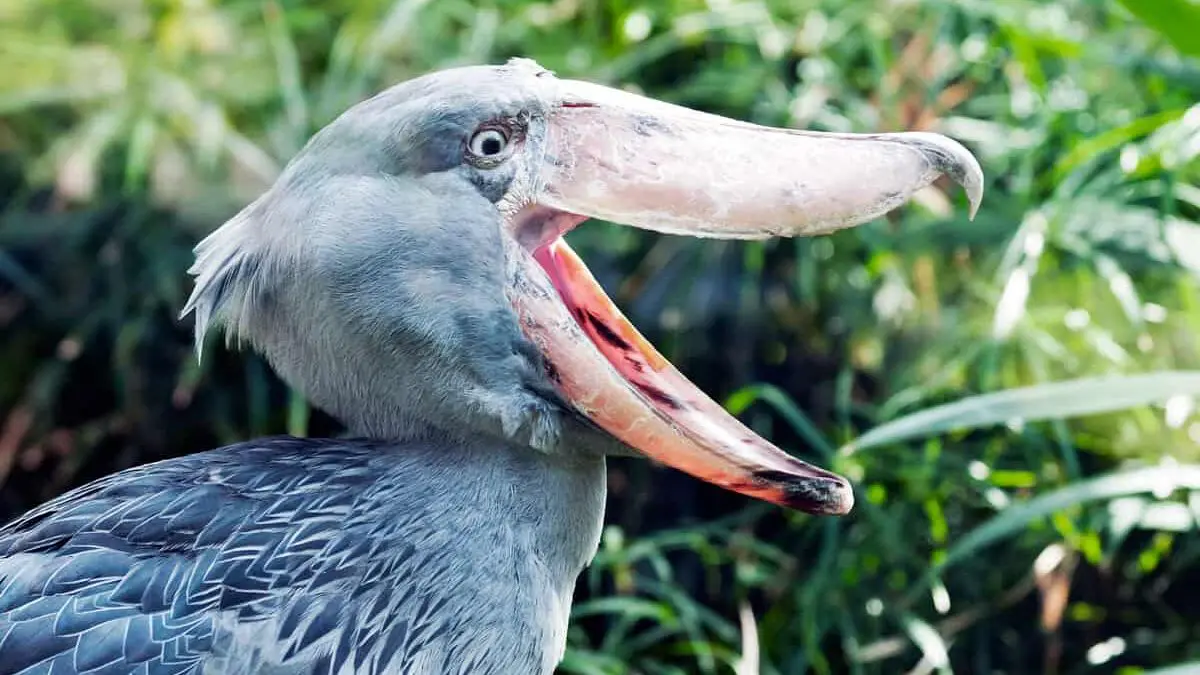
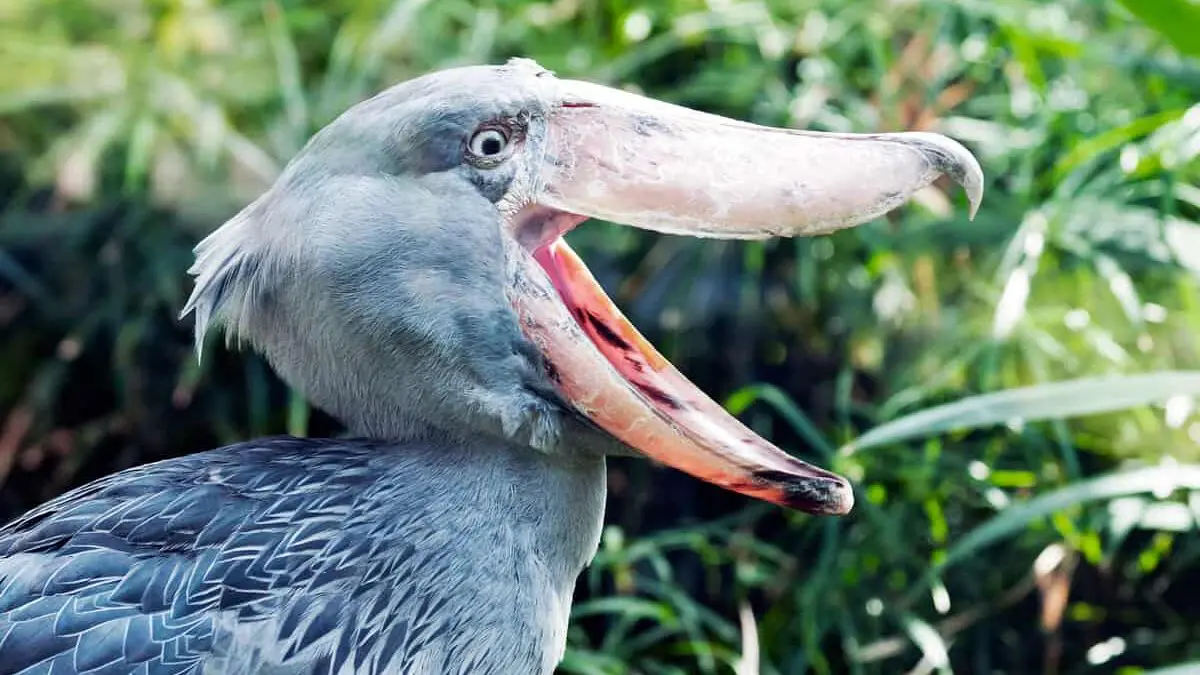
Uganda is home to a special bird. The shoebill is really something to see with its shoe-shaped bill and calm eyes watching everything around it. This bird has become a symbol of Uganda’s wetlands. People who like birds come from around the world to see the shoebill in places like Mabamba Swamp, the Nile Delta, and other safe wetlands.
The shoebill will only survive if people help take care of it. The people who can help the most are the fishermen who spend every day on the water. They know the water and the birds better than anyone else. The story of The Local Fishermen Protecting Uganda‘s Shoebills shows that taking care of nature often starts with the people who know it best. The local fishermen make choices every day that help the shoebill, and they are getting more and more committed to helping this bird.
The Shoebills Wetland Home
Shoebills like to live in big freshwater wetlands with lots of plants and shallow water. These quiet places have everything the shoebill needs to survive, like fish, frogs and snakes.
Uganda has some of the places for shoebills to live in East Africa. The wetlands around Lake Victoria, Lake Kyoga and the Albert Nile are home to shoebills.
Healthy wetlands are good for people and birds. They clean the water stop flooding help fishermen, store carbon and give families a way to make a living. When the wetlands are healthy everyone benefits.
Fishermen Know the Wetlands Better Than Anyone
fishermen have been living and working on the wetlands for a long time. They know where the fish are, where the birds nest and where they hunt. Many fishermen spend eight to twelve hours every day on the water. Over time they learn to recognize the changes in the seasons, where the birds nest what they eat and the water levels.
This knowledge is very helpful for people who want to protect the shoebill. Researchers often work with the fishing communities because they have information that cannot be learned from just visiting the area occasionally.
A Shift From Hunting to Protection
In the past shoebills were sometimes hurt by people who took their eggs sold them illegally or disturbed their homes. The wetlands were also being destroyed, which made it harder for the shoebills to nest.
Then tourism started to grow and communities began to see the value in protecting the wildlife instead of hurting it. One living shoebill could bring visitors to the area, which meant more jobs for boat operators, guides, hotel owners, food sellers and craft makers.
This change in thinking has made a difference. Many fishermen who used to think of shoebills as just ordinary birds now see them as neighbors that help their communities. The local fishermen are now helping to protect the shoebills. This is good, for everyone.
How Fishermen Protect Shoebills Every Day
The work that local fishermen do to help conservation is not often in the news. It makes a big difference.
Fishermen do a lot of things to help the Shoebills.
Many fishermen stay away from places where Shoebills are known to nest when they are having babies.
Others help tourists see the Shoebills without bothering them.
Some fishermen pick up fishing lines that could hurt the wildlife.
Others tell the people who take care of the wildlife if they see someone doing something to the Shoebills or their homes.
These things that fishermen do every day may not be well known,. They help the Shoebills a lot every year.
Tourism Creates New Opportunities
Tourism is now a way for people in Uganda to make money.
People who come to visit often hire fishermen to take them on their boats.
The fishermen know the waterways and where the Shoebills like to go.
They can take the tourists to see the Shoebills without scaring them.
When people have money from tourism they want to keep the wetlands healthy.
Of just fishing many people now also give tours rent canoes take photos and have guests stay with them.
This gives people a reason to take care of the wetlands.
Building Trust Between Communities and Conservationists
Conservation does not work well when it is just outsiders doing it.
It works better when everyone works together and respects each other.
The people who take care of the wildlife are now working with the fishermen to watch over the Shoebills and teach people about them.
The fishermen know a lot about the wetlands and the Shoebills, which helps the conservationists make decisions.
There are meetings where everyone learns about the Shoebills and how to help them.
The fishermen tell the conservationists what they have seen. This helps a lot.
This way of working helps the conservation and makes the local people feel like they are part of it.
Children Are Learning the Value of Wildlife
Now many fishing communities are teaching their children to care about the wildlife.
The schools take the children on walks in nature. Teach them about the birds and the wetlands.
The children learn that the Shoebills are important and need to be protected.
When children grow up learning about conservation they are more likely to help protect the wetlands when they’re older.
This means that the work that is being done now will continue for a time.
Challenges Still Remain
Even though things are getting better the Shoebills are still in danger.
The wetlands are still being hurt by people who want to farm or build houses.
The water is getting polluted. This hurts the Shoebills.
Some people are still fishing in ways that hurt the wetlands and the weather is changing.
This is all very bad for the Shoebills.
Some tourists are also getting too close to the Shoebills when they are having babies. This can be very stressful, for the birds.
To really help the Shoebills we need to keep working
The fishermen, the conservationists, the tourists and the government all need to help protect the Shoebills.
Community Conservation Produces Lasting Results
One reason community conservation works is that local people really want to protect the things they need to survive.
When wetlands are healthy the fish populations get better. This means the water is cleaner. That is good for families. It also means that people can get jobs from tourism.. The wildlife is safe.
All these good things happen when communities work together to protect the wetlands. They do not just sit back and watch they take action.
In Uganda fishermen are showing that taking care of nature and making a living can go hand in hand. They are not against each other.
Women Also Contribute to Wetland Protection
People often talk about fishing. Women are just as important in the communities around the wetlands.
Many women run tourism businesses cook meals for visitors sell things they made themselves run guesthouses and help teach people about conservation.
Womens groups also organize events to make people aware of the environment plant trees and clean up the wetlands. This makes the place better for the animals and the local economy.
Their work helps both the economy and the conservation efforts.
Responsible Tourism Supports Conservation
Visitors can make a difference by making good choices when they travel.
If you hire a guide the money goes to the people who live there. If you follow the rules you do not disturb the birds when they are nesting.
If you do not drive your boat fast you make less noise and do not hurt the shore. If you do not throw trash you keep the wetlands clean for the animals and the people who come next.
These simple choices help the community conservation efforts.
The Power of Local Knowledge
We have technology like satellites and drones but they are not better than the knowledge of the local people.
The fishermen know when something is wrong because they have lived there for a time. They notice when the water level is not right when the fish are not where they should be or when someone is hurting the place.
They see these things before anyone and that helps the conservation teams do their job.
Using both the knowledge and the new technology is one of the best ways to protect the wetlands in Uganda.
A Shared Future for People and Wildlife
The story of The Local Fishermen Protecting Ugandas Shoebills shows us that conservation works when the local people are in charge. They do not need a lot of money or big organizations to make a difference. Sometimes it is just about being careful and respectful.
Every healthy shoebill population is because of the work of the people who live there. They take care of the place. That helps the birds, the fish, the tourism and the people who will come next.
The wetlands in Uganda are very special because the local people take care of them. If we support the community conservation encourage people to visit and respect the place we can make sure that the shoebill keeps living there for a long time.
The story of The Local Fishermen Protecting Ugandas Shoebills is a story about working. It shows that ordinary people can do things when they are patient, respectful and work together. If more communities do this the wetlands in Uganda will keep being a place, for both the wildlife and the people who live there.