
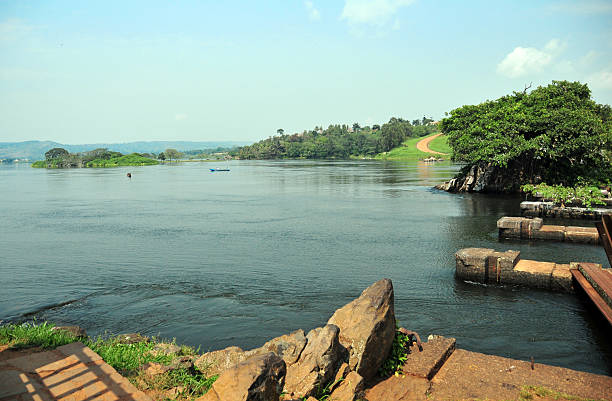
Cycling Fort Portal’s Tea Estates: Routes and Rentals
Cycling Fort Portal’s tea estates offers an enjoyable way to explore western Uganda’s green countryside, farming communities and beautiful highland landscapes. Fort Portal is surrounded by tea plantations, banana gardens, crater lakes and rolling hills, making it an attractive destination for travellers interested in outdoor activities.
Unlike travelling by car, cycling allows you to move slowly through rural areas, stop at scenic viewpoints and observe everyday agricultural activities. You can watch tea pickers working in the plantations, visit small trading centres and enjoy views towards the Rwenzori Mountains when weather conditions are clear.
Several cycling experiences are available around Fort Portal, ranging from short guided rides to longer countryside adventures.
This guide explains the best cycling routes around Fort Portal’s tea estates, where to arrange bicycle rentals, suitable equipment, road safety precautions and practical tips for planning your cycling excursion.
Why Fort Portal Is a Good Destination for Cycling
Fort Portal is located in western Uganda, approximately 300 kilometres from Kampala.
The city lies within a region known for its fertile agricultural land, relatively cool highland conditions and scenic countryside.
Tea farming is an important economic activity in the surrounding districts.
Large plantations occupy sections of the landscape, particularly towards Kijura and other tea-growing areas outside the city.
The roads connecting these communities provide opportunities for countryside cycling.
However, the terrain is not completely flat.
Some routes involve gradual climbs, steep hills and uneven surfaces.
Cyclists should select routes according to their fitness and experience.
Understanding Fort Portal’s Tea Estates
Tea growing has been established in the Tooro region for many decades.
The area’s rainfall, soils and elevation support tea cultivation.
Plantations contain rows of carefully maintained tea bushes that are harvested throughout the year.
Workers collect young tea leaves, which are transported for processing.
During a guided plantation visit, you may learn about harvesting methods, tea production and the importance of the industry to surrounding communities.
However, tea estates are working agricultural properties.
Visitors should obtain permission before entering private plantation land.
Cycling along public roads beside plantations is different from accessing private estate tracks.
Best Cycling Routes Around Fort Portal’s Tea Estates
Fort Portal offers several countryside routes suitable for different cycling abilities.
The following suggestions describe general cycling areas. Your guide should confirm the exact tracks, distances and road conditions before departure.
1. Fort Portal to Nearby Tea Plantations
This is a suitable introduction for visitors interested in a relatively short cycling experience.
The route begins around Fort Portal and continues towards nearby agricultural areas.
You may pass small settlements, banana gardens and sections of tea-growing countryside.
The scenery changes gradually as you leave the busier town streets.
A local guide can identify quieter roads and suitable stopping places.
Allow approximately two to three hours for a relaxed guided experience, depending on the selected route.
This option works well for visitors who want countryside scenery without committing to a full-day ride.
2. Fort Portal Towards Kijura Tea Estates
Kijura is an established tea-growing area northeast of Fort Portal.
The wider area contains plantations, agricultural communities and tea-processing activities.
The road towards Kijura passes through rural landscapes.
Some sections may contain loose gravel, potholes or uneven surfaces.
Because Kijura is approximately 30 kilometres from Fort Portal by road, cycling the entire journey and returning requires considerable endurance.
Less experienced riders can arrange transport to a suitable starting point and complete a shorter countryside section.
This route is better suited to confident cyclists.
3. Tea Plantation and Village Cycling Circuit
A guided village circuit provides opportunities to observe farming activities and local community life.
Rather than travelling towards a distant destination, your guide can select smaller roads connecting several nearby settlements.
You may encounter farmers transporting produce, local markets and children walking to school.
The route can include scheduled stops for refreshments and photographs.
This option is particularly attractive to travellers interested in culture and agriculture.
Remember to ask permission before photographing residents.
4. Fort Portal Tea Estates and Crater Lake Countryside
The Fort Portal region also contains beautiful crater lake landscapes.
Experienced cyclists can combine tea-growing areas with selected countryside routes towards the crater lake region.
However, this experience requires careful route selection because some hills are steep.
The roads may include compacted soil, gravel and occasionally muddy sections.
A mountain bike is generally preferable.
For longer rides, consider arranging vehicle support or a guide who can assist with mechanical problems.
Comparing Fort Portal Cycling Routes
| Cycling route | Suggested duration | Difficulty | Main attractions |
|---|---|---|---|
| Nearby tea plantation circuit | 1.5–3 hours | Easy to moderate | Tea gardens, village scenery |
| Fort Portal countryside villages | 2–4 hours | Moderate | Farming communities, rural roads |
| Kijura tea-growing area | Half to full day | Moderate to challenging | Large tea estates, agricultural landscapes |
| Tea estates and crater lake countryside | 4–6 hours | Challenging | Hills, tea gardens, crater lake scenery |
| Short guided plantation ride | 1–2 hours | Easy to moderate | Tea farming and local culture |
These are planning estimates rather than fixed routes.
Actual distances and cycling times depend on the itinerary selected.
Where to Rent a Bicycle in Fort Portal
Visitors do not necessarily need to bring bicycles to Fort Portal.
Local cycling operators, tourism businesses and some accommodation providers can help arrange rentals.
Fort Portal Cycling Experiences is among the operators offering guided rides in the region.
Other local tourism businesses may provide bicycle hire or arrange equipment through partners.
However, rental availability, prices and bicycle types can change.
Contact your chosen provider before travelling.
Bicycle Rental Options
| Rental option | Advantages | Considerations |
|---|---|---|
| Independent bicycle rental | Flexible travel schedule | Requires navigation experience |
| Guided cycling package | Local route knowledge | Usually costs more |
| Mountain bike rental | Suitable for uneven roads | Check suspension and brakes |
| Hybrid bicycle rental | Comfortable on smoother roads | Less suitable for rough tracks |
| Electric bicycle | Reduces effort on hills | Availability may be limited |
Ask whether the rental includes a helmet, repair equipment and drinking water.
Choosing the Right Bicycle
Fort Portal’s countryside contains varied road surfaces.
A mountain bike is usually the most practical choice.
Wider tyres improve grip on loose gravel and uneven ground.
Front suspension can provide additional comfort.
Before accepting a rental bicycle, check that the brakes function correctly.
Test the gears and confirm that the tyres are properly inflated.
Adjust the saddle to a comfortable height.
If possible, take a short test ride before starting your excursion.
Do not accept a bicycle with defective brakes or visibly damaged tyres.
Road Safety When Cycling Around Fort Portal
Uganda’s roads are shared by motorcycles, pedestrians, private vehicles and commercial transport.
Some rural roads have limited shoulders.
Cyclists should remain alert throughout the journey.
Follow Left-Hand Traffic Rules
Traffic in Uganda travels on the left.
Cycle in the correct direction and maintain a predictable position.
Avoid sudden movements.
Check behind you before turning or changing position.
Avoid Busy Main Roads
Major roads around Fort Portal may carry fast-moving vehicles.
Whenever possible, select smaller countryside roads with lower traffic levels.
A local guide can help identify suitable alternatives.
Watch for Road Hazards
Potholes, loose stones and muddy sections can make cycling difficult.
Slow down when approaching unfamiliar surfaces.
Avoid riding through deep puddles because they may conceal holes.
Never Cycle After Dark
Rural roads may have limited lighting.
Motorcycles and other vehicles can approach unexpectedly.
Plan to complete your journey before sunset.
Essential Cycling Equipment
| Equipment | Purpose |
|---|---|
| Cycling helmet | Head protection |
| Mountain bike | Suitable for countryside roads |
| Water bottle | Hydration |
| Lightweight backpack | Carrying personal items |
| Sunscreen | Sun protection |
| Rain jacket | Protection during showers |
| Mobile phone | Communication |
| Spare tube | Puncture repairs |
| Cycling gloves | Grip and comfort |
| First-aid supplies | Minor injuries |
For longer rides, carry enough drinking water and arrange suitable refreshment stops.
Best Time for Cycling Fort Portal’s Tea Estates
Fort Portal experiences rainfall throughout the year.
However, some periods are generally drier than others.
Relatively drier conditions often occur during parts of December to February and June to August.
Rainfall can still occur unexpectedly.
After heavy rain, rural tracks may become slippery.
Recommended Cycling Times
| Time | Conditions | Recommendation |
|---|---|---|
| 7:00–9:00 am | Usually cooler | Excellent for cycling |
| 9:00–11:00 am | Temperatures increasing | Suitable with breaks |
| 11:00 am–3:00 pm | Often warmer | Avoid excessive exertion |
| 3:00–5:30 pm | Generally cooler | Suitable for short rides |
| After sunset | Reduced visibility | Avoid cycling |
Early morning rides are particularly enjoyable for photography and birdwatching.
What You Can Learn During a Tea Estate Visit
Cycling through tea-growing areas provides opportunities to understand Uganda’s agricultural economy.
A properly arranged visit may explain how tea leaves are harvested and transported.
You may also learn about processing stages such as withering, rolling, oxidation and drying.
However, factory visits normally require permission.
Do not assume you can enter processing facilities without prior arrangements.
If tea production interests you, ask your operator to include an authorised educational visit.
Responsible Cycling Through Local Communities
Many cycling routes pass through working villages.
Respect residents and private property.
Avoid cycling through cultivated land without permission.
Do not damage tea bushes or other crops.
Ask before photographing workers.
When stopping at local markets, park your bicycle safely.
Purchasing refreshments from local businesses can contribute to community income.
Combining Cycling With Other Fort Portal Activities
Fort Portal offers several attractions that can complement a cycling excursion.
You can arrange visits to crater lakes, local cultural attractions or botanical gardens.
Kibale National Park is another major destination in the wider region.
However, cycling on ordinary public roads is different from entering protected national park areas.
Park activities require appropriate permission.
If you plan chimpanzee trekking, arrange it separately through the authorised booking process.
Sample Half-Day Fort Portal Cycling Itinerary
| Time | Activity |
|---|---|
| 7:30 am | Meet your cycling guide |
| 8:00 am | Bicycle inspection and safety briefing |
| 8:15 am | Begin countryside cycling |
| 9:00 am | Stop near tea-growing landscapes |
| 9:30 am | Continue through village roads |
| 10:30 am | Refreshment and photography break |
| 11:00 am | Return towards Fort Portal |
| 12:00 pm | Finish the excursion |
The schedule can be adjusted according to your fitness and preferred activities.
Tips Before Booking Your Cycling Tour
Confirm the expected distance and terrain before paying.
Ask whether your route includes private estate land.
If so, make sure the necessary access permission has been arranged.
Check whether a helmet, water and bicycle repairs are included.
Discuss any physical limitations with your guide.
If travelling with children, confirm suitable bicycle sizes and supervision arrangements.
For longer rides, ask whether emergency transport can be provided.
Most importantly, choose an itinerary that allows time to enjoy the countryside comfortably.
Cycling Fort Portal’s tea estates is an enjoyable way to explore western Uganda’s agricultural landscapes and rural communities.
Short guided rides suit visitors looking for a relaxed outdoor experience, while longer routes towards Kijura and the crater lake countryside offer greater challenges.
The best experience depends on choosing suitable equipment, following local road safety rules and respecting private farmland.
With careful preparation and a knowledgeable local guide, a tea estate cycling adventure can become a memorable part of your visit to Fort Portal.


No comment