
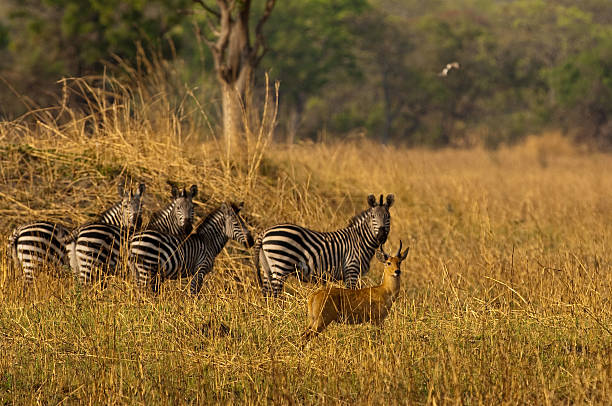
Katavi National Park: Hippo Pools and Buffalo Herds in Western Tanzania
Katavi National Park in western Tanzania is one of Africa’s most spectacular wilderness destinations, famous for enormous buffalo herds, crowded hippopotamus pools, powerful predators and remote landscapes. Far from the busy safari routes of the Serengeti and Ngorongoro, Katavi offers travellers an authentic wildlife experience surrounded by vast floodplains, seasonal rivers and beautiful miombo woodland.
During the dry season, shrinking water sources attract extraordinary concentrations of animals. Hundreds of hippos may gather in muddy pools, while large buffalo herds move across open grasslands searching for grazing and drinking water.
For travellers seeking quiet game drives, remarkable wildlife photography and an adventurous safari away from crowds, Katavi is among Tanzania’s most rewarding national parks.
Where Is Katavi National Park Located?
Katavi National Park lies in western Tanzania, within Katavi Region, near the town of Mpanda.
The park covers approximately 4,471 square kilometres and protects an extensive landscape of seasonal wetlands, grasslands, rivers and woodland.
Its remote location means it receives considerably fewer visitors than Tanzania’s northern safari parks.
Quick Facts About Katavi National Park
| Feature | Description |
|---|---|
| Country | Tanzania |
| Region | Katavi |
| Park size | 4,471 km² |
| Established | 1974 |
| Main gateway | Mpanda |
| Main river | Katuma River |
| Famous wildlife | Hippos and buffaloes |
| Main habitats | Floodplains and miombo woodland |
| Best safari season | June–October |
| Recommended stay | Three to four nights |
Why Is Katavi National Park Special?
Katavi is famous for its remoteness and extraordinary dry-season wildlife concentrations.
Unlike heavily visited parks, travellers may spend hours exploring without encountering another safari vehicle.
The landscape changes dramatically between wet and dry seasons.
During rainfall, seasonal wetlands fill with water, creating extensive habitats for birds and grazing animals.
As the landscape dries, wildlife increasingly gathers around the remaining water.
The Famous Katavi Hippo Pools
The hippopotamus pools are among Katavi’s greatest attractions.
During the dry season, falling river levels force hippos into increasingly restricted areas.
Large groups may gather in the same muddy pools, producing remarkable wildlife scenes.
Why Do Hippos Gather Together?
Hippos depend on water to protect their sensitive skin from excessive heat.
They spend much of the day submerged before leaving to graze, usually at night.
As pools shrink, suitable resting space becomes limited.
Competition between animals may increase, sometimes resulting in aggressive encounters.
Watching Hippo Behaviour
Hippos are fascinating animals to observe from a safe distance.
Visitors may see them yawning, vocalising, moving through water or interacting with neighbouring animals.
Common Hippo Behaviours
| Behaviour | Explanation |
|---|---|
| Yawning | May signal aggression or display strength |
| Loud calling | Communication between hippos |
| Resting underwater | Helps regulate body temperature |
| Opening jaws | Social or territorial display |
| Night grazing | Feeding on grass outside water |
Although hippos sometimes appear peaceful, they are extremely powerful and potentially dangerous.
Crocodiles Along the Katuma River
Nile crocodiles share Katavi’s river habitats with hippos and other aquatic wildlife.
During dry conditions, crocodiles may gather around remaining pools or shelter in riverbank cavities.
Where Can Visitors See Crocodiles?
They may be observed resting on muddy banks or floating near the water’s surface.
Crocodiles often remain motionless while waiting for suitable prey.
Visitors should never approach riverbanks independently.
Guides can identify safe observation points during game drives.
Katavi’s Enormous Buffalo Herds
African buffaloes are another major attraction.
During the dry season, Katavi can support herds containing hundreds or even more than a thousand animals.
The sight of buffaloes moving across open floodplains is particularly impressive.
Why Do Buffaloes Form Large Herds?
Buffaloes are social animals that frequently gather in groups.
Living together can provide protection against predators.
Access to suitable grass and water also influences herd movements.
When resources become concentrated, several groups may gather within the same landscape.
Lions Hunting on the Floodplains
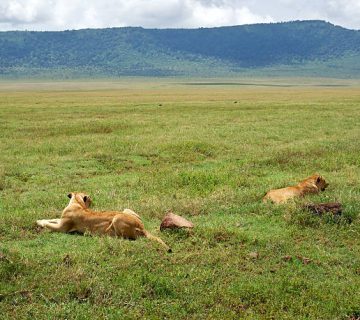
Katavi supports important populations of lions.
The large buffalo herds and other grazing animals provide hunting opportunities.
Visitors may encounter lions resting near woodland, travelling across plains or watching prey.
Predator Encounters
Lions sometimes hunt buffaloes, although these powerful animals can defend themselves aggressively.
Spotted hyenas also occur throughout the park.
Leopards inhabit suitable woodland and riverine habitats.
Predator sightings depend on animal movements and cannot be guaranteed.
Wildlife Found in Katavi National Park
Katavi supports diverse wildlife beyond hippos and buffaloes.
Animals Visitors May Encounter
| Animal | Main habitat |
|---|---|
| African elephant | Woodland and floodplains |
| African buffalo | Open grassland |
| Hippopotamus | Rivers and pools |
| Nile crocodile | River channels |
| Lion | Savannah and woodland |
| Leopard | Riverine vegetation |
| Plains zebra | Open grassland |
| Topi | Floodplains |
| Sable antelope | Miombo woodland |
| Roan antelope | Woodland and grassland |
Some species are easier to observe during the dry season.
Lake Chada and the Floodplains
Lake Chada is a seasonal wetland within Katavi’s extensive floodplain system.
During wet periods, water spreads across broad areas.
As conditions become drier, grassland emerges and attracts grazing animals.
Why Lake Chada Matters
The surrounding plains provide important feeding habitat for buffaloes, zebras, topi and other herbivores.
Predators may follow these animals.
The open landscape also provides excellent photography opportunities.
Lake Katavi and Seasonal Wetlands
Lake Katavi is another important seasonal wetland.
Its changing water levels influence wildlife movements throughout the year.
Wildlife Around the Wetlands
During wetter periods, birds gather around shallow water.
As the landscape dries, animals move towards remaining pools and river channels.
This seasonal movement creates one of Katavi’s most remarkable ecological patterns.
Birdwatching in Katavi
Katavi is an excellent birdwatching destination, with more than 400 recorded bird species.
Its wetlands attract waterbirds, while woodland habitats support numerous other species.
Birds to Look For
| Bird | Main attraction |
|---|---|
| African Fish Eagle | Fishing raptor |
| Saddle-billed Stork | Large colourful stork |
| Yellow-billed Stork | Wetland feeding bird |
| African Openbill | Specialised shellfish feeder |
| Bateleur | Distinctive eagle |
| White-backed Vulture | Scavenging bird |
| Herons | Wetland hunters |
Birdwatching is particularly rewarding around wetlands and river habitats.
Best Time to Visit Katavi
The dry season, generally June to October, provides the most reliable wildlife-viewing conditions.
As water sources shrink, animals become more concentrated.
September and October can produce particularly dramatic scenes.
Seasonal Safari Guide
| Period | General conditions |
|---|---|
| January–March | Wet-season conditions |
| April–May | Heavy rainfall and difficult access |
| June–August | Increasing wildlife concentrations |
| September–October | Peak dry-season wildlife viewing |
| November–December | Returning rainfall |
Some accommodation and transport services operate seasonally.
Game Drives in Katavi
Game drives are the main way to explore the park.
Visitors travel through floodplains, woodland and river habitats using suitable safari vehicles.
Morning Game Drives
Early morning is ideal for observing predators and active grazing animals.
Temperatures are generally more comfortable.
Soft morning light provides excellent photography conditions.
Afternoon Game Drives
Afternoon excursions offer opportunities to observe wildlife approaching water sources.
Animals may become more active as temperatures begin to fall.
Experienced guides adapt routes according to current conditions.
Walking Safaris in Katavi
Katavi also offers authorised guided walking experiences.
These excursions introduce visitors to animal tracks, vegetation and smaller details often missed during vehicle safaris.
Walking Safari Safety
Walking must be arranged with authorised guides or park rangers.
Never approach hippos, buffaloes or elephants independently.
Wear suitable footwear and follow all instructions.
Walking routes depend on wildlife movements and park regulations.
How to Reach Katavi National Park
Katavi is one of Tanzania’s more remote national parks.
Visitors can reach the area by road or air.
Transport Options
| Transport | Description |
|---|---|
| Scheduled regional flight | Travel towards Mpanda |
| Charter flight | Direct access to suitable park airstrips |
| Four-wheel-drive vehicle | Long overland journey |
| Organised safari transfer | Transport arranged by operator |
Ikuu Airstrip serves the park, while Mpanda provides a regional gateway.
Flight schedules and road conditions should be confirmed before travelling.
Accommodation in Katavi
Katavi offers a limited selection of safari camps, lodges and camping facilities.
Some properties operate mainly during the dry season.
Choosing Accommodation
Luxury tented camps provide comfortable wilderness experiences.
Mobile safari camps offer a closer connection with the remote landscape.
Public and special campsites may suit experienced travellers.
Advance reservations are particularly important because accommodation capacity is limited.
Katavi National Park Entrance Fees
Tanzania National Parks Authority applies conservation fees according to nationality, age and residency.
Published visitor information lists an adult international entry fee of approximately USD 70 and an international child fee of USD 20.
Other categories have different rates.
Vehicle, camping and specialised activity charges may apply separately.
Confirm the current official tariff before booking.
Suggested Three-Day Katavi Safari
Day One: Arrival and Afternoon Wildlife
Arrive at the park and transfer to accommodation.
Enjoy an afternoon game drive around suitable floodplain habitats.
Search for buffaloes, elephants and other wildlife.
Day Two: Hippo Pools and Predators
Begin with an early morning game drive.
Explore the Katuma River system and observe hippos from a safe distance.
Continue towards the Lake Chada plains.
Spend the afternoon searching for predators and photographing buffalo herds.
Day Three: Birdwatching and Departure
Enjoy an early morning birdwatching excursion.
Observe waterbirds and woodland species.
Return for breakfast before departing.
Combining Katavi With Mahale Mountains
Katavi can be combined with Mahale Mountains National Park on Lake Tanganyika.
Mahale is famous for chimpanzee trekking and beautiful forest landscapes.
Combining these parks provides contrasting wildlife experiences.
However, transfers require careful planning because both destinations are remote.
Responsible Tourism in Katavi
Katavi’s wilderness depends on protecting habitats and wildlife corridors.
Visitors should follow designated roads and park regulations.
Never feed wildlife.
Avoid disturbing hippos or approaching crocodile pools.
Use authorised guides and responsible safari operators.
Carry away rubbish and respect surrounding communities.
Why Katavi National Park Is Worth Visiting
Katavi National Park offers one of Tanzania’s most authentic wilderness experiences.
Its crowded hippo pools, enormous buffalo herds, powerful predators and seasonal wetlands create remarkable wildlife encounters.
The park’s remote location also allows visitors to experience African landscapes with very few other safari vehicles.
For wildlife photographers, adventurous travellers and safari enthusiasts seeking something different from Tanzania’s northern circuit, Katavi provides an unforgettable journey into western Tanzania’s extraordinary natural heritage.


No comment